
Did you know that more than 50 million men and 30 million women in the United States alone suffer from hair loss? Hair loss can have a significant impact on self-esteem and overall well-being, making it a pressing issue for many individuals. However, there is hope on the horizon as scientists are actively researching and developing promising new treatments for thinning hair.
Key Takeaways:
- Researchers have discovered a breakthrough treatment using microRNA to potentially reverse hair loss.
- MicroRNA has been found to soften hair follicles, leading to increased hair growth in mice.
- Innovative hair growth solutions involving microRNA could provide a new approach to hair restoration.
- Advancements in female hair loss treatment include Botox injections, PDO threads, and exosome therapy.
- The field of hair loss treatment is evolving rapidly, offering hope for those seeking effective remedies.
Innovative Hair Growth Solutions
MicroRNA has emerged as a promising avenue for the treatment of hair loss. Researchers have discovered that a specific microRNA called miR-205 plays a crucial role in stimulating hair growth and can potentially reverse hair loss. By increasing the production of miR-205, hair follicle stem cells can be softened, leading to increased hair growth in both young and old mice.
This groundbreaking finding opens up new possibilities for developing microRNA-based treatments for hair loss. By targeting the softening of hair follicles using microRNA, we may be able to restore hair growth and provide a potential solution for individuals experiencing baldness or thinning hair.
While this innovative approach shows promise, it is important to note that further research is necessary to determine its effectiveness and safety in humans. Clinical trials and studies are needed to evaluate the potential of microRNA treatment for hair loss on a larger scale.
The Science Behind MicroRNA Treatment
To understand how microRNA treatment could reverse hair loss, let’s dive into the underlying mechanism. MicroRNAs are small RNA molecules that regulate gene expression, playing a critical role in various biological processes, including hair growth and development.
“MicroRNAs are small RNA molecules that regulate gene expression, playing a critical role in various biological processes, including hair growth and development.”
By manipulating the levels of specific microRNAs, like miR-205, researchers have discovered a way to influence the behavior of hair follicle stem cells. Hair follicles naturally undergo a process called miniaturization as a person ages, leading to thinning hair and eventual baldness. MicroRNA treatment holds the potential to reverse this miniaturization process by softening the hair follicles and stimulating hair growth.
While the exact mechanisms by which miR-205 softens hair follicles are still being explored, early research has shown promising results. By applying microRNA directly to the scalp or developing targeted delivery methods, researchers aim to effectively deliver miR-205 and other beneficial microRNAs to the hair follicles, providing a potential treatment for baldness.
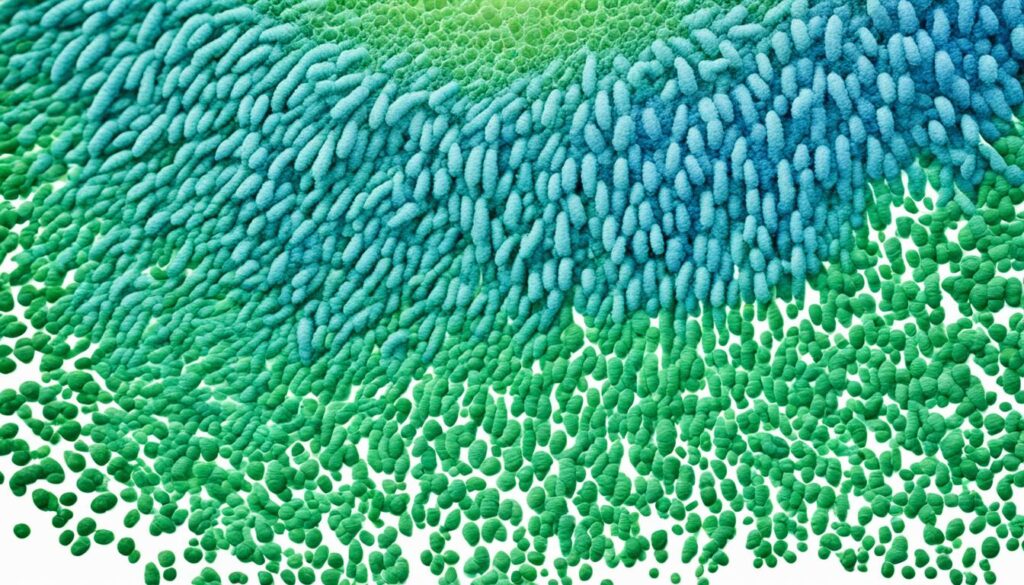

The image above illustrates the potential of microRNA treatment for hair loss. Through the softening of hair follicles using miR-205, hair growth can be restored, providing a potentially revolutionary solution for individuals struggling with hair loss.
Advancements in Female Hair Loss Treatment
The field of female hair loss treatment is evolving rapidly, with several new and updated options being introduced. These advancements offer hope for those seeking effective treatments for female hair loss.
Intramuscular Injection of Botulinum Toxin (Botox)
One innovative approach to female hair loss treatment involves the intramuscular injection of botulinum toxin, commonly known as Botox. While primarily recognized for its use in cosmetic procedures, Botox has shown promise in relaxing muscles and increasing blood flow in the scalp. This, in turn, can promote healthier hair growth and potentially slow down hair loss.
PDO Threads for Hair Growth
Another emerging treatment option for female hair loss is PDO threads. PDO, or polydioxanone, is a biocompatible material commonly used in cosmetic procedures. When strategically placed in the scalp, PDO threads can stimulate hair growth by providing mechanical support to weakened hair follicles. This innovative approach offers a non-surgical alternative to traditional methods of hair restoration.
Exosome Therapy
Exosome therapy is another exciting avenue in the field of female hair loss treatment. Exosomes are extracellular vesicles that carry important signaling molecules, proteins, and genetic material. This therapy involves injecting exosomes derived from stem cells into the scalp, promoting cell communication and potentially stimulating hair growth. Early studies suggest that exosome therapy may be a promising treatment option for female hair loss.
Oral Medications for Hormonal Causes
Addressing the underlying hormonal causes of female hair loss is crucial for effective treatment. Oral medications such as minoxidil, finasteride, and spironolactone have been used to target hormonal imbalances and promote hair regrowth in women. These medications work by influencing hormone levels and the hair growth cycle, providing a comprehensive approach to combating hair loss in women.

With these new advancements and innovative approaches to female hair regrowth, individuals experiencing hair loss have a renewed sense of hope. Whether it’s through injections, threads, or oral medications, the field of female hair loss treatment is continuously evolving to provide effective solutions. Stay tuned for further developments in this exciting field!
Conclusion
The field of hair loss treatment is constantly evolving, with new advancements and breakthroughs on the horizon. Researchers have been exploring the potential of microRNA as a promising option to stimulate hair growth. By softening hair follicles, microRNA shows great potential in reversing hair loss. Although the research has primarily been conducted on mice, it offers hope for effective solutions for human hair rejuvenation.
Moreover, innovative treatments for female hair loss have also emerged. Techniques like intramuscular injection of botulinum toxin (Botox), PDO threads for hair growth, and exosome therapy are being explored to address specific challenges faced by women. Additionally, oral medications such as minoxidil, finasteride, and spironolactone are showing promise in targeting hormonal causes of hair loss in females.
While these advancements in hair loss treatment are promising, more research is needed to fully understand their effectiveness and ensure the safety of these treatments. However, the progress made so far indicates a bright future for individuals seeking solutions to hair loss. Stay informed and keep an eye out for further updates and advancements in the field of hair loss treatment.
FAQ
What is the latest breakthrough in hair loss treatment?
Scientists have discovered a breakthrough treatment using microRNA, which softens hair follicles and has shown increased hair growth in mice. However, more research is needed to determine its effectiveness in humans.
How does microRNA stimulate hair growth?
Increasing the production of a specific microRNA, miR-205, has been found to soften hair follicle stem cells, resulting in increased hair growth in mice. This treatment has the potential to provide a new approach to hair restoration.
What innovative treatments are being explored for female hair loss?
Intramuscular injection of botulinum toxin (Botox) has shown promise in relaxing muscles and increasing blood flow in the scalp. PDO threads for hair growth and exosome therapy are also being explored as potential treatments for female hair loss. Additionally, oral medications such as minoxidil, finasteride, and spironolactone are being used to address hormonal causes of hair loss in women.
What advancements can we expect in the field of hair loss treatment?
The field of hair loss treatment is constantly evolving, with new advancements and breakthroughs on the horizon. Researchers are making significant progress in finding effective solutions for hair rejuvenation, including microRNA treatment and innovative approaches to female hair loss treatment. Stay tuned for further updates and advancements in the field of hair loss treatment.