
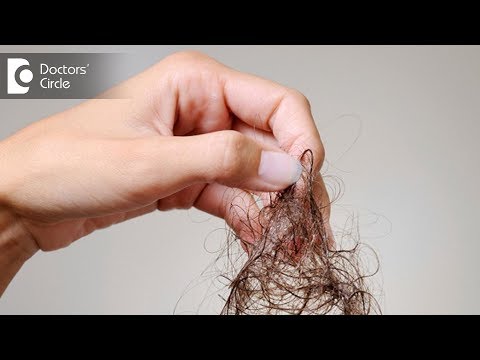
Are you experiencing heavy hair fall and excessive hair loss? Don’t worry, we’re here to help you find effective solutions to stop and prevent hair fall. Hair loss can be caused by various factors, including aging, genetics, and underlying medical conditions. To effectively address heavy hair fall, it’s important to identify the underlying cause.
Treatment options for hair fall may include supplements, medicated ointments, and lifestyle changes. Modifying your diet by increasing the intake of protein and amino acids can help promote hair growth. Following a Mediterranean diet rich in herbs and vegetables has been associated with a decreased risk of pattern baldness. However, crash diets and very low-calorie diets can lead to nutritional deficiencies, including those necessary for healthy hair.
Taking vitamin and mineral supplements, such as Biotin, Zinc, and Iron, may help prevent or reduce hair loss. It’s important to consult with a doctor before starting any supplementation regimen. Certain medications, such as minoxidil and finasteride, are available for hair loss treatment. Scalp massages, low-level laser light therapy, and the application of certain essential oils, such as rosemary oil and pumpkin seed oil, may also promote hair growth.
Taking care of your hair and scalp through gentle hair care practices, using antioxidant-rich shampoo or scalp treatments, and avoiding tight hairstyles can help prevent hair damage and loss. By addressing the underlying causes and adopting a holistic approach to hair care, you can effectively manage and reduce heavy hair fall.
Key Takeaways:
- Identify the underlying cause of heavy hair fall to effectively address it.
- Increase protein and amino acid intake through diet for promoting hair growth.
- Consider taking vitamin and mineral supplements after consulting with a doctor.
- Explore medications, scalp massages, and essential oils to stimulate hair growth.
- Adopt gentle hair care practices, antioxidant-rich shampoo, and avoid tight hairstyles to prevent hair damage and loss.
Causes of Thinning Hair and Hair Loss
Thinning hair and hair loss can have various causes, including genetics, hormonal changes, certain medical conditions, and lifestyle factors.
- Genetic factors: Genes play a significant role in hair loss, particularly pattern baldness.
- Hormonal changes: Hair loss can occur during hormonal fluctuations experienced during pregnancy, menopause, or conditions like polycystic ovary syndrome.
- Medical conditions: Underlying autoimmune diseases, skin disorders, and vitamin deficiencies can contribute to thinning hair.
- Lifestyle factors: Certain habits, such as excessive chemical treatments, heat styling, tight hairstyles, and a lack of proper nutrition, can lead to hair loss.
To reduce hair fall, it is important to address these underlying causes and adopt healthy lifestyle practices. This includes avoiding damaging hair treatments, practicing proper hair care and hygiene, maintaining a balanced diet rich in essential nutrients, and managing stress levels.
Genetics and Hair Loss
Genetics can significantly impact hair loss, as certain genes can make individuals more susceptible to a condition known as pattern baldness. This type of hair loss typically follows a predictable pattern, with thinning hair and a receding hairline in men, and general hair thinning in women.
While it is not possible to change your genetic predisposition to hair loss, there are treatments available to help slow down the process and promote hair growth. These treatments range from over-the-counter medications to prescription treatments and surgical procedures.
Hormonal Changes and Hair Loss
Hormonal changes can also contribute to hair loss. During pregnancy and after childbirth, hormonal fluctuations can cause temporary hair shedding. Similarly, hormonal changes during menopause can lead to hair thinning and loss as well. Hormonal imbalances, such as those caused by thyroid disorders, can also affect hair growth.
It is important to consult with a healthcare professional to address hormonal imbalances and explore possible treatment options. Hormone replacement therapy (HRT) and other medications may be prescribed to help manage these conditions and minimize hair loss.
Medical Conditions and Hair Loss
Underlying medical conditions can contribute to hair loss and thinning. Autoimmune diseases like alopecia areata and lupus can cause hair loss in patches or more widespread thinning. Skin disorders, such as psoriasis and seborrheic dermatitis, can also impact hair growth.
Additionally, deficiencies in certain vitamins and minerals, such as iron, zinc, and biotin, can lead to hair loss. It is essential to consult with a healthcare professional to identify and manage these conditions through appropriate treatment and dietary adjustments.
Lifestyle Factors and Hair Loss
Lifestyle habits can have a significant impact on hair health and contribute to hair fall. Over-styling and exposing hair to excessive chemicals, heat, and tension from tight hairstyles can weaken the hair shafts and lead to breakage.
Inadequate nutrition can also affect hair growth and increase the risk of hair loss. It is important to maintain a balanced diet, rich in protein, vitamins, and minerals, to support healthy hair growth. Additionally, managing stress levels through practices like exercise, meditation, and relaxation techniques can help reduce hair loss.
Treatment Options for Thinning Hair and Hair Loss
Treatment options for thinning hair and hair loss vary depending on the underlying cause. One common cause is nutritional deficiencies, in which case making dietary changes and supplementing with vitamins and minerals can be beneficial. Incorporating essential oils like lavender oil and rosemary oil into a hair care routine has also shown promise in promoting hair growth. Anti-thinning shampoos and scalp treatments can add volume and improve scalp health.
For pattern baldness in both men and women, medications like minoxidil and finasteride are available. Hair transplant surgery is an option for those with permanent hair loss. Laser therapy and scalp massage have also been found to stimulate hair growth. Consulting with a dermatologist or healthcare professional is essential to determine the most appropriate treatment approach based on individual circumstances.
When it comes to treating hair fall, it’s important to remember that natural remedies can be effective, but results may vary. Therefore, it is advisable to seek professional advice for a personalized treatment plan. With the right approach and appropriate treatment options, it is possible to address thinning hair and hair loss effectively.
FAQ
What are the common causes of heavy hair fall?
Heavy hair fall can be caused by various factors, including aging, genetics, and underlying medical conditions.
How can I stop hair fall?
To effectively address heavy hair fall, it’s important to identify the underlying cause. Treatment options may include supplements, medicated ointments, and lifestyle changes.
Are there any natural remedies for hair fall?
Yes, modifying your diet by increasing the intake of protein and amino acids may help promote hair growth. Following a Mediterranean diet rich in herbs and vegetables has been associated with a decreased risk of pattern baldness. Additionally, certain essential oils, such as rosemary oil and pumpkin seed oil, may promote hair growth.
What vitamin and mineral supplements can help prevent hair fall?
Taking vitamin and mineral supplements, such as Biotin, Zinc, and Iron, may help prevent or reduce hair loss. However, it’s important to consult with a doctor before starting any supplementation regimen.
Are there any medications available for hair loss treatment?
Yes, certain medications like minoxidil and finasteride are available for hair loss treatment. It’s important to consult with a healthcare professional to determine the most appropriate treatment approach based on individual needs and circumstances.
Are there any non-medical treatments for thinning hair and hair loss?
Yes, scalp massages, low-level laser light therapy, and the application of certain essential oils may also promote hair growth. Taking care of the hair and scalp through gentle hair care practices, using antioxidant-rich shampoo or scalp treatments, and avoiding tight hairstyles can also help prevent hair damage and loss.