
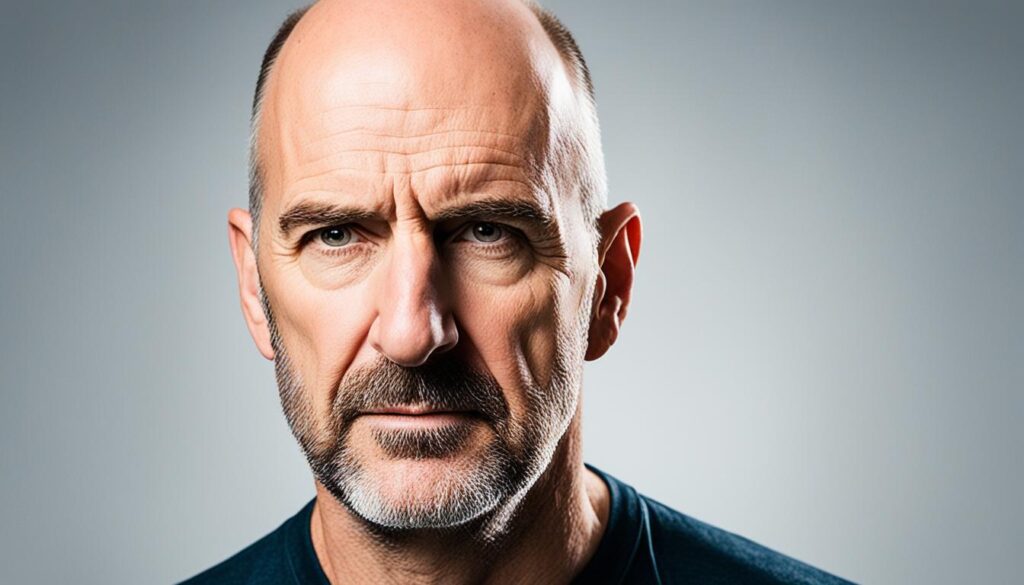
Hair loss, also known as alopecia, is a common concern that can impact both men and women. Whether it’s gradual thinning, patchy bald spots, or sudden loosening of hair, severe hair loss can negatively affect self-esteem and confidence. But what causes this condition, and what treatment options are available?
Severe hair loss can be attributed to various factors, including hereditary hair loss, hormonal changes, medical conditions, medications, stress, poor nutrition, and certain hairstyles and treatments. Androgenic alopecia, also known as male or female pattern baldness, is one of the primary culprits of severe hair loss. It is important to consult with a doctor to determine the underlying cause and explore suitable treatment options.
Key Takeaways:
- Severe hair loss can impact both men and women, causing gradual thinning, patchy bald spots, or sudden loosening of hair.
- Hereditary factors, hormonal changes, medical conditions, medications, stress, poor nutrition, and certain hairstyles and treatments can contribute to severe hair loss.
- A proper diagnosis is essential to identify the underlying cause of hair loss and determine the most effective treatment plan.
- Treatment options for severe hair loss include medications, such as minoxidil and finasteride, hair transplant surgery, laser therapy, and proper hair care.
- Prevention measures, such as maintaining a healthy diet, avoiding tight hairstyles, and managing stress levels, can help reduce the risk of severe hair loss.
Types and Symptoms of Hair Loss
There are various types of hair loss, each with its own symptoms. It is essential to identify the type of hair loss to determine the appropriate treatment and management strategies. Let’s take a closer look at some common types of hair loss and their associated symptoms.
Male-Pattern Baldness

Male-pattern baldness, also known as androgenic alopecia, is the most common type of hair loss in men. It typically begins with a receding hairline and thinning hair on the crown of the head. Over time, the hairline may continue to recede, eventually forming a “M” shape. Male-pattern baldness is predominantly influenced by genetic factors and hormonal changes.
Female-Pattern Baldness
Female-pattern baldness, similar to male-pattern baldness, is characterized by overall hair thinning in women. Unlike men, women who experience hair loss often retain their hairline but notice a decrease in hair volume. Female-pattern baldness is influenced by genetic factors and hormonal changes, such as menopause or hormonal imbalances.
Alopecia Areata
Alopecia areata is an autoimmune condition that causes patchy hair loss on the scalp, face, and other areas of the body. It occurs when the immune system mistakenly attacks the hair follicles, leading to hair loss. This condition can vary in severity, ranging from small bald patches to complete hair loss (alopecia totalis).
Traction Alopecia
Traction alopecia is a form of hair loss caused by excessive hairstyles or prolonged tension on the hair. This type of hair loss commonly affects individuals who frequently wear tight hairstyles, such as braids, ponytails, or extensions. The constant pulling on the hair can damage the hair follicles, leading to hair breakage and thinning.
Frontal Fibrosing Alopecia
Frontal fibrosing alopecia primarily affects postmenopausal women. It causes a receding hairline and hair loss along the frontal scalp. The exact cause of frontal fibrosing alopecia is unknown, but hormonal imbalances and inflammation are believed to play a role. This condition requires medical attention for proper diagnosis and management.
Common Symptoms of Hair Loss
- Gradual thinning of hair
- Circular or patchy bald spots
- Sudden loosening of hair
- Full-body hair loss (in severe cases)
If you experience any of these symptoms or notice changes in your hair, it is important to consult with a healthcare professional to determine the underlying cause and explore appropriate treatment options.
Causes and Risk Factors of Hair Loss
Hair loss can be attributed to several factors, including a combination of genetic, hormonal, and medical reasons. Understanding these causes can help in identifying the most appropriate treatment options for hair loss.
Hereditary Hair Loss
One of the leading causes of hair loss is hereditary factors. Male-pattern baldness, known as androgenic alopecia, and female-pattern baldness are the most common types of hereditary hair loss. These conditions are influenced by both genetic and hormonal factors.
Hormonal Changes
Hormonal changes can also contribute to hair loss. Women may experience hair loss during pregnancy and after menopause due to fluctuations in hormone levels. Additionally, thyroid problems can disrupt hormonal balance and lead to hair thinning or loss.
Medical Conditions
Several medical conditions can cause hair loss. Alopecia areata, an autoimmune disorder, results in patchy hair loss. Scalp infections can also damage hair follicles and lead to hair loss. It’s important to consult with a healthcare professional to diagnose and treat these conditions.
Medications
Some medications have side effects that include hair loss. These can include certain medications used for cancer treatment, high blood pressure, depression, and arthritis.
Stress
Stress can be a significant contributing factor to hair loss. When the body undergoes intense stress, it can disrupt the hair growth cycle and lead to increased shedding.
Poor Nutrition
Poor nutrition can impact hair health and lead to hair loss. A diet lacking essential nutrients such as vitamins, minerals, and proteins can weaken the hair follicles, resulting in excessive shedding.
Age and Weight Loss
The natural aging process can lead to hair thinning and loss. Additionally, rapid or excessive weight loss can put stress on the body, causing hair to enter a resting phase prematurely and leading to increased hair shedding.
By addressing the underlying causes of hair loss and adopting appropriate treatment and prevention strategies, individuals can effectively manage and minimize the impact of this condition.
| Causes of Hair Loss | Risk Factors |
|---|---|
| Hereditary factors | Genetic predisposition |
| Hormonal changes | Pregnancy, menopause, thyroid problems |
| Medical conditions | Alopecia areata, scalp infections |
| Medications | Certain cancer treatments, high blood pressure medications |
| Stress | Intense psychological or physical stress |
| Poor nutrition | Diet lacking essential nutrients |
| Age | Natural aging process |
| Weight loss | Rapid or excessive weight loss |
Treatment and Prevention of Hair Loss
When it comes to addressing hair loss, there are various treatment options available depending on the underlying cause. These treatments aim to stimulate hair growth, restore lost hair, and prevent further hair loss. Consulting with a healthcare professional is crucial in order to develop an individualized treatment plan.
Medications such as minoxidil and finasteride have been proven effective in promoting hair regrowth. These medications work by stimulating hair follicles and preventing further hair loss. They are available in different forms, including topical solutions and oral tablets.
For individuals with more advanced hair loss, hair transplant surgery can provide long-lasting results. This procedure involves transplanting hair follicles from a donor site to the areas of thinning or baldness. Another option is laser therapy, which uses low-level laser light to stimulate hair growth and improve hair density.
In addition to specific treatments, maintaining healthy hair care practices can also help prevent hair loss. Avoiding hairstyles that pull tightly on the scalp, such as tight braids or ponytails, can reduce tension on the hair follicles. A balanced diet rich in vitamins and minerals, particularly those essential for hair health like vitamin E and biotin, can also support hair growth and prevent hair loss.
It is important to note that each individual’s hair loss situation is unique, and what works for one person may not work for another. That’s why seeking professional guidance is vital to identify the most appropriate treatment options and preventive measures for your specific needs.
FAQ
What causes severe hair loss?
Severe hair loss can be caused by a combination of factors such as hereditary hair loss, hormonal changes, medical conditions, medications, stress, poor nutrition, and age. It is important to consult with a doctor to determine the underlying cause.
What are the different types of hair loss and their symptoms?
The different types of hair loss include male-pattern baldness (receding hairline or bald spot), female-pattern baldness (overall hair thinning), alopecia areata (patchy hair loss), traction alopecia (due to tight hairstyles), and frontal fibrosing alopecia (receding hairline in older women). Symptoms can include gradual thinning, circular or patchy bald spots, sudden loosening of hair, and full-body hair loss.
How does hereditary hair loss contribute to hair loss?
Hereditary factors, specifically male and female pattern baldness, play a significant role in hair loss. These conditions are caused by genetic predisposition and can result in gradual hair thinning and balding over time.
How do hormonal changes affect hair loss?
Hormonal changes due to pregnancy, menopause, and thyroid problems can contribute to hair loss. Imbalances in hormones affect the growth cycle of hair and can lead to increased shedding and thinning.
Can certain medical conditions or medications cause hair loss?
Yes, medical conditions such as alopecia areata (an autoimmune disease) and scalp infections can cause hair loss. Additionally, certain medications like chemotherapy drugs, antidepressants, and blood thinners may have hair loss as a side effect.
Can stress and poor nutrition contribute to hair loss?
Yes, prolonged periods of stress can lead to hair shedding and thinning. Poor nutrition, especially a lack of essential vitamins and minerals, can also affect the health of hair follicles and contribute to hair loss.
How can I treat severe hair loss?
Treatment options for severe hair loss include medications such as minoxidil and finasteride, which stimulate hair growth. Hair transplant surgery and laser therapy are also effective in restoring hair. It is best to consult with a healthcare professional to determine the most suitable treatment plan.
Is it possible to prevent hair loss?
While not all types of hair loss can be prevented, there are measures you can take to reduce the risk. Proper hair care, avoiding hairstyles that pull tightly on the scalp, maintaining a healthy diet rich in nutrients, and managing stress levels can help prevent or minimize hair loss.