

Are you struggling with hair and scalp problems? Seeking the guidance of a hair specialist can provide the expert care and solutions you need. A hair doctor, also known as a trichologist, is a professional who specializes in diagnosing and treating various hair and scalp conditions. With their specialized knowledge in trichology, they can offer personalized advice and assistance to address your specific concerns.
When you consult a hair doctor, they will conduct a thorough examination of your hair and scalp, taking into account factors such as your medical history, lifestyle, and hair care routine. By analyzing these aspects, they can diagnose the underlying cause of your hair issues and recommend appropriate treatment options.
Trichologists undergo extensive training and certification programs, equipping them with the expertise to handle a wide range of hair-related conditions. They may also be members of professional organizations, such as the International Association of Trichologists or the World Trichology Society, further demonstrating their commitment to maintaining high standards in their practice.
Key Takeaways:
- Consulting a hair doctor, or trichologist, is beneficial for individuals with hair and scalp conditions.
- Trichologists specialize in diagnosing and treating various hair and scalp conditions.
- They undergo specialized training and certification programs to gain expertise in the field.
- Trichologists can offer personalized advice, diagnostic examinations, and recommend suitable treatment options based on your condition.
- They can provide topical creams, lotions, nutritional advice, and referrals to other specialists if needed.
Diagnosing Hair Loss: Trichologist vs. Dermatologist
Both trichologists and dermatologists play a crucial role in diagnosing and treating hair loss. Trichologists specialize specifically in hair and scalp conditions, while dermatologists have expertise in diagnosing a wide range of skin conditions, including hair loss.
Trichologists conduct a thorough examination of the hair and scalp, considering factors such as medical history, lifestyle, and hair care routine. They may also perform hair analysis and request blood tests from primary care physicians to aid in diagnosis.
Dermatologists gather information through physical exams, scalp evaluations, and tests like blood tests or scalp biopsies to determine the cause of hair loss. They identify underlying diseases, hormonal imbalances, nutritional deficiencies, or infections that may be contributing to hair loss.
Both trichologists and dermatologists explore treatment options such as medication, at-home treatments, procedures like hair transplant surgery or laser therapy, and lifestyle changes based on the diagnosis. They work collaboratively to provide the most effective solutions for hair loss.
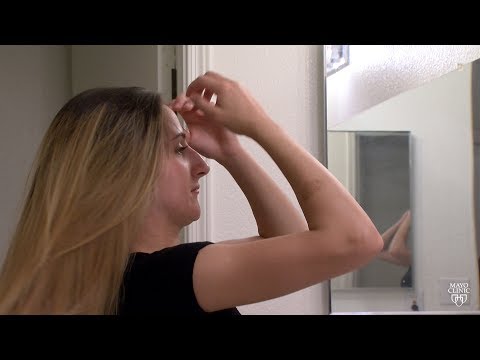
When it comes to diagnosing hair loss, it’s essential to consult with a qualified hair specialist. Trichologists and dermatologists have the knowledge and expertise to determine the underlying cause of hair loss and create personalized treatment plans.
Trichologists focus specifically on hair and scalp issues, allowing them to provide targeted approaches to hair loss treatment. Dermatologists, on the other hand, have a broader understanding of skin and hair conditions, enabling them to identify underlying factors contributing to hair loss.
By considering various factors, conducting thorough examinations, and utilizing medical tests, trichologists and dermatologists can accurately diagnose hair loss. Once the cause is identified, they can recommend appropriate treatments such as medication, hair transplant surgery, laser therapy, or lifestyle changes.
“Both trichologists and dermatologists bring unique perspectives and skills to the table when it comes to diagnosing hair loss. Collaborating with these specialists ensures comprehensive care and the most effective treatment options for individuals experiencing hair loss.”
Whether you choose to consult a trichologist or a dermatologist, seeking help from a hair specialist is a critical step in addressing hair loss and restoring confidence. Their expertise and comprehensive approach will guide you towards the most suitable treatment for your hair restoration journey.
Treatment Options for Hair Loss
Effective treatments for hair loss vary depending on the underlying cause and the individual’s specific condition. Trichologists and dermatologists may recommend different treatment options based on their expertise.
Medication
For certain types of hair loss, medication is prescribed. Minoxidil (Rogaine) is an over-the-counter medication that can stimulate hair growth and prevent further hair loss. Finasteride (Propecia), a prescription medication, is primarily used for male pattern baldness.
At-Home Treatments
These medications may be used in conjunction with at-home treatments like laser therapy or microneedling, which can stimulate hair growth.
Surgical Procedures
In more advanced cases, surgical procedures such as hair transplant surgery or injections of corticosteroids may be recommended to regrow hair.
Other Therapies
Platelet-rich plasma (PRP) therapy and laser therapy have also shown promising results in stimulating hair growth.
Lifestyle Changes
Lifestyle changes, including diet, hair care routines, and managing stress levels, may also play a role in promoting hair regrowth.
It’s important to note that treatment plans should be personalized based on the individual’s diagnosis and needs. Consulting with a hair specialist will enable patients to receive the most effective treatment options tailored to their specific condition.
Conclusion
When it comes to addressing hair loss or scalp conditions, consulting a hair doctor is crucial for personalized care and effective treatment. Whether you choose a trichologist or a dermatologist, these specialists are equipped with the expertise to thoroughly examine your hair and scalp, diagnose the underlying cause of hair loss, and recommend appropriate treatment options.
From medical interventions such as medication and surgical procedures to at-home treatments and lifestyle changes, a wide range of solutions are available to promote hair restoration. Working with a hair care expert ensures that your treatment plan is tailored to your specific condition and needs, increasing the likelihood of successful outcomes.
Whether you’re seeking to regain lost hair or improve the health of your existing hair, a hair specialist will provide you with the guidance and support you need on your journey towards hair regrowth and restoration. Start by scheduling a consultation with a hair doctor today to take the first step towards optimal hair health and confidence.
FAQ
What is the role of a hair doctor?
A hair doctor, also known as a trichologist, specializes in diagnosing and treating hair and scalp conditions. They provide advice and assistance to individuals experiencing hair-related problems, such as hair loss or scalp conditions.
How are trichologists different from dermatologists?
Trichologists specialize specifically in hair and scalp conditions, while dermatologists have expertise in diagnosing a wide range of skin conditions, including hair loss.
What are the effective treatments for hair loss?
Effective treatments for hair loss vary depending on the underlying cause and the individual’s specific condition. Treatment options can include medication, at-home treatments, procedures like hair transplant surgery or laser therapy, and lifestyle changes.
Why should I consult a hair doctor?
Consulting a hair doctor, whether it’s a trichologist or a dermatologist, is crucial for individuals experiencing hair loss or scalp conditions. These specialists can provide a thorough examination, diagnose the underlying cause of hair loss, and recommend appropriate treatment options.