
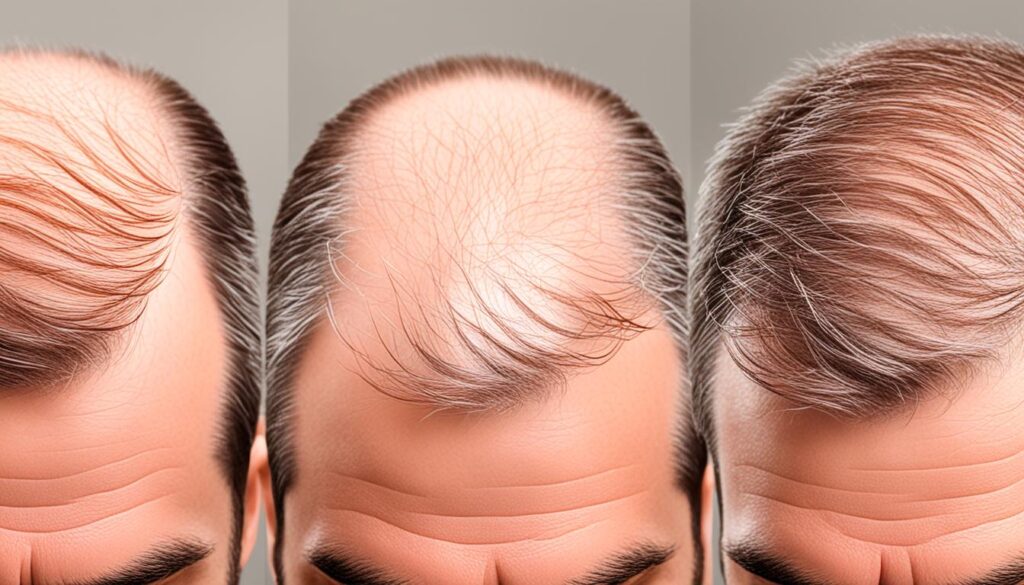
Hair loss in men, also known as male pattern baldness, is a common concern that affects many individuals. Whether you’re experiencing thinning hair, receding hairline, or bald patches, finding effective solutions for hair loss can greatly impact your confidence and overall well-being. In this article, we will explore proven tips and solutions to combat hairfall in men, including hair regrowth treatments, hair loss prevention tips, and natural remedies.
There are multiple causes of hair loss in men, including genetic factors, medication conditions, and lifestyle choices. Understanding the underlying cause of your hair loss is crucial in determining the most suitable treatment option for you. While some men may opt for medical interventions like medications and hair transplant surgeries, others may prefer natural remedies and lifestyle changes. It’s important to consult with a professional to assess your specific needs and preferences.
Key Takeaways:
- Male pattern baldness, or hair loss in men, is a common concern.
- Causes of hair loss in men can include genetics, medication conditions, and lifestyle choices.
- Treatment options for hair loss include medications, hair transplants, laser treatments, and natural remedies.
- Consulting with a healthcare professional is essential in determining the best course of action.
- Combining medical interventions with lifestyle changes can yield the best results in combating hairfall in men.
FDA-approved Medications for Hair Loss in Men
The FDA has approved two medications for the treatment of male pattern hair loss: minoxidil and finasteride. These medications have shown promising results in combating hair loss and promoting hair regrowth in men.
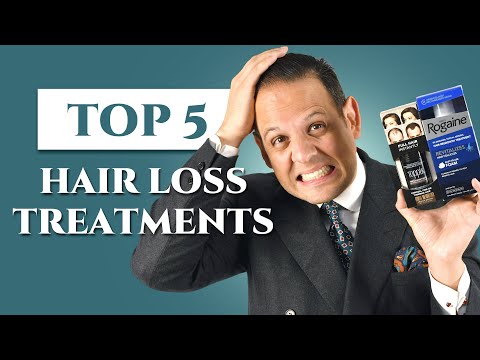
Minoxidil: Minoxidil, commonly known as Rogaine, is an over-the-counter hair loss medication. It is applied topically to the scalp to stimulate hair growth and prevent further hair loss. Minoxidil works by widening blood vessels and opening potassium channels, which can improve blood flow to the hair follicles. This increased blood flow can provide essential nutrients and oxygen to the hair follicles, promoting healthy hair growth. It is important to note that minoxidil needs to be used continuously to maintain its benefits, and it may take several months before visible results are seen.
Finasteride: Finasteride, available with a prescription, is an oral medication that works by inhibiting the production of dihydrotestosterone (DHT), a hormone known to cause hair follicles to shrink and lead to male pattern hair loss. By reducing the levels of DHT in the scalp, finasteride can help promote hair regrowth and prevent further hair loss. It is important to note that finasteride may take up to 6 months to show noticeable results, and it should be used under the guidance of a healthcare professional.
Both minoxidil and finasteride have been proven effective in treating male pattern hair loss. However, it is important to be aware of potential side effects. Minoxidil may cause scalp irritation, itching, or unwanted hair growth in other areas of the body. Finasteride may have rare side effects such as decreased sex drive or sexual dysfunction. It is important to discuss potential side effects with a healthcare professional before starting any hair loss medication.
In addition to medication, there are other treatment options available for men seeking to address hair loss. These include hair transplant procedures, where healthy hair follicles are transplanted from one area of the scalp to areas with thinning or balding hair. Hair transplants can provide a more permanent solution to hair loss. Another option is laser treatment, such as low-level laser therapy, which can help reduce inflammation in hair follicles and stimulate hair growth. These treatments should be conducted by trained professionals and may require multiple sessions to achieve desired results.
Lifestyle Changes and Natural Remedies for Hair Loss Prevention in Men
In addition to medical treatments, there are various lifestyle changes and natural remedies that can help prevent hair loss in men. Making certain lifestyle changes can have a positive impact on hair health and promote natural hair regrowth. One important change is quitting smoking, as smoking has been linked to hair loss. Smoking can lead to scalp inflammation and reduced blood flow to the hair follicles, which can contribute to hair thinning and baldness. By quitting smoking, men can reduce the risk of further hair loss and improve their overall hair health.
Another lifestyle change that can benefit hair health is regular scalp massage. Scalp massage stimulates blood circulation to the hair follicles, promoting nutrient supply and improving hair growth. A gentle scalp massage using circular motions with the fingertips for a few minutes each day can make a difference in reducing hair loss and supporting healthy hair growth.
Incorporating a balanced diet rich in essential nutrients is also crucial for maintaining healthy hair. Nutrients like iron, omega-3 fatty acids, and protein are known to support hair growth and prevent hair loss. Including foods such as lean meats, fish, nuts, seeds, fruits, and vegetables can provide the necessary nutrients for optimal hair health. Additionally, reducing stress levels through activities like exercise, listening to music, and practicing relaxation techniques can help prevent hair loss. Elevated stress levels can contribute to hair loss, so managing stress effectively is essential for maintaining healthy hair.
Aside from lifestyle changes, there are natural remedies that can be used to promote hair growth and prevent hair loss. Essential oils like peppermint oil and rosemary oil have been shown to have stimulating effects on hair follicles and can be used as a scalp treatment. Other natural remedies include saw palmetto, a plant extract that helps inhibit the production of DHT, a hormone associated with hair loss. Biotin, a B-vitamin found in foods like eggs, nuts, and whole grains, has also been shown to support healthy hair growth. Additionally, onion juice and bhringraj, a herb commonly used in Ayurvedic medicine, have shown potential in promoting hair regrowth. It is important to note that natural remedies may not work for everyone and individual results may vary, so consulting a healthcare professional is advised before trying any natural remedies for hair loss prevention.
FAQ
What causes hair loss in men?
Hair loss in men, also known as male pattern baldness, can be caused by various factors such as genetics, medication conditions, stress, and more.
What medications are FDA-approved for hair loss treatment in men?
The FDA has approved two medications for the treatment of male pattern hair loss: minoxidil and finasteride.
How does minoxidil (Rogaine) work to treat hair loss in men?
Minoxidil is applied to the scalp to encourage hair growth and prevent further hair loss. It needs to be used continuously to maintain the benefits.
How does finasteride (Propecia, Proscar) work to treat hair loss in men?
Finasteride works by inhibiting the production of DHT, a hormone that causes hair follicles to shrink. It can take up to 6 months to see results.
What are the potential side effects of minoxidil and finasteride?
Both medications may have potential side effects and should be used under the guidance of a healthcare professional.
What are hair transplants and laser treatments for hair loss in men?
Hair transplants involve moving healthy hair from one part of the scalp to areas of thinning or baldness. Laser treatments, such as low-level laser therapy, can help reduce inflammation in hair follicles and promote hair growth.
What lifestyle changes can help prevent hair loss in men?
Lifestyle changes such as quitting smoking, scalp massage, and maintaining a balanced diet can help reduce hair loss and promote healthy hair growth.
Are there any natural remedies for hair loss prevention in men?
Some natural remedies like essential oils, saw palmetto, biotin-rich foods, onion juice, and bhringraj have shown potential in promoting hair growth, although further research is needed.