
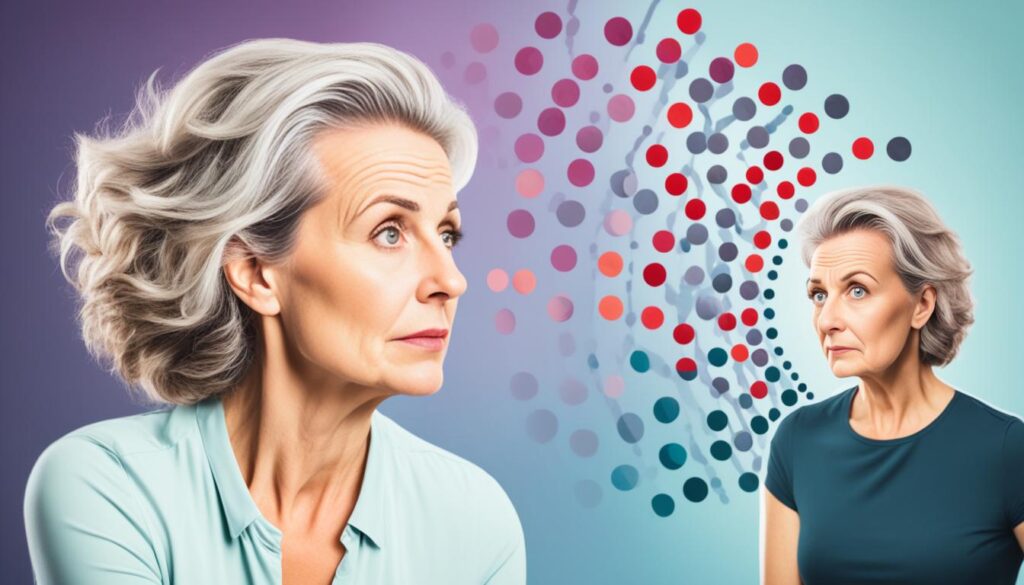
Hair loss, or alopecia, can occur due to various factors such as heredity, hormonal changes, medical conditions, or aging. While hair loss is more common in men, it can also affect women. Hormonal imbalances can play a significant role in hair loss, including conditions like androgenetic alopecia, telogen effluvium, and alopecia areata. Hormones such as dihydrotestosterone (DHT) and thyroid hormones can impact hair follicles and result in hair thinning or loss. Understanding the hormonal causes of hair loss is crucial in finding effective treatments and solutions to address this common concern.
Key Takeaways:
- Hormonal imbalances can contribute to hair loss in both men and women.
- Androgenetic alopecia is often caused by an excess of androgens, particularly DHT.
- Hormonal changes during pregnancy, postpartum, and menopause can lead to temporary or long-lasting hair loss in women.
- Conditions like PCOS and thyroid disorders can disrupt the hormonal balance and contribute to hair loss.
- Treating hormonal imbalances through hormone therapy, medications, lifestyle adjustments, and platelet-rich plasma therapy can help address hair loss caused by hormonal changes.
Hormonal Imbalances and Hair Loss
Hormonal imbalances can have a significant impact on hair health in both men and women. One common condition associated with hormonal imbalance is androgenetic alopecia, also known as male or female pattern baldness. This condition is primarily caused by an excess of androgens, particularly dihydrotestosterone (DHT). When levels of DHT are elevated, the hair growth phase is shortened, leading to the production of thinner and weaker hair strands that are more prone to falling out.
In women, hormonal changes during pregnancy, postpartum, and menopause can also contribute to hair loss. These hormonal fluctuations can result in temporary or long-lasting thinning of the hair. Additionally, conditions like polycystic ovary syndrome (PCOS) and thyroid disorders can disrupt the hormonal balance and further exacerbate hair loss.
Addressing hair loss caused by hormonal changes requires treating the underlying hormonal imbalances. Hormone therapy, such as hormone replacement therapy (HRT), can be effective for women experiencing hair loss due to postpartum or menopause-related changes. By balancing hormonal levels, HRT reduces hair loss and promotes new hair growth.
Medications such as spironolactone and finasteride can also be used to block the production of DHT and minimize its impact on hair follicles. Lifestyle adjustments, including regular exercise, stress management, and a balanced diet, play a crucial role in supporting overall hormonal health and promoting hair growth.
One innovative treatment option for hormonal hair loss is platelet-rich plasma (PRP) therapy. This procedure involves injecting the patient’s own platelet-rich plasma into the scalp, stimulating hair growth and complementing other treatment methods.
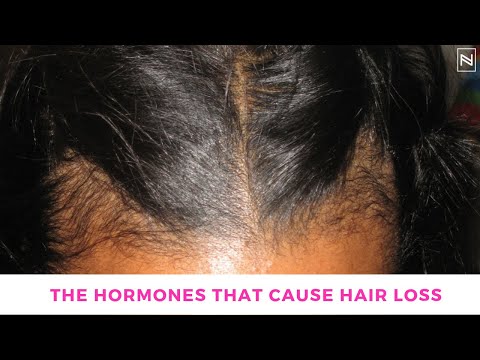
The Complex Connection Between Hormones and Hair Loss
“Hormonal imbalances can significantly impact hair health, leading to hair thinning or loss.”
Understanding the relationship between hormones and hair loss is essential for effectively addressing this common concern. Hormones like DHT and thyroid hormones disrupt the normal hair growth cycle, resulting in weakened hair strands and increased shedding.
By treating hormonal imbalances and restoring hormonal balance, it is possible to combat hair loss and promote healthy hair growth. Consulting with a healthcare professional or dermatologist is crucial for an accurate diagnosis and personalized treatment plan to address hormonal hair loss effectively.
| Treatment Options for Hormonal Hair Loss | Benefits |
|---|---|
| Hormone therapy (HRT) | – Balances hormonal levels – Reduces hair loss – Promotes new hair growth |
| Medications (spironolactone, finasteride) | – Blocks production of DHT – Minimizes impact on hair follicles |
| Lifestyle adjustments | – Regular exercise – Stress management – Balanced diet |
| Platelet-rich plasma (PRP) therapy | – Stimulates hair growth – Complements other treatment methods |
Addressing hair loss caused by hormonal imbalances may require a combination of these treatment options, tailored to individual needs and medical history. By targeting the root cause of hormonal hair loss, individuals can regain confidence and maintain healthy, vibrant hair.
Effective Treatments for Hormonal Hair Loss
When it comes to combating hormonal hair loss, there are several effective treatment options available. These treatments aim to address the underlying hormonal imbalances and promote hair growth. Let’s explore some of the most beneficial treatments for hormonal alopecia in both men and women.
Hormone Therapy
Hormone therapy, such as hormone replacement therapy (HRT), can be a highly effective treatment for women experiencing hair loss due to postpartum or menopause-related hormonal changes. By balancing hormonal levels, HRT can help reduce hair loss and stimulate new hair growth. It is important to consult with a healthcare professional or dermatologist to determine the most suitable hormone therapy option based on individual needs and medical history.
Medications
Medications play a crucial role in treating hormonal hair loss by blocking the production of specific hormones that contribute to hair loss. Two commonly prescribed medications for hormonal hair loss are spironolactone and finasteride. Spironolactone helps reduce the effects of male hormones, such as dihydrotestosterone (DHT), which can weaken hair follicles. Finasteride, primarily used for male hair loss, inhibits the conversion of testosterone into DHT, minimizing its impact on hair follicles. Your healthcare professional can recommend the most suitable medication based on your unique circumstances.
Lifestyle Adjustments
Adopting a healthy lifestyle can also contribute to hormonal balance and promote hair growth. Regular exercise helps regulate hormonal levels and improves overall blood circulation, ensuring a healthy scalp environment for hair follicles. Managing stress through relaxation techniques, such as yoga or meditation, can prevent hormonal fluctuations that contribute to hair loss. Additionally, maintaining a balanced diet rich in essential nutrients, including vitamins, minerals, and proteins, supports optimal hair health.
| Treatment | Description |
|---|---|
| Hormone Therapy | Uses hormone replacement therapy to balance hormonal levels and stimulate hair growth. |
| Medications | Prescribed medications like spironolactone and finasteride to block the production of hormones that contribute to hair loss. |
| Lifestyle Adjustments | Adopting a healthy lifestyle through regular exercise, stress management, and a balanced diet. |
| Platelet-Rich Plasma Therapy | Injection of platelet-rich plasma into the scalp to stimulate hair growth. |
Platelet-Rich Plasma (PRP) Therapy
Platelet-rich plasma (PRP) therapy is an innovative treatment option for hormonal hair loss. This therapy involves injecting the patient’s own platelet-rich plasma into the scalp, stimulating hair follicles and promoting hair growth. PRP therapy can be used alone or in combination with other treatments to achieve desired results. Consulting with a healthcare professional or dermatologist is vital to determine the most suitable treatment plan based on individual needs and medical history.
By utilizing a combination of hormone therapy, medications, lifestyle adjustments, and innovative treatments like PRP therapy, individuals can effectively combat hormonal hair loss. Remember, consulting with a healthcare professional or dermatologist is key to developing a personalized treatment plan that addresses your specific needs.

Hormones and Hair Loss: a Complex Connection
Hormonal imbalances can significantly impact hair health, leading to hair thinning or loss. Understanding the relationship between hormones and hair loss is crucial in identifying the underlying causes and finding effective solutions.
Hormones such as dihydrotestosterone (DHT) and thyroid hormones can disrupt the normal hair growth cycle and result in weakened hair strands and increased shedding. When hormonal imbalances occur, the hair follicles become more sensitive to DHT, causing them to shrink and produce thinner, shorter hair. The continuous exposure to DHT eventually leads to hair follicle miniaturization, resulting in permanent hair loss.
Addressing hormonal hair loss often requires a comprehensive approach. Hormone therapy, medications, lifestyle adjustments, and innovative treatments like platelet-rich plasma (PRP) therapy can be employed to restore hormonal balance and promote healthy hair growth. Hormone therapy, such as hormone replacement therapy (HRT), aims to regulate hormone levels, while medications like finasteride and spironolactone can help block the production of DHT.
Additionally, making lifestyle adjustments such as managing stress, maintaining a balanced diet, and engaging in regular exercise can support overall hormonal health. PRP therapy, which involves injecting the patient’s own platelet-rich plasma into the scalp, can stimulate hair follicle regeneration and complement other treatment methods.
To address hormonal hair loss effectively, it is crucial to consult with a healthcare professional or dermatologist. They can provide an accurate diagnosis, assess individual needs, and create a personalized treatment plan. By addressing hormonal imbalances and restoring hormonal balance, it is possible to combat hair loss and promote healthy hair growth.
FAQ
What are the causes of hair loss related to hormones?
Hormonal imbalances, such as androgenetic alopecia, thyroid disorders, and hormonal changes during pregnancy and menopause, can contribute to hair loss.
How do hormonal imbalances affect hair loss in men and women?
In men, elevated levels of dihydrotestosterone (DHT) can result in thinning and weaker hair strands. In women, hormonal changes during pregnancy, postpartum, and menopause can cause temporary or long-lasting hair thinning.
What treatment options are available for hormonal hair loss?
Hormone therapy like hormone replacement therapy (HRT), medications to block DHT production (such as spironolactone and finasteride), lifestyle adjustments, and platelet-rich plasma (PRP) therapy are common treatments for hormonal hair loss.
How can hormone therapy help with hair loss due to hormonal changes?
Hormone therapy aims to balance hormonal levels in women experiencing hair loss due to postpartum or menopause-related changes, reducing hair loss and promoting new hair growth.
Can lifestyle adjustments help with hormonal hair loss?
Yes, maintaining a balanced diet, managing stress levels, and regular exercise can support overall hormonal health and promote hair growth.
What is platelet-rich plasma (PRP) therapy, and how does it help with hormonal hair loss?
PRP therapy involves injecting the patient’s own platelet-rich plasma into the scalp, which stimulates hair growth and complements other treatment methods for hormonal hair loss.
How important is consulting with a healthcare professional or dermatologist for hormonal hair loss?
Consulting with a healthcare professional or dermatologist is essential for an accurate diagnosis and personalized treatment plan for effective management of hormonal hair loss.