
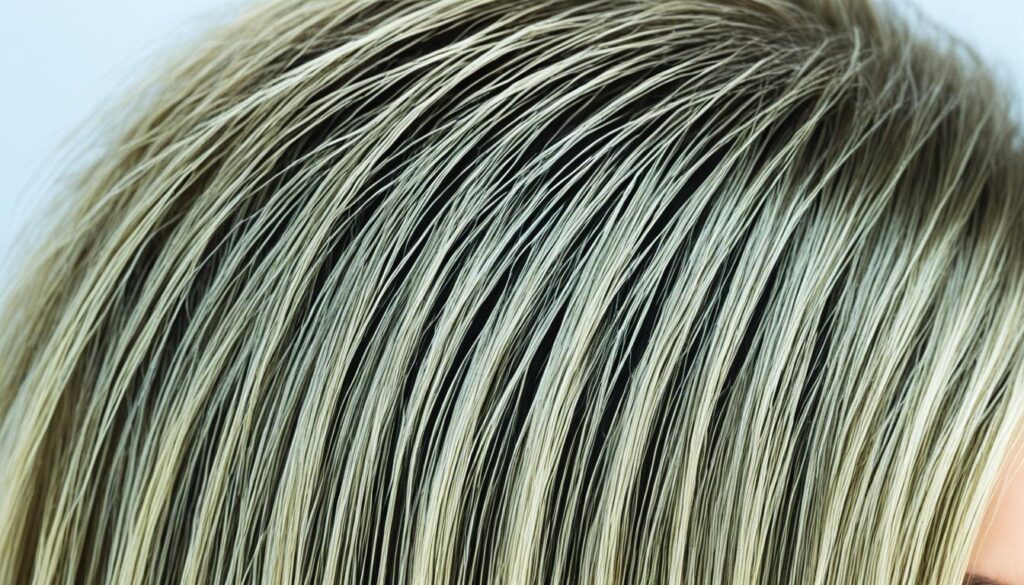
Hair loss in women can be a distressing experience, affecting their self-esteem and confidence. Thinning hair in females is a common concern that requires understanding the underlying causes in order to find effective solutions. From hormonal changes to genetics and lifestyle factors, there are various reasons why women may experience hair loss.
By delving deeper into the causes of female hair loss, we can gain valuable insight into treatments and remedies that can help restore hair health. Whether it’s female pattern baldness, hormonal fluctuations, medical conditions, stress, or lifestyle choices, each factor plays a role in the overall picture of hair loss in women.
In this article, we will explore the causes of female hair loss in detail and provide solutions that can empower women to take control of their hair health. By understanding the various treatment options available, women can make informed decisions about how to address their hair loss concerns and improve their overall well-being.
Key Takeaways:
- Female hair loss can have a significant impact on a woman’s self-esteem and confidence.
- Understanding the causes of female hair loss is crucial for finding effective solutions.
- Hormonal changes, medical conditions, genetics, stress, and lifestyle factors can contribute to hair loss in women.
- Treatment options for female hair loss include medications, laser therapy, and hair transplant surgery.
- Adopting a healthy lifestyle and managing stress can also help improve hair health.
Causes of Female Hair Loss
Female hair loss can be attributed to various causes, ranging from genetic factors to environmental and lifestyle influences. Understanding these underlying factors is crucial in addressing and managing hair loss in women effectively.
Female Pattern Baldness
Female pattern baldness, also known as androgenetic alopecia, is the most common cause of hair loss in women. This condition is often hereditary, with family history playing a significant role. Female pattern baldness typically follows a specific pattern, with hair thinning occurring predominantly at the crown and the top of the scalp.
Hormonal Changes
Hormonal changes can have a significant impact on hair health and contribute to hair loss in women. Fluctuations in hormone levels during menopause, pregnancy, and childbirth can disrupt the hair growth cycle, leading to increased shedding and thinning. Hormonal imbalances, such as those associated with polycystic ovary syndrome (PCOS), can also contribute to hair loss.
Medical Conditions
Certain medical conditions can cause hair loss in women. Conditions like thyroid disorders, autoimmune diseases (such as alopecia areata), and scalp infections can disrupt the normal functioning of hair follicles and result in hair loss. Additionally, undergoing medical treatments like chemotherapy or radiation therapy can cause temporary or permanent hair loss.
Stress
Excessive stress can impact hair health and contribute to hair loss in women. Stress can disrupt the normal hair growth cycle, leading to increased shedding and prolonged periods of hair loss. The effects of stress on the body can also contribute to hormonal imbalances, exacerbating hair loss in susceptible individuals.
Lifestyle Factors
Lifestyle choices can play a role in female hair loss. Poor nutrition, crash diets, and deficiencies in essential vitamins and minerals can compromise hair health. Additionally, excessive heat styling, frequent use of harsh hair products, and tight hairstyles that pull on the hair can cause damage and breakage, leading to hair loss.

Understanding the underlying causes of female hair loss is essential in developing effective treatment strategies. By addressing genetic factors, managing hormonal changes, addressing medical conditions, and implementing healthy lifestyle practices, women can take proactive steps towards maintaining and improving their hair health.
Solutions for Female Hair Loss
When it comes to female hair loss, there are several treatment options available. Whether you’re looking for remedies, solutions, or treatment options, we’ve got you covered. From medications to lifestyle changes, here’s a comprehensive guide to addressing female hair loss.
Medications
If you’re experiencing female pattern hair loss, FDA-approved medications like minoxidil (Rogaine) can help slow down hair loss and promote regrowth. Simply apply the topical solution to your scalp and let it work its magic. It’s important to note that these medications may take time to show visible results, so patience is key.
Corticosteroids
For individuals with hair loss caused by conditions like alopecia areata, corticosteroids may be prescribed. These anti-inflammatory drugs can help reduce inflammation and promote hair growth. They can be administered topically, orally, or through injections, depending on the severity of the condition.
Low-Level Laser Therapy
Low-level laser therapy is a non-invasive treatment option that uses red light wavelengths to stimulate hair growth. This therapy can be performed at professional clinics or even with handheld devices in the comfort of your own home. By increasing blood flow to the scalp and stimulating hair follicles, low-level laser therapy can help promote thicker and healthier hair.
Hair Transplant Surgery
In more severe cases of female hair loss, hair transplant surgery may be recommended. This surgical procedure involves taking hair follicles from a donor area and transplanting them into the thinning or balding areas of the scalp. It’s crucial to consult with a qualified surgeon to determine if you are a suitable candidate for this procedure.
Adopting a Healthy Lifestyle
While medical interventions are essential, adopting a healthy lifestyle can also contribute to improving overall hair health. Maintain a well-balanced diet rich in nutrients like vitamins A, C, E, and minerals such as iron and zinc. Additionally, managing stress levels and practicing gentle hair care routines can help prevent further damage and promote healthier hair growth.
| Treatment Option | Description |
|---|---|
| Medications (e.g., Minoxidil) | FDA-approved topical solution to slow down hair loss and promote regrowth. |
| Corticosteroids | Anti-inflammatory drugs used to treat hair loss caused by conditions like alopecia areata. |
| Low-Level Laser Therapy | Non-invasive treatment using red light wavelengths to stimulate hair growth. |
| Hair Transplant Surgery | Surgical procedure involving the transplantation of hair follicles from a donor area. |
Remember, finding the right treatment option for female hair loss may require a personalized approach. Consult with a trusted healthcare professional to explore the most suitable solutions for your specific needs.


Conclusion
Female hair loss is a common concern that can significantly affect a woman’s well-being. Whether it’s due to hormonal changes, medical conditions, or genetic predisposition, understanding the causes of hair loss in women is crucial for finding suitable treatment options. Fortunately, there are various ways to address female hair loss and improve hair health.
Seeking the guidance of medical professionals is an important step in managing female hair loss. Dermatologists and trichologists can provide expert advice and recommend appropriate treatments based on the underlying cause of hair loss. From FDA-approved medications like minoxidil to corticosteroids for specific conditions like alopecia areata, there are options available to slow down hair loss and promote regrowth.
In addition to professional guidance, making lifestyle changes can play a significant role in managing female hair loss. Maintaining a balanced diet rich in vitamins and minerals, managing stress levels, and adopting gentle hair care practices are all important for nurturing healthy hair. Taking care of oneself holistically can have a positive impact on overall hair health.
Remember, early intervention is key. The sooner hair loss is addressed, the better chances of successful treatment outcomes. If you are experiencing hair loss, don’t hesitate to reach out for help. With the right treatment options and care, you can effectively manage female hair loss and regain confidence in your hair.
FAQ
What are the causes of female hair loss?
Female hair loss can be caused by a variety of factors including female pattern baldness, hormonal changes, medical conditions, stress, and lifestyle factors.
What is female pattern baldness?
Female pattern baldness, also known as androgenetic alopecia, is the most common cause of female hair loss and is often inherited from family members.
How do hormonal changes contribute to hair loss in women?
Hormonal changes, such as those during menopause or pregnancy, can affect hair growth and contribute to hair loss in women.
Can medical conditions cause hair loss in women?
Yes, certain medical conditions can lead to hair loss in women. Examples include alopecia areata, thyroid disorders, and autoimmune diseases.
Is stress a factor in female hair loss?
Yes, high levels of stress can contribute to hair loss in women. It is important to manage stress effectively for overall hair health.
How do lifestyle factors impact female hair loss?
Factors such as diet, hair styling practices, and use of harsh chemicals on the hair can affect its health and lead to hair loss in women.
What are the treatment options for female hair loss?
Treatment options for female hair loss include medications like minoxidil (Rogaine), corticosteroids, low-level laser therapy, hair transplant surgery, and adopting a healthy lifestyle.
Can minoxidil help with female hair loss?
Yes, minoxidil is an FDA-approved medication that can help slow down hair loss and promote regrowth in women with female pattern hair loss.
What is low-level laser therapy?
Low-level laser therapy is a treatment option that uses red light to stimulate hair growth and improve hair density in individuals with hair loss.
How can I improve my hair health and prevent hair loss?
Adopting a healthy lifestyle, managing stress, using gentle hair care practices, and avoiding harsh chemicals can help improve overall hair health and reduce hair loss in women.