
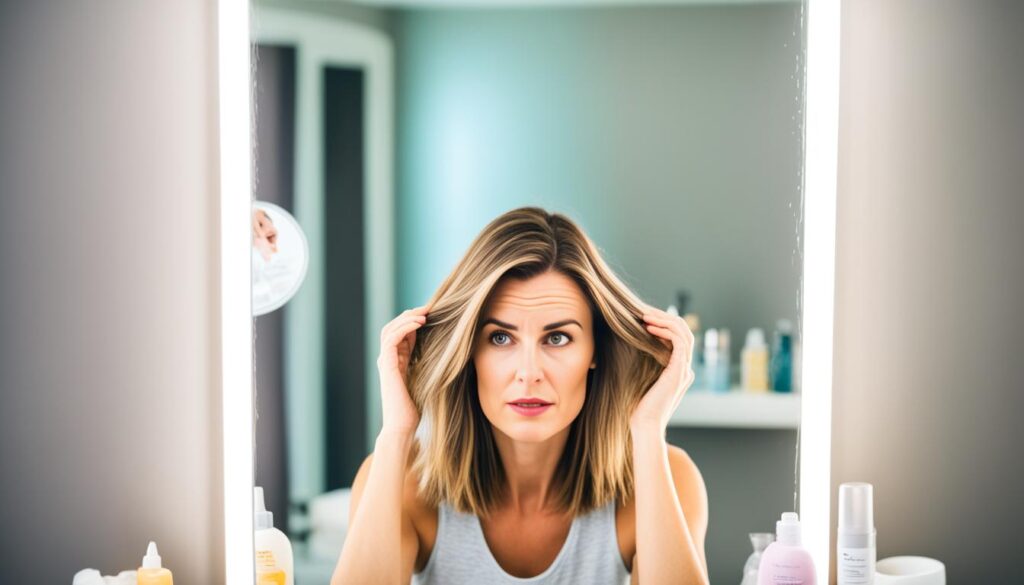
Welcome to our guide on postpartum hair thinning. If you’ve recently given birth, you may have noticed changes in your hair that are causing concern. Don’t worry, postpartum hair loss is a common occurrence that affects many new mothers. Understanding the causes and finding effective ways to manage and care for your hair during this temporary phase can help you navigate this experience with ease.
Key Takeaways:
- Postpartum hair loss is temporary and usually lasts up to a year.
- Maintaining good nutrition and adequate protein and iron intake can support hair health.
- Postpartum hair loss is a result of hormonal changes after giving birth.
- Consulting with a hairstylist and using appropriate hair products can help manage the effects of hair thinning.
- Be patient, as hair regrowth can take several months to a year.
Understanding Postpartum Hair Loss
Postpartum hair loss, also known as postpartum telogen effluvium, is a common occurrence that affects many women after pregnancy. It is not true hair loss, but rather the shedding of extra hair gained during pregnancy. This temporary phase typically begins around three months after delivery and can last up to a year.
During pregnancy, hormonal shifts in the body promote hair growth and prevent normal shedding, resulting in thicker and fuller hair. However, once the hormones return to their pre-pregnancy levels after childbirth, there is a drop in estrogen. This hormonal change triggers the shedding of the excess hair accumulated during pregnancy.
While postpartum hair loss can be distressing, it’s essential to remember that it is a temporary phase and a natural part of the postpartum journey. Hair may fall out all over the head or in clumps when brushed or washed. This shedding usually stabilizes on its own within three to six months postpartum.

Why Does Postpartum Hair Loss Occur?
Postpartum hair loss occurs due to the hormonal changes that take place during and after pregnancy. While pregnant, higher levels of estrogen prolong the hair growth phase, resulting in fuller hair. However, once estrogen levels decline after childbirth, the hairs that were meant to shed during pregnancy begin falling out.
This shedding is a normal part of the hair growth cycle and should not cause alarm. It is essential to understand that postpartum hair loss does not indicate any underlying health issues and does not require medical treatment.
| Causes of Postpartum Hair Loss | Duration of Postpartum Hair Loss |
|---|---|
| Hormonal changes after childbirth | Typically lasts 3-6 months postpartum |
| Normal hair growth cycle | May last up to a year |
| Lack of estrogen | Gradual return to normal hair growth |
While postpartum hair loss is unavoidable, there are ways to promote healthy hair regrowth and manage the effects of shedding. The next section will focus on remedies and tips to support postpartum hair care.
Causes of Postpartum Hair Loss
The primary cause of postpartum hair loss is the hormonal changes that occur after giving birth. The stress of childbirth and the rapid reduction in estrogen levels contribute to this hair loss. Factors such as blood and fluid loss during birth, sleep deprivation, and postpartum depression can also affect hair growth and contribute to increased shedding.
While it is not possible to prevent postpartum hair loss entirely, there are remedies and postpartum hair care tips that can help minimize the effects and support hair health:
1. Maintain a Balanced Diet:
Eating a nutritious diet rich in vitamins, minerals, and protein can promote hair health. Include foods like fruits, vegetables, whole grains, lean meats, and legumes in your meals to provide important nutrients for hair growth.
2. Stay Hydrated:
Drinking an adequate amount of water throughout the day helps keep the scalp and hair hydrated, which can prevent dryness and breakage.
3. Manage Stress:
High stress levels can worsen postpartum hair loss. Engage in stress-reducing activities such as yoga, meditation, or gentle exercises to promote overall well-being and support healthy hair growth.
4. Avoid Harsh Hair Treatments:
Avoid using hair products that contain harsh chemicals, excessive heat styling, and tight hairstyles, as they can further damage the hair and exacerbate shedding.
5. Take Hair Supplements:
Discuss with your healthcare provider the possibility of taking hair supplements that are specifically formulated for postpartum hair thinning. These supplements may contain ingredients such as biotin, vitamins, and minerals that can support hair growth and thickness.
Remember, postpartum hair loss is a temporary phase, and with proper care and patience, your hair will regain its normal thickness over time.

“Maintaining a healthy diet, staying hydrated, managing stress, avoiding harsh hair treatments, and considering hair supplements can help minimize postpartum hair loss and support healthy hair growth.”
Managing Postpartum Hair Loss
Postpartum hair loss is a natural process that many new mothers experience. While it can be disheartening to notice increased shedding and thinning of hair, there are several strategies to manage and minimize its effects.
Consulting with a Hairstylist
One effective approach is to consult with a hairstylist who specializes in postpartum hair care. They can provide valuable insights and recommendations for hairstyles that can help disguise thinning hair and promote fullness. A skilled hairstylist will understand the unique challenges of postpartum hair shedding and be able to suggest cuts, styles, and techniques that suit your hair type and preferences.
Using the Right Products
In addition to seeking professional advice, using the right hair products can make a noticeable difference in the appearance of postpartum hair. Volumizing shampoos and conditioners can create the illusion of thicker hair by adding body and lift. Look for products that are specifically formulated to enhance volume and promote hair health.
Exploring Different Hairstyles
Shorter hairstyles can help minimize the appearance of thinning hair, as shorter hair tends to look fuller and more voluminous. Layering techniques can add texture and movement, making the hair appear thicker. Another option is to experiment with hair coloring. Highlights or lowlights can create dimension and make the hair look fuller. However, it is essential to consult with a professional hairstylist when considering drastic color changes.
“A skilled hairstylist will understand the unique challenges of postpartum hair shedding and be able to suggest cuts, styles, and techniques that suit your hair type and preferences.”
By implementing these strategies, you can effectively manage the effects of postpartum hair loss and boost your confidence. Remember that postpartum hair shedding is a temporary phase and that your hair will gradually return to its normal thickness over time.
Caring for Postpartum Hair
Proper care is essential for managing postpartum hair and promoting healthy regrowth. Here are some important steps to consider:
Diet and Hydration
Maintaining a balanced and nutritious diet is crucial for supporting hair health. Ensure you are consuming enough vitamins, minerals, and proteins to nourish your hair follicles. Stay hydrated by drinking an adequate amount of water throughout the day.
Hairstyle Considerations
Avoid tight hairstyles that can stress your hair and exacerbate postpartum hair loss. Instead, opt for loose hairstyles that allow your hair to breathe and minimize breakage.
Using Volumizing Products
Give your hair a fuller appearance by using volumizing shampoos and conditioners. These products can help create the illusion of thickness and provide essential nutrients to your hair.
Supplements and Treatments
While biotin supplements may strengthen individual strands of hair, they are not proven to prevent or treat postpartum hair loss. Other treatments like minoxidil or platelet-rich plasma (PRP) injections may be recommended for chronic hair loss but have limited effectiveness for postpartum hair loss.
Patience Is Key
Remember that hair regrowth takes time and varies for each individual. Be patient and allow several months to a year for noticeable improvements in hair thickness and growth.
By following these care tips, you can nurture your postpartum hair and promote its healthy regrowth.
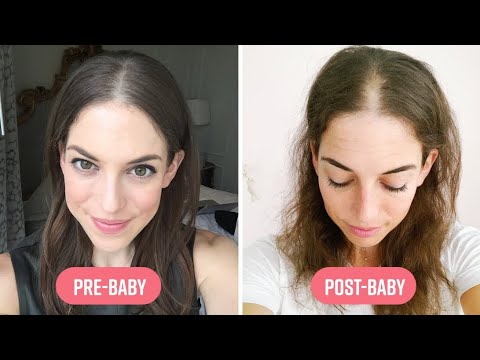
| Tips for Caring for Postpartum Hair |
|---|
| Maintain a balanced and nutritious diet |
| Avoid tight hairstyles that stress the hair |
| Use volumizing shampoos and conditioners |
| Be patient with hair regrowth process |
Styling Tips for Postpartum Hair
When it comes to styling postpartum hair, gentle care is key. Avoiding tight hairstyles is crucial to prevent additional stress on the already fragile hair follicles. Embracing natural hairstyles can help add volume and minimize the appearance of thinning.
Wearing your hair down or in loose ponytails can create a soft, effortless look while adding body to your hair. Additionally, incorporating layers or opting for asymmetrical cuts can give the illusion of fuller and thicker hair.
Accessories such as headbands, scarves, or wigs can be stylish ways to camouflage postpartum hair loss while providing easy styling options. They not only add a touch of flair to your overall look but also help maintain self-confidence throughout this transitioning phase.
Key Styling Tips:
- Choose gentle and loose hairstyles
- Opt for natural hairstyles like wearing hair down or in loose ponytails
- Add layers or try asymmetrical cuts to create the illusion of fullness
- Accessorize with headbands, scarves, or wigs for both style and easy maintenance
Remember, every mother’s postpartum hair journey is unique, and finding the right style that suits you is important. Experimenting with different hairstyles and seeking professional advice from hairstylists experienced in postpartum hair care can help you discover the perfect look while embracing your natural beauty.
Support and Resources for Postpartum Hair Loss
Coping with postpartum hair loss can be emotionally challenging, but it’s important to remember that it is a temporary phase. Seeking support from healthcare professionals, hairstylists, and other new parents can provide valuable guidance and reassurance. Online communities and forums dedicated to postpartum hair care can also be excellent resources for finding additional tips and support. Taking care of your overall well-being, both physically and emotionally, can help make the postpartum hair loss journey more manageable.
Expert Advice
Consulting with healthcare professionals who specialize in postpartum hair care can offer tailored advice and treatment options. They can assess your individual situation and provide personalized recommendations to promote postpartum hair restoration. Additionally, hairstylists experienced in postpartum hair care can suggest suitable hairstyles and products to help conceal hair thinning and enhance volume.
Community Support
Connecting with other new parents who have experienced postpartum hair loss can provide a sense of solidarity and support. Online communities and forums dedicated to postpartum hair care allow individuals to share their experiences, seek advice, and offer encouragement. Engaging with these communities can help alleviate feelings of isolation and provide valuable insights from others who have gone through a similar journey.
“Remember, you are not alone in your postpartum hair loss journey. Reach out, ask questions, and find comfort in the shared experiences of others.”
Self-Care and Emotional Well-being
Managing postpartum hair loss involves taking care of your overall well-being, both physically and emotionally. Engaging in self-care activities, such as adopting a healthy diet, getting enough rest, and practicing stress-reducing techniques like yoga or meditation, can support your hair’s natural growth cycle. Prioritizing your emotional well-being by seeking therapy or joining support groups can also help navigate the emotional challenges associated with postpartum hair loss.
Remember, postpartum hair loss is a temporary phase, and with the right support and self-care, you can restore your hair’s health and confidence.
Conclusion
Postpartum hair loss is a normal process that occurs due to hormonal changes after giving birth. It can be distressing to experience hair shedding, but rest assured, it is temporary. In most cases, women will see their hair return to its normal thickness within six to 12 months postpartum.
While there is no foolproof way to prevent postpartum hair loss, there are steps you can take to manage the effects and promote hair regrowth. First and foremost, maintaining a healthy lifestyle is crucial. Be sure to nourish your body with a balanced diet rich in vitamins, minerals, and protein.
Seeking professional advice can also be helpful. Consult with a hairstylist experienced in postpartum hair care for personalized recommendations and styling tips. Remember, patience is key. It takes time for hair to regrow, so be kind to yourself during this period and embrace the beauty of your journey to motherhood.
FAQ
What is postpartum hair loss?
Postpartum hair loss is the shedding of excess hair that occurs after giving birth. It is a temporary condition caused by hormonal changes in the body.
How long does postpartum hair loss last?
Postpartum hair loss typically begins around three months after delivery and can last up to a year. However, most women will see their hair return to its normal thickness within six to 12 months postpartum.
Can postpartum hair loss be prevented?
While postpartum hair loss cannot be completely prevented, maintaining a healthy diet, ensuring adequate protein and iron intake, and taking care of overall well-being can support hair health.
What causes postpartum hair loss?
Postpartum hair loss is primarily caused by hormonal changes after childbirth. The stress of childbirth, the rapid reduction in estrogen levels, blood and fluid loss during birth, sleep deprivation, and postpartum depression can also contribute to increased hair shedding.
How can postpartum hair loss be managed?
Managing postpartum hair loss includes consulting with a hairstylist experienced in postpartum hair care for recommendations on hairstyles that can help disguise thinning hair, using volumizing shampoos and conditioners, and being patient as hair regrowth can take several months to a year.
What are some tips for caring for postpartum hair?
Taking care of postpartum hair involves maintaining a balanced and nutritious diet, staying hydrated, avoiding tight hairstyles that can stress the hair, using gentle styling techniques, and considering short hairstyles, layering techniques, and coloring to enhance the appearance of fullness.
How can I style postpartum hair to minimize the appearance of thinning?
Gentle styling techniques, embracing natural hairstyles, such as wearing hair down or in loose ponytails, adding layers or trying asymmetrical cuts, and incorporating accessories like headbands, scarves, or wigs can help minimize the appearance of postpartum hair loss.
Where can I find support and resources for postpartum hair loss?
Seeking support from healthcare professionals, hairstylists, and other new parents, as well as participating in online communities and forums dedicated to postpartum hair care, can provide valuable guidance, tips, and emotional support during this temporary phase.