

Did you know that during pregnancy, nearly 90% of women experience changes in their hair growth? It’s true! The hormonal fluctuations that occur during pregnancy can have a significant impact on the health and appearance of your hair. Some women may notice their hair becoming thicker and more lustrous, while others may experience thinning or increased shedding. If you’re an expectant mother looking to promote stronger hair growth during this special time, we’ve got you covered.
- During pregnancy, hormonal changes can affect hair growth and texture.
- Maintaining a healthy diet and using natural hair care methods can promote stronger hair growth.
- Avoiding harsh chemicals and excessive heat styling is important for maintaining hair health during pregnancy.
- Postpartum hair loss is a common occurrence but usually resolves within 6 months.
- Consult with your healthcare provider for personalized advice and recommendations.
Foods to Include in Your Diet for Baby’s Hair Growth
Consuming the right foods during pregnancy is essential for the growth and development of your baby, and this includes their hair. By incorporating certain foods into your diet, you can promote healthy hair growth for your little one. These foods are rich in nutrients that play a vital role in supporting hair health and growth in the womb.
1. Eggs
Eggs are an excellent source of protein, biotin, and vitamins B12 and D, all of which are essential for hair growth. Biotin, in particular, is known for its ability to improve hair strength and promote growth.
2. Fish (with caution)
Fish, such as salmon and sardines, are packed with omega-3 fatty acids, which are crucial for scalp health and hair growth. However, it’s important to consume fish with caution during pregnancy due to the potential mercury content. Consult with your healthcare provider to determine which fish varieties are safe to include in your diet.
3. Nuts
Nuts, such as almonds and walnuts, are rich in omega-3 fatty acids, vitamin E, and biotin. These nutrients are essential for promoting healthy hair growth and maintaining scalp health.
4. Avocado
Avocado is a fantastic source of healthy fats, vitamins B and E, and antioxidants, all of which contribute to hair growth and overall hair health. Including avocado in your diet can provide nourishment to your baby’s developing hair follicles.
By incorporating these hair-boosting foods into your diet, you can provide your baby with the essential nutrients needed for strong and healthy hair growth in the womb. Remember to consult with your healthcare provider for personalized dietary recommendations and to ensure the safety of the foods you consume during pregnancy.
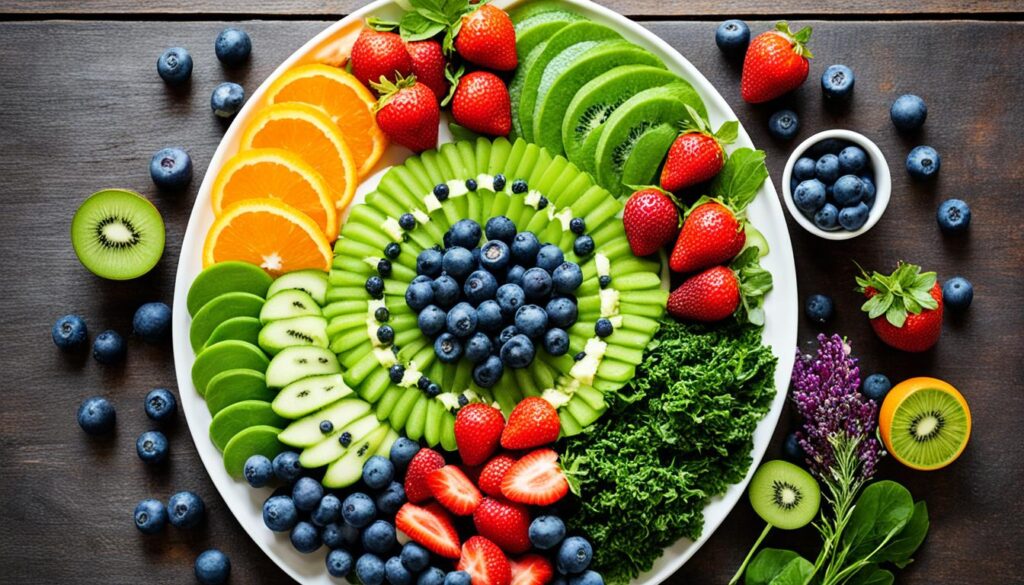

“Consuming the right foods during pregnancy is essential for the growth and development of your baby, and this includes their hair.”
Hair Care Tips During Pregnancy
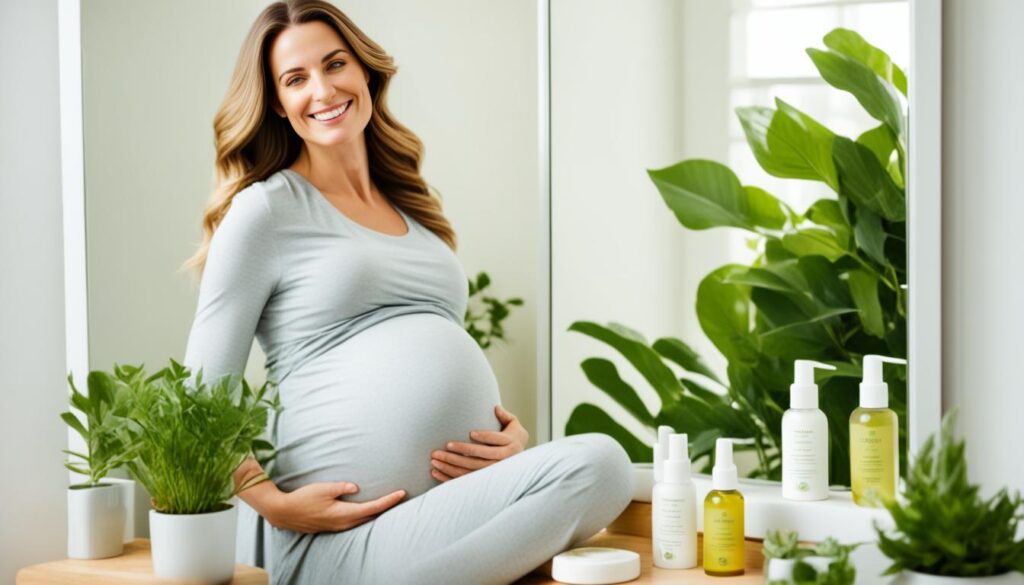
Pregnancy is a transformative time that can bring about changes in hair texture and health. To maintain the health of your hair during this special period, it’s important to follow certain hair care tips tailored to the needs of pregnant women.
1. Regular Scalp Massages
Gently massaging your scalp not only promotes blood circulation but also helps in keeping your hair follicles healthy. Use your fingertips to massage your scalp in circular motions for a few minutes each day. This simple technique can stimulate hair growth and prevent hair loss.
2. Warm Oil Treatments
Applying warm oil to your hair and scalp provides nourishment and hydration, making it an effective way to maintain hair health during pregnancy. Coconut oil, olive oil, and almond oil are popular choices for warm oil treatments. Massage the oil into your scalp, cover it with a shower cap, and leave it on for at least one hour before shampooing.
3. Regular Trims
Trimming your hair regularly helps prevent split ends and breakage, which can be more common during pregnancy. By snipping off any damaged or dry ends, you’ll be aiding in keeping your hair healthy and promoting growth.
4. Gentle Shampoos
Opt for mild, sulfate-free shampoos that are gentle on your scalp and hair. Harsh chemicals found in some shampoos can strip away natural oils and cause further damage to your hair. Look for products specifically formulated for pregnant women or those marked as gentle and recommend for daily use.
5. Avoid Harsh Chemicals and Hair Dyes
During pregnancy, it’s best to avoid using harsh chemicals and hair dyes as they may be absorbed through the scalp and potentially harm the developing baby. Instead, consider natural alternatives or consult with a professional hairstylist who specializes in pregnancy-safe hair color options.
“By implementing these hair care tips during pregnancy, you can keep your hair healthy and minimize any potential damage or hair loss.”
Remember, maintaining hair health during pregnancy is about embracing a gentle and nurturing approach. By incorporating regular scalp massages, warm oil treatments, regular trims, gentle shampoos, and avoiding harsh chemicals, you can care for your hair with confidence and maintain its natural beauty throughout your pregnancy journey.
| Hair Care Tips During Pregnancy | Benefits |
|---|---|
| Regular scalp massages | Stimulate hair growth and prevent hair loss. |
| Warm oil treatments | Nourish and hydrate the hair and scalp. |
| Regular trims | Prevent split ends and breakage. |
| Gentle shampoos | Maintain scalp and hair health without stripping natural oils. |
| Avoiding harsh chemicals and hair dyes | Minimize potential harm to the developing baby. |
Implementing these hair care tips during pregnancy will help you maintain the health and vitality of your hair, ensuring it remains beautiful throughout this transformative journey.
Postpartum Hair Loss and Recovery
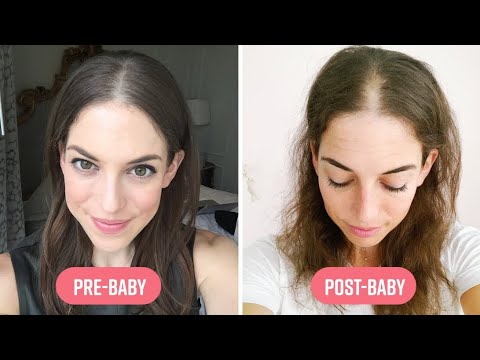
After giving birth, many women experience postpartum hair loss, also known as telogen effluvium. This occurs due to hormonal changes and can result in increased hair shedding. However, it is important to note that this hair loss is temporary and usually resolves on its own within 6 months.
To support hair recovery after childbirth, there are several steps you can take:
- Switch to volumizing shampoos: These shampoos can help create the appearance of fuller hair and add body and volume to thinning hair.
- Avoid intensive conditioners: Heavy conditioners can weigh down the hair and make it look flat. Opt for lighter options that won’t weigh your hair down.
- Apply conditioner to the ends of the hair: Concentrate conditioner application on the ends of your hair rather than the roots to prevent excess oiliness and flatness.
- Try new hairstyles: Experimenting with different hairstyles can help create the illusion of thicker hair. Consider opting for layered cuts or hairstyles with added volume.
Additionally, there are other factors that can contribute to hair recovery after childbirth:
- Maintain a healthy diet: Consuming a balanced diet rich in vitamins, minerals, and proteins can support overall hair health and promote hair growth. Include foods like lean proteins, fruits, vegetables, and whole grains in your diet.
- Take nutritional supplements: Consult with your healthcare provider about the possibility of taking supplements that support hair growth, such as biotin or prenatal vitamins.
- Practice stress management: High stress levels can contribute to hair loss. Engaging in stress-reducing activities like yoga, meditation, or regular exercise can help promote hair recovery.
By following these recommendations, you can support your hair’s recovery and promote healthy hair growth after childbirth.
| Postpartum Hair Loss | Recommendations for Hair Recovery |
|---|---|
| Occurs due to hormonal changes | Switch to volumizing shampoos |
| Temporary and resolves within 6 months | Avoid intensive conditioners |
| Increased hair shedding | Apply conditioner to the ends of the hair |
| Try new hairstyles that create the illusion of fuller hair | |
| Maintain a healthy diet and take nutritional supplements | |
| Practice stress management |
Hair Masks for Hair Care During Pregnancy
In addition to regular hair care practices, using natural hair masks can provide added nourishment and promote hair health during pregnancy. These DIY hair masks are safe to use and can help address common hair concerns that may arise during pregnancy, such as dryness, brittleness, and hair loss.
Fenugreek Seed Paste
One effective DIY hair mask for pregnancy is a fenugreek seed paste. Fenugreek seeds are known for their high protein and nutrient content, which can help strengthen the hair and promote growth. To make the paste, soak fenugreek seeds overnight and grind them into a smooth paste the next day. Apply the paste to your scalp and hair, leaving it on for about 30 minutes before rinsing off with water.
Amla Powder with Shikakai and Reetha
Another beneficial hair mask can be made using amla (gooseberry) powder, shikakai, and reetha. Amla powder is rich in vitamin C and antioxidants, which can help nourish the hair follicles and stimulate growth. Shikakai and reetha are natural cleansers that can remove dirt and excess oil from the scalp without stripping away natural oils. Mix equal parts of amla powder, shikakai, and reetha powder, add some water to form a paste, and apply it to your hair and scalp. Leave it on for 30 minutes before rinsing thoroughly.
Neem-Infused Coconut Oil
Neem-infused coconut oil is another effective hair mask for pregnancy. Neem has antifungal and antibacterial properties that can help address scalp infections and promote a healthy environment for hair growth. Coconut oil is known for its moisturizing properties and can help nourish the hair and reduce frizz. To create this hair mask, heat some coconut oil and add dried neem leaves. Allow the neem leaves to infuse in the oil for several hours or overnight. Then, strain the oil and apply it to your scalp and hair. Leave it on overnight for maximum benefits and wash it off the next morning.
While these natural hair masks can provide nourishment and promote hair health during pregnancy, it is always important to consult with your healthcare provider before trying any new remedies. They can provide personalized advice and ensure that the ingredients are safe for you and your baby.
Using these natural hair masks, you can keep your hair strong, healthy, and vibrant during pregnancy. Incorporate them into your hair care routine along with other tips mentioned in this article for optimal results.
Conclusion
During pregnancy, hormonal changes can have a significant impact on hair growth and texture. However, by following the hair care tips mentioned above, expectant mothers can support stronger hair growth and maintain healthy hair during this special time.
One key aspect of promoting stronger hair growth in pregnancy is maintaining a balanced diet. Consuming foods rich in essential nutrients, such as omega-3 fatty acids, vitamins B and E, and proteins, can provide the building blocks necessary for healthy hair growth. Additionally, using gentle and natural hair care practices, such as regular scalp massages, warm oil treatments, and mild shampoos, can help minimize damage and keep hair vibrant.
It is important for expectant mothers to avoid harsh chemicals and hair dyes, as these can cause further damage and weaken the hair. While postpartum hair loss is a common occurrence after giving birth, it typically resolves on its own within 6 months. However, switching to volumizing shampoos, avoiding intensive conditioners, and experimenting with new hairstyles can help create the illusion of fuller hair during the recovery period.
Remember, every pregnancy is unique, and it is always advisable to consult with your healthcare provider for personalized advice and recommendations on maintaining hair health during pregnancy and postpartum. By taking care of your hair and following these tips, you can nurture stronger hair growth and enjoy healthy, beautiful locks throughout your pregnancy journey.
FAQ
What are some tips for promoting stronger hair growth during pregnancy?
Some tips for promoting stronger hair growth during pregnancy include maintaining a healthy diet, using natural hair care methods, and avoiding harsh chemicals.
Are there any foods that can help promote hair growth during pregnancy?
Yes, some foods that are beneficial for promoting hair growth during pregnancy include eggs, fish (with caution), nuts, and avocado. These foods are rich in essential nutrients such as omega-3 fatty acids, vitamins B and E, and proteins that support healthy hair growth in the womb.
What hair care tips should I follow during pregnancy?
To maintain the health of your hair during pregnancy, it is important to follow certain hair care tips. These include regular scalp massages, using warm oil treatments, trimming your hair regularly, using mild shampoos, and avoiding harsh chemicals and hair dyes.
Will I experience hair loss after giving birth?
Yes, many women experience postpartum hair loss, also known as telogen effluvium, after giving birth. This occurs due to hormonal changes and can result in increased hair shedding. However, this hair loss is temporary and usually resolves on its own within 6 months.
What can I do to support hair recovery after childbirth?
To support hair recovery after childbirth, it is recommended to switch to volumizing shampoos, avoid intensive conditioners, apply conditioner to the ends of the hair, and consider trying new hairstyles that create the illusion of fuller hair. Additionally, maintaining a healthy diet, taking nutritional supplements, and practicing stress management can help promote hair growth and recovery.
Are there any natural hair masks that are safe to use during pregnancy?
Yes, there are several natural hair masks that can provide added nourishment and promote hair health during pregnancy. Some safe DIY hair masks include fenugreek seed paste, amla (gooseberry) powder with shikakai and reetha, and neem-infused coconut oil. However, it is important to consult with your healthcare provider before trying any new remedies during pregnancy.
How can hormonal changes affect hair growth during pregnancy?
Hormonal changes during pregnancy can affect hair growth and texture. By following the tips mentioned above, expectant mothers can support stronger hair growth and maintain healthy hair during this special time. It is important to maintain a balanced diet, use gentle hair care practices, and avoid harsh chemicals. While postpartum hair loss is a common occurrence, it typically resolves on its own within 6 months.
Is there anything else I should know about maintaining hair health during pregnancy and postpartum?
Remember to consult with your healthcare provider for personalized advice and recommendations for maintaining hair health during pregnancy and postpartum.