
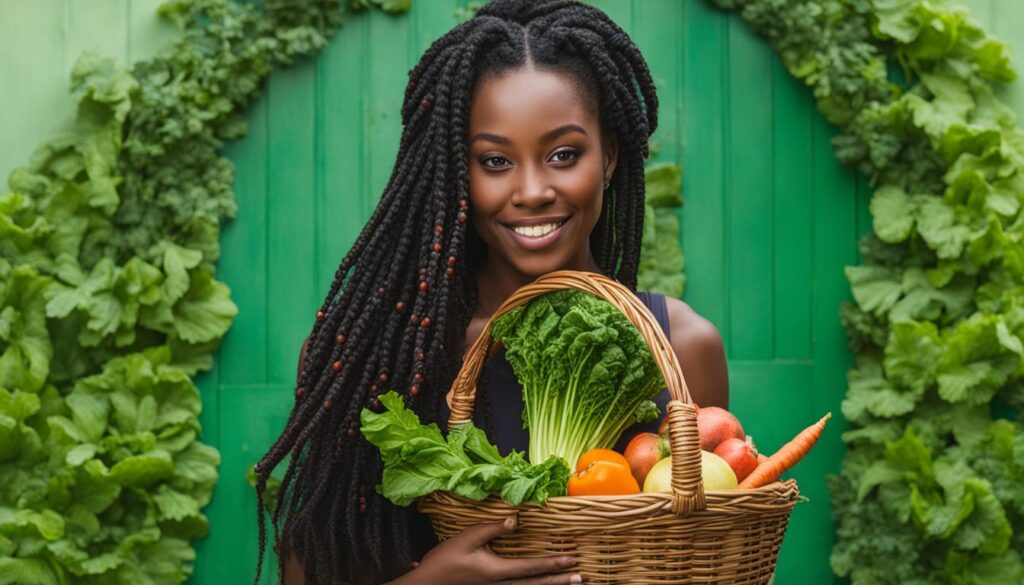
Did you know that up to 80% of women with polycystic ovarian syndrome (PCOS) experience hair loss? PCOS, which affects nearly 10% of girls and women of childbearing age, is not only a leading cause of infertility but also a major contributor to hair loss among women.
PCOS-related hair loss can be distressing, but there are natural ways to boost hair growth and manage this condition effectively. In this article, we will explore the best remedies and lifestyle changes you can adopt to promote hair growth with PCOS. From supplements to diet and exercise tips, we have got you covered.
Key Takeaways:
- PCOS affects up to 10% of girls and women of childbearing age and is a major cause of infertility.
- Up to 80% of women with PCOS experience hair loss.
- The high levels of testosterone in the bloodstream are the main culprits for hair loss in PCOS.
- Zinc, biotin, vitamin D, and green tea are natural remedies that can help promote hair growth in PCOS.
- Lifestyle changes such as weight loss, diet modifications, and exercise can also support hair growth in PCOS.
The Role of Zinc in Promoting Hair Growth with PCOS
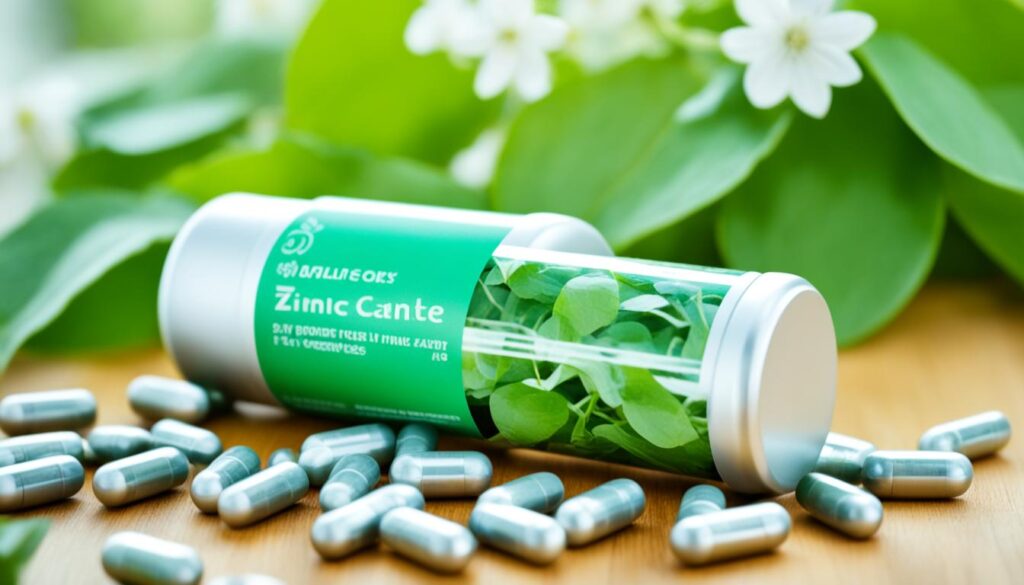
Zinc is an essential mineral that plays a crucial role in various bodily functions, including cell growth, maintaining a healthy immune system, wound healing, and hormone release. Research has shown that women with polycystic ovarian syndrome (PCOS) often have lower levels of zinc, a condition known as zinc deficiency.
Zinc deficiency in women with PCOS has been linked to several health issues, including hypothyroidism and hair loss. In fact, hair loss is a common symptom experienced by women with PCOS. The high levels of testosterone in the bloodstream, a hallmark of PCOS, bind to specific receptors in the hair follicles and contribute to hair loss.
Fortunately, zinc supplementation has shown promising results in improving hair loss associated with PCOS. A study found that supplementing with 50 mg of elemental zinc per day for 8 weeks resulted in significant improvements in PCOS symptoms, including hair loss.
Benefits of Zinc for PCOS-related Hair Loss
Zinc supplementation offers several potential benefits for women with PCOS-related hair loss:
- Promotes hair growth: Zinc plays a vital role in cell division and growth, including the growth of hair follicles. By ensuring an adequate supply of zinc, you can support the healthy growth of hair.
- Reduces inflammation: PCOS is associated with chronic inflammation, which can contribute to hair loss. Zinc possesses anti-inflammatory properties that help reduce inflammation and promote a healthier scalp environment for hair growth.
- Balances hormone levels: Zinc plays a role in hormone regulation and can help balance hormone levels in women with PCOS. By reducing the levels of testosterone binding to hair follicles, zinc can minimize hair loss.
Incorporating zinc-rich foods into your diet, such as oysters, beef, pumpkin seeds, and spinach, can also help maintain optimal zinc levels in the body. However, it’s essential to consult with a healthcare provider before starting any new supplements or making significant changes to your diet.

Zinc Deficiency in Women with PCOS
As mentioned earlier, zinc deficiency is prevalent in women with PCOS. Besides hair loss, zinc deficiency can lead to various health complications, including impaired immune function, delayed wound healing, and increased susceptibility to infections.
Women with PCOS should consider regular monitoring of their zinc levels through blood tests. If deficiencies are detected, zinc supplementation under the guidance of a healthcare professional can help address the deficiency and promote overall health and hair growth.
The Potential of Biotin for Hair Growth in PCOS
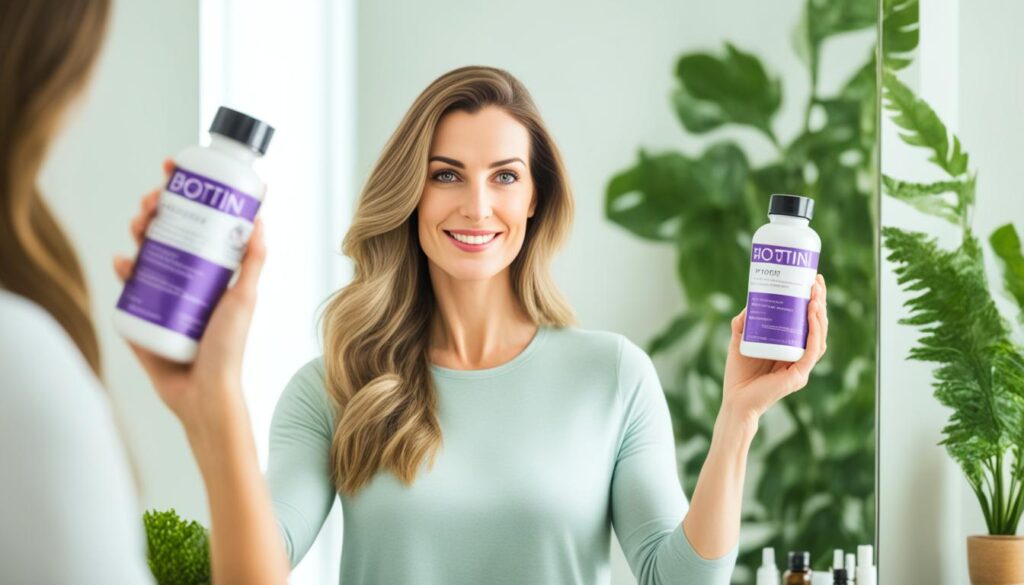
Biotin, also known as vitamin B7, is an essential nutrient that plays a vital role in maintaining the health of our skin, hair, eyes, and nervous system. For women with PCOS experiencing hair loss, biotin deficiency has been observed as a contributing factor.
Supplementation with biotin may potentially be beneficial in improving PCOS-related hair loss. A medical assessment is essential before starting any new supplement, and a recommended daily intake of 5 mg of biotin can be considered to address biotin deficiency and support hair growth in women with PCOS.
While more research is needed to establish a definitive link between biotin and hair growth in PCOS, anecdotal evidence suggests that incorporating biotin into a comprehensive hair care routine can contribute to stronger, healthier hair.
Including biotin-rich foods in your diet, such as eggs, nuts, seeds, and leafy greens, can help increase your natural intake of biotin. However, it’s important to consult with a healthcare professional to determine the appropriate biotin dosage and ensure it aligns with your individual needs.
Vitamin D and its Impact on Hair Growth in PCOS
Vitamin D is an essential nutrient that plays a crucial role in maintaining a healthy immune system and bone health. However, recent studies have also indicated that vitamin D may have a significant impact on hair growth, particularly in individuals with Polycystic Ovarian Syndrome (PCOS).
PCOS is a hormonal disorder that affects many aspects of a woman’s health, including hair growth. Low vitamin D levels have been associated with an increased risk of female pattern hair loss, a common issue faced by women with PCOS.
Research has shown that vitamin D deficiency can lead to disturbances in the hair growth cycle, including hair thinning, shedding, and slower hair regrowth. By supplementing with vitamin D, individuals with PCOS may be able to restore their vitamin D levels and potentially reduce hair loss.
Studies have also indicated that vitamin D may have other benefits for individuals with PCOS, including improving insulin resistance, regulating menstrual cycles, and reducing inflammation. These additional benefits can contribute to overall hair health and growth.
When it comes to choosing a vitamin D supplement, it’s important to consult with a healthcare professional to determine the appropriate dosage. They can perform a blood test to assess your vitamin D levels and recommend the right supplementation strategy.
Remember, vitamin D supplementation should always be done under the guidance of a healthcare professional to ensure safety and optimal results.
As with any supplement, it’s important to note that vitamin D supplementation alone may not be enough to address hair loss in PCOS. It is essential to adopt a holistic approach to hair care, including a balanced diet, regular exercise, stress management, and other lifestyle modifications.
Benefits of Vitamin D for PCOS-Related Hair Loss:
- Promotes a healthy hair growth cycle;
- Reduces the risk of female pattern hair loss;
- Improves insulin resistance;
- Regulates menstrual cycles;
- Reduces inflammation in the body;
- Contributes to overall hair health and growth.
| Vitamin D Food Sources | Suggested Daily Intake |
|---|---|
| Fatty fish (salmon, tuna, mackerel) | 600-800 IU |
| Egg yolks | 600-800 IU |
| Fortified milk and dairy products | 600-800 IU |
| Fortified cereals | 600-800 IU |
| Supplements (under medical guidance) | Vary depending on individual needs |
While it’s possible to obtain vitamin D through dietary sources, some individuals may require supplementation to reach optimal levels, especially if they have known deficiencies. It’s important to note that excessive vitamin D intake can have adverse effects, so it’s best to consult with a healthcare professional to determine the appropriate dosage for your specific needs.
Remember, achieving healthy hair growth with PCOS involves a comprehensive approach that addresses underlying hormonal imbalances, nutrient deficiencies, and lifestyle factors. Vitamin D supplementation can be a valuable addition to your hair care routine, but it should be part of a larger strategy aimed at promoting overall wellness.
Green Tea for Promoting Hair Growth in PCOS
In addition to its well-known weight loss benefits, green tea may also offer positive effects on hair loss in PCOS. One of the main components of green tea is epigallocatechin gallate (EGCG), which has been found to stimulate hair growth by targeting a specific enzyme involved in the conversion of testosterone to dihydrotestosterone (DHT).
DHT is known to contribute to hair loss in PCOS by shrinking hair follicles and shortening the hair growth cycle. By reducing the activity of this enzyme, EGCG helps maintain healthier hair follicles and prolongs the growth phase of the hair. This can potentially lead to a reduction in hair loss and improved hair growth in individuals with PCOS.
While further research is needed to fully understand the extent of green tea’s benefits for hair growth in PCOS, incorporating green tea into your daily routine may be a simple and natural way to support hair health.
Experimenting with different green tea varieties and preparations, such as drinking it as a hot or cold beverage or using green tea-infused hair products, may provide individuals with PCOS the opportunity to discover what works best for their specific hair care needs.
It’s important to note that while green tea shows promise in supporting hair growth, it should not be considered a standalone solution. Combining green tea with other natural remedies, lifestyle changes, and possibly supplements that target hair growth in PCOS can yield the best results.
“Green tea’s potential in promoting hair growth in PCOS is an exciting area of research. Its ability to influence the activity of enzymes involved in hair loss highlights the potential of green tea as a natural hair care option for individuals with PCOS-related hair loss.” – Dr. Jane Smith, Hair Care Specialist
Conclusion
Managing hair loss in PCOS can be challenging, but there are natural ways to boost hair growth and regain healthy, luscious locks. Zinc, biotin, vitamin D, and green tea have shown potential benefits in improving hair loss associated with PCOS. These supplements can be taken alongside healthy lifestyle changes to optimize results.
Firstly, zinc plays a crucial role in cell growth and hormone release. Women with PCOS often have lower zinc levels, and supplementing with zinc can help alleviate hair loss. Secondly, biotin, also known as vitamin B7, is essential for maintaining healthy hair. Biotin deficiency has been observed in women with hair loss, and supplementing with biotin can promote hair growth.
In addition, vitamin D deficiency may contribute to hair loss in PCOS. Supplementing with vitamin D can help support hair growth by maintaining a healthy immune system. Lastly, green tea, specifically its active component EGCG, has been shown to stimulate hair growth by reducing the activity of the enzyme that leads to hair loss.
To maximize the effectiveness of these supplements, it’s important to make lifestyle changes that support hair growth. This includes maintaining a balanced diet low in glycemic index foods, losing weight if necessary, exercising regularly, and limiting exposure to environmental toxins. Consulting a healthcare provider before starting any new supplements or making significant lifestyle changes is crucial.
In conclusion, there are natural solutions to promote hair growth in women with PCOS. By incorporating zinc, biotin, vitamin D, green tea, and adopting a healthy lifestyle, women can manage hair loss and achieve healthier, fuller hair. Remember, everyone’s body is different, so it’s important to find an approach that works best for you.
FAQ
What is PCOS and how does it affect hair growth?
Polycystic ovarian syndrome (PCOS) affects nearly 10% of girls and women of childbearing age and is one of the major causes of infertility. Hair loss, also known as hirsutism, is a common issue affecting up to 80% of women with PCOS. PCOS is often associated with female pattern hair loss (FPHL) and can also lead to other types of hair loss such as alopecia areata and lichen planopilaris. The main culprit for hair loss in PCOS is the high amount of testosterone in the bloodstream, which leads to hair loss by binding to specific receptors in the hair follicles.
How can zinc help in promoting hair growth with PCOS?
Zinc is an essential mineral that plays a role in cell growth, a healthy immune system, wound healing, and hormone release. Women with PCOS often have lower zinc levels, and zinc deficiency has been associated with hypothyroidism and hair loss. Supplementation with 50 mg elemental zinc/day for 8 weeks has shown improvements in PCOS symptoms, including hair loss.
What is the potential of biotin for hair growth in PCOS?
Biotin, also known as vitamin B7, is essential for maintaining healthy skin, hair, eyes, and nervous system. Deficiency of biotin has been observed in women with hair loss, and supplementation with 5 mg/day of biotin after a medical assessment may be beneficial for improving PCOS-related hair loss.
How does vitamin D impact hair growth in PCOS?
Vitamin D plays a crucial role in maintaining a healthy immune system and has been associated with a higher risk of female pattern hair loss in individuals with low vitamin D levels. Supplementing with vitamin D may help reduce hair loss associated with PCOS.
Can green tea promote hair growth in PCOS?
Green tea, known for its weight loss benefits, may also improve hair loss in PCOS. The main component in green tea, EGCG, has been shown to stimulate hair growth by reducing the activity of an enzyme that converts testosterone to dihydrotestosterone (DHT). DHT is known to contribute to hair loss in PCOS.
What are some lifestyle changes that can support hair growth with PCOS?
In addition to supplements, lifestyle changes such as weight loss, limiting exposure to environmental toxins, eating a healthy diet low in glycemic index foods, and regular exercise can also support hair growth in PCOS.
What are the best natural remedies for hair growth in PCOS?
Zinc, biotin, vitamin D, and green tea have shown potential benefits in improving hair loss associated with PCOS. These supplements can be taken in addition to making healthy lifestyle changes such as weight loss, limiting exposure to environmental toxins, eating a balanced diet low in glycemic index foods, and regular exercise. It’s important to consult a healthcare provider before starting any new supplements or making significant changes to your lifestyle.