

Did you know that heat damage is one of the leading causes of hair loss and decreased hair density? The excessive use of heat styling tools such as straighteners, curling irons, and blow dryers can damage the hair shaft, weaken the follicles, and hinder healthy hair growth.
Heat damage can leave your hair dry, brittle, and prone to breakage, resulting in a noticeable reduction in hair density and volume. But don’t fret! With the right hair care routine and restoration techniques, you can recover your hair density and promote regrowth, even after heat damage.
Key Takeaways:
- Heat damage can lead to decreased hair density and hair loss.
- Avoid excessive use of heat styling tools to prevent further damage.
- Switch to a hydrating hair care routine and use sulfate-free, moisturizing products.
- Apply deep conditioning treatments and use heat protectants to restore and protect your hair.
- Choose hair care products containing nourishing ingredients like goat milk, Tucuma butter, Broccoli oil, and ceramides.
Understanding Hair Damage: Causes and Types
Hair damage can be caused by various factors, including excessive heat styling, bleaching, chemical dyes, and environmental aggressors. These factors can lead to different types of hair damage, each with its own distinct characteristics.
Causes of Hair Damage
Excessive heat styling: The use of hot tools like curling irons, straighteners, and blow dryers can strip the hair of its natural moisture, leaving it dry and prone to damage.
Bleaching: The process of bleaching the hair can weaken its structure and strip it of essential oils, resulting in dry and brittle strands.
Chemical dyes: Harsh chemicals found in hair dyes can damage the hair cuticle, causing it to become dry, dull, and more susceptible to breakage.
Environmental aggressors: Factors like sun exposure, pollution, and harsh weather conditions can contribute to hair damage by weakening the hair’s protective barrier.
Types of Hair Damage
Dull and dry hair: This type of damage is characterized by lackluster, lifeless hair that appears brittle and lacks shine.
Tangled hair: Hair that is damaged tends to tangle easily, making it difficult to comb through and resulting in hair breakage during the detangling process.
Frizzy hair: Damage to the hair cuticle can cause frizz, resulting in a lack of smoothness and control over the hair.
Brittleness and breakage: Damaged hair becomes weak and fragile, leading to increased brittleness and breakage, especially at the ends.
It is important to identify the specific type of hair damage you are experiencing in order to implement the appropriate treatment and prevention methods. By understanding the causes and types of hair damage, you can take proactive steps to restore your hair’s health and vitality.


| Causes of Hair Damage | Types of Hair Damage |
|---|---|
| Excessive heat styling | Dull and dry hair |
| Bleaching | Tangled hair |
| Chemical dyes | Frizzy hair |
| Environmental aggressors | Brittleness and breakage |
Preventing and Treating Hair Damage: Tips and Techniques
Hair damage can be a frustrating and disheartening issue to deal with. However, with the right hair care routine and treatment techniques, you can prevent further damage and restore your hair’s health. Here are some essential tips and techniques to help you protect and repair your damaged hair:
- Establish a hair care routine: Start by using a mild, pH balanced shampoo and conditioner for regular cleansing. This will help to keep your hair clean without stripping away its natural oils.
- Deep conditioning treatments: Incorporate deep conditioning treatments into your routine to hydrate and repair damaged hair. Look for deep conditioners that are specifically formulated for damaged hair, and leave them on for the recommended amount of time for maximum effectiveness.
- Protect from heat styling tools: Before using any heat styling tools, apply a heat protectant product to shield your hair from the damaging effects of heat. Additionally, minimize the use of heat styling tools and opt for heat-free styling methods whenever possible.
- Regular trims: Schedule regular hair trims every 6-8 weeks to get rid of split ends and prevent further damage. Trimming your hair regularly promotes healthy hair growth and keeps your hair looking its best.
- Utilize hair oils: Incorporate hair oils into your hair care routine to nourish and protect your hair. Apply a few drops of hair oil to the mid-lengths and ends of your hair to add moisture and shine.
- Apply hair serums: Hair serums are great for providing added nourishment and protection against heat damage. Look for serums that contain ingredients like argan oil, keratin, or vitamin E for maximum benefits.
- Protect from heat and UV exposure: In addition to using a heat protectant, protect your hair from excessive heat and UV exposure. Wear a hat or use a UV protective spray when you’re out in the sun to minimize damage.
- Eat a healthy diet: A healthy diet plays a vital role in maintaining hair health. Ensure that you’re consuming a balanced diet rich in vitamins, minerals, and proteins to support hair growth and overall hair health.
By following these tips and techniques, you can prevent and treat hair damage, promoting healthier and stronger hair. Remember to be consistent with your routine, and be patient as it may take some time to see significant results.
Benefits of Using Hair Oils and Serums
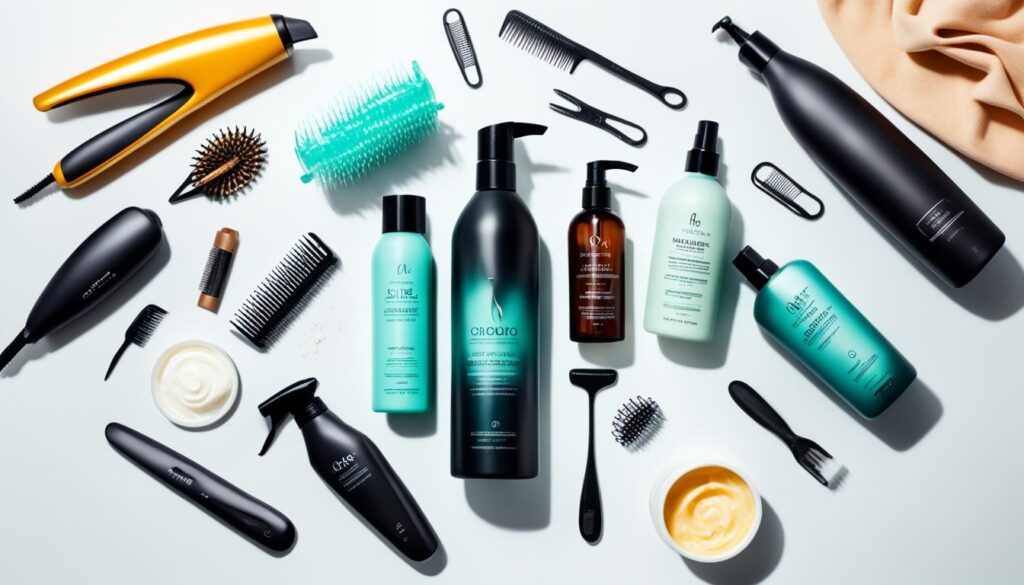
Hair oils and serums are essential products in a hair care routine for damaged hair. They provide numerous benefits, including:
- Hydrating and nourishing the hair
- Improving manageability and reducing frizz
- Protecting against heat damage
- Adding shine and enhancing hair texture
When using hair oils, remember to apply them to the mid-lengths and ends of your hair, avoiding the roots to prevent greasiness. Hair serums should be applied sparingly, focusing on the areas that are most prone to damage, such as the ends.
The Impact of Chemical Treatments on Hair Damage
Chemical treatments can have a significant impact on the health and appearance of your hair. From heat styling to bleaching and chemical dyes, these treatments can cause various types of damage that affect the overall condition of your locks.
Heat Styling Damage:
Heat styling tools, such as flat irons and curling wands, can weaken the hair shaft and lead to breakage. The excessive heat can strip the hair of its natural moisture, leaving it dry and prone to frizz. Over time, regular heat styling can cause irreversible damage, making the hair brittle and more susceptible to breakage.
Bleaching Damage:
Bleaching is a process that lightens the natural color of your hair by removing its pigments. While it can create stunning blonde or vibrant pastel shades, bleaching is a harsh chemical treatment that can severely damage the hair. The bleaching process breaks down the hair’s natural proteins, leaving it dry, porous, and susceptible to breakage. Bleached hair requires extra care and nourishment to restore its health and prevent further damage.
Chemical Dye Damage:
Chemical dyes contain ingredients that penetrate the hair cuticle and change its color. While dyeing your hair can be a fun way to experiment with different shades, the chemicals in hair dyes can cause damage. These chemicals can damage the hair cuticle, leaving it rough and prone to dryness and breakage. Frequent use of chemical dyes without proper hair care can lead to significant damage over time.
Effects of Chemical Damage on Hair Loss:
Chemical damage to the hair can have implications for hair loss and thinning. When the hair is chemically damaged, it becomes weaker and more prone to breakage. If left untreated, this breakage can lead to a reduction in hair density and eventual hair loss. It is essential to be mindful of the potential effects of chemical treatments on the overall health and density of your hair.
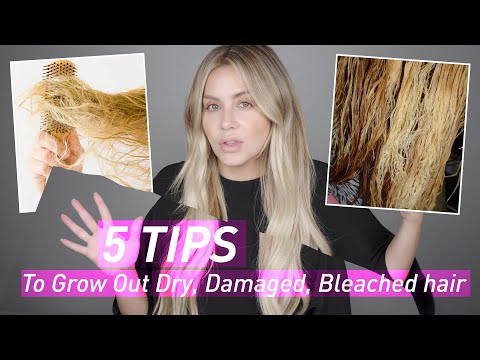
It is important to be cautious when using chemical treatments and take steps to minimize damage. If you regularly use heat styling tools, consider using a heat protectant spray to shield your hair from excessive heat. When bleaching or dyeing your hair, consult a professional stylist to ensure proper application and minimize potential damage. Additionally, incorporating regular deep conditioning treatments and using hair products specifically formulated for damage repair can help nourish and restore your hair’s health.
Budget-Friendly Solutions for Damaged Hair
Repairing damaged hair doesn’t have to break the bank. At [Company Name], we understand the importance of affordable solutions that deliver results. With our budget-friendly approach to hair repair, you can restore your locks without compromising your wallet.
Implement a Hair Care Routine
A consistent hair care routine is crucial for repairing and restoring damaged hair. Start by using a gentle, sulfate-free shampoo and conditioner to cleanse and hydrate your hair. Avoid hot water, as it can strip away essential oils and further damage your hair. Incorporate a weekly deep conditioning treatment to provide intense moisture and nourishment.
For added benefits, consider applying a hair serum suitable for your hair type. Our budget-friendly serums are formulated with nourishing ingredients that help to repair and protect damaged hair, promoting overall hair health.
Regular Hair Trims for Prevention
Regular trims are not only a great way to maintain your hairstyle but also to prevent further damage. Get rid of split ends by scheduling regular trims every 6-8 weeks. This simple step helps to keep your hair healthy, preventing breakage and promoting healthier hair growth.
Utilize the Power of Hair Oils
Hair oils are a budget-friendly solution for damaged hair. They provide deep conditioning and nourishment, helping to repair and restore your locks. Choose oils that are rich in nutrients, such as argan oil, coconut oil, or jojoba oil. Apply a few drops to your hair, focusing on the ends, to seal in moisture and protect your hair from further damage.
Budget-Friendly Hair Repair Products
| Product | Description | Price |
|---|---|---|
| Hair Repair Shampoo | A gentle, sulfate-free shampoo that cleanses and nourishes damaged hair. | $9.99 |
| Deep Conditioning Mask | An intensive treatment that replenishes moisture and strengthens damaged hair. | $12.99 |
| Restorative Hair Serum | A lightweight serum that repairs and protects damaged hair, leaving it soft and manageable. | $14.99 |
| Nourishing Hair Oil | A blend of natural oils that provides hydration, shine, and protection for damaged hair. | $11.99 |
Choose affordable yet effective hair care products to maximize your hair repair budget. Look for products that are specifically formulated to treat damaged hair and contain nourishing ingredients to restore its health and shine.
By implementing these budget-friendly solutions, you can repair and restore your damaged hair without breaking the bank. Say goodbye to dull, lifeless locks and hello to healthy, vibrant hair.
Conclusion
Recovering hair density after heat damage is possible with the right hair care routine and treatment techniques. By understanding the causes and types of hair damage, preventing further damage, and implementing budget-friendly solutions, you can revive your locks and promote healthier, fuller hair.
Remember to choose products that are specifically formulated to repair and restore damaged hair. Opt for hair care products that contain nourishing ingredients like goat milk, Tucuma butter, Broccoli oil, and ceramides. These ingredients will help to nourish and hydrate your dry and damaged hair, promoting its repair and growth.
To regain your hair density and achieve the lush, voluminous locks you desire, it’s important to follow a consistent hair care routine. This routine should include regular cleansing with a mild, pH balanced shampoo and conditioner, deep conditioning treatments, and the use of hair serums and oils to nourish and protect your hair from further damage.
With patience and dedication, you can restore your hair density and achieve the healthy, beautiful hair you’ve always wanted. Embrace these tips and techniques, and you’ll be well on your way to healthier, fuller locks.
FAQ
What causes dry and damaged hair?
Dry and damaged hair can be caused by various factors, including exposure to harsh weather conditions, overuse of heat styling tools, harsh hair care products, frequent washing, and chemical treatments.
How can I treat dry hair and promote hair density?
To treat dry hair and promote hair density, switch to a hydrating hair care routine, limit washing to 2-3 times a week, use a sulfate-free, moisturizing shampoo and conditioner, and apply a deep conditioning hair mask weekly. Additionally, protect your hair from heat styling tools by using a heat protectant.
What ingredients should I look for in hair care products for damaged hair?
Look for hair care products that contain goat milk, Tucuma butter, Broccoli oil, and ceramides to nourish and hydrate dry and damaged hair. Avoid using products that contain parabens, sulfates, and phthalates, as they can strip the hair of its natural oils and disrupt hair growth.
How can I prevent and treat hair damage?
To prevent and treat hair damage, establish a hair care routine that includes regular cleansing with a mild, pH balanced shampoo and conditioner. Deep conditioning treatments can help to hydrate and repair damaged hair. Protect your hair from heat styling tools by using a heat protectant and minimizing heat exposure. Regular trims can prevent further damage by eliminating split ends. Hair oils can nourish and protect the hair, while hair serums can provide added nourishment and protection against heat damage. It is also important to protect your hair from UV exposure by wearing a hat or using a UV protective spray. Lastly, maintaining a healthy diet rich in nutrients is essential for promoting hair growth and overall hair health.
What types of hair damage can be caused by chemical treatments?
Chemical treatments, such as heat styling, bleaching, and chemical dyes, can cause significant damage to the hair. Heat styling tools can weaken the hair shaft and lead to breakage. Bleaching strips the hair of its natural pigments, leaving it dry and brittle. Chemical dyes can damage the cuticle and result in dryness and breakage. Furthermore, chemical damage can potentially contribute to hair loss and thinning.
How can I repair damaged hair on a budget?
Repairing damaged hair doesn’t have to break the bank. Implementing a budget-friendly hair care routine that includes regular cleansing, deep conditioning treatments, and the use of hair serums and oils can help to repair and restore damaged hair. Regular trims can also prevent further damage and promote healthier hair growth. It is important to choose affordable hair care products that are formulated to treat damaged hair and to follow a consistent routine to achieve the best results.