
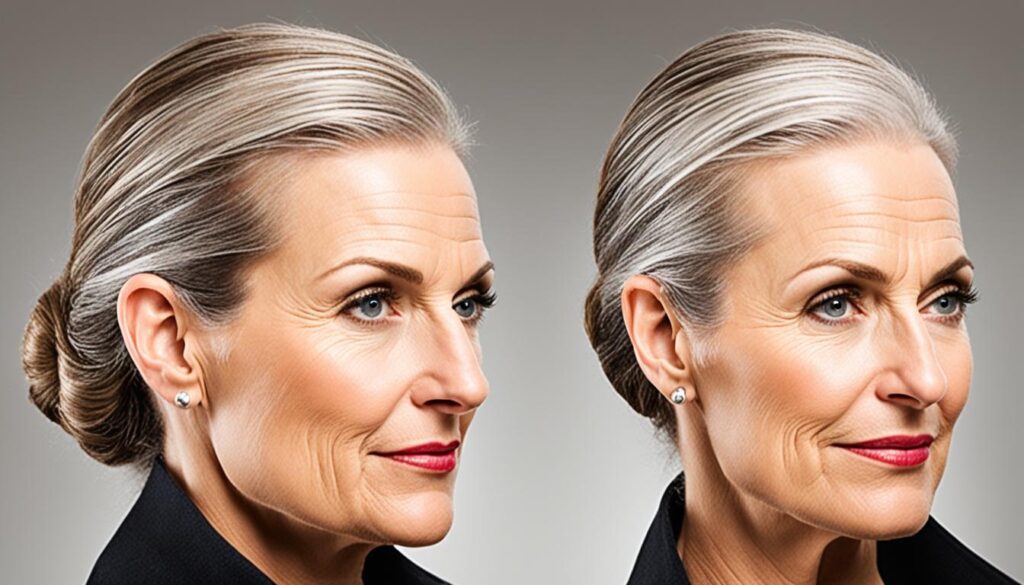
Female baldness is a common concern that many women face. Hair loss can be distressing, impacting self-esteem and overall well-being. Understanding the causes and solutions for female baldness is essential to empower women in their hair health journey.
Female Pattern Baldness (FPB), also known as Androgenetic Alopecia, is a hereditary condition that causes gradual thinning of the hair in women, particularly on the crown and frontal areas. It can be caused by genetic predisposition, hormonal changes, aging, and certain medical conditions like polycystic ovary syndrome (PCOS).
Recognizing the signs and symptoms of female baldness, such as gradual hair thinning, a widening part, and a receding hairline, is crucial for early intervention. By understanding the underlying factors contributing to hair loss, women can explore appropriate treatment options for their specific needs.
This article will demystify female pattern baldness, delve into its causes and contributing factors, discuss treatment options, and provide key takeaways to empower women.

Key Takeaways:
- Female Pattern Baldness (FPB) is a hereditary condition that causes gradual hair thinning in women.
- FPB can be caused by genetic predisposition, hormonal changes, aging, and certain medical conditions.
- Recognizing the signs and symptoms of female baldness is essential for early intervention.
- Treatment options for female baldness include medical interventions, lifestyle changes, and styling options.
- By addressing female baldness, women can regain confidence and celebrate their unique beauty.
Demystifying Female Pattern Baldness
Female Pattern Baldness, also known as Androgenetic Alopecia, is a hereditary condition that causes gradual thinning of the hair in women, particularly on the crown and frontal areas. It is not exclusive to men and can significantly impact a woman’s self-esteem and confidence.
FPB can be caused by genetic predisposition, hormonal changes (such as during pregnancy or menopause), aging, and certain medical conditions like PCOS. The signs and symptoms of FPB include gradual thinning of the hair, a widening part, and a receding hairline.
Understanding the causes and symptoms of FPB is crucial for women to address their hair health concerns and explore appropriate solutions.
Causes and Contributing Factors of Female Baldness
Female baldness can be attributed to various causes and contributing factors that affect women’s hair health. Understanding these factors is crucial in addressing and managing hair loss concerns. Here, we explore the key causes of female baldness:
- Genetic Predisposition: One major cause of female baldness is genetic predisposition. This hereditary factor can be inherited from either parent, making some women more susceptible to hair thinning and loss.
- Hormonal Changes: Fluctuations in hormones, such as those experienced during pregnancy or menopause, can trigger hair thinning and loss in women. Androgen hormone imbalances, specifically, have been linked to female baldness.
- Aging: As women age, the natural hair growth cycle slows down, leading to thinner and more fragile strands. Aging is a common contributing factor to hair loss in women.
- Medical Conditions: Certain medical conditions, such as polycystic ovary syndrome (PCOS), can contribute to female baldness. These conditions often cause hormonal imbalances, directly affecting hair health.
By understanding the causes and factors that contribute to female baldness, women can take proactive steps to manage their hair loss concerns. Identifying the underlying cause of hair thinning and loss is essential in determining appropriate treatment approaches and regaining confidence in their hair health journey.
Take a closer look at the causes and contributing factors:
“Female baldness can be caused by various factors, including genetic predisposition, hormonal changes, aging, and certain medical conditions like PCOS.”


Treatment Options for Female Baldness
When it comes to addressing female baldness, there are several treatment options available that can help women regain their confidence and promote hair regrowth. These options range from medical interventions to lifestyle changes and styling practices.
Medical Interventions
Seeking medical advice is crucial for women experiencing hair loss. Healthcare professionals can provide guidance and prescribe medications that are specifically tailored to individual needs. Two commonly prescribed medications for female baldness are:
- Minoxidil: This topical medication is FDA-approved and can promote hair regrowth in women with female pattern baldness. It works by widening blood vessels, increasing blood flow to the hair follicles, and stimulating hair growth.
- Finasteride: Although primarily prescribed for male pattern baldness, finasteride can also be prescribed to women. It works by blocking the production of dihydrotestosterone (DHT), a hormone that contributes to hair loss.
Women should consult with their healthcare providers to determine the most suitable medication and discuss potential side effects and expected outcomes.
Lifestyle Changes and Hair Care Practices
In addition to medical interventions, making lifestyle changes and adopting proper hair care practices can significantly impact hair health and promote regrowth. Here are some key aspects to consider:
- Diet: A balanced diet that includes essential nutrients such as vitamins, minerals, and proteins is crucial for healthy hair growth. Foods rich in antioxidants, omega-3 fatty acids, and biotin can support hair health.
- Exercise: Regular physical activity improves blood circulation, which helps deliver vital nutrients to the hair follicles. Engaging in activities like yoga or cardio exercises can promote hair growth.
- Stress Management: Chronic stress can contribute to hair loss. Practicing stress-reduction techniques such as meditation, deep breathing exercises, or engaging in hobbies can help manage stress levels and promote hair regrowth.
- Gentle Hair Care: Using mild shampoos and conditioners, avoiding excessive heat styling, and minimizing chemical treatments can protect fragile hair strands and prevent further damage.
Wigs and Hairpieces
For women who desire an instant boost in volume and confidence, wigs and hairpieces are versatile styling options. These can help conceal hair loss while providing a natural and stylish appearance. There are various types of wigs and hairpieces available, including synthetic and human hair options. Women can explore different styles, colors, and lengths to find the perfect match and achieve the desired look.
By combining medical interventions, adopting healthy lifestyle practices, and embracing styling options, women can effectively combat female baldness and feel confident in their hair once again.
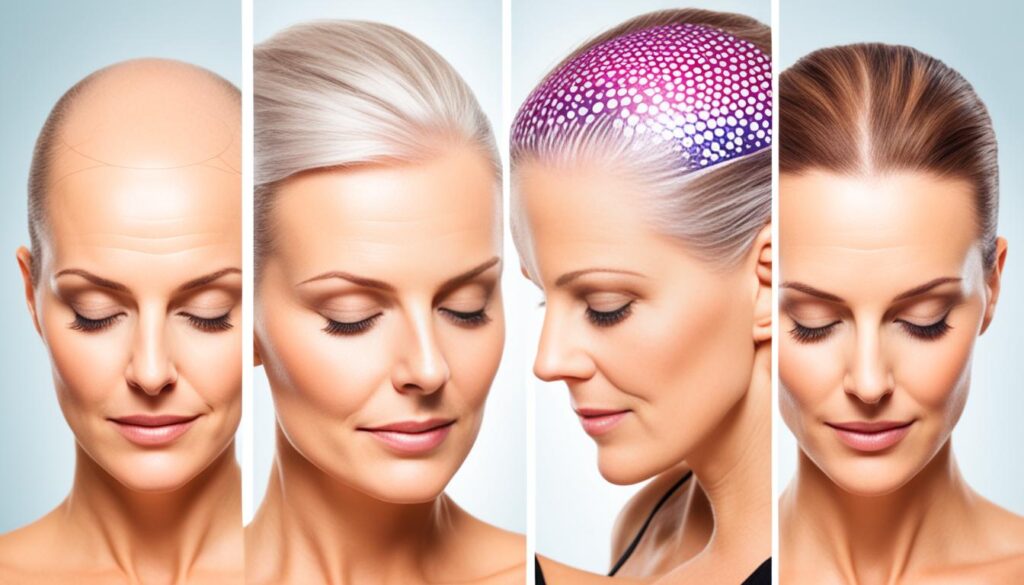
Conclusion
In conclusion, female baldness, also known as female pattern baldness or androgenetic alopecia, is a common condition that can have a profound impact on a woman’s self-confidence and overall well-being. It is essential for women to understand the causes and contributing factors of female baldness in order to effectively address their hair loss concerns.
Fortunately, there are various treatment options available to promote hair growth and improve self-confidence. Medical interventions, such as minoxidil or finasteride, can be recommended by a healthcare professional to stimulate hair regrowth or slow down the progression of hair loss. Adopting a healthy lifestyle, including a balanced diet, regular exercise, and stress management, can also support hair growth.
Additionally, women can explore styling options such as wigs and hairpieces to enhance volume and boost their confidence. It is important for women to consult with a healthcare professional to discuss the different treatment options available and determine the best approach for their individual needs.
By empowering women with knowledge and access to effective solutions, we can help them regain their confidence and embrace their unique beauty. Remember, no woman should feel alone in her journey towards hair growth and self-assurance.
FAQ
What is female pattern baldness?
Female pattern baldness, also known as Androgenetic Alopecia, is a hereditary condition that causes gradual thinning of the hair in women, particularly on the crown and frontal areas.
What are the causes of female baldness?
Female baldness can be caused by genetic predisposition, hormonal changes (such as fluctuations during pregnancy or menopause), aging, and certain medical conditions like polycystic ovary syndrome (PCOS).
What are the signs and symptoms of female pattern baldness?
Signs and symptoms of female pattern baldness include gradual thinning of the hair, a widening part, and a receding hairline.
Are there any medical treatments available for female baldness?
Yes, medical interventions like minoxidil or finasteride can be prescribed by healthcare professionals to help regrow hair or slow down the progression of hair loss.
What lifestyle changes can help with female baldness?
Adopting a healthy diet rich in essential nutrients, regular exercise, and stress management can promote hair growth and overall hair health.
Can styling options like wigs and hairpieces help with female baldness?
Yes, embracing styling options like wigs and hairpieces can enhance volume and boost confidence for women experiencing hair loss.
How important is it to understand female baldness?
Understanding female baldness is essential for empowering women to navigate their hair health journey confidently and explore appropriate solutions for their specific needs.