

Finding effective solutions for female hair regrowth is a top priority for many women facing hair loss and thinning. Luckily, there are a variety of treatment options available, ranging from natural hair growth supplements to the best hair regrowth treatments in the market. In this article, we will explore these solutions and provide valuable insights for women seeking to regrow their hair.

Key Takeaways:
- Female hair regrowth is a common concern among women experiencing hair loss or thinning.
- Natural hair growth supplements can play a significant role in promoting healthier hair.
- There are various treatment options available, including topical medications, light therapy, and hormone therapy.
- Eating a nutritious diet and maintaining a healthy lifestyle can also contribute to hair regrowth.
- Consulting with a healthcare professional or dermatologist is crucial for determining the most suitable treatment option.
Causes of Female Hair Loss
Hair loss in women can be a result of various factors, including genetics, hormone imbalances, and underlying health conditions. One of the most common causes of hair loss in women is female pattern baldness, which is characterized by a gradual thinning of hair on the top of the head and a widening part. Additionally, conditions like alopecia areata can cause patchy bald spots on the scalp.
Identifying the specific cause of hair loss is essential in determining the most suitable treatment for regrowth. Understanding the factors contributing to hair loss can help women explore effective solutions and find the best course of action to address their individual concerns.
“Hair loss in women can be multifactorial, and it is important to consider genetic predisposition, hormonal imbalances, as well as underlying medical conditions when evaluating the cause of hair loss. A thorough evaluation by a dermatologist specializing in hair loss is recommended to determine the underlying cause and guide treatment decisions.” – Dr. Emily Thompson, Board-Certified Dermatologist
Possible Causes of Female Hair Loss:
- Genetics (Female Pattern Baldness): Inherited predisposition to hair loss, commonly known as female pattern baldness, can contribute to noticeable thinning and hair loss over time.
- Hormone Imbalances: Changes in hormone levels, such as during menopause, can lead to hair thinning and loss.
- Underlying Health Conditions: Certain medical conditions, such as thyroid disorders, autoimmune diseases, and scalp infections, can contribute to hair loss.
- Dietary Deficiencies: Inadequate intake of essential nutrients, including iron, vitamins, and proteins, can affect the health of the hair follicles.
- Stress and Emotional Factors: High levels of stress, emotional trauma, and significant life events can trigger hair loss in some women.
It is important for women experiencing hair loss to consult with a healthcare professional or dermatologist to determine the underlying cause and identify appropriate solutions. By addressing the root cause of hair loss, women can take steps towards effective female hair regrowth and achieve healthier, fuller-looking hair.
Treatment Options for Female Hair Loss
When it comes to female hair loss, there are various treatment options available to address the issue and promote regrowth. Whether you’re dealing with thinning hair, female pattern baldness, or any other form of hair loss, exploring these treatment options can help you find a solution that works for you.
1. Topical Medications: One effective option is Minoxidil, commonly known as Rogaine. This topical medication stimulates hair growth and can be applied directly to the scalp. It is available over-the-counter and comes in various strengths. Daily use is recommended to see noticeable results.
2. Low-Level Light Therapy: Another treatment option is low-level light therapy. This non-invasive procedure involves using specific wavelengths of light to stimulate hair follicles and promote regrowth. It can be used in combination with other treatments for enhanced effectiveness.
3. Ketoconazole Shampoo: Ketoconazole is an antifungal shampoo that can also reduce inflammation and improve hair strength. By addressing underlying scalp conditions, it can create a healthier environment for hair growth.
4. Corticosteroid Injections: Corticosteroid injections are often recommended for certain types of hair loss, such as alopecia areata. These injections are administered directly into the affected area and help promote the growth of new hair.
5. Platelet-Rich Plasma Injections: Platelet-rich plasma (PRP) injections involve using a patient’s own blood to stimulate hair growth. The platelets in the blood contain growth factors that can reduce hair loss and increase hair density.
6. Hormone Therapy: Hormone imbalances can contribute to hair loss in women. Hormone therapy can help correct these imbalances and restore hair growth. It is important to consult with a healthcare professional before starting hormone therapy.
7. Hair Transplantation: In more severe cases of hair loss, hair transplantation may be recommended. This surgical procedure involves moving hair follicles from one area of the scalp to another. It requires expertise and should be performed by a qualified professional.


Each treatment option has its own benefits, considerations, and potential side effects. It is important to consult with a healthcare professional or dermatologist to determine the most suitable treatment for your specific needs. They can assess your hair loss condition and provide personalized recommendations to promote female hair regrowth.
Home Remedies and Lifestyle Changes for Hair Growth
In addition to medical treatments, there are several home remedies and lifestyle changes that can aid in promoting hair growth. By incorporating these practices into your daily routine, you can support natural hair regrowth and improve the overall health of your hair.
Eat a Nutritious Diet
Proper nutrition is essential for healthy hair growth. Include a variety of fruits, vegetables, whole grains, lean proteins, and healthy fats in your diet. These foods provide the necessary vitamins, minerals, and antioxidants that support hair health. Additionally, consider incorporating natural hair growth supplements such as biotin, vitamin D, and zinc into your routine to further enhance hair growth.
Check for Iron Deficiency
Iron deficiency can contribute to hair loss and thinning. If you suspect iron deficiency, consult with a healthcare professional who can perform a blood test to assess your iron levels. If necessary, they may recommend dietary changes or iron supplements to restore optimal iron levels and promote hair growth.
Massage Your Scalp
Massaging your scalp stimulates blood circulation to the hair follicles, which can promote hair growth. Use your fingertips to gently massage your scalp in circular motions for a few minutes each day. You can also use natural oils such as coconut oil or olive oil to further enhance the massage experience and nourish your scalp and hair.
Avoid Damaging Hair Treatments
Excessive heat styling, chemical treatments, and harsh hair care products can damage the hair follicles and contribute to hair loss. Opt for gentle hair care practices and avoid using excessive heat on your hair. Minimize the use of hairstyling tools such as flat irons, curling irons, and blow dryers. Choose hair care products that are specifically formulated for promoting hair growth and avoiding harsh chemicals.
Utilize Medicated Shampoos and Conditioners
Medicated shampoos and conditioners can help reduce hair loss and improve the health of your hair. Look for products that contain ingredients such as ketoconazole, which has anti-inflammatory properties and strengthens hair. These products can be used in combination with other treatments to optimize hair growth.
| Home Remedies for Hair Growth | Benefits | |
|---|---|---|
| Healthy Diet | Provides essential nutrients for hair growth | |
| Iron Supplementation | Addresses iron deficiency | |
| Scalp Massage | Enhances blood circulation to hair follicles | |
| Avoiding Damaging Hair Treatments | Prevents hair follicle damage | |
| Medicated Shampoos and Conditioners | Reduces hair loss | |
Over-the-Counter Hair Loss Treatments
When it comes to combating hair loss, there are several over-the-counter treatments that women can explore. These treatments offer convenience and affordability, allowing for an easy integration into daily hair care routines. Some of the best hair regrowth treatments available over-the-counter include:
- Minoxidil (Rogaine): This FDA-approved topical medication is one of the most popular options for promoting hair growth. It stimulates hair follicles and can be purchased in different concentrations. For optimal results, it should be applied daily.
- Laser Therapy Devices: These devices utilize low-level light therapy to stimulate weakened hair follicles and promote hair regrowth. They are designed to increase blood flow to the scalp and improve the overall health of the hair.
- Ketoconazole Shampoo: This specialized shampoo reduces inflammation of the scalp and improves the strength and appearance of the hair. It works by targeting the underlying causes of hair loss, such as fungal infections or excess sebum production.
Each of these over-the-counter treatments offers unique advantages and can be effective in addressing hair loss concerns. However, it is important to consult with a dermatologist or a healthcare professional to determine the most suitable option based on individual needs and circumstances.
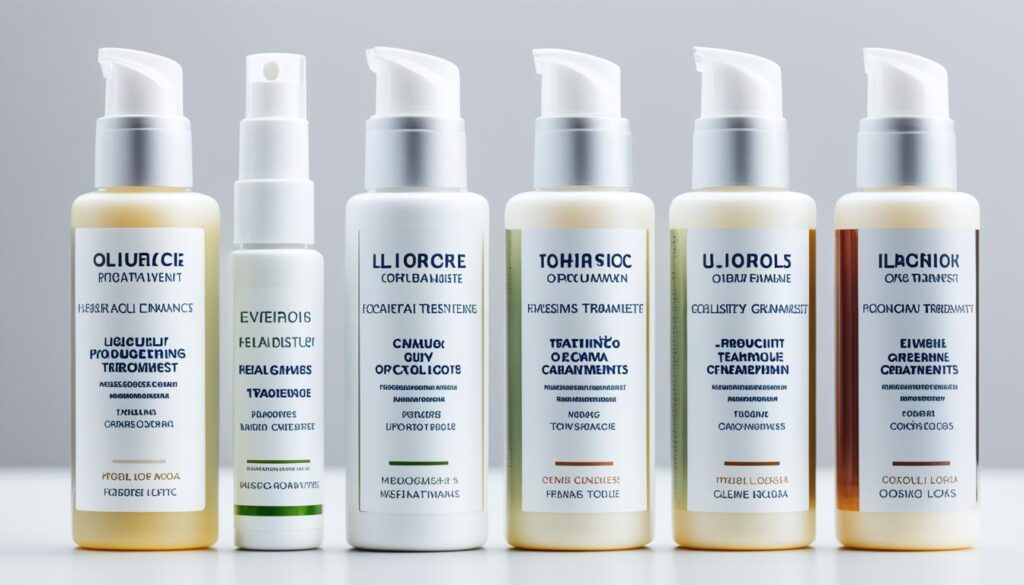
Note: As with any hair loss treatment, results may vary. It is recommended to use these products consistently and as directed to achieve the best possible outcomes.
Prescription Medications for Hair Loss
In some cases, prescription medications may be recommended to treat hair loss in women. Two of the top hair regrowth products prescribed for this condition are Spironolactone and Finasteride.
Spironolactone
Spironolactone is a medication that can effectively stop further hair loss and promote hair regrowth in women. It works by reducing the body’s processing of testosterone, a hormone that can contribute to hair thinning and loss. By blocking the effects of testosterone, Spironolactone helps restore hair growth and thickness.
Finasteride
While Finasteride is primarily approved for treating male pattern hair loss, it can also be used off-label for women with hereditary hair loss. Finasteride works by inhibiting the conversion of testosterone to dihydrotestosterone (DHT), a hormone known to contribute to hair loss. By reducing DHT levels, Finasteride can help prevent further hair loss and promote regrowth in women.
It is important to note that prescription medications should be taken as prescribed and under the guidance of a healthcare professional. These medications may have potential side effects, so it is crucial to discuss any concerns or potential risks with your doctor before starting treatment.
“Prescription medications like Spironolactone and Finasteride can be effective hair loss remedies for women. These medications target the underlying causes of hair loss and promote natural regrowth.”
| Medication | How It Works | Common Side Effects |
|---|---|---|
| Spironolactone | Reduces the body’s processing of testosterone | Fluid retention, breast tenderness, irregular menstrual cycles |
| Finasteride | Inhibits conversion of testosterone to DHT | Headache, dizziness, decreased libido |
Dermatological Procedures for Hair Regrowth
Dermatologists offer a range of procedures that can effectively promote hair regrowth for women. These dermatological treatments target specific areas and stimulate hair follicles, providing a potential solution for those struggling with hair loss. To help you better understand your options, we have outlined some of the commonly recommended procedures below:
Corticosteroid Injections
One popular dermatological procedure for hair regrowth is corticosteroid injections. These injections deliver corticosteroids directly into the scalp, stimulating hair regrowth in specific areas. By reducing inflammation and encouraging new hair growth, corticosteroid injections can effectively treat localized hair loss.
Laser Therapy
Laser therapy is another effective treatment for hair regrowth. By using low-level laser light, this procedure stimulates the hair follicles, promoting hair growth. Laser therapy can be combined with other treatments to amplify their effects and provide more significant results. It is a non-invasive and painless procedure, making it a popular choice for many women.
Hair Transplants
For more severe cases of hair loss, hair transplants may be recommended by dermatologists. During a hair transplant procedure, hair follicles are surgically moved from areas with abundant hair to areas experiencing thinning or baldness. This technique allows for a more natural and permanent hair regrowth solution.
Platelet-Rich Plasma Injections
Platelet-rich plasma (PRP) injections have gained popularity as an effective hair regrowth treatment. This procedure involves using the patient’s own blood, which is processed to extract platelets rich in growth factors. The platelet-rich plasma is then injected into the scalp, stimulating hair growth and improving hair density.
It’s important to note that these dermatological procedures should be performed by a board-certified dermatologist. They will assess your individual needs and tailor the treatment plan to achieve the best possible outcomes. Consulting with a professional will ensure that you receive the most suitable procedure for promoting hair regrowth.
Conclusion
Female hair loss is a distressing condition that affects many women, but the good news is that there are effective treatment options available. Whether you prefer over-the-counter remedies, prescription medications, or dermatological procedures, there is a solution out there for you. It is crucial to consult with a healthcare professional or dermatologist to determine the underlying cause of your hair loss and find the most suitable treatment option.
By taking the right approach and following the guidance of experts, you can promote hair regrowth and restore your luscious locks. Remember, each person’s hair loss journey is unique, so what works for someone else may not work for you. Be patient and persistent, and trust that with the right treatment, you can regain the confidence and happiness that comes with healthy, beautiful hair.
Don’t let female hair loss hold you back. Explore the available options, seek professional advice, and take action towards achieving your desired hair regrowth. Embrace the power of effective hair loss remedies and reclaim a fuller, thriving mane.
FAQ
What are the causes of female hair loss?
Female hair loss can be caused by various factors, including genetics (female pattern baldness), hormone imbalances (such as menopause), and underlying health conditions.
What are the treatment options for female hair loss?
Treatment options for female hair loss include topical medications like Minoxidil (Rogaine), low-level light therapy, ketoconazole shampoo, corticosteroid injections, platelet-rich plasma injections, hormone therapy, and hair transplantation.
Are there any home remedies and lifestyle changes that can promote hair growth?
Yes, maintaining a nutritious diet, checking for iron deficiency, massaging the scalp, avoiding damaging hair treatments, and using medicated shampoos and conditioners may help promote hair growth.
What over-the-counter hair loss treatments are available for women?
Over-the-counter options include Minoxidil (Rogaine), laser therapy devices, and ketoconazole shampoo.
Are there any prescription medications for hair loss in women?
Yes, prescription medications such as spironolactone and finasteride may be recommended to treat hair loss in women.
What are the dermatological procedures for hair regrowth?
Dermatologists can offer procedures such as corticosteroid injections, laser therapy, hair transplants, and platelet-rich plasma injections.