
Female alopecia, also known as female pattern baldness, is a common condition that affects women worldwide. Hair loss in women can have a significant impact on self-esteem and body image, leading to emotional distress. It is important to understand the causes and treatment options for female alopecia in order to provide effective solutions and support for those affected.
Female alopecia can manifest in different forms, including female pattern baldness, female hair thinning, and overall hair loss in women. It is characterized by a gradual and progressive thinning of the hair, usually starting at the crown and widening towards the frontal area. The causes of female alopecia can vary, ranging from hormonal imbalances to genetic factors and underlying medical conditions.
To effectively address female alopecia, it is crucial to implement personalized treatment strategies tailored to each individual’s needs. This may involve a combination of medical interventions, lifestyle changes, and emotional support. Consulting with healthcare professionals specializing in women’s hair loss treatment can provide valuable guidance and ensure the most suitable approach is taken.

Key Takeaways:
- Female alopecia, or female pattern baldness, is a common condition causing hair loss in women.
- Understanding the causes and treatment options for female alopecia is crucial for effective management.
- Personalized treatment strategies may include medical interventions, lifestyle changes, and emotional support.
- Consulting with healthcare professionals specializing in women’s hair loss treatment is recommended.
- Emotional support is essential in addressing the psychological impact of female alopecia.
Pathophysiology of Female Alopecia
Female alopecia is a complex condition that can be attributed to various causes. Understanding the underlying pathophysiology of female alopecia is crucial for effective management and treatment. Let’s explore the key factors involved in the development of female alopecia.
Hair Follicle Cycles
The hair follicle undergoes a continuous cycle of growth and rest, known as the hair follicle cycle. This cycle consists of three phases:
- Anagen (growth) phase: This is the active phase of hair growth, during which the hair follicle produces new cells. This phase typically lasts for 2-6 years.
- Catagen (transition) phase: In this phase, the hair follicle transitions from the growing phase to the resting phase. It lasts for about 2-3 weeks.
- Telogen (resting) phase: The hair follicle rests during this phase. It lasts for approximately 3-4 months before hair shedding occurs, leading to the initiation of a new growth cycle.
Disruptions in the normal hair follicle cycles can contribute to hair loss in women.
Types of Female Alopecia
There are different types of female alopecia, each with its own unique features and causes. Two common types include:
Telogen Effluvium: This type of alopecia occurs when there is a sudden shift of hair follicles from the anagen phase to the telogen phase. It can be triggered by factors such as stress, nutritional deficiencies, hormonal changes, or certain medications.
Cicatricial Alopecia: Also known as scarring alopecia, this type is characterized by inflammation and destruction of the hair follicles. It can result from autoimmune disorders, infections, or physical trauma to the scalp.
Another prevalent form of female alopecia is androgenetic alopecia.
Androgenetic Alopecia
Androgenetic alopecia, also known as female pattern hair loss, is the most common form of alopecia in women. It is primarily influenced by hormonal factors and genetics. In this condition, the presence of the hormone dihydrotestosterone (DHT) leads to the miniaturization of hair follicles, causing thinning of the hair over time. Androgenetic alopecia typically follows a pattern of hair loss that affects the top and front areas of the scalp.
Understanding the pathophysiology of female alopecia provides valuable insights into the underlying causes and mechanisms. By identifying the specific type of alopecia and addressing its root causes, healthcare professionals can develop tailored treatment plans to effectively manage hair loss in women.
Diagnosis of Female Alopecia
A careful history and physical examination are essential steps in diagnosing female alopecia. By considering factors such as the duration and pattern of hair loss, shedding or thinning of the hair, and the patient’s medical history, we can gather valuable clues to guide the diagnostic process.
The physical examination plays a crucial role in assessing the scalp for signs of inflammation or scarring and evaluating the density and distribution of hair. In addition, examining the hair shaft can provide further insights into the condition.
During the physical examination, we may also perform a pull test, which involves gently tugging on a small amount of hair to see how many strands are easily dislodged. This can help determine the stage and severity of hair loss.
While a careful history and physical examination can provide substantial information, further diagnostic tests may be necessary to confirm the diagnosis of female alopecia. Laboratory tests, such as blood tests to measure hormone levels, can help identify underlying causes or hormonal imbalances that may contribute to hair loss.
In some cases, a punch biopsy may be recommended to obtain a small sample of scalp tissue for microscopic examination. This procedure can provide detailed information about the structure and health of the hair follicles, aiding in the accurate diagnosis of female alopecia.
Diagnostic Approaches for Female Alopecia
| Diagnostic Method | Description |
|---|---|
| History | Gathering information about the duration, pattern, and associated symptoms of hair loss |
| Physical examination | Evaluating the scalp, hair density, and hair shaft condition |
| Pull test | Gently tugging on hair to assess the shedding and fragility of hair strands |
| Laboratory tests | Blood tests to measure hormone levels and identify any underlying causes |
| Punch biopsy | Removing a small sample of scalp tissue for microscopic examination |
With a comprehensive diagnostic approach that combines history-taking, physical examination, and necessary laboratory tests, we can accurately diagnose female alopecia. This thorough evaluation enables us to develop personalized treatment plans that address the specific needs of each patient.
Androgenetic Alopecia in Women
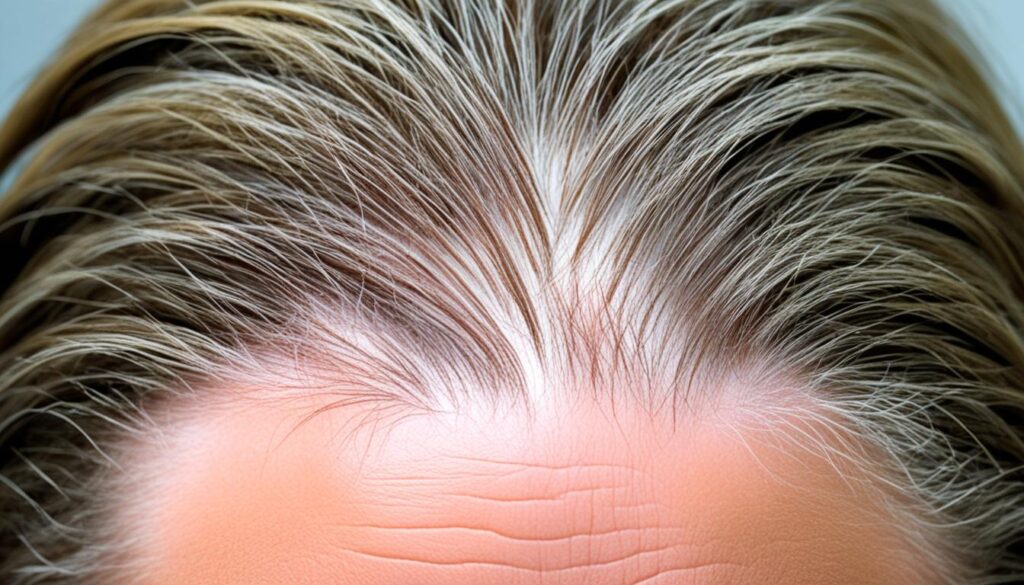
Androgenetic alopecia, characterized by hair follicle damage and hormonal changes, is the most common form of alopecia in both men and women. In women, androgenetic alopecia typically results in diffuse hair thinning, with more pronounced thinning in the frontal and parietal regions. Unlike men, women with androgenetic alopecia do not have higher levels of circulating androgens.
The Mechanism behind Androgenetic Alopecia
Androgenetic alopecia in women is primarily driven by hormonal changes and hair follicle damage. Although the exact mechanism is not fully understood, it is believed to be influenced by a combination of genetic factors and androgen sensitivity.
Within the hair follicles, the conversion of testosterone to dihydrotestosterone (DHT) occurs through the action of the enzyme 5-alpha-reductase. DHT binds to androgen receptors in the hair follicles, leading to a gradual miniaturization of the hair follicles, which eventually results in hair thinning and loss.
Impact on Women
Androgenetic alopecia can have a significant psychological impact on women. Thinning hair and hair loss can affect self-esteem, body image, and overall well-being. It is important for women experiencing these challenges to seek support and explore management options.

Treatment Options
While there is no cure for androgenetic alopecia, various treatment options are available to manage its symptoms and promote hair regrowth. These options include:
- Topical Treatments: Minoxidil is a commonly used topical treatment that stimulates hair growth. It is available over-the-counter and can be applied directly to the scalp.
- Oral Medications: Finasteride, an oral medication, can be prescribed to women with androgenetic alopecia. It works by blocking the production of DHT, thereby slowing down hair loss and promoting regrowth.
- Other Therapies: Alternative treatments such as low-level laser therapy, mesotherapy, and platelet-rich plasma (PRP) therapy may also be considered, although their effectiveness is still being studied.
Prevention and Management Strategies
While it may not be possible to prevent androgenetic alopecia entirely, certain strategies can help manage the condition and minimize its impact:
- Healthy Lifestyle: Maintaining a balanced diet, exercise routine, and managing stress levels can contribute to overall hair health.
- Gentle Hair Care: Avoiding excessive heat styling, chemical treatments, and tight hairstyles can help minimize further damage to the hair.
- Scalp Massage: Regular scalp massages can improve blood circulation to the hair follicles, promoting hair growth.
Treatment Options for Female Alopecia
When it comes to addressing female alopecia, there are various treatment options available. These range from topical treatments to oral medications and even hair transplant surgery for severe cases. Choosing the right treatment option requires consulting with a healthcare provider who can assess your specific condition and recommend the most appropriate course of action.
Topical Treatments: Minoxidil
One of the most commonly used treatments for female alopecia is minoxidil, which is applied topically to promote hair regrowth. Minoxidil works by stimulating the hair follicles and extending the growth phase of the hair cycle. It is available over the counter and comes in different strengths. Regular and consistent application is essential to see desired results.
Oral Medications: Finasteride
Another option for treating female alopecia is the use of oral medications, such as finasteride. Finasteride is primarily used to treat male pattern baldness but has shown effectiveness in some cases of female alopecia as well. It works by blocking the conversion of testosterone to dihydrotestosterone (DHT), which is known to contribute to hair loss. However, it is important to note that finasteride is not FDA-approved for female alopecia and should be used under the guidance of a healthcare professional.
Hair Transplant Surgery
In severe cases of female alopecia where other treatments have not been successful, hair transplant surgery may be considered as a permanent solution. During this procedure, hair follicles are transplanted from donor areas of the scalp to the areas experiencing hair loss. Hair transplant surgery should be performed by a skilled and experienced surgeon to ensure the best possible results.
To summarize, the treatment options for female alopecia include topically applied minoxidil, oral medications like finasteride, and, in severe cases, hair transplant surgery. It is important to seek guidance from a healthcare provider to determine the most suitable treatment approach based on your individual needs and condition.
| Treatment Option | Method of Application | Effectiveness | Potential Side Effects |
|---|---|---|---|
| Minoxidil | Topical | Varies, with noticeable regrowth in some cases | Scalp irritation, unwanted hair growth (rare) |
| Finasteride | Oral | May be effective in selected cases | Potential hormonal side effects, not FDA-approved for female alopecia |
| Hair Transplant Surgery | Surgical | Permanent solution with high success rates | Risk of infection, scarring, and potential for unnatural appearance if not performed by a skilled surgeon |
Lifestyle Strategies for Managing Female Alopecia
Alongside medical treatments, adopting certain lifestyle strategies can help manage female alopecia. It is important to incorporate these practices into daily routines to support hair health and promote regrowth. Here are some key lifestyle strategies:
Maintain a Balanced Diet
A balanced diet is essential for healthy hair growth. Include foods rich in protein, vitamins, and minerals to provide the necessary nutrients for strong and vibrant hair. Some nutrient-rich foods to consider are:
- Lean meats
- Fatty fish
- Legumes
- Nuts and seeds
- Leafy green vegetables
- Whole grains
Scalp Massages to Stimulate Blood Flow
Scalp massages can improve blood circulation to the hair follicles, promoting hair growth. Using gentle circular motions, massage the scalp for a few minutes each day. This can be done with or without oil, depending on personal preference.
Mesotherapy and PRP Therapy
In addition to traditional medical treatments, mesotherapy and platelet-rich plasma (PRP) therapy have gained popularity in managing female alopecia. These procedures involve injecting nutrients and growth factors into the scalp to stimulate hair follicles and promote regrowth. Consult with a qualified healthcare professional to determine if these treatments are suitable for you.
Good Hair Care Practices
Practicing proper hair care is crucial for preventing further damage to the hair and maintaining its health. Some hair care practices to consider are:
- Avoid excessive heat styling
- Limit the use of chemical treatments
- Protect hair from sun damage
- Gently detangle wet hair to prevent breakage
- Use a wide-toothed comb or a brush with soft bristles
By incorporating these lifestyle strategies into your daily routine, you can complement medical treatments and improve the overall health and appearance of your hair.
Psychological Impact of Female Alopecia
Female alopecia can have a profound psychological impact on women, affecting their self-esteem, body image, and overall well-being. The emotional consequences of hair loss can be significant, leading to feelings of insecurity, embarrassment, and even depression. It is crucial to address these psychological challenges and provide support to women experiencing female alopecia.
The loss of hair can have a direct impact on a woman’s self-esteem. Society often places significant emphasis on the importance of hair as a symbol of beauty and femininity. For many women, hair loss can be a blow to their confidence and sense of self-worth. They may feel self-conscious about their appearance, leading to social anxiety and withdrawal.
Body image is another area that can be heavily impacted by female alopecia. Losing a significant amount of hair can change a woman’s perception of herself and her body. She may struggle with accepting her new appearance and experience negative body image. This can further contribute to low self-esteem and dissatisfaction with one’s overall physical appearance.
The emotional impact of hair loss goes beyond self-esteem and body image. It can affect a woman’s psychological well-being as a whole. Coping with the visible effects of alopecia can be emotionally challenging and may lead to feelings of sadness, frustration, and hopelessness. Women may also experience a loss of identity, as their hair often plays a significant role in how they present themselves to the world.
To help women cope with the psychological consequences of female alopecia, various forms of support are available. Counseling can provide a safe space for women to discuss their feelings and develop coping strategies. Support groups allow women to connect with others who are experiencing similar challenges, providing a sense of community and understanding. In some cases, psychological interventions, such as cognitive-behavioral therapy, may be beneficial in addressing the emotional impact of hair loss.
“Losing hair can be a traumatic experience for women, impacting their self-confidence and emotional well-being. It’s important to recognize the psychological aspects of female alopecia and provide the necessary support to help women navigate through this difficult journey.”
By addressing the psychological impact of female alopecia, we can help women regain their self-esteem, improve their body image, and enhance their overall psychological well-being. Understanding the emotional toll that hair loss can have allows us to provide the necessary support and interventions to help women navigate this challenging experience.
| Psychological Effects of Female Alopecia | Supportive Measures |
|---|---|
| Low self-esteem | Counseling |
| Negative body image | Support groups |
| Emotional distress | Psychological interventions |
Addressing the psychological impact of female alopecia is an essential aspect of comprehensive treatment. By providing the necessary support and interventions, we can help women navigate the emotional challenges associated with hair loss and promote their overall well-being.
Conclusion
Female alopecia is a common condition that affects many women and can have a significant impact on their lives. Understanding the causes and treatment options for female alopecia is crucial in effectively managing and treating hair loss in women. By combining medical treatments, adopting lifestyle strategies, and seeking emotional support, women can regain their confidence and achieve hair regrowth.
Managing female alopecia involves a multidimensional approach. Medical treatments such as minoxidil and finasteride can help promote hair regrowth, while lifestyle strategies like maintaining a balanced diet and practicing good hair care habits can support healthy hair growth. It is vital for women to consult with healthcare professionals to develop personalized treatment plans that cater to their specific needs.
Furthermore, addressing the psychological impact of hair loss is essential. The emotional consequences of female alopecia, including a decrease in self-esteem and body image issues, should not be overlooked. Seeking counseling, joining support groups, and exploring psychological interventions can provide valuable support in coping with the emotional challenges associated with hair loss. Remember, regaining confidence with hair regrowth is achievable with the right management strategies and support system.
FAQ
What is female alopecia?
Female alopecia, also known as female pattern baldness, is a common form of hair loss in women. It can lead to significant hair thinning and loss, impacting self-esteem and body image.
What causes female alopecia?
Female alopecia can be attributed to abnormalities in the hair follicle cycling, such as telogen effluvium and cicatricial alopecia. The most common form of female alopecia, androgenetic alopecia, is caused by the presence of the androgen dihydrotestosterone (DHT).
How is female alopecia diagnosed?
Diagnosis of female alopecia involves a careful history and physical examination. Factors such as the duration and pattern of hair loss, shedding or thinning of the hair, and the patient’s medical history are considered. Additional tests, such as a pull test, laboratory tests, and a punch biopsy, may be necessary for a definitive diagnosis.
What is androgenetic alopecia in women?
Androgenetic alopecia is the most common form of alopecia in both men and women. In women, it typically results in diffuse hair thinning, with more pronounced thinning in the frontal and parietal regions. Unlike men, women with androgenetic alopecia do not have higher levels of circulating androgens.
What are the treatment options for female alopecia?
The currently preferred treatment for female alopecia is topically applied minoxidil, which can promote hair regrowth. Other options include oral medications such as finasteride. In severe cases, hair transplant surgery may be considered as a permanent solution. Consultation with a healthcare provider is recommended to determine the most suitable treatment option.
Are there lifestyle strategies to manage female alopecia?
Adopting certain lifestyle strategies can help manage female alopecia, such as maintaining a balanced diet, scalp massages, and considering treatments like mesotherapy and platelet-rich plasma (PRP) therapy. Practicing good hair care habits, like avoiding excessive heat and chemical treatments, can also help prevent further damage.
What is the psychological impact of female alopecia?
Female alopecia can have a significant psychological impact, affecting self-esteem, body image, and overall well-being. It is important to address the emotional aspect of hair loss and provide support to women experiencing these challenges through counseling, support groups, and psychological interventions.
How can women manage female alopecia and regain confidence?
Understanding the causes and treatment options for female alopecia is essential for effectively managing and treating hair loss in women. Through a combination of medical treatments, lifestyle strategies, and emotional support, women can regain their confidence and achieve hair regrowth. Consulting with healthcare professionals and developing personalized treatment plans can help address individual needs.