
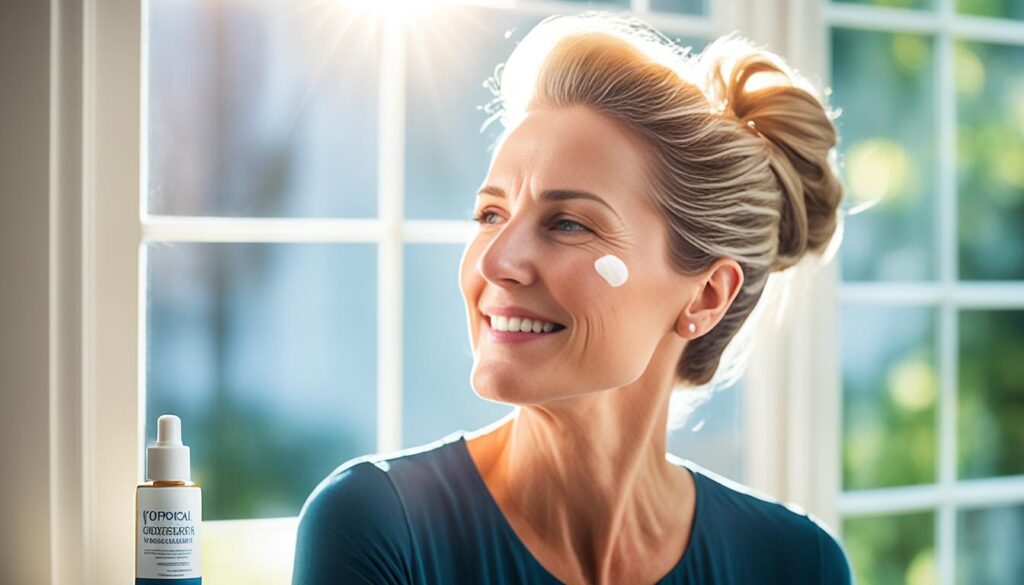
Female pattern baldness, also known as androgenetic alopecia, can be a distressing issue for many women. While there are various treatment options available, it can be challenging to find effective solutions tailored specifically for women. In this article, we will explore some empowering female alopecia treatment options designed to encourage hair regrowth and boost women’s confidence. We will delve into the different methods and therapies that have shown promising results in treating female pattern baldness.
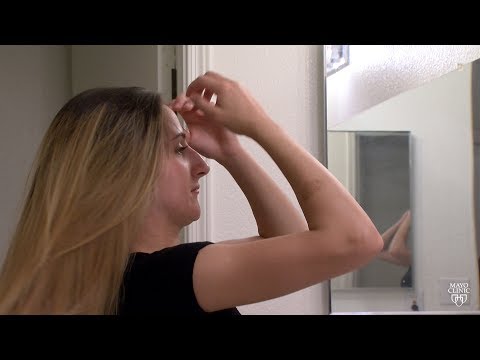
Key Takeaways:
- Female pattern baldness, or androgenetic alopecia, is a common condition that affects many women.
- Topical treatments like minoxidil (Rogaine) have been shown to be effective in retaining and regrowing hair in women with female alopecia.
- Systemic treatments such as spironolactone and cimetidine can help block the effects of androgens and promote hair regrowth.
- Hormone therapy and birth control pills can be used to balance hormone levels and treat female pattern baldness.
- Additional treatment options include ketoconazole, finasteride, dutasteride, and hair transplantation.
Topical Treatments for Female Alopecia
When it comes to treating female pattern baldness, topical treatments can be a practical and effective option. One such treatment that is frequently recommended is minoxidil, which is available both over-the-counter and as a prescription medication.
Minoxidil, commonly known by its brand name Rogaine, is a topical solution that is directly applied to the scalp. This medication works by stimulating hair growth and prolonging the growth cycle of hair follicles. Numerous clinical studies have demonstrated the effectiveness of minoxidil in both retaining and regrowing hair in women with androgenetic alopecia.
It is important to note that minoxidil is available in different concentrations, and the ideal concentration for women is generally lower than that for men. For women, a 2% concentration of minoxidil is typically recommended. However, dermatologists may prescribe a higher concentration (5%) for women under their supervision.
Table: Comparison of Minoxidil Concentrations for Men and Women
| Minoxidil Concentration | Recommended for Women | Recommended for Men |
|---|---|---|
| 2% | Yes | No |
| 5% | Under Dermatologist’s Supervision | Yes |
It is crucial to follow the instructions provided by healthcare professionals when using minoxidil or any other topical treatment. Consistency and patience are key, as it may take several months to see noticeable improvements in hair regrowth.
Systemic Treatments for Female Alopecia
While topical treatments are often the first line of defense against female pattern baldness, some women may benefit from systemic treatments. These medications are designed to target hair loss from the inside out, addressing hormonal imbalances and other underlying factors that contribute to alopecia.
Spironolactone (Aldactone)
Spironolactone, also known as Aldactone, is a systemic medication commonly prescribed to reduce fluid retention and treat high blood pressure. However, it also has anti-androgen properties, making it an effective treatment for female pattern baldness. Spironolactone works by blocking the action of androgens, the male hormones that can contribute to hair loss in women. By reducing androgen production and activity, spironolactone can help prevent further hair loss and promote hair regrowth in women with androgenetic alopecia.
Cimetidine (Tagamet)
An unexpected discovery in the field of hair loss treatment, cimetidine, originally used to treat gastrointestinal ulcers, has shown promise in combating female alopecia. Cimetidine works by blocking the binding of dihydrotestosterone (DHT) to hair follicle receptors. DHT is a hormone known to contribute to hair follicle shrinkage and hair loss. By inhibiting DHT’s ability to bind to hair follicles, cimetidine can help reduce hair loss and potentially promote hair regrowth.
Cyproterone Acetate
Cyproterone acetate is a medication prescribed for severe hirsutism and androgenetic alopecia in women. While not available in the United States, it is considered a systemic treatment option in other countries. Cyproterone acetate acts as an anti-androgen by blocking the binding of DHT to hair follicles, similar to spironolactone and cimetidine. However, due to its potential toxicity and side effects, it is generally considered a last resort treatment for female pattern baldness.
It’s important to note that systemic treatments for female alopecia should be prescribed and monitored by a healthcare professional to ensure their safety and effectiveness for individual patients.
| Treatment | Medication | Mode of Action |
|---|---|---|
| Spironolactone | Aldactone | Blocks androgen action, reduces production |
| Cimetidine | Tagamet | Blocks DHT binding to hair follicle receptors |
| Cyproterone Acetate | N/A (not available in the U.S.) | Blocks DHT binding to hair follicle receptors |
Hormone Therapy and Birth Control Pills
Hormone imbalances, such as those caused by menopause or hormonal deficiencies, can contribute to female pattern baldness. Our bodies rely on a delicate balance of hormones, including estrogen and progesterone, for healthy hair growth. When this balance is disrupted, it can lead to hair loss and thinning.
To address hormone imbalances and promote hair regrowth, hormone therapy, including the use of birth control pills, can be an effective treatment option. Birth control pills contain synthetic hormones, typically a combination of estrogen and progesterone, that regulate the menstrual cycle.
These synthetic hormones, when taken in the form of birth control pills, can help correct hormonal deficiencies and reduce the production of ovarian androgens. Ovarian androgens, such as testosterone, can contribute to female pattern baldness. By decreasing the levels of these androgens, birth control pills can help promote hair regrowth in women with androgenetic alopecia.
It is important to note that birth control pills are not specifically designed as a hair loss treatment, but rather as a contraceptive. However, they have been found to have a positive impact on hair growth in some cases. It is essential to consult with a healthcare professional to determine the most suitable hormonal formulation and ensure there are no contraindications, especially for individuals over the age of 35 or with underlying health conditions.
While birth control pills can be an effective option for some women, it is crucial to consider the potential side effects and risks associated with their use. Some women may experience side effects such as nausea, weight gain, or mood changes. Additionally, certain health conditions, such as a history of blood clots, may make the use of birth control pills contraindicated. A healthcare professional can provide personalized guidance and help determine the best approach based on an individual’s specific needs and medical history.
| Pros | Cons |
|---|---|
| – Corrects hormone imbalances | – Potential side effects |
| – Reduces production of ovarian androgens | – Contraindications for certain individuals |
| – Can promote hair regrowth | |
| – Convenient and widely available |


Consulting with a Healthcare Professional
When considering hormone therapy or the use of birth control pills for hair regrowth, it is crucial to consult with a healthcare professional who can provide expert guidance and personalized recommendations.
It is important to note that birth control pills should not be used solely for the purpose of hair regrowth without medical supervision. Always consult with a healthcare professional to determine the most appropriate treatment plan and consider any potential risks or contraindications.
A healthcare professional will consider various factors, including an individual’s medical history, current health status, and specific hair loss concerns, when determining the most suitable treatment approach. They may also recommend additional diagnostic tests to identify any underlying hormonal imbalances.
“Consulting with a healthcare professional is crucial to ensure the safe and effective use of hormone therapy or birth control pills for hair regrowth.”
Based on the consultation, a healthcare professional may prescribe a specific birth control pill formulation or recommend alternative hormone therapy options tailored to each individual’s unique needs. They can also provide guidance on managing any potential side effects and monitor the progress of hair regrowth over time.
Additional Treatment Options for Female Alopecia
In addition to topical treatments, systemic medications, and hormone therapy, there are other effective treatment options available for female pattern baldness. These options include:
- Ketoconazole: A medication primarily used to treat fungal infections, ketoconazole has shown the ability to suppress the production of androgens, which can be beneficial for hair loss.
- Finasteride and Dutasteride: Originally developed for prostate issues, finasteride and dutasteride can inhibit the enzyme responsible for converting testosterone to dihydrotestosterone (DHT). This reduction in DHT can help prevent hair follicle shrinkage and hair loss.
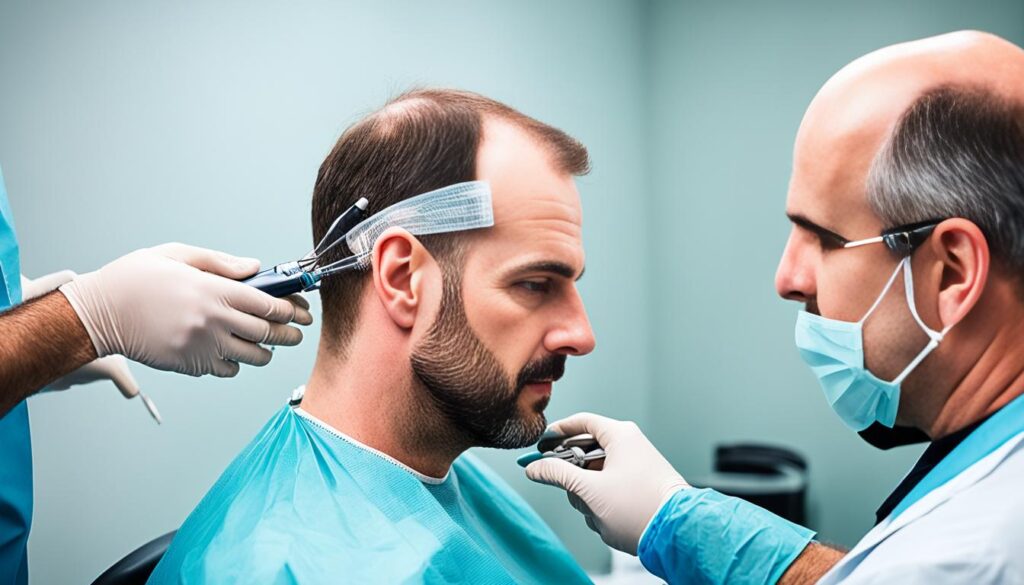
- Hair Transplantation: In severe cases of female alopecia with significant hair loss, hair transplantation may be an option. This procedure involves taking small pieces of scalp from areas with hair and transplanting them to areas with thinning or no hair. This promotes natural regrowth and can restore hair density.
Lifestyle Changes for Hair Growth
While medical treatments can be effective in treating female alopecia, certain lifestyle changes can also support hair growth. Maintaining a healthy lifestyle and a nutritious diet rich in essential nutrients, especially iron, may promote overall hair health. Gentle scalp massages can increase blood circulation and stimulate hair follicles, potentially leading to thicker hair. Avoiding damaging hair treatments such as heat styling and tight hairstyles can also prevent further hair loss and breakage. It is important to consult with a healthcare professional to address any underlying health conditions or nutrient deficiencies.
Implementing a healthy lifestyle is crucial in promoting hair growth. By taking care of your body, you are also taking care of your hair. A nutritious diet plays a significant role in providing essential nutrients for healthy hair. Incorporate foods rich in iron, such as spinach, lentils, and lean red meat, to support optimal hair growth.
Scalp massages are a simple yet effective way to improve blood circulation to the hair follicles. Use your fingertips to gently massage your scalp in circular motions for a few minutes each day. This can help stimulate hair growth and strengthen the hair roots, leading to thicker and healthier hair.
Avoiding damaging hair treatments is crucial in preventing further hair loss and breakage. Heat styling tools such as curling irons and straighteners can weaken the hair shaft and cause it to break. Opt for heat-free styling methods or use heat protectant products before styling. Tight hairstyles such as ponytails and braids can put excessive strain on the hair, leading to traction alopecia. Choose looser hairstyles or alternate between different styles to give your hair a break.
“A healthy lifestyle and proper hair care can go a long way in promoting hair growth and preventing hair loss.” – Dr. Sarah Johnson, Dermatologist
It is important to consult with a healthcare professional, specifically a dermatologist or trichologist, to address any underlying health conditions or nutrient deficiencies that may be contributing to hair loss. They can provide personalized advice and recommend specific treatments or supplements to support hair regrowth.
| Essential Nutrients for Healthy Hair | Food Sources |
|---|---|
| Iron | Spinach, lentils, lean red meat |
| Omega-3 Fatty Acids | Fatty fish, walnuts, flaxseeds |
| Vitamin C | Oranges, strawberries, bell peppers |
| Vitamin E | Almonds, sunflower seeds, spinach |
| Zinc | Pumpkin seeds, beef, chickpeas |
Conclusion
Female alopecia is a common condition that can have a significant impact on a woman’s self-esteem and confidence. However, there are effective treatment options available that can help promote hair regrowth and address the challenges of hair loss.
Topical treatments, such as minoxidil, have been shown to be effective in retaining and regrowing hair in women with female pattern baldness. Systemic medications like spironolactone can act as anti-androgens and reduce hair loss. Additionally, hormonal therapy and lifestyle changes, such as maintaining a healthy diet and avoiding damaging hair treatments, can support overall hair health.
Consulting with a healthcare professional is crucial for developing the most appropriate treatment plan based on individual needs and medical history. With the right approach, women can overcome the challenges of hair loss and regain their self-esteem, embracing their natural beauty.
FAQ
What is female pattern baldness?
Female pattern baldness, also known as androgenetic alopecia, is a condition that causes hair loss in women. It is characterized by a gradual thinning of the hair on the top of the head and a widening of the part.
What causes female pattern baldness?
Female pattern baldness is primarily caused by genetics and hormonal factors. It is commonly linked to an inherited sensitivity to the hormone dihydrotestosterone (DHT). Hormone imbalances, such as those during menopause, can also contribute to hair loss in women.
Is minoxidil effective in treating female pattern baldness?
Yes, minoxidil is one of the most commonly recommended treatments for female pattern baldness. It can help retain and regrow hair by stimulating hair growth and prolonging the growth cycle of hair follicles. It is available both over-the-counter and by prescription.
What are some systemic treatments for female pattern baldness?
Some systemic treatments for female pattern baldness include spironolactone, cimetidine, and cyproterone acetate. These medications work by blocking the action of androgens and reducing their production, which can help prevent further hair loss and promote hair regrowth.
Can hormone therapy or birth control pills help with female pattern baldness?
Yes, hormone therapy and the use of birth control pills can be beneficial in treating female pattern baldness, especially if hormone imbalances are contributing to the hair loss. Birth control pills can decrease the production of ovarian androgens, which can help promote hair regrowth in women with androgenetic alopecia.
Are there any additional treatment options for female pattern baldness?
Yes, there are additional treatment options for female pattern baldness. These include medications like ketoconazole, finasteride, and dutasteride, which can help suppress the production of androgens and promote hair growth. In severe cases, hair transplantation may also be an option for women with significant hair loss.
Can lifestyle changes support hair growth in women with female pattern baldness?
Yes, certain lifestyle changes can support hair growth in women with female pattern baldness. Maintaining a healthy lifestyle and a nutritious diet, particularly one rich in essential nutrients like iron, can promote overall hair health. Gentle scalp massages can increase blood circulation and stimulate hair follicles, potentially leading to thicker hair.
What should I do if I am experiencing female pattern baldness?
If you are experiencing female pattern baldness, it is important to consult with a healthcare professional or dermatologist. They can evaluate your specific situation, recommend appropriate treatment options, and help you develop a personalized treatment plan based on your individual needs and medical history.