
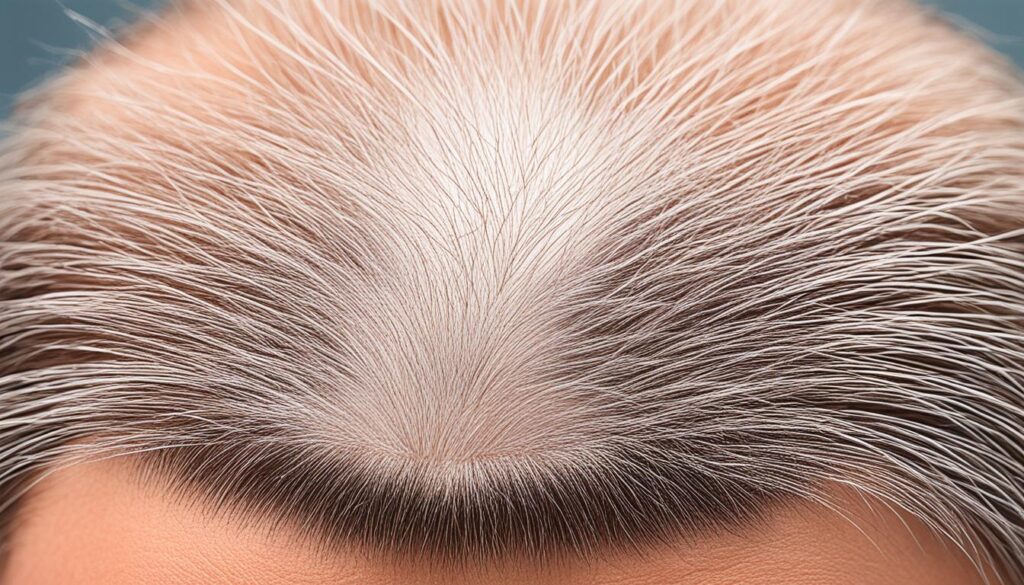
Hair thinning and loss can be a common concern for many women. Whether it’s due to hormonal changes, genetics, or underlying health conditions, experiencing thinning hair can have a significant impact on self-esteem and quality of life. In this guide, we will explore the causes of hair thinning in females and provide solutions and support for managing and treating this condition.
More than half of all women will experience hair thinning at some point in their lives. Understanding the underlying causes and available treatment options is key to finding the right solutions for you. From hormonal imbalances to lifestyle factors, there are various factors that can contribute to hair thinning in females. By addressing the root cause, it is possible to manage and even reverse the effects of thinning hair.
In this comprehensive guide, we will delve into the various causes of hair thinning in females. We’ll explore conditions like female pattern hair loss, examine the role of hormones, and consider the impact of lifestyle choices. Armed with this knowledge, you will have a better understanding of why hair thinning occurs and be able to make informed decisions about treatment options.
Treating hair thinning in females requires a personalized approach. There is no one-size-fits-all solution, but there are a range of treatment options available. From topical medications to light therapy and hormone therapy, we will discuss the various treatment modalities that can help stimulate hair growth and improve overall hair health.
In addition to treatment options, we will also explore tips for maintaining hair health. Simple changes to your haircare routine, such as avoiding excessive heat and using gentle products, can make a big difference. We’ll also touch on coping strategies for dealing with hair thinning, as well as when to seek professional help.
At the end of the day, it’s important to remember that you’re not alone in your journey. Many other women have experienced hair thinning and have found effective ways to manage and treat it. With the right knowledge, support, and treatment plan, you can regain confidence and achieve healthier, thicker hair.

Key Takeaways
- Hair thinning and loss can occur in females due to various factors such as hormonal changes, genetics, and underlying health conditions.
- Identifying the underlying cause of hair thinning is important in determining the most effective treatment options.
- Treatment options for hair thinning in females include topical medications, light therapy, hormone therapy, and lifestyle changes.
- Maintaining hair health involves using gentle haircare practices, avoiding excessive heat and chemical treatments, and eating a nutritious diet.
- Coping strategies and seeking support from professionals and support groups can help with the emotional challenges of hair thinning.
Causes of Hair Thinning in Females
Hair thinning in females can be attributed to a variety of factors. A common cause is female pattern hair loss, which is also known as androgenetic alopecia. This condition is influenced by both genetics and hormonal changes, particularly the production of dihydrotestosterone (DHT).
Other possible causes of hair thinning in females include hormonal imbalances, autoimmune conditions, thyroid issues, and certain lifestyle factors. Hormonal imbalances, such as those associated with polycystic ovary syndrome (PCOS), can disrupt the hair growth cycle and lead to thinning. Autoimmune conditions like alopecia areata can cause hair loss in patchy areas. Thyroid problems, such as hypothyroidism or hyperthyroidism, can also contribute to hair thinning.
Lifestyle factors, such as high levels of stress, excessive use of heat styling tools, and tight hairstyles, can weaken the hair and lead to breakage and thinning over time. It’s important to identify the underlying cause of hair thinning in order to determine the most effective treatment plan.
“Understanding the causes of hair thinning in females is crucial for developing targeted treatment strategies.”
Genetics and Female Pattern Hair Loss
Female pattern hair loss is primarily determined by genetic factors. It is often characterized by thinning hair on the crown or top of the head. This condition can be inherited from either the mother or father’s side of the family. Research suggests that certain genes can make hair follicles more sensitive to the effects of DHT, leading to miniaturization of the hair and eventual thinning.
Hormonal Imbalances
Hormonal imbalances can disrupt the natural hair growth cycle, leading to hair thinning. Fluctuations in estrogen and progesterone levels, such as those experienced during pregnancy or menopause, can affect the hair follicles. Conditions like polycystic ovary syndrome (PCOS) can cause an increase in androgens (male hormones) and result in hair thinning or hair loss in females.
Autoimmune Conditions
Autoimmune conditions, such as alopecia areata, occur when the body’s immune system mistakenly attacks the hair follicles. This can lead to sudden hair loss or thinning in localized areas. The exact cause of autoimmune conditions is still not fully understood, but they are thought to involve a combination of genetic and environmental factors.
Thyroid Issues
Thyroid disorders, including hypothyroidism (underactive thyroid) and hyperthyroidism (overactive thyroid), can impact the hair growth cycle. An underactive thyroid can cause hair to become thin and brittle, while an overactive thyroid can accelerate the hair growth cycle, leading to shedding and thinning.
Lifestyle Factors
Certain lifestyle factors can contribute to hair thinning in females. High levels of stress can disrupt the normal hair growth cycle and potentially lead to hair loss. Excessive use of heat styling tools, such as curling irons and straighteners, can damage the hair shaft and result in breakage and thinning. Tight hairstyles, like ponytails or braids, can exert tension on the hair follicles and lead to traction alopecia.
| Cause | Description |
|---|---|
| Female Pattern Hair Loss | Thinning hair on the crown or top of the head influenced by genetics and hormonal changes. |
| Hormonal Imbalances | Fluctuations in estrogen and progesterone levels, as well as conditions like PCOS, can disrupt the hair growth cycle. |
| Autoimmune Conditions | Immune system attacks the hair follicles, resulting in sudden hair loss or thinning. |
| Thyroid Issues | Underactive or overactive thyroid can impact the hair growth cycle and lead to thinning. |
| Lifestyle Factors | Stress, heat styling tools, and tight hairstyles can weaken the hair and contribute to thinning. |
Treatment Options for Hair Thinning in Females
When it comes to addressing hair thinning in females, there are several treatment options to consider. Finding the right solution for your unique needs is crucial in promoting hair regrowth and restoring volume. Let’s explore some of the most effective hair thinning remedies for women:
- Minoxidil: This topical medication is a popular choice for stimulating hair growth in women. It works by increasing blood flow to the hair follicles and extending the growth phase of the hair cycle. Minoxidil is available over-the-counter and can be easily applied directly to the scalp.
- Low-Level Light Therapy: Also known as laser therapy, this treatment involves exposing the scalp to red light wavelengths to stimulate hair follicles and promote regrowth. It is a painless and non-invasive option that can be performed either at home or in a dermatologist’s office.
- Ketoconazole Shampoo: This medicated shampoo contains an antifungal ingredient that can help reduce inflammation of the hair follicles and promote a healthy scalp environment. Regular use of ketoconazole shampoo can contribute to thicker and fuller-looking hair.
- Corticosteroid Injections: In some cases, corticosteroid injections may be recommended to treat specific areas of hair thinning or alopecia areata. These injections help reduce inflammation and stimulate hair growth in the affected areas.
- Platelet-Rich Plasma (PRP) Therapy: This innovative treatment involves injecting a concentrated solution of platelets from the patient’s own blood into the scalp. PRP contains growth factors that can stimulate hair growth and improve the overall health of the hair follicles.
- Hormone Therapy: For women experiencing hair thinning due to hormonal imbalances, hormone therapy may be a viable option. This treatment aims to restore hormone levels to normal and address the underlying cause of hair loss.
Lifestyle changes can also play a significant role in managing hair thinning. Stress management techniques, such as yoga or meditation, can help minimize hair loss associated with chronic stress. Additionally, a nutritious diet rich in proteins, vitamins, and minerals can support healthy hair growth.
Before embarking on any treatment plan, it is essential to consult with a healthcare professional or dermatologist. They can evaluate your specific case, determine the underlying cause of hair thinning, and recommend the most suitable women’s hair thinning treatment for you.
In Summary:
Treatment options for hair thinning in females include minoxidil, low-level light therapy, ketoconazole shampoo, corticosteroid injections, platelet-rich plasma therapy, and hormone therapy. Lifestyle changes, stress management, and a balanced diet also contribute to hair health. Consulting with a healthcare professional is crucial for personalized advice and guidance.

Tips for Maintaining Hair Health
In addition to specific treatment options, there are several general tips for maintaining hair health. By following these practices, you can improve the overall health and appearance of your hair.
Gentle Haircare Practices
Using gentle haircare practices is essential for preserving the strength and vitality of your hair. Avoid harsh brushing or combing, especially when your hair is wet, as it can cause breakage. Instead, use a wide-toothed comb or a brush with soft bristles to detangle your hair. Additionally, be mindful of the type of hair accessories you use, opting for those that are gentle on the hair shaft and scalp.
Avoid Excessive Heat and Chemical Treatments
Excessive heat, such as from curling irons, straighteners, and blow dryers, can damage the hair and contribute to hair thinning. Whenever possible, allow your hair to air dry or use low heat settings. Limit the use of chemical treatments, such as perms, relaxers, and colorants, as they can weaken the hair shaft. If you must use these treatments, opt for those that are specifically formulated for thinning hair and consult a professional stylist.
Massage the Scalp to Promote Circulation
Massaging your scalp regularly can help promote blood circulation to the hair follicles, stimulating hair growth. Gently massage your scalp using your fingertips in circular motions for a few minutes each day. You can also use natural oils, such as coconut or jojoba oil, during the massage for added nourishment. This simple practice can improve the health of your scalp and contribute to stronger, thicker hair.
Eat a Nutritious Diet
A well-balanced diet rich in essential nutrients is crucial for maintaining healthy hair. Include foods that are high in vitamins, minerals, and proteins, such as leafy greens, fish, eggs, nuts, and whole grains. These nutrients support hair growth and strengthen the hair follicles from within. Additionally, staying hydrated by drinking an adequate amount of water throughout the day helps keep the hair moisturized and healthy.
Using Quality Hair Products
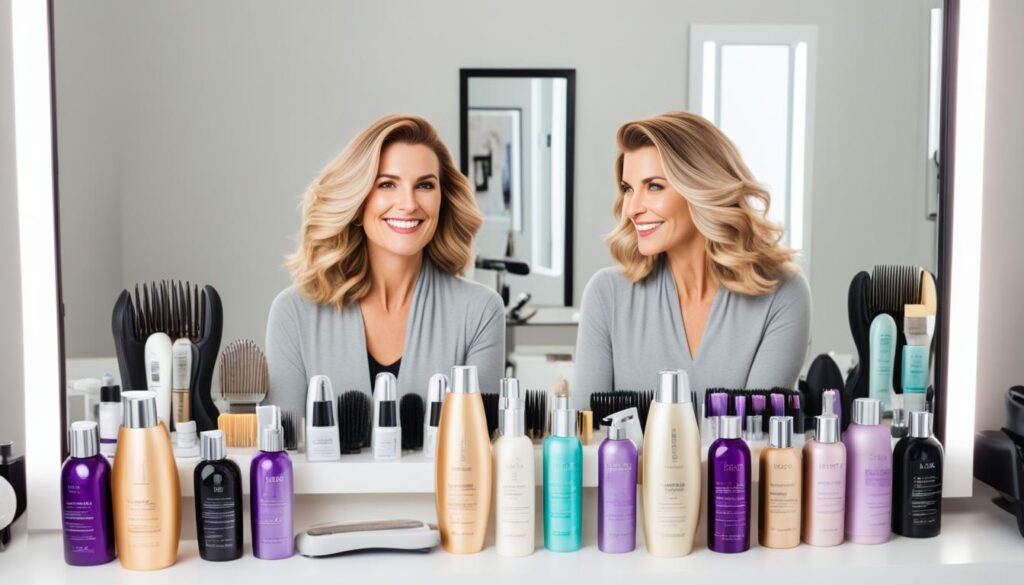
Choosing the right hair products can make a significant difference in the health and appearance of your hair. Look for high-quality, women’s thinning hair products that are specifically formulated to address the needs of thinning hair. These products often contain ingredients that nourish the scalp, strengthen the hair follicles, and promote hair growth. Incorporating these products into your haircare routine can help improve the overall health of your hair and boost its volume and thickness.
Incorporating these tips into your daily haircare routine can help you maintain and improve the health of your hair. By taking a holistic approach and focusing on gentle practices, proper nutrition, and using quality hair products, you can support the growth of strong, beautiful hair.

Coping Strategies for Hair Thinning
Dealing with hair thinning can be emotionally challenging for many women. It is important to seek support and find coping strategies that work for you. This may include talking to a therapist or joining support groups where you can connect with others who are experiencing similar challenges.
Additionally, exploring different hairstyles and using hair accessories can help boost confidence and enhance self-image. Consider trying out new styles that add volume or create the illusion of thickness. Don’t be afraid to experiment and find what works best for you.
“Hair loss can impact our self-esteem and confidence, but remember that it doesn’t define your worth,” says Dr. Emily Roberts, a psychologist specializing in body image and self-esteem. “Find ways to embrace your natural beauty and focus on the aspects of yourself that you love.”
If you’re open to it, you might also consider options like wigs or hairpieces. These can provide a temporary solution while you explore other treatment options or until your hair regrows.
Remember that each person’s journey with hair loss is unique, and what works for someone else may not work for you. Take the time to explore different coping strategies and find the support that resonates with you.
| Coping Strategies for Hair Thinning | |
|---|---|
| 1. | Talk to a therapist or join support groups |
| 2. | Experiment with different hairstyles and hair accessories |
| 3. | Consider options like wigs or hairpieces |
| 4. | Embrace your natural beauty and focus on self-love |
When to Seek Professional Help
If you are experiencing hair thinning and it is causing distress or if you notice other concerning symptoms, it is important to seek professional help. A healthcare professional or dermatologist can provide a proper diagnosis and recommend appropriate treatment options tailored to your specific needs. They will also investigate any underlying causes that may be contributing to the hair thinning, such as hormonal imbalances or medical conditions, which may require targeted interventions.
By consulting with a professional, you can gain valuable insights into the best course of action for your hair thinning concerns. They have the expertise and resources to explore all possible treatment options and guide you through the process of regaining your confidence and achieving optimal hair health.
“Seek professional help for expert diagnosis and specialized treatment options.”
Conclusion
Hair thinning in females is a common concern that can have a significant impact on self-esteem and quality of life. Fortunately, there are various treatment options available to help manage and treat this condition. It is important to consult with a healthcare professional to determine the underlying cause and develop a personalized treatment plan.
Additionally, maintaining a healthy lifestyle and seeking support from others can contribute to overall hair health and well-being. Remember, you are not alone in this journey and there are solutions available to support you. Whether it’s using women’s hair thinning treatment, making dietary changes, or utilizing coping strategies, there are steps you can take to improve your hair health.
Don’t let hair thinning define you. Take charge of your hair health and explore the options that are available to you. With the right guidance and support, you can regain confidence and enjoy a fuller, healthier head of hair. Start your journey towards thicker, stronger hair today.
FAQ
What are the causes of hair thinning in females?
Hair thinning in females can be caused by factors such as hormonal changes, genetics, autoimmune conditions, thyroid issues, and lifestyle factors like stress and certain hair styling practices.
What treatment options are available for hair thinning in females?
Treatment options for hair thinning in females include minoxidil, low-level light therapy, ketoconazole shampoo, corticosteroid injections, platelet-rich plasma therapy, hormone therapy, and lifestyle changes such as managing stress and maintaining a healthy diet.
What are some tips for maintaining hair health?
To maintain hair health, it is important to use gentle haircare practices, avoid excessive heat and chemical treatments, massage the scalp to promote circulation, and eat a nutritious diet rich in essential nutrients for hair growth. Using quality hair products specifically designed for thinning hair can also help improve hair health and appearance.
What are some coping strategies for dealing with hair thinning?
Coping strategies for dealing with hair thinning include seeking support from therapists or joining support groups, exploring different hairstyles, using hair accessories, and considering options like wigs or hairpieces to boost confidence and enhance self-image.
When should I seek professional help for hair thinning?
It is important to seek professional help if hair thinning is causing distress or is accompanied by other concerning symptoms. A healthcare professional or dermatologist can provide a proper diagnosis, recommend appropriate treatment options, and investigate underlying causes that may require specific interventions.