
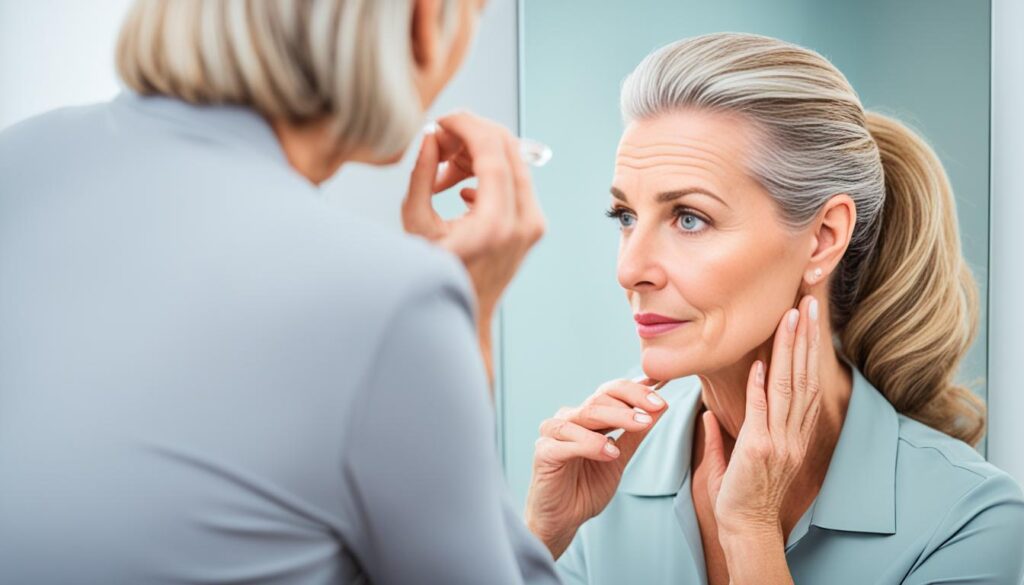
At US Care, we understand the impact that hair loss can have on a woman’s self-confidence and overall well-being. That’s why we are dedicated to providing expert care for women experiencing hair loss. Our team of highly trained and experienced female hair loss specialists are here to help you regain your confidence and find effective solutions for your specific needs.
Whether you are dealing with female pattern baldness, hair thinning, or any other form of hair loss, our specialized experts can provide the personalized treatment you deserve. We offer a comprehensive range of services, from women’s hair restoration procedures to non-surgical therapies, to address your unique concerns.
When it comes to female hair loss, it’s essential to consult with a specialist who understands the complexities of this condition and can offer tailored treatment options. Our experts stay up to date with the latest advancements in hair restoration, ensuring that you receive the most effective and innovative solutions available.

Key Takeaways:
- US Care offers expert female hair loss specialists who understand the unique needs of women experiencing hair loss.
- We provide a wide range of services, including women’s hair restoration procedures and non-surgical therapy options.
- Our specialists stay informed about the latest advancements in hair restoration to provide the most effective and innovative solutions.
- Consulting with a female hair loss specialist is crucial for personalized treatment plans tailored to your specific needs.
- Regain your confidence and find effective solutions for your hair loss by trusting the expertise of our experienced team.
Understanding Female Pattern Hair Loss
Female pattern hair loss (FPHL) is a common condition that primarily affects women in midlife, although it can start earlier. It is characterized by a gradual thinning of the hair and a widening part. FPHL is often hereditary, meaning it can be passed down through generations of family members. Hormonal factors may also contribute to this type of hair loss.
Diagnosing FPHL requires the expertise of a dermatologist who specializes in female hair loss. They will conduct a thorough evaluation to rule out other potential causes of hair loss, such as nutritional deficiencies or underlying medical conditions.
Fortunately, there are effective treatment options available for female pattern hair loss. These treatments aim to prevent further hair loss and promote regrowth, helping women regain their confidence and restore a fuller head of hair.
One of the most commonly recommended treatments for FPHL is minoxidil. This topical medication is available over the counter and comes in different strengths, usually 2% or 5%. Minoxidil works by stimulating hair follicles and prolonging the growth phase of the hair cycle. It is essential to use minoxidil consistently and as directed to see positive results.
In addition to minoxidil, prescription medications like spironolactone may be prescribed by a hair loss specialist to treat FPHL. Spironolactone is a medication that helps block the effects of androgens, hormones that can contribute to hair loss.
For women with more severe cases of FPHL, hair transplant surgery may be an option. During this procedure, hair follicles are harvested from areas of the scalp with healthy hair growth and transplanted into thinning or balding areas. Hair transplant surgeries are typically performed by skilled hair restoration surgeons and offer a permanent solution for hair regrowth.
Other innovative treatments, such as laser therapy, platelet-rich plasma therapy, and stem cell therapy, are also being researched for their potential in treating female pattern hair loss.
It’s important for women experiencing hair loss to consult with a specialized hair loss professional who can provide personalized advice and recommend the most suitable treatment options. With the help of a female hair loss specialist, women can find effective solutions for female pattern hair loss and regain their confidence.
Treatment Options for Female Pattern Hair Loss
| Treatment | Description |
|---|---|
| Minoxidil | A topical medication that stimulates hair follicles and promotes hair growth. |
| Spironolactone | A prescription medication that helps block the effects of hormones that contribute to hair loss. |
| Hair Transplant Surgery | A surgical procedure that involves harvesting hair follicles from healthy areas to transplant into thinning or balding areas. |
| Laser Therapy | The use of low-level laser light to stimulate hair growth and improve follicle function. |
| Platelet-Rich Plasma (PRP) Therapy | A treatment that utilizes the patient’s own platelets to promote hair growth and improve hair density. |
| Stem Cell Therapy | A procedure that harnesses the regenerative properties of stem cells to stimulate hair growth. |
Treatment Options for Female Pattern Hair Loss
When it comes to treating female pattern hair loss (FPHL), there are several options available. These treatments can help manage the condition and promote hair regrowth. It’s important to consult with a female hair loss doctor to determine the most suitable treatment plan for you.
The Power of Minoxidil
One of the most commonly recommended treatments for FPHL is minoxidil. Available in 2% or 5% strength, minoxidil is a topical solution that is applied directly to the scalp. It works by revitalizing hair follicles and promoting hair growth.
While using minoxidil, it’s important to note that some temporary hair loss may occur initially. However, this is a positive sign that the treatment is working, as it indicates that new hair is starting to grow. Consistent and regular use is key to achieving the best results with minoxidil.
Prescription Medications: Spironolactone
Another treatment option for FPHL is the prescription medication spironolactone. This medication is typically prescribed by female hair loss doctors to help manage hair loss and promote hair regrowth.
Spironolactone is an androgen blocker, which means it can help lower the levels of androgens (male hormones) that contribute to hair loss in women. By reducing the impact of androgens on the hair follicles, spironolactone can help slow down or even reverse hair loss.
Hair Transplant Surgeries
For women with advanced FPHL or those who have not seen significant improvement with other treatments, hair transplant surgeries can be considered. Hair transplant surgeries involve taking hair follicles from one part of the scalp (typically the back or sides) and transplanting them to areas of thinning or balding.
Hair transplant surgeries should only be performed by experienced hair transplant surgeons or board-certified dermatologists. They can provide a permanent solution to FPHL and help restore a natural-looking head of hair.
Exploring Innovative Treatments
In addition to the established treatments mentioned above, ongoing research is exploring innovative therapies for FPHL. Some of these therapies include:
- Laser therapy: This treatment uses low-level laser light to stimulate hair growth and enhance the health of hair follicles.
- Platelet-rich plasma (PRP) therapy: PRP therapy involves injecting a concentrated solution of platelets into the scalp to promote hair regrowth.
- Stem cell therapy: Stem cell therapy aims to stimulate dormant hair follicles and encourage new hair growth using stem cells.
While these innovative treatments show promise, they are still being researched and may not be widely available. It’s important to consult with a female hair loss doctor to stay informed about the latest advancements in FPHL treatment.
As with any medical condition, it’s crucial to consult with a female hair loss doctor to determine the most appropriate treatment plan for your specific needs. They will be able to assess your condition, identify the underlying causes of your hair loss, and recommend the most effective solutions.
At-Home Treatments for Hair Loss
When it comes to addressing hair loss, there are various at-home treatments that can help in stimulating hair growth and improving the overall condition of your scalp. While these treatments may not be as intensive as those offered at a hair loss clinic, they can still provide noticeable results when used consistently and correctly.
Minoxidil:
One of the most widely used at-home treatments for hair loss is minoxidil. Minoxidil is available in the form of a topical solution or foam and is applied directly to the scalp. It works by increasing blood flow to the hair follicles, stimulating hair growth and preventing further hair loss. Minoxidil is available over-the-counter and does not require a prescription.
It’s important to note that minoxidil may cause scalp irritation as a side effect. However, this is usually temporary and subsides with continued use. If you experience any severe or persistent irritation, it’s best to discontinue use and consult with a woman hair loss specialist.
Laser Therapy:
Laser combs or helmets that emit low-level laser light can also be used as at-home treatments for hair loss. These devices work by stimulating the hair follicles and promoting hair growth. They can be used alongside minoxidil or as a standalone treatment.
Laser therapy requires regular and consistent use to see results. It’s important to follow the manufacturer’s instructions and consult with a hair loss specialist before starting any laser therapy at-home treatment.
Microneedling:
Microneedling devices use tiny needles to create microscopic channels in the scalp. This process stimulates the production of collagen and improves blood circulation, promoting hair growth. Microneedling can be done at home using handheld devices or performed by a professional.
As with any at-home treatment, it’s essential to consult with a hair loss specialist, particularly if you have any pre-existing medical conditions or are currently undergoing other hair loss treatments.


| At-Home Treatments | Benefits |
|---|---|
| Minoxidil | – Stimulates hair growth – Prevents further hair loss – Available without a prescription |
| Laser Therapy | – Stimulates hair follicles – Promotes hair growth – Can be used alongside other treatments |
| Microneedling | – Stimulates collagen production – Improves blood circulation – Can be done at home or professionally |
While at-home treatments can be effective, it’s important to note that they may not be suitable for everyone or provide the same results as professional treatments. Consulting with a woman hair loss specialist can help guide you in choosing the most appropriate at-home treatment based on your individual needs and hair loss condition.
Medical Procedures for Hair Regrowth
Dermatologists can perform various medical procedures to help regrow hair and address hair loss concerns. These procedures are typically recommended for individuals who have tried other treatments without success or who require more targeted and effective solutions.
In this section, we will explore two common medical procedures for hair regrowth:
Corticosteroid Injections
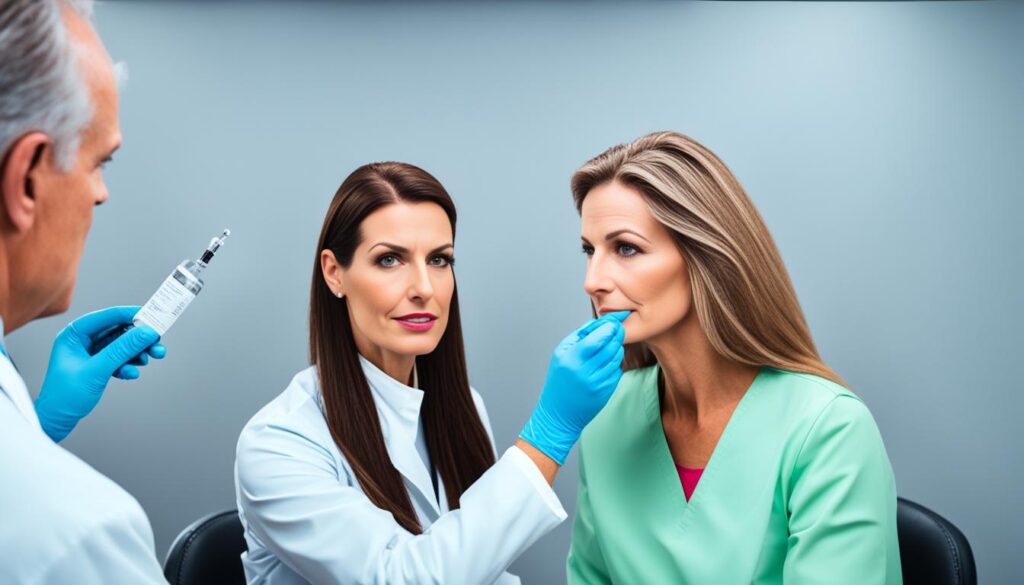
Corticosteroid injections are an effective treatment option for individuals experiencing patchy hair loss due to conditions like alopecia areata. This procedure involves injecting corticosteroids directly into the affected areas of the scalp. The corticosteroids work by reducing inflammation and suppressing the immune response, which can help stimulate hair regrowth. Multiple injections may be required over a period of time to achieve optimal results.
Hair Transplant Surgeries
Hair transplant surgeries are a permanent solution for restoring hair in individuals with significant hair loss or baldness. There are two main techniques used in hair transplant procedures: follicular unit transplantation (FUT) and follicular unit extraction (FUE). FUT involves removing a strip of scalp from the back of the head and transplanting individual hair follicles to the thinning or balding areas. FUE, on the other hand, involves harvesting individual hair follicles directly from the scalp and implanting them into the desired areas.
It’s important to note that not everyone is a good candidate for hair transplant surgeries. Factors such as the extent of hair loss, hair density, scalp condition, and overall health will be evaluated to determine the suitability of this procedure. It’s crucial to consult with a board-certified dermatologist or hair transplant surgeon to assess your specific case and discuss the potential risks, benefits, and expected outcomes of the surgery.
By considering these medical procedures, individuals can explore advanced options for hair regrowth under the guidance of experienced professionals.
Conclusion
Female hair loss can be a distressing condition, but there are expert female hair loss specialists who can provide compassionate care and tailored solutions. At the female hair loss clinic, our team of dedicated professionals understands the emotional impact of hair loss and is committed to helping women regain their confidence.
Our woman hair loss specialist will work closely with you to identify the underlying cause of your hair loss and develop a personalized treatment plan. From topical solutions and oral medications to advanced hair restoration techniques, we offer a range of female hair loss solutions to meet your specific needs.
Whether you choose at-home treatments like minoxidil or explore medical procedures such as hair transplant surgeries, our goal is to help you achieve women’s hair regrowth treatment and restore a full and healthy head of hair. We stay up-to-date with the latest advancements in hair loss research and technology to provide you with the most effective options available.
If you’re experiencing hair loss, don’t wait to seek help. Schedule a consultation with our female hair loss specialist to discuss your concerns and start your journey towards regaining your confidence and achieving the hair you desire.
FAQ
What is female pattern hair loss?
Female pattern hair loss (FPHL) is the most common cause of hair loss in women. It is characterized by a widening part and overall thinning of the hair. FPHL typically begins in midlife, but it can start earlier. It is hereditary, and hormones may also play a role.
How can I diagnose female pattern hair loss?
To diagnose FPHL, it’s best to see a dermatologist who will rule out other causes of hair loss. They will assess your medical history, examine your scalp and hair, and may order blood tests or perform a scalp biopsy if necessary.
What are the treatment options for female pattern hair loss?
Treatment options for FPHL include minoxidil, prescription medications like spironolactone, and hair transplant surgeries. Minoxidil, available in 2% or 5% strength, can stimulate hair growth when used consistently. Spironolactone is a medication that can be prescribed by dermatologists to treat FPHL. Hair transplant surgeries provide a permanent solution for restoring hair.
Are there any at-home treatments for hair loss?
Yes, there are at-home treatments for hair loss. These include using minoxidil, which can stimulate hair growth, laser combs or helmets that emit low-level laser light, and microneedling devices. It’s important to consult with a dermatologist before starting any at-home treatment to ensure proper usage and potential side effects.
What medical procedures can help regrow hair?
Dermatologists can perform medical procedures such as corticosteroid injections and hair transplant surgeries to help regrow hair. Corticosteroid injections are effective for treating patchy hair loss caused by conditions like alopecia areata. Hair transplant surgeries provide a permanent solution for restoring hair, but not everyone is a good candidate. These procedures should only be performed by a board-certified dermatologist or hair transplant surgeon.
How can I find a female hair loss specialist?
If you’re looking for a female hair loss specialist, it’s best to search for dermatologists or hair restoration experts who specialize in treating women’s hair loss. You can ask for recommendations from your primary care physician or search online for local clinics or medical centers that offer female hair loss services.