

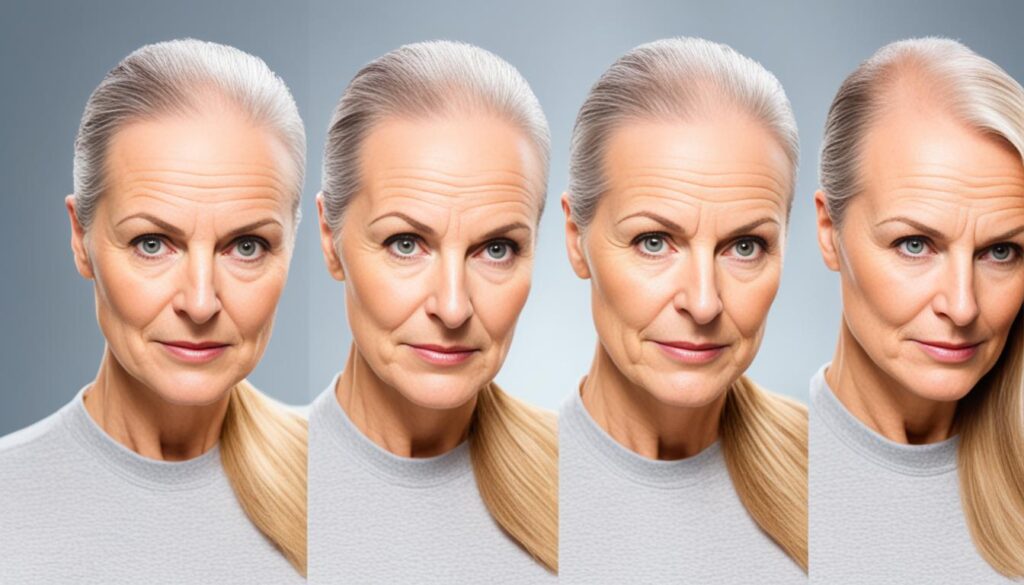
Female pattern baldness, also known as women pattern baldness, is a common condition that affects many women. It is characterized by hair thinning on the top and crown of the scalp, often in a Christmas tree pattern. While the front hairline remains unaffected, total or near-total baldness is rare.
Women pattern baldness, or alopecia in women, can be caused by a variety of factors, including aging, changes in hormone levels, family history, heavy menstrual bleeding, certain medications, and other factors. It is important for women experiencing excessive hair loss to seek medical evaluation and diagnosis to identify the underlying cause.

Key Takeaways:
- Female pattern baldness is the most common type of hair loss in women.
- It is characterized by hair thinning on the top and crown of the scalp.
- The front hairline remains unaffected, and total or near-total baldness is rare.
- The cause of female pattern baldness is believed to be related to aging, changes in hormone levels, family history, heavy menstrual bleeding, certain medications, and other factors.
- Women experiencing excessive hair loss should seek medical evaluation and diagnosis to identify the underlying cause.
Causes of Female Pattern Baldness
Female pattern baldness, also known as alopecia in women, can be attributed to various genetic factors and health conditions. Understanding the underlying causes of hair loss in women is crucial for effective diagnosis and treatment. Let’s explore the key factors that contribute to female pattern baldness:
Genetic Factors
A significant factor in the development of female pattern baldness is genetic predisposition. It often runs in families, suggesting a hereditary link. If your mother, grandmother, or other female relatives experienced hair loss, you may have a higher risk of developing the condition. Genetic susceptibility plays a fundamental role, shaping the pattern and severity of hair loss.
Hormonal Changes
Hormonal fluctuations can contribute to female pattern baldness. During menopause, the decline in estrogen levels can affect hair growth, leading to thinning and shedding. Hormonal imbalances, such as those associated with polycystic ovary syndrome (PCOS), can also influence hair health. Understanding the role of hormones in hair loss is essential for determining the appropriate treatment approach.
Autoimmune Diseases and Medications
Women with autoimmune disorders, such as alopecia areata, may experience hair loss as a result of an overactive immune response targeting the hair follicles. Additionally, certain medications, notably cancer treatments like chemotherapy, can cause temporary or permanent hair loss in women. It’s important to consider these factors when diagnosing and managing hair loss in female patients.
Traction Alopecia
Traction alopecia, another cause of hair loss in women, occurs when the hair is subjected to prolonged tension or tight hairstyles. This includes styles like braids, ponytails, buns, or extensions that pull the hair tightly. Over time, this tension can lead to hair breakage and permanent damage to the hair follicles. Recognizing the impact of hairstyling practices is crucial for preventing and treating traction alopecia.
Identifying the specific cause of female pattern baldness is essential for tailoring an effective treatment plan. By targeting the root cause, healthcare professionals can provide the most appropriate interventions to address the underlying genetic factors, hormonal imbalances, autoimmune conditions, and hair care practices that contribute to hair loss in women.
| Cause | Description |
|---|---|
| Genetic Factors | Hereditary predisposition to hair loss, often running in families. |
| Hormonal Changes | Fluctuations in estrogen levels and hormonal imbalances. |
| Autoimmune Diseases and Medications | Conditions like alopecia areata and medications such as chemotherapy. |
| Traction Alopecia | Tension and damage caused by tight hairstyles and prolonged pulling of the hair. |
Treatment Options for Female Pattern Baldness
Treatment for women pattern baldness aims to prevent further hair loss and promote hair regrowth. There are various options available to address female hair loss, ranging from medical treatments to non-pharmacological solutions.
The main medication approved for treating female pattern baldness is minoxidil, which is available in 2% or 5% solutions or foams. Minoxidil can stimulate hair growth in about 1 in 4 or 5 women and is commonly used long-term to maintain its effects.
If minoxidil is not effective, there are other medications that may be recommended, such as spironolactone, cimetidine, birth control pills, and ketoconazole. These medications work through different mechanisms to address hair loss and can be tailored to individual needs.
In cases where medication is not sufficient, hair transplant may be considered as an option. This procedure involves transplanting healthy hair follicles from one area of the scalp to the thinning or balding areas.
Non-pharmacological solutions can also help improve the appearance of female pattern baldness. Hair weaving and hairpieces offer temporary solutions, allowing individuals to achieve a fuller head of hair. Additionally, making changes in hairstyle can help to camouflage thinning areas and create a more voluminous look.
It is important to consult with a healthcare professional specializing in hair loss to determine the most suitable treatment option based on individual needs and preferences. They can provide guidance and help create a personalized treatment plan to address women pattern baldness effectively.
Diagnosis of Female Pattern Baldness
Diagnosing female pattern baldness involves a thorough evaluation to rule out other potential causes of hair loss, such as thyroid disease or iron deficiency. A comprehensive assessment of the individual’s medical history and a detailed examination of the appearance and pattern of hair loss are vital factors in reaching a diagnosis.
During the diagnosis process, our team carefully examines for signs of excess male hormone (androgen) activity, such as abnormal hair growth or changes in menstrual periods. These observations help in determining if hormonal imbalances are contributing to the condition.
In some cases, additional tests, such as a skin biopsy or blood tests, may be necessary to identify any underlying skin disorders or hormonal imbalances that could be causing or exacerbating female pattern baldness.
Early and accurate diagnosis is critical in addressing female pattern baldness effectively. Through our thorough evaluation process, we aim to provide patients with a precise understanding of the causes of their hair loss and develop personalized treatment plans to promote regrowth and prevent further hair loss.
Here is an example of a table showcasing common diagnostic methods and their significance:
| Diagnostic Method | Explanation |
|---|---|
| Medical History | Uncovering potential underlying causes, such as hormonal imbalances or medication use |
| Physical Examination | Assessment of the appearance and pattern of hair loss to identify characteristic signs of female pattern baldness |
| Hormone Testing | Determining hormone levels to identify any imbalances or abnormalities |
| Scalp Biopsy | Examining a small sample of the scalp to evaluate for any underlying skin conditions |

Prevention and Self-Care for Female Pattern Baldness
Female pattern baldness, also known as women pattern baldness, is a condition largely influenced by genetic factors and can’t be fully prevented. However, there are steps that can be taken to keep your hair as healthy as possible and minimize damage. By incorporating self-care practices and making specific lifestyle choices, you can maintain the overall health and appearance of your hair.
- Limited damaging treatments: To prevent further hair loss and promote hair regrowth, it is important to limit treatments that can cause damage to your hair. Avoid chemical processes such as perming, coloring, or excessive heat styling. Additionally, be cautious with tight hairstyles, hair extensions, or weaves that can put stress on the hair follicles and potentially lead to traction alopecia.
- Follow a balanced diet: The health of your hair can be influenced by your diet. Make sure to include protein-rich foods such as lean meats, fish, eggs, and legumes to provide the building blocks for healthy hair growth. Incorporate a variety of fruits and vegetables that are rich in vitamins and minerals, especially those that contain vitamin A, vitamin C, and iron, which are essential for maintaining healthy hair.
- Protect from sun damage: Exposure to the sun’s harmful rays can contribute to hair damage. When spending time outdoors, especially during peak sun hours, protect your hair by wearing a hat or using a scarf to shield it from direct sunlight. This can help prevent dryness, brittleness, and color fading.
- Avoid brushing wet hair: Wet hair is more fragile and susceptible to breakage. Instead of using a brush, gently comb your hair with a wide-toothed comb or your fingers to avoid unnecessary hair loss. Start from the ends and work your way up to minimize tugging on the hair strands.
By implementing these preventive measures and adopting self-care practices, you can take an active role in maintaining the health and appearance of your hair, even with female pattern baldness.
Conclusion
Female pattern baldness is a common condition that impacts the self-esteem and confidence of many women. It is crucial for women experiencing excessive hair loss to seek medical evaluation and diagnosis to address the issue effectively.
While there is no known cure for female pattern baldness, there are a variety of treatment options available. These include medications such as minoxidil and spironolactone, along with hair transplant and non-pharmacological solutions like hair weaving and changes in hairstyle. Early intervention and ongoing treatment can play a significant role in preventing further hair loss and promoting regrowth.
In addition to medical treatments, self-care practices and maintaining overall hair health can help manage the appearance of female pattern baldness. Following a balanced diet rich in protein, vitamins, and iron, protecting the hair from sun damage, and avoiding damaging hair treatments are all important steps for maintaining healthy hair.
While dealing with women pattern baldness can be challenging, it is important to remember that there are solutions available to help address the issue and improve the overall well-being of those affected. Seeking professional help and adopting self-care practices can make a significant difference in managing female hair loss and promoting confidence.
FAQ
What is female pattern baldness?
Female pattern baldness is the most common type of hair loss in women. It is characterized by hair thinning on the top and crown of the scalp, often in a Christmas tree pattern. The front hairline remains unaffected, and total or near-total baldness is rare.
What causes female pattern baldness?
Female pattern baldness is largely believed to be caused by genetic factors, meaning it tends to run in families. Hormonal changes, such as those that occur during menopause, may also contribute to the development of female pattern baldness. Other factors that can lead to hair loss in women include autoimmune diseases like alopecia areata, medication use (such as certain cancer treatments), and traction alopecia caused by tight hairstyles.
What are the treatment options for female pattern baldness?
Treatment for female pattern baldness aims to prevent further hair loss and promote hair regrowth. The main medication approved for treating female pattern baldness is minoxidil, available in 2% or 5% solutions or foams. Other medications, such as spironolactone, cimetidine, birth control pills, and ketoconazole, may also be recommended if minoxidil is not effective. In some cases, hair transplant may be considered. Non-pharmacological solutions like hair weaving, hairpieces, and changes in hairstyle can also help improve the appearance of female pattern baldness.
How is female pattern baldness diagnosed?
Diagnosis of female pattern baldness typically involves ruling out other potential causes of hair loss, such as thyroid disease or iron deficiency. The appearance and pattern of hair loss, along with the individual’s medical history, are important factors in the diagnosis. Examination for signs of excess male hormone (androgen) activity, such as abnormal hair growth or changes in menstrual periods, may also be conducted. In some cases, a skin biopsy or blood tests may be necessary to identify any underlying skin disorders or hormonal imbalances.
Can female pattern baldness be prevented?
Female pattern baldness cannot be fully prevented, as it is largely influenced by genetic factors. However, there are steps that can be taken to keep the hair as healthy as possible and minimize damage. These include limiting treatments that can cause hair damage (such as perming or hair extensions), following a balanced diet rich in protein, vitamins, and iron, protecting the hair from sun damage by wearing a hat, and avoiding brushing the hair when it is wet and fragile.