
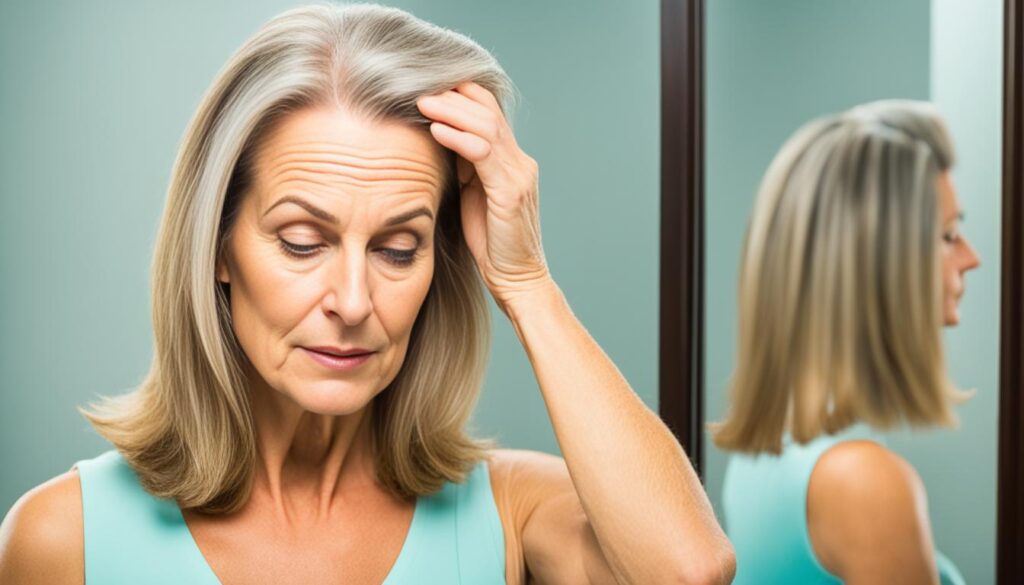
Welcome to our comprehensive guide on female pattern baldness in your 30s. Hair loss can be a distressing experience for women, affecting their self-confidence and overall well-being. In this article, we will explore the causes of women’s hair loss in their 30s, understand the unique challenges of thinning hair during this phase, and discuss various treatment options available to manage female pattern baldness.
Female pattern baldness, also known as androgenetic alopecia, is the most common type of hair loss in women. It typically manifests as hair thinning on the top and crown of the scalp, forming a distinctive “Christmas tree pattern.” Unlike men, women rarely progress to total baldness, and the front hairline remains unaffected.
The exact cause of female pattern baldness is not fully understood. However, it is believed to be influenced by a combination of factors including aging, hormonal changes, family history of hair loss, heavy menstrual bleeding, and certain medications. The condition is diagnosed by ruling out other causes of hair loss and through a physical examination.
We understand the impact of female pattern baldness on your life, and we are here to guide you through the available treatment options. From minoxidil, a topical medication that promotes hair growth, to more advanced treatments like hair transplants, we will explore the pros and cons of each approach.
In addition to medical treatments, we will also discuss non-surgical solutions such as hair weaving and wearing hairpieces, which can help you effectively manage female pattern baldness in your 30s.

Key Takeaways:
- Female pattern baldness is the most common type of hair loss in women.
- It manifests as hair thinning on the top and crown of the scalp, forming a “Christmas tree pattern.”
- The exact cause of female pattern baldness is not well understood but may be related to aging, hormonal changes, family history, heavy menstrual bleeding, and certain medications.
- Treatment options include minoxidil, hair transplants, medications, hair weaving, and wearing hairpieces.
- It is important to consult with a healthcare provider for an accurate diagnosis and personalized treatment plan.
Understanding Female Pattern Hair Loss
Female pattern hair loss, also known as androgenetic alopecia, is a common condition that affects women. It involves the thinning of hair across the scalp in a different pattern than men. The exact cause of female pattern hair loss is not fully understood, but it is believed to be influenced by a combination of genetic, hormonal, and environmental factors.
In female pattern hair loss, the hair follicles gradually shrink over time, resulting in shorter and finer hair. This process is known as miniaturization, and it leads to overall hair thinning. The affected areas typically include the top and crown of the scalp, with a widening central hair part. However, the front hairline is usually preserved.
Several factors can contribute to female pattern hair loss. Hormonal changes, such as fluctuations in estrogen and progesterone levels, can play a role. Additionally, an increased sensitivity of hair follicles to male hormones, such as dihydrotestosterone (DHT), can contribute to hair loss. Other factors that may contribute to female pattern hair loss include aging, family history, heavy menstrual bleeding, and certain medications.
Diagnosing female pattern hair loss involves ruling out other potential causes of hair loss and examining the appearance and pattern of hair thinning. A thorough medical history is also important to identify any underlying medical conditions or factors that may be contributing to the hair loss. In some cases, a skin biopsy or blood tests may be performed to confirm the diagnosis.
“Female pattern hair loss, also known as androgenetic alopecia, is a common condition characterized by hair thinning in a distinct pattern.”
“Diagnosing female pattern hair loss involves ruling out other potential causes of hair loss and examining the appearance and pattern of hair thinning.”
Understanding the underlying causes of female pattern hair loss is essential for developing effective treatment strategies. While there is no cure for this condition, there are various treatment options available that can help slow down the progression of hair loss and promote hair regrowth.
| Treatment Option | Description |
|---|---|
| Minoxidil | Topical medication that stimulates hair growth and helps slow down hair loss. |
| Anti-androgen medications | Medications that block the effects of male hormones on the hair follicles. |
| Hair transplantation | Surgical procedure that involves transplanting healthy hair follicles to areas of thinning or balding. |
| Hair weaving | Non-surgical technique that involves attaching artificial or natural hair extensions to the existing hair. |
In addition to these treatment options, there are also non-surgical solutions available, such as wearing hairpieces or exploring different hairstyles to mask the appearance of hair loss.
Key Takeaways:
- Female pattern hair loss is characterized by the thinning of hair across the scalp. It occurs in a different pattern than male hair loss.
- Hormonal changes, family history, aging, and certain medications can contribute to female pattern hair loss.
- Diagnosis involves ruling out other causes of hair loss and considering the appearance, pattern, and medical history of the patient.
- Treatment options include minoxidil, anti-androgen medications, hair transplantation, and non-surgical solutions like hair weaving.
Treatment Options for Female Pattern Baldness
When it comes to treating female pattern baldness, there are several options available that can help address the issue and restore hair growth. These treatment options range from medications to surgical and non-surgical solutions, providing women with different alternatives based on their needs and preferences.
Minoxidil: The FDA-Approved Medication
One of the most commonly used medications for female pattern baldness is minoxidil. This FDA-approved treatment comes in a topical form that can be applied directly to the scalp. Minoxidil may help stimulate hair growth in approximately 25-30% of women and can also slow down or stop further hair loss. This medication is available over-the-counter, making it easily accessible for those seeking treatment.


Additional Medications
If minoxidil does not produce the desired results, healthcare providers may recommend other medications to address female pattern baldness. Examples of these medications include spironolactone, cimetidine, and birth control pills. Each medication works differently to help manage hair loss, and your healthcare provider can guide you in choosing the most suitable option based on your specific needs and medical history.
Surgical Solutions: Hair Transplants
For women who do not respond well to medical treatments or have significant cosmetic concerns, hair transplant surgery can be an effective option. During a hair transplant procedure, hair follicles are taken from areas with healthy hair growth and implanted into areas experiencing baldness. This procedure can provide natural-looking results and long-lasting hair growth for women with female pattern baldness.
Non-Surgical Solutions: Hair Weaving and Hairstyle Changes
Non-surgical solutions also exist for managing female pattern baldness. Hair weaving, for instance, involves attaching natural or synthetic hair extensions to existing hair, giving the appearance of fuller hair. Additionally, changing hairstyles, such as opting for shorter cuts or experimenting with different partings, can help camouflage thinning areas and create a more voluminous look. These non-surgical solutions are often the least expensive and safest options available.
When exploring treatment options for female pattern baldness, it’s important to consult with a healthcare provider who specializes in hair loss. They can provide expert guidance, assess your unique situation, and recommend the most suitable treatment approach for you. Remember, every individual’s experience with female pattern baldness is different, and a personalized treatment plan can help you address your specific needs and regain confidence in your appearance.
Coping with Female Pattern Hair Loss
Dealing with hair loss, especially in cases of female pattern baldness, can be emotionally challenging. The impact on self-esteem and the anxiety it can cause are significant. It’s important to remember that female pattern hair loss is usually permanent, and there is currently no known way to prevent it.
If you are experiencing hair loss that continues or if you notice accompanying symptoms like itching or skin irritation, it is crucial to seek professional medical advice. Hair loss can sometimes be an indication of an underlying medical condition that should be addressed.
There are coping mechanisms that can help manage the psychological effects of female pattern hair loss. Seeking emotional support through therapy or support groups can provide a safe space to discuss concerns and feelings. It can also be helpful to explore different hair styling options to improve your overall appearance and boost self-confidence.
Addressing any underlying medical causes or concerns is essential in managing hair loss effectively. Consulting with a healthcare provider who specializes in hair loss can provide valuable guidance and treatment options to suit your specific situation.
Remember, you are not alone in this journey. Many individuals struggle with hair loss, and there are resources and support available to help you cope and regain your confidence.

“Hair loss can have a significant impact on an individual’s self-esteem and quality of life. It’s vital to take care of our mental well-being while dealing with the physical aspects of hair loss. Seeking support from professionals and loved ones can make a tremendous difference in navigating through this journey.” – Dr. Sarah Parker, Dermatologist
Conclusion
Female pattern baldness is a common issue that many women face, especially in their 30s. It can be a challenging experience, but there are ways to manage hair loss and regain confidence. Understanding the causes and available treatments is the first step in navigating this condition.
Treatment options for female pattern baldness include medications like minoxidil, which can promote hair growth and slow down the loss. For women who don’t respond well to medications, hair transplants can be a viable option. Non-surgical solutions like hair weaving or changing hairstyles can also help hide the effects of hair loss.
It’s essential to consult with a healthcare provider who specializes in hair loss to get an accurate diagnosis and personalized treatment plan. They can provide expert advice based on your unique situation and guide you towards the most effective management strategies.
Coping with hair loss may involve seeking emotional support from loved ones or joining support groups where you can connect with others who are going through a similar experience. Exploring different styling options to improve appearance can also be empowering. Remember, with the right strategies and expert guidance, you can successfully manage female pattern baldness and regain your confidence at any age.
FAQ
What is female pattern baldness?
Female pattern baldness is the most common type of hair loss in women. It is characterized by hair thinning mainly on the top and crown of the scalp in a “Christmas tree pattern.” The exact cause is not well understood but may be related to aging, changes in hormone levels, family history, heavy menstrual bleeding, and certain medications.
How is female pattern hair loss diagnosed?
Diagnosis is usually based on ruling out other causes of hair loss and a physical examination. The appearance and pattern of hair loss, as well as the patient’s medical history, are considered. Skin biopsy or blood tests may be used for confirmation in some cases.
What are the treatment options for female pattern baldness?
Treatment options include minoxidil, hair transplants, medications like spironolactone, cimetidine, and birth control pills, as well as non-surgical solutions like hair weaving or wearing hairpieces. Minoxidil is the only FDA-approved medication for treating female pattern baldness.
Can hair loss from female pattern baldness be prevented?
There is no known prevention for female pattern baldness. However, it is important to contact a healthcare provider if you have hair loss that continues or if there are accompanying symptoms like itching or skin irritation, as it may be a sign of an underlying medical disorder.
How can I cope with female pattern hair loss?
Coping mechanisms may include seeking emotional support, exploring hair styling options to improve appearance, and addressing any medical causes or concerns. It can also be helpful to consult with a healthcare provider for an accurate diagnosis and personalized treatment plan.