
Androgenic alopecia, also known as female pattern hair loss, is a common condition that can be distressing for many women. It is characterized by progressive hair thinning and loss in a typical pattern, which can significantly impact self-esteem and overall well-being.
Fortunately, there are effective treatment options available to help manage androgenic alopecia and promote hair regrowth. In this article, we will explore the latest androgenic alopecia treatments for women, offering hope and solutions for female pattern hair loss with proven results.

Key Takeaways:
- Androgenic alopecia, or female pattern hair loss, is a common condition that can have a significant impact on a woman’s self-esteem.
- There are FDA-approved treatments available for androgenic alopecia in women, including topical medications like minoxidil and oral medications like finasteride.
- Natural remedies and hair care tips can help support hair growth and improve the overall health of the hair.
- Hair restoration options such as hair transplantation and low-level laser therapy offer more permanent solutions for women with significant hair loss.
- The psychological impact of female hair loss should not be underestimated, and seeking support and coping strategies is essential for maintaining a positive outlook.
Understanding Androgenic Alopecia: Causes and Symptoms
Androgenic alopecia, also known as female pattern hair loss, is a condition characterized by progressive hair thinning and loss in a typical pattern. It primarily occurs due to hormonal factors, specifically the action of androgens on the hair follicles. The main androgen involved in female pattern hair loss is testosterone. When testosterone is converted into dihydrotestosterone (DHT) by the enzyme 5-alpha reductase, it binds to androgen receptors in the hair follicles, leading to miniaturization of the follicles and eventually hair loss.
The symptoms of androgenic alopecia in women typically start with a widening part and thinning of the hair on the crown of the head. Over time, the hair becomes less dense, resulting in overall hair loss. While genetics play a significant role in the risk for androgenic alopecia, hormonal imbalances and age can also contribute to hair loss in women.
Furthermore, hormonal changes during menopause can worsen androgenic alopecia in women. The decrease in estrogen levels and the rise in testosterone levels can further sensitise hair follicles to the effects of DHT, exacerbating hair loss.
To better understand the progression of androgenic alopecia, the Norwood-Hamilton classification system is commonly used. This classification system categorizes the severity of hair loss in women, ranging from minimal thinning (Grade I) to extensive hair loss on the entire scalp (Grade V).
Despite the general pattern observed for androgenic alopecia, it’s worth noting that not all women will experience the same progression or severity of hair loss. Each individual’s condition is unique, and the rate of hair loss can vary from person to person.
Effective management of androgenic alopecia requires a comprehensive understanding of its causes and symptoms. By identifying the underlying factors contributing to hair loss, appropriate treatment options can be explored to address female pattern hair loss effectively.
FDA-Approved Treatments for Androgenic Alopecia in Women
When it comes to female androgenic alopecia, there are various FDA-approved treatments available that can help combat hair loss and promote regrowth. These treatments have been specifically developed to address the unique needs of women experiencing hair thinning and provide effective solutions for female hair loss.
Minoxidil: Promoting Hair Regrowth
One of the most commonly used treatments for female hair loss is minoxidil. This topical medication is applied directly to the scalp and has been shown to stimulate hair regrowth and slow down further hair loss. Minoxidil works by widening blood vessels, improving blood flow to the hair follicles, and encouraging the regrowth of new, thicker hair strands. It is available over-the-counter and in various strengths, with the 5% solution being the most common for women. Results may vary, and it typically takes several months of consistent use to see noticeable improvements.
Finasteride: Block DHT for Hair Preservation
Finasteride is an oral medication that can be prescribed by a healthcare professional. It works by blocking the conversion of testosterone to dihydrotestosterone (DHT), a hormone that plays a significant role in hair loss. By reducing the levels of DHT in the scalp, finasteride helps preserve existing hair follicles and potentially promotes regrowth. It is important to note that finasteride is typically not recommended for use in women of childbearing age or women who are pregnant or planning to become pregnant.
Comparing Minoxidil and Finasteride:
| Treatment | Description | Application | Pros | Cons |
|---|---|---|---|---|
| Minoxidil | Topical medication | Applied directly to the scalp |
|
|
| Finasteride | Oral medication | Taken once daily |
|
|
It’s important to consult with a healthcare professional or dermatologist to determine the most suitable treatment option based on individual needs and medical history. They can provide personalized recommendations and guide women through the treatment process for androgenic alopecia.
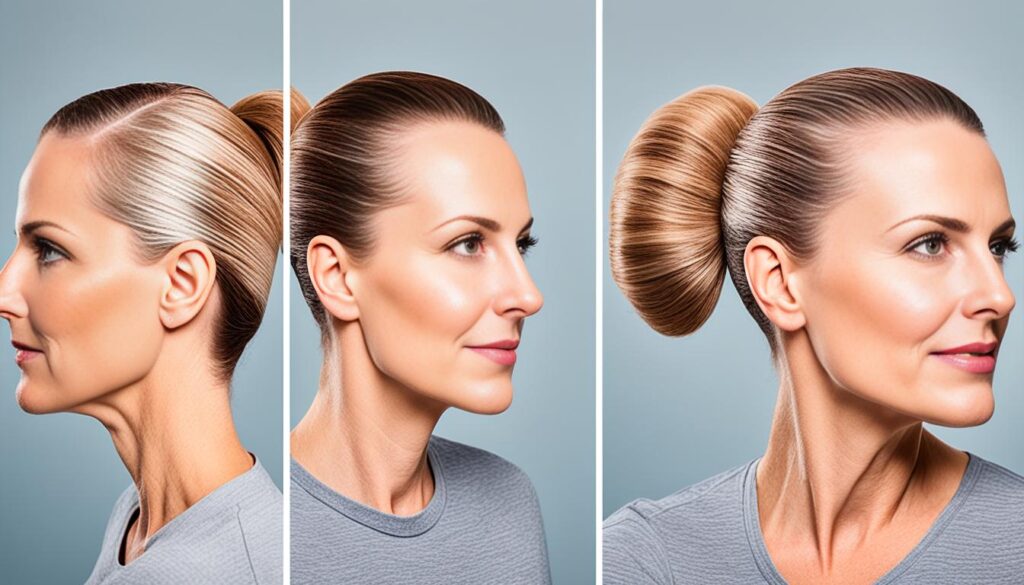

Section 3 highlights some of the FDA-approved treatments commonly used to address androgenic alopecia in women. Minoxidil and finasteride are among the top treatments for female hair loss, promoting hair regrowth and preserving existing hair follicles. It’s important to note that individual results may vary, and it’s advisable to consult with a healthcare professional for personalized treatment options.
Natural Remedies and Hair Care Tips for Female Hair Loss
In addition to FDA-approved treatments, there are also natural remedies and hair care tips that can help support hair growth and improve the overall health of the hair. Incorporating these remedies and tips into your routine can promote hair regrowth and help manage female hair loss. Below, we explore some popular natural remedies and hair care practices:
1. Essential Oils
Using essential oils, such as rosemary oil or lavender oil, can be beneficial for promoting hair growth. These oils are known to stimulate the hair follicles and improve blood circulation to the scalp, which can foster hair regrowth. You can mix a few drops of your chosen essential oil with a carrier oil, such as coconut oil or jojoba oil, and massage it into your scalp. Leave it on for a few hours or overnight before washing your hair.
2. Scalp Massage
A regular scalp massage can help improve blood flow to the hair follicles, encouraging hair growth. Gently massage your scalp using circular motions with your fingertips or a scalp massager. This not only stimulates the hair follicles but also promotes relaxation, reducing stress levels that can contribute to hair loss.
3. Balanced Diet
A balanced diet rich in vitamins and minerals is crucial for healthy hair growth. Include foods that are high in biotin, iron, zinc, and vitamins A, C, and E, as these nutrients are known to support hair health. Some examples of hair-healthy foods include spinach, salmon, eggs, sweet potatoes, and berries.
4. Gentle Hair Care Routine
It’s important to maintain a gentle hair care routine to avoid further damage and breakage. Use mild shampoos and conditioners that are suitable for your hair type. Avoid harsh styling products and excessive heat from styling tools, as these can weaken the hair and lead to hair loss. Protect your hair from the sun and harsh weather conditions by wearing a hat or using a UV-protective spray.
By incorporating these natural remedies and hair care tips into your routine, you can support hair growth and improve the overall health of your hair. Remember, consistency is key, and it may take time to see noticeable results. If you have concerns about your hair loss, consult with a healthcare professional for personalized advice and guidance.

Hair Restoration Options for Females with Androgenic Alopecia
For women experiencing significant hair loss or seeking more permanent solutions, there are various hair restoration options available. These treatments aim to address androgenic alopecia, also known as female pattern hair loss, and provide long-term results. The three main options include hair transplantation, scalp micropigmentation, and low-level laser therapy.
Hair Transplantation
Hair transplantation involves the transfer of healthy hair follicles from one area of the scalp to areas with hair loss. This procedure is suitable for women with sufficient donor hair and can result in improved density and thickness of the hair. Hair transplantations can provide natural-looking results and are considered a more permanent solution for androgenic alopecia. It is essential to consult with a qualified specialist to determine if hair transplantation is the right option for you.
Scalp Micropigmentation
Scalp micropigmentation is a non-surgical procedure that creates the illusion of hair follicles by tattooing tiny microdots of pigment onto the scalp. This technique can be used to create the appearance of a closely shaved head, adding the look of density to areas with hair loss. Scalp micropigmentation is suitable for women who prefer a short hairstyle and want to achieve the look of a fuller head of hair without undergoing surgery. It is a safe and effective option that requires minimal maintenance.
Low-Level Laser Therapy (LLLT)
Low-level laser therapy involves the use of red light to stimulate hair growth. This non-invasive treatment option can be performed both in professional settings and at home using handheld devices. LLLT works by increasing blood flow to the hair follicles, promoting cellular metabolism and hair regrowth. It is a convenient option for women seeking to improve hair density and thickness without undergoing invasive procedures. However, results may vary, and consistency is key when using LLLT devices.
When considering hair restoration options, it is crucial to consult with a qualified healthcare professional who specializes in treating female pattern hair loss. They can assess your individual needs, discuss the best treatment options for you, and provide personalized recommendations based on your hair loss severity, medical history, and preferences.
| Hair Restoration Option | Description |
|---|---|
| Hair Transplantation | Transfers healthy hair follicles from one area to areas of hair loss |
| Scalp Micropigmentation | Create the appearance of hair follicles using microdots of pigment |
| Low-Level Laser Therapy | Stimulates hair growth through red light therapy |
Psychological Impact of Female Hair Loss and Coping Strategies
Female hair loss can have a significant psychological impact, affecting women’s self-esteem, body image, and overall well-being. The psychological effects of androgenetic alopecia in women are diverse, ranging from feelings of embarrassment and loss of femininity to social withdrawal and decreased confidence.
It’s crucial to address the emotional aspects of hair loss and seek appropriate support from healthcare providers, therapists, or support groups. These professionals can provide guidance and help navigate the complex emotions associated with female androgenic alopecia.
Coping strategies play a vital role in helping women manage the psychological effects of hair loss. Acceptance is key; accepting the reality of hair loss can be liberating and allow women to focus on their overall well-being rather than solely on their appearance. Embracing a positive self-image is crucial for maintaining mental and emotional well-being.
Self-care practices are also essential for women experiencing hair loss. This can include prioritizing activities that promote emotional well-being, such as practicing mindfulness, engaging in hobbies, and maintaining a healthy lifestyle. Taking care of one’s mental and physical health can help cope with the challenges of female androgenic alopecia.
Finding support is crucial in navigating the psychological effects of hair loss. Connecting with others who have experienced similar challenges can provide a sense of community and understanding. Online forums, support groups, and counseling services are valuable resources for women seeking support from individuals who have firsthand experience with female hair loss.
“Connecting with others who share similar experiences can be empowering. It reminds us that we are not alone and that there is strength in our collective stories.”
Key Coping Strategies for Female Hair Loss:
- Practice acceptance and focus on overall well-being
- Engage in self-care activities
- Seek support from healthcare providers and therapists
- Connect with support groups or online communities
The psychological impact of female hair loss should not be underestimated. By addressing the emotional aspects of hair loss and employing effective coping strategies, women can navigate the challenges and maintain a positive outlook on their appearance and self-image.
Conclusion
Female hair loss can be a distressing condition, but there is hope for those seeking treatment. With advancements in medical options and natural remedies, it is now possible to effectively manage androgenic alopecia in women and promote hair regrowth.
FDA-approved medications, such as minoxidil and finasteride, have shown positive results in slowing down hair loss and stimulating hair regrowth. These treatments can be tailored to individual needs and should be explored under the guidance of healthcare professionals.
Additionally, natural remedies, like essential oils and scalp massage, can complement medical treatments and support healthy hair growth. Maintaining a balanced diet and adopting a gentle hair care routine can also contribute to overall hair health.
For those looking for more permanent solutions, hair restoration options such as transplantation, micropigmentation, and low-level laser therapy offer effective results in improving hair density and thickness.
By exploring the various treatment options available and seeking the right support, women with androgenic alopecia can regain their confidence and feel more comfortable in their own skin. Remember, you are not alone in this journey, and we are here to help you find the best solution for your unique needs.
FAQ
What is androgenic alopecia?
Androgenic alopecia, also known as female pattern hair loss, is a common condition characterized by progressive hair thinning and loss in a typical pattern. It is primarily caused by hormonal factors, specifically the action of androgens, such as testosterone, on the hair follicles.
What are the symptoms of androgenic alopecia in women?
The symptoms of androgenic alopecia in women include a widening part, thinning of the hair on the crown, and overall hair loss.
What are the FDA-approved treatments for androgenic alopecia in women?
FDA-approved treatments for androgenic alopecia in women include minoxidil, a topical medication, and finasteride, an oral medication that helps block the conversion of testosterone to dihydrotestosterone (DHT).
Are there any natural remedies for female hair loss?
Yes, there are natural remedies that can help support hair growth and improve the overall health of the hair. Some popular options include using essential oils, scalp massage, and maintaining a balanced diet rich in vitamins and minerals.
What are the hair restoration options for females with androgenic alopecia?
Hair restoration options for females with androgenic alopecia include hair transplantation, scalp micropigmentation, and low-level laser therapy.
How does female hair loss impact psychological well-being?
Female hair loss can have a significant psychological impact, affecting self-esteem, body image, and overall well-being.
What are some coping strategies for dealing with female hair loss?
Coping strategies for dealing with female hair loss include acceptance, self-care, and seeking support from healthcare providers, therapists, or support groups.