

Female pattern baldness, also known as androgenetic alopecia, is a common cause of hair loss in women, including those in their 20s. Dealing with hair loss at a young age can be particularly distressing, affecting self-esteem and overall quality of life. While there is no cure for female pattern baldness, there are various treatment options available to help manage the condition and potentially stimulate hair growth.
If you’re experiencing hair loss in your 20s, it’s important to understand the causes and available remedies for female pattern baldness. By educating yourself on the condition and exploring different treatment options, you can take proactive steps towards managing your hair loss and regaining confidence.
In this comprehensive treatment guide, we will delve into the details of female pattern baldness, its diagnosis, and the range of treatment options available to young women like yourself. By empowering you with knowledge, we aim to help you make informed decisions and find effective solutions for your hair loss concerns.

Key Takeaways:
- Female pattern baldness is a common cause of hair loss in women, including those in their 20s.
- There is no cure for female pattern baldness, but various treatment options can help manage and potentially stimulate hair growth.
- Diagnosis of female pattern baldness is primarily based on clinical examination and ruling out other potential causes of hair loss.
- Treatment options for female pattern baldness include topical minoxidil, oral anti-androgen medications, low-level laser therapy, and hair transplantation.
- Early diagnosis and treatment can lead to better outcomes, so it’s crucial to seek professional advice if experiencing hair loss in your 20s.
Understanding Female Pattern Baldness
Female pattern hair loss, also known as androgenetic alopecia, is a common condition that affects women of all ages. It is characterized by a gradual thinning of hair on the crown and frontal scalp, with retention of the frontal hairline. This progressive condition can have a significant impact on a woman’s self-esteem and quality of life.
Similar to male pattern hair loss, female pattern hair loss has similar histology and a comparable response to treatment. Although the exact cause is not fully understood, the condition is believed to be androgen-dependent, meaning that hormones such as testosterone and dihydrotestosterone (DHT) play a role. However, other factors may also contribute to the development and progression of female pattern hair loss.
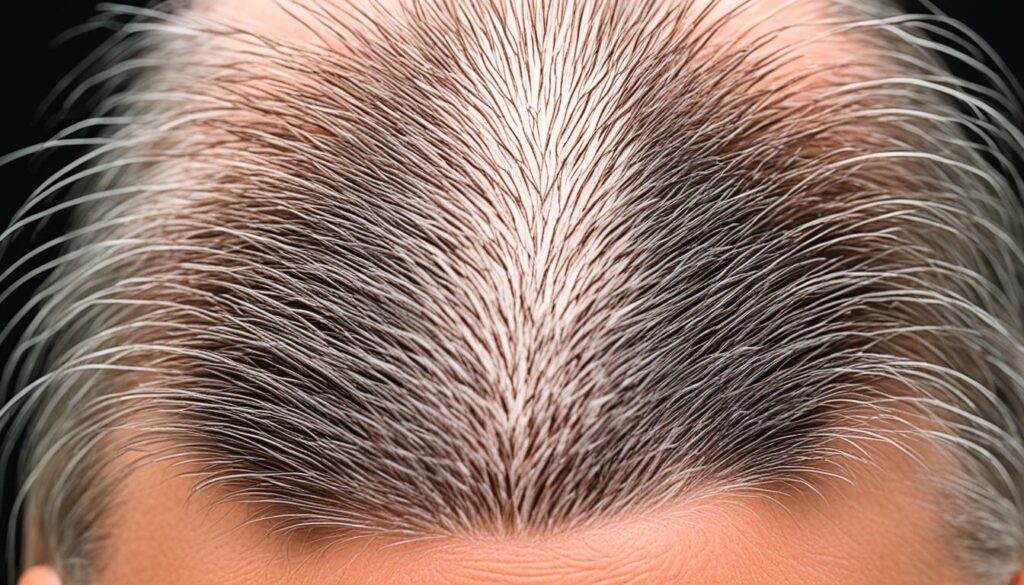
Note: Image depicts a visual representation of female pattern hair loss.
Diagnosing Female Pattern Baldness
Diagnosing female pattern baldness involves a comprehensive clinical examination by a qualified dermatologist or healthcare professional. The examination focuses on assessing the pattern and extent of hair loss and conducting additional tests if necessary.
During the diagnostic process, the healthcare professional will carefully examine the scalp, looking for specific signs of female pattern baldness. These signs include a gradual thinning of hair on the crown and frontal scalp, with preservation of the frontal hairline.
However, it is essential to rule out other potential causes of hair loss in women before confirming a diagnosis of female pattern baldness. The healthcare professional will consider factors such as hormonal imbalances, scalp conditions, and other underlying medical conditions that may contribute to hair loss.
In some cases, the healthcare professional may perform additional tests to aid in the diagnosis. Two common tests used for diagnosing female pattern baldness are the hair-pull test and dermoscopy.
The hair-pull test involves gently pulling a few strands of hair to assess the pattern of hair loss and the ease with which the hair is detached from the scalp. This test helps in evaluating the stage and severity of hair loss.
Dermoscopy, also known as scalp microscopy, is a non-invasive technique that allows the healthcare professional to closely examine the scalp using a specialized handheld device. It helps in identifying characteristic signs of female pattern baldness and ruling out other scalp conditions.
By conducting a thorough clinical examination and appropriate tests, healthcare professionals can accurately diagnose female pattern baldness and differentiate it from other types of hair loss. This diagnosis is crucial in determining the most suitable treatment options and developing a personalized treatment plan for each individual.

Possible Causes of Hair Loss in Women
Hair loss in women can have various underlying causes. It is important to evaluate these potential causes during the diagnostic process to ensure an accurate diagnosis and appropriate treatment plan.
| Possible Causes of Hair Loss in Women | Description |
|---|---|
| Hormonal Imbalances | Hormonal imbalances, such as an imbalance in estrogen or androgen levels, can contribute to hair loss in women. |
| Scalp Conditions | Certain scalp conditions, such as seborrheic dermatitis or scalp psoriasis, can cause temporary hair loss. |
| Nutritional Deficiencies | Inadequate intake of essential nutrients, such as vitamins, minerals, and proteins, can affect hair health and lead to hair loss. |
| Medical Conditions | Underlying medical conditions, such as thyroid disorders or autoimmune diseases, can contribute to hair loss in women. |
| Medications | Certain medications, including those used for chemotherapy or hormonal treatments, can cause hair loss as a side effect. |
Understanding the potential causes of hair loss in women is crucial for a comprehensive diagnosis and effective treatment. A thorough evaluation of these factors allows healthcare professionals to develop a targeted approach for managing female pattern baldness and addressing any underlying issues.
Treatment Options for Female Pattern Baldness
When it comes to treating female pattern baldness, there are several options available that can help address hair loss and promote regrowth. These treatment options include pharmacological and non-pharmacological approaches, each with its own benefits and considerations.
Pharmacological Treatments
Pharmacological treatments for female pattern baldness primarily involve topical applications and oral medications. One commonly used medication is topical minoxidil, which is directly applied to the scalp. Minoxidil works by stimulating hair follicles, promoting hair growth, and prolonging the growth phase of the hair cycle. It is available over-the-counter and in various strengths, allowing for personalized treatment plans.
Another pharmacological option is the use of oral anti-androgen medications. These medications help block the effects of androgens, which are hormones that contribute to hair loss in female pattern baldness. Anti-androgen medications can suppress the activity of these hormones and interrupt the hair loss process, potentially leading to improved hair density and regrowth.
Non-Pharmacological Treatments
Aside from pharmacological treatments, several non-pharmacological approaches can be beneficial for the treatment of female pattern baldness. One such option is low-level laser therapy (LLLT), which uses red light to stimulate hair growth. LLLT devices emit safe, low-energy lasers that are directly applied to the scalp, improving blood circulation and promoting hair follicle activity. Research has shown promising results in terms of increased hair density and improved hair quality.
For those seeking more extensive hair restoration, hair transplantation is an option to consider. During a hair transplant procedure, healthy hair follicles are carefully extracted from donor areas and transplanted to areas with thinning or balding hair. This technique allows for the natural and permanent regrowth of hair in the recipient areas, providing a long-lasting solution for female pattern baldness.
Treatment Considerations and Expectations
It’s important to note that the effectiveness of treatment options for female pattern baldness can vary from person to person. Additionally, treatments may take time to produce noticeable results, with improvements often seen after several months of consistent use or treatment sessions.

When considering treatment options, it is recommended to consult with a dermatologist or healthcare professional who specializes in hair loss. They can assess the individual’s specific needs, diagnose the extent and underlying causes of female pattern baldness, and recommend the most suitable treatment plan.
| Treatment | Method | Description |
|---|---|---|
| Topical minoxidil | Application to the scalp | A topical medication that stimulates hair growth and prolongs the hair growth phase. |
| Oral anti-androgen medications | Oral medication | Medications that block the effects of androgens, preventing further hair loss. |
| Low-level laser therapy (LLLT) | Application of red light | Stimulates hair follicles and improves blood circulation for enhanced hair growth. |
| Hair transplantation | Surgical procedure | Transplants hair follicles from donor areas to areas with hair loss for permanent regrowth. |
With the variety of treatment options available, it’s possible to find a solution that suits individual needs and preferences. To make informed decisions and achieve the best possible results, it’s essential to consult with a professional and explore the options for treating female pattern baldness.
Conclusion
Female pattern baldness can be a distressing condition for many young women, but there are effective solutions available to manage and slow down hair loss. If you’re experiencing hair loss in your 20s, it’s important to seek professional advice to ensure early diagnosis and treatment for better outcomes.
While there is currently no cure for female pattern baldness, there are various treatment options that can help improve the appearance of your hair and boost your self-confidence. Topical minoxidil and oral anti-androgen medications are commonly prescribed to slow down hair loss and promote regrowth. Additionally, non-pharmacological treatment options like low-level laser therapy and hair transplantation can also be considered.
To determine the best treatment plan for your individual needs, it’s crucial to consult with a dermatologist or healthcare professional specialized in hair loss. They can assess your condition, discuss the available treatment options, and provide personalized recommendations to help you achieve the most effective results.
FAQ
What is female pattern baldness?
Female pattern baldness, also known as androgenetic alopecia, is the most common cause of hair loss in women. It is characterized by a gradual thinning of hair on the crown and frontal scalp, with retention of the frontal hairline.
Can female pattern baldness start in your 20s?
Yes, female pattern baldness can start as early as the 20s. It is a progressive condition that can have a significant impact on a woman’s self-esteem and quality of life.
How is female pattern baldness diagnosed?
Female pattern baldness is primarily diagnosed based on clinical examination. A dermatologist or healthcare professional will assess the pattern and extent of hair loss, examine the scalp, and may perform additional tests such as the hair-pull test or dermoscopy.
What are the treatment options for female pattern baldness?
Treatment options for female pattern baldness include topical minoxidil, oral anti-androgen medications, low-level laser therapy, and hair transplantation. It is important to seek professional advice to determine the best treatment plan for your individual needs.
Can female pattern baldness be cured?
There is no cure for female pattern baldness, but there are treatment options available to help manage and slow down the progression of hair loss. Treatment results can vary and may take several months to become apparent.