
Welcome to our comprehensive guide on treatment solutions for Female Pattern Hair Loss (FPHL). Hair loss in women can be distressing, impacting both their appearance and self-esteem. FPHL is the most common cause of hair loss in women, and as prevalence increases with age, early diagnosis and treatment are crucial to prevent further hair loss. In this article, we will explore the various treatment options and effective remedies for managing FPHL, as well as provide essential hair care tips for women experiencing baldness and seeking regrowth treatment.

Key Takeaways:
- FPHL is the most common cause of hair loss in women.
- Treatment options for FPHL include oral antiandrogens, topical minoxidil, counseling, cosmetic camouflage, and hair transplantation.
- Minoxidil is the most recommended treatment and is available over the counter.
- Non-pharmacological treatment modalities for FPHL include hair transplants, laser therapy, platelet-rich plasma (PRP) therapy, and stem cell treatments.
- Supplements and hair loss shampoos can be used as additional treatment options.
- Adhering to good hair care practices is essential for managing FPHL.
Understanding Female Pattern Hair Loss and Its Impact
Female pattern hair loss, also known as androgenetic alopecia, is a common condition that primarily affects women. It is characterized by a gradual reduction in hair density over the crown and frontal scalp, while the frontal hairline is usually preserved. This loss of hair can have a significant impact on a woman’s self-esteem and overall well-being.
Androgenetic alopecia is a complex condition influenced by both genetics and hormonal factors. It is the most common cause of hair loss in women, with prevalence increasing with age. Research suggests that hormonal imbalances, specifically an excess of androgens (male hormones), contribute to the development of female pattern hair loss.
When identifying female pattern hair loss, it is important to understand its distinct pattern and progression. The Norwood-Hamilton classification system is commonly used to categorize the stages of hair loss in women. By recognizing the specific pattern and severity of hair loss, dermatologists can provide a more accurate diagnosis and develop personalized treatment plans.
Psychological Impact
The emotional and psychological impact of female pattern hair loss should not be underestimated. Hair loss can cause significant distress, leading to feelings of low self-esteem, social isolation, and anxiety. Studies have shown that women experiencing hair loss may also be more susceptible to depression and reduced overall quality of life.
“Hair loss can be emotionally devastating for women, impacting their self-image, confidence, and interpersonal relationships. It is important to address not only the physical aspects of the condition but also the emotional well-being of those affected.”
Understanding the emotional toll of hair loss is essential for healthcare providers to provide holistic care and support for women experiencing female pattern hair loss.
Diagnosis and Treatment
Diagnosing female pattern hair loss involves a comprehensive evaluation of the patient’s medical history, family history, and a physical examination of the scalp. Additional tests, such as blood work, may be necessary to rule out underlying medical conditions that could be contributing to hair loss.
Once a diagnosis is made, treatment options can be discussed. It is important to note that while there is no cure for female pattern hair loss, various treatment approaches can help slow down the progression of hair loss, improve hair density, and enhance hair regrowth.
Medical treatments for female pattern hair loss include topical minoxidil, oral antiandrogens, and other prescription medications. Topical minoxidil, available over-the-counter, is a widely used and effective treatment. It works by enhancing blood flow to the hair follicles and promoting hair growth. Oral medications such as antiandrogens may be prescribed in certain cases to block the effects of androgens and reduce hair loss.
In addition to medical treatments, non-pharmacological options such as hair transplants, laser therapy, platelet-rich plasma (PRP) therapy, and stem cell treatments may be considered. These modalities aim to stimulate hair growth and improve overall hair density.
Adopting a comprehensive approach to managing female pattern hair loss involves a combination of medical treatments, non-pharmacological interventions, and appropriate hair care practices. With the guidance of a dermatologist, women can devise a personalized treatment plan that addresses their specific needs and goals.
Next, we will explore the various medical treatment options available for female pattern hair loss.
Medical Treatment Options for Female Pattern Hair Loss
When it comes to treating Female Pattern Hair Loss (FPHL), there are several medical options available. The most recommended and commonly used treatment is minoxidil. This over-the-counter medication has been approved by the FDA for use in women and has shown effectiveness in promoting hair growth.
In addition to minoxidil, there are prescription medications that can be prescribed by a dermatologist. These include spironolactone, finasteride, and other antiandrogens. These medications work by inhibiting the effects of androgens, which play a role in the development of FPHL. By targeting the underlying cause of the condition, these medications can help slow down hair loss and promote regrowth.
It’s important to note that the use of prescription medications for FPHL should always be done under the guidance of a healthcare professional. A dermatologist will be able to assess your specific needs and medical history to determine the most suitable treatment option.
“Prescription medications such as spironolactone and finasteride have shown efficacy in treating Female Pattern Hair Loss (FPHL).” – Dr. Emma Smith, Dermatologist
In addition to medical treatments, there are also non-pharmacological options available for FPHL. These include hair transplants, laser therapy, platelet-rich plasma (PRP) therapy, and stem cell treatments. These modalities can provide alternative options for individuals who may not be suitable candidates for medical treatments or are looking for additional options to complement their treatment plan.
By combining medical treatments with non-pharmacological modalities, individuals with FPHL can increase their chances of achieving optimal results. It’s important to consult with a dermatologist who specializes in hair loss to develop a personalized treatment plan tailored to your specific needs.
Comparison of Medical Treatment Options for FPHL
| Treatment | Efficacy | Side Effects | Usage |
|---|---|---|---|
| Minoxidil | Effective in promoting hair growth | Mild scalp irritation | Topical application |
| Spironolactone | Effective antiandrogen | Potential for potassium imbalance | Oral medication |
| Finasteride | Effective in preventing further hair loss | Possible sexual side effects | Oral medication (for select cases) |
In conclusion, medical treatment options such as minoxidil, spironolactone, and finasteride offer effective solutions for managing Female Pattern Hair Loss. By consulting with a dermatologist and exploring both medical and non-pharmacological modalities, individuals can find a treatment plan that suits their needs and promotes regrowth for improved confidence and well-being.
Non-pharmacological Treatment Modalities for Female Pattern Hair Loss
When it comes to treating female pattern hair loss (FPHL), there are non-pharmacological options available that can help restore hair growth and improve the overall appearance of the hair. These treatments include:
- Hair Transplant: Hair transplants have come a long way in recent years and can provide natural-looking results for women with FPHL. During the procedure, healthy hair follicles are harvested from donor areas and transplanted into thinning or balding areas of the scalp, resulting in fuller and denser hair.
- Laser Therapy: Low-level laser therapy devices have shown promising results in stimulating hair growth for women with FPHL. These devices deliver laser energy to the scalp, helping to increase blood flow to the hair follicles and stimulate the growth of new, healthier hair.
- Platelet-Rich Plasma (PRP) Therapy: PRP therapy involves using the patient’s own blood, which is processed to isolate the platelet-rich plasma. This concentrated plasma is then injected into the scalp, where it helps stimulate hair follicles and promote hair growth. PRP therapy has been shown to be effective in improving hair density and volume.
- Stem Cell Treatments: Stem cell treatments for FPHL are still in the experimental stage, but they hold promise for future hair restoration. These treatments involve harnessing the regenerative properties of stem cells to stimulate hair follicles and promote new hair growth. Ongoing research is being conducted to determine the safety and efficacy of stem cell treatments for FPHL.
These non-pharmacological treatment modalities offer alternatives for women who may not be suitable candidates for pharmacological interventions or who prefer non-medication approaches. However, it is important to consult with a qualified healthcare professional to determine the most appropriate treatment option based on individual needs and goals.
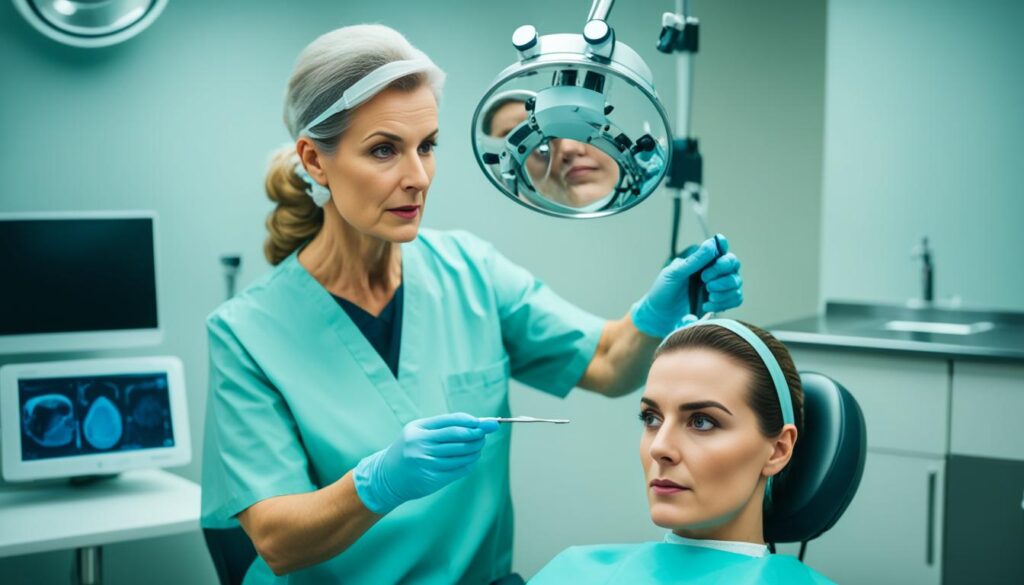

In the next section, we will explore other treatment options and hair care tips that can complement the non-pharmacological approaches discussed here.
Other Treatment Options and Hair Care Tips for FPHL
Aside from medical and non-pharmacological interventions, there are other treatment options and hair care tips that can help with Female Pattern Hair Loss (FPHL). While they may not provide a complete solution for regrowing hair, these options can complement existing treatments and promote overall hair health.
Dietary Supplements
Supplements, such as biotin and folic acid, have been widely marketed as remedies for hair loss. However, their effectiveness in promoting hair growth is still debated among experts. It is important to note that taking supplements alone may not be sufficient to address FPHL. Instead, a combination of specific supplements that support hair health, such as omega-3 fatty acids, omega-6 fatty acids, and antioxidants, may offer some benefits. Consult with a healthcare professional or a dermatologist before incorporating supplements into your hair care routine.
Hair Loss Shampoos
Hair loss shampoos can be another option to consider for managing FPHL. These specialized shampoos are formulated with ingredients that may help improve the appearance and manageability of hair. However, it is essential to understand that these shampoos cannot regrow hair or prevent further hair loss. They can be used as part of a comprehensive hair care routine, alongside medical treatments and other interventions. Look for shampoos that are gentle, sulfate-free, and specifically designed for hair loss concerns.

Hair Care Tips
Implementing good hair care practices is essential for maintaining overall hair health and managing FPHL. Here are some tips to consider:
- Avoid excessive heat styling, as it can damage hair follicles.
- Use gentle hair products that are free from harsh chemicals.
- Avoid tight hairstyles that pull on the hair, as it can cause traction alopecia.
- Eat a balanced diet rich in essential nutrients for healthy hair growth.
- Protect your hair from environmental damage by wearing hats or using UV protection.
- Practice stress-management techniques, as stress can contribute to hair loss.
By adopting these hair care tips and considering other treatment options, you can proactively address FPHL and support the overall health of your hair.
Conclusion
Managing female hair loss, specifically female pattern hair loss (FPHL), is crucial for women seeking to regain their confidence and improve their quality of life. With early diagnosis and appropriate treatment, FPHL can be effectively managed. There are various treatment options available, including both pharmacological interventions and non-pharmacological modalities.
Pharmacological interventions, such as oral antiandrogens and topical minoxidil, have shown positive results in promoting regrowth and reducing hair loss in women with FPHL. These treatments work by targeting the underlying causes of hair loss, such as hormonal imbalances. Consulting with a dermatologist is essential to determine the most suitable treatment plan based on individual needs and medical history.
In addition to medication, non-pharmacological treatment modalities can also play a significant role in managing FPHL. Hair transplants, laser therapy, platelet-rich plasma therapy, and stem cell treatments are among the options available. These treatments aim to stimulate hair follicles, promote regrowth, and improve the overall appearance of the hair. However, it is important to note that further research is needed to establish the safety and efficacy of some of these treatments.
Alongside treatment options, it is crucial to implement proper hair care practices. This includes avoiding excessive heat styling, using gentle hair products, and following a balanced diet rich in essential nutrients. Additionally, specific supplements and hair loss shampoos may complement the treatment process, although their effectiveness can vary from person to person.
In conclusion, managing female hair loss, particularly FPHL, requires a comprehensive approach that combines appropriate pharmacological interventions, non-pharmacological modalities, and effective hair care practices. By seeking early diagnosis, consulting with a dermatologist, and understanding the available options, women can effectively manage FPHL and promote regrowth, ultimately enhancing their confidence and overall well-being.
FAQ
What is female pattern hair loss (FPHL)?
Female pattern hair loss, also known as androgenetic alopecia, is a condition characterized by a reduction in hair density over the crown and frontal scalp, with retention of the frontal hairline. It is the most common cause of hair loss in women.
How prevalent is FPHL?
The prevalence of FPHL increases with age and affects a significant percentage of women. It is important to note that the exact prevalence may vary.
What impact does FPHL have on psychological well-being?
Hair loss in women can have a significant impact on psychological well-being, leading to feelings of low self-esteem and anxiety.
What are the recommended medical treatment options for FPHL?
Minoxidil is the most recommended treatment for FPHL and is available over the counter. Other options include prescription medications such as spironolactone and finasteride. It is important to consult with a dermatologist to determine the most suitable treatment option based on individual needs and medical history.
What non-pharmacological treatment options are available for FPHL?
Non-pharmacological treatment options for FPHL include hair transplants, laser therapy, platelet-rich plasma (PRP) therapy, and stem cell treatments. These treatments should be performed by qualified professionals, and additional research may be required to determine their safety and efficacy.
Are there any other treatment options or hair care tips for FPHL?
Other treatment options for FPHL include supplements and hair loss shampoos. Supplements such as biotin and folic acid have shown mixed results, while specific combinations of omega-3 fatty acids, omega-6 fatty acids, and antioxidants have shown promise. Hair loss shampoos can improve hair appearance and manageability, but cannot regrow hair or prevent further hair loss. It is also important to follow good hair care practices, such as avoiding excessive heat styling and using gentle hair products.
How can FPHL be effectively managed?
With early diagnosis and appropriate treatment, FPHL can be effectively managed. Treatment options include pharmacological interventions, non-pharmacological modalities, and hair care practices. Consulting with a dermatologist is essential for accurate diagnosis and personalized treatment planning.