
Female pattern hair loss is a common and frustrating issue for many women. It can have significant psychosocial effects and impact their self-esteem. The influence of hormones on the pathogenesis of female pattern hair loss is not completely understood, but hormone therapy has shown promising results in treating this condition.
Key Takeaways:
- Hormone therapy is an effective treatment option for female hair loss
- Hormones play a crucial role in the hair growth cycle
- Estrogen therapy can help maintain the hair growth phase
- Hormone replacement therapy (HRT) is commonly used for menopause-related symptoms
- Other treatments for female hair loss include minoxidil, low-level laser therapy, and PRP treatment
Understanding Female Pattern Hair Loss
Female pattern hair loss, also known as androgenetic alopecia, is the most common cause of hair loss in women. This condition is characterized by hair thinning at the vertex scalp while sparing the frontal hairline. While the exact mechanisms behind female pattern hair loss are not fully understood, hormones play a significant role in its development.
Hormonal imbalances and hair loss often go hand in hand, as hormonal fluctuations can disrupt the natural hair growth cycle. Androgens, such as testosterone and DHT, can influence the size of hair follicles and contribute to hair thinning. Additionally, imbalances in estrogen and progesterone can disrupt the hair growth phase and lead to hair loss. Understanding the role of hormones in female pattern hair loss is crucial in developing effective treatment strategies.
Hormone therapy and hormone-modifying therapies have been employed as treatment options for female pattern hair loss, with varying degrees of success. These treatments aim to restore hormonal balance, promote healthy hair growth, and mitigate hair thinning. By addressing underlying hormone imbalances, these therapies can help women regain confidence and manage their hair loss concerns.
“Hormone therapy and hormone-modifying therapies have been employed as treatment options for female pattern hair loss, with varying degrees of success.”
It is important to note that the effectiveness of hormone therapy for hair loss may vary from person to person. Consulting with a healthcare professional is crucial in determining the most suitable treatment approach based on individual needs and medical history. They can provide guidance and prescribe appropriate hormone therapy or other treatments to address female pattern hair loss effectively.
Hormone Therapy and Female Pattern Hair Loss
Hormone therapy is designed to rebalance hormone levels and address hormonal imbalances that contribute to hair loss. Estrogen therapy, in particular, has shown promise in maintaining the hair growth cycle and reducing hair thinning in women. By introducing exogenous estrogen, hormone therapy can help promote hair growth and improve the overall density and quality of hair.
While estrogen therapy can be an effective treatment option for female pattern hair loss, it may not be suitable for everyone. It is important to consider individual factors, such as medical history, potential side effects, and contraindications, before initiating hormone therapy. A healthcare professional can guide patients through the decision-making process and tailor the treatment plan to their specific needs.
Hormone Therapy Options for Female Pattern Hair Loss
| Hormone Therapy Option | Description |
|---|---|
| Estrogen Therapy | Oral or topical administration of estrogen to restore hormonal balance and promote hair growth. |
| Anti-androgens | Medications that block the effects of androgens, preventing their contribution to hair loss. |
| Hormone-modifying therapies | Treatments that help regulate hormone levels and address underlying imbalances causing hair loss. |
Hormone therapy should always be approached under the guidance of a healthcare professional to ensure its safety and effectiveness. They can provide comprehensive evaluations, monitor hormone levels, and make necessary adjustments to achieve optimal results.
- Monitor hormone levels through regular blood tests
- Follow the prescribed hormone therapy regimen
- Report any side effects or concerns to a healthcare professional
- Adhere to a healthy lifestyle, including proper nutrition and stress management
By understanding the complex relationship between hormones and female hair loss, women can take proactive steps towards finding effective treatment options. Hormone therapy, along with other lifestyle modifications, has the potential to address hormonal imbalances and promote healthy hair growth, restoring confidence and improving overall well-being.
The Role of Hormones in Hair Growth Cycle
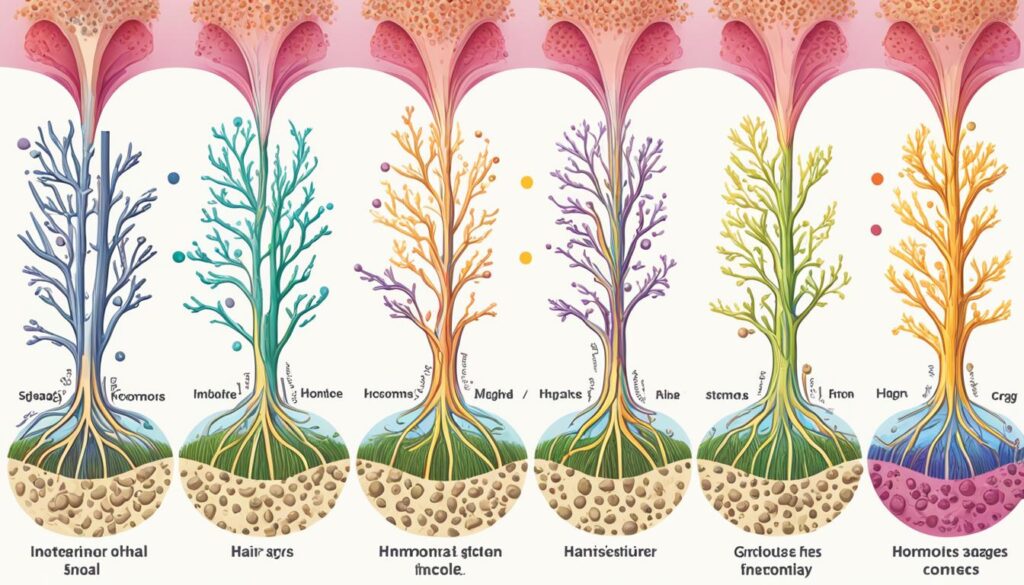
Hormones, particularly androgens and estrogens, play a crucial role in regulating the hair growth cycle. Androgens like testosterone and DHT can affect the size of hair follicles, while estrogen and progesterone help to maintain the hair growth phase.
When the hair growth cycle is disrupted due to hormonal imbalances, it can lead to hair thinning and hair loss. Imbalances in androgen hormones, such as an excess of testosterone or an increased sensitivity to DHT, can cause the hair follicles to shrink and produce thinner, shorter hairs.
On the other hand, estrogen hormone imbalance can also contribute to hair loss. Estrogen is essential for maintaining the hair growth phase and promoting thicker, healthier hair. Low levels of estrogen can result in weaker hair follicles and an increased rate of hair shedding.
Understanding the interplay between hormones and the hair growth cycle is crucial in addressing hair thinning and hair loss. By restoring hormonal balance, hormone therapy can help promote healthy hair growth and reduce hair thinning.
| Hormone | Effects on Hair Growth |
|---|---|
| Androgens (e.g., testosterone, DHT) | Affects the size of hair follicles; excess can cause hair follicle miniaturization |
| Estrogen | Maintains the hair growth phase; helps promote thicker, healthier hair |
| Progesterone | Supports the hair growth phase; balances the effects of estrogen |
It is important to consult with a healthcare provider to determine the underlying cause of hormonal imbalances and develop a personalized treatment plan. Hormone therapy, combined with other hair loss treatments, lifestyle modifications, and proper scalp care, can help address hair thinning and promote optimal hair growth.

Hormone Replacement Therapy for Hair Loss
Hormone replacement therapy (HRT) is a common treatment option for menopause-related symptoms. It involves the use of estrogen and/or progesterone to replace hormones that are no longer produced in adequate amounts. HRT has shown potential in treating hair loss associated with hormonal imbalances.
Estrogen therapy is a key component of hormone replacement therapy for hair loss. Estrogen helps maintain the hair growth cycle and prevents hair thinning. By supplementing estrogen levels, HRT can promote the growth of healthy and luscious hair for women experiencing hair loss due to hormonal imbalances.
Anti-androgens like spironolactone are also used in hormone replacement therapy to address hair loss. Androgens, including testosterone and DHT, can contribute to hair loss by affecting the size and quality of hair follicles. Spironolactone works by reducing androgen production, helping to mitigate hair loss and promote hair regrowth.
Combining estrogen therapy with anti-androgens in hormone replacement therapy can provide a comprehensive approach to treating hair loss in women. This tailored approach targets the underlying hormonal imbalances that contribute to female hair loss, offering effective and personalized solutions.
Benefits of Hormone Replacement Therapy for Hair Loss
Hormone replacement therapy offers several benefits in managing hair loss in women:
- Promotes hair growth by maintaining the hair growth cycle
- Prevents further hair thinning and hair loss
- Addresses hormonal imbalances that contribute to hair loss
- Customizable treatment options based on individual needs
- Can be combined with other hair loss treatments for enhanced results
It is important to consult with a healthcare provider to determine the most appropriate and effective hormone replacement therapy for hair loss. They will consider various factors, such as medical history, hormone levels, and individual needs, to create a personalized treatment plan.
| Treatment | Key Benefits |
|---|---|
| Estrogen Therapy | Promotes hair growth, maintains hair growth cycle, prevents hair thinning |
| Spironolactone | Reduces androgen production, mitigates hair loss |
| Combination Therapy | Comprehensive approach targeting hormonal imbalances, personalized treatment |
Other Treatments for Female Hair Loss
In addition to hormone therapy, there are various other treatment options available for female hair loss. These options offer alternatives for women who may not be suitable candidates for hormone therapy or who prefer different approaches to address their hair loss concerns. Let’s explore some of these treatment options:
Minoxidil
Minoxidil is a topical medication that is FDA-approved for promoting hair growth. It is available over-the-counter and can be applied directly to the scalp. Minoxidil works by increasing blood flow to the hair follicles, stimulating hair growth and preventing further hair loss. It is a popular choice for women experiencing hair thinning or pattern baldness.
Low-Level Laser Therapy (LLLT)
Low-Level Laser Therapy, also known as red light therapy, uses lasers or LED lights to deliver low levels of light energy to the scalp. This non-invasive treatment stimulates hair follicles, promotes hair growth, and improves hair density. LLLT can be an effective option for women looking for a painless and drug-free approach to address hair loss.
PRP (Platelet-Rich Plasma) Treatment
Platelet-Rich Plasma (PRP) treatment involves injecting a concentrated form of the patient’s own blood plasma, rich in growth factors, into the scalp. This therapy aims to stimulate hair growth by promoting cell regeneration and increasing blood circulation to the hair follicles. PRP treatment has gained popularity as a natural and minimally invasive solution for hair loss.
In addition to these treatment options, adopting a healthy lifestyle, managing stress levels, and incorporating a balanced and nutritious diet can also contribute to overall scalp health and potentially reduce hair loss. It is important to consult with a healthcare professional or a dermatologist to determine the most suitable treatment approach based on individual needs and preferences.
Conclusion
Hormone therapy has emerged as a promising treatment option for women experiencing hair loss, especially those dealing with hormonal imbalances. By restoring hormonal equilibrium, this therapy aids in promoting healthy hair growth and reducing hair thinning. It is essential, however, to seek guidance from a healthcare professional to determine the most suitable treatment plan and carefully weigh the potential benefits and risks associated with hormone therapy.
In addition to hormone therapy, there are other remedies and lifestyle modifications that can complement the management of female pattern hair loss. Options such as minoxidil, a topical medication that stimulates hair growth, and low-level laser therapy (LLLT), which utilizes lasers to rejuvenate hair follicles, can be considered. Platelet-rich plasma (PRP) treatment, which stimulates hair regrowth, may also be an alternative worth exploring. Moreover, maintaining a holistic approach by adopting a healthy lifestyle, effectively managing stress, and incorporating nutritional supplements can contribute to improving scalp health and minimizing hair loss.
Women’s hair loss remedies are diverse and multifaceted. While hormone therapy offers hope and improvement for those with hormonal imbalances, it is crucial to understand that every individual’s experience with hair loss is unique. Consulting with medical experts, exploring various treatment options, and making informed decisions will pave the way for finding the most effective means to address female pattern hair loss and regain confidence in their appearance.
FAQ
How does hormone therapy help treat female hair loss?
Hormone therapy aims to restore hormonal balance in the body, which can help promote healthy hair growth and reduce hair thinning. It is particularly effective for women experiencing hair loss due to hormonal imbalances.
What is female pattern hair loss?
Female pattern hair loss, or androgenetic alopecia, is the most common cause of hair loss in women. It is characterized by hair thinning at the vertex scalp while sparing the frontal hairline.
How do hormones affect the hair growth cycle?
Hormones, such as androgens and estrogens, play a crucial role in regulating the hair growth cycle. Androgens like testosterone and DHT can affect the size of hair follicles, while estrogen and progesterone help to maintain the hair growth phase.
Is hormone replacement therapy (HRT) effective for hair loss?
Yes, hormone replacement therapy (HRT) has shown potential in treating hair loss associated with hormonal imbalances. Estrogen therapy can help maintain the hair growth cycle and prevent hair thinning, while anti-androgens like spironolactone can reduce the production of androgens that contribute to hair loss.
What are some other treatment options for female hair loss?
In addition to hormone therapy, there are other treatment options available for female hair loss. These include minoxidil, a topical medication that promotes hair growth, low-level laser therapy (LLLT), and PRP (platelet-rich plasma) treatment.
How can I improve scalp health and reduce hair loss?
Alongside hormone therapy and other treatment options, maintaining a healthy lifestyle, managing stress, and taking nutritional supplements can help improve overall scalp health and reduce hair loss.