
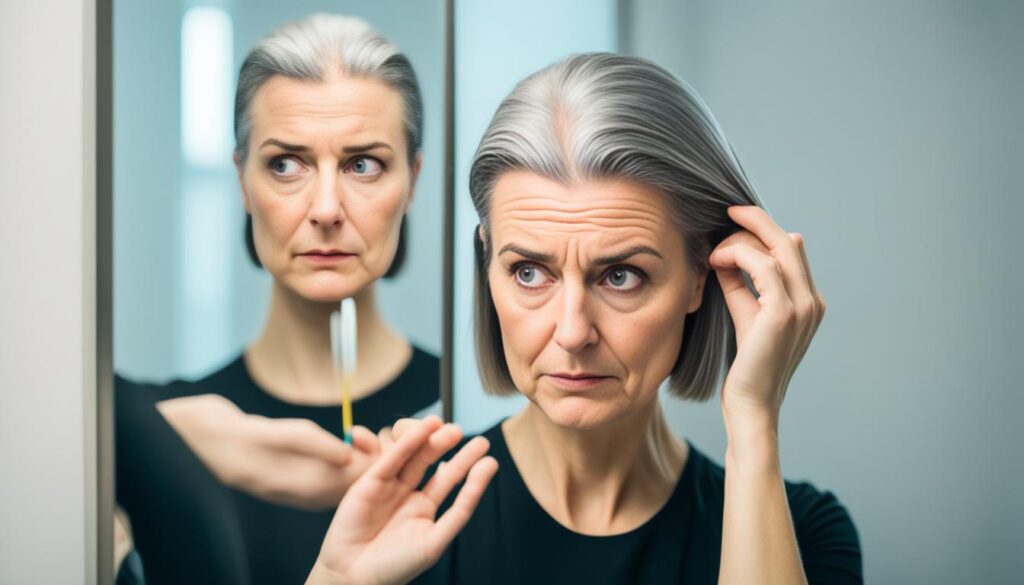
Female pattern hair loss (FPHL) is a common condition that affects many women. It is characterized by a reduction in hair density over the crown and frontal scalp, while the frontal hairline is usually retained. FPHL is progressive and becomes more prevalent with age. Early diagnosis and treatment are crucial to prevent further hair loss.
There are several effective treatment options available for female pattern hair loss. Oral antiandrogens, such as spironolactone, can help reduce hair loss and promote hair growth. Topical minoxidil, available as 2% or 5% solutions or foams, is another popular treatment option that can regrow hair in a significant number of women.
In addition to medication, counseling and cosmetic camouflage techniques can help manage the emotional impact of hair loss. For women who do not respond well to medical treatment or desire significant cosmetic improvement, hair transplantation is an effective option. The procedure involves transplanting healthy hair follicles from one area of the scalp to the thinning or balding area.
It’s important for women experiencing hair loss to consult with a dermatologist or hair loss specialist to determine the best treatment approach for their individual needs. Regular follow-ups and continued treatment are necessary to maintain the effects and prevent further hair loss.

Key Takeaways:
- FPHL is the most common cause of hair loss in women, affecting fewer than 45% of women.
- Early diagnosis and treatment are essential to halt the progression of female pattern baldness.
- Treatment options include oral antiandrogens, topical minoxidil, counseling, cosmetic camouflage, and hair transplantation.
- Continued treatment is necessary to maintain the effects of the chosen treatment option.
- Consulting with a dermatologist or hair loss specialist is crucial for personalized treatment guidance.
Understanding Female Pattern Hair Loss
Female pattern hair loss, also known as androgenetic alopecia in females, is a common and distressing condition that affects many women. It is characterized by a gradual thinning of hair mainly on the top and crown of the scalp, with a widening part and sparing of the frontal hairline. This pattern of hair loss often resembles the shape of a Christmas tree.
As women age, the prevalence of female pattern hair loss increases, with over 50% of women over the age of 80 experiencing this condition. The loss of hair in women can lead to significant psychological distress and reduced quality of life.
From a histological perspective, female pattern hair loss is associated with the miniaturization of hair follicles, which become smaller and produce finer hairs. Additionally, there is an increased percentage of hairs in the telogen or shedding phase. These changes contribute to the thinning of hair and the gradual progression of the condition.
Research suggests that female pattern hair loss has both genetic and hormonal factors. It is believed to be hereditary, with a family history of hair loss increasing the likelihood of developing the condition. Hormones, especially androgens, play a role in influencing the onset and progression of female pattern hair loss.
Dealing with hair loss can be challenging, but understanding the nature of female pattern hair loss is an important step towards finding effective solutions. In the next section, we will explore the various diagnosis and treatment options available for this condition.
Diagnosis of Female Pattern Hair Loss
The diagnosis of female pattern hair loss (FPHL) is crucial for effectively addressing the condition and identifying suitable treatment options. Dermatologists employ various methods to diagnose FPHL, ensuring accurate assessment and differentiation from other causes of hair loss, such as thyroid disease or iron deficiency.
Diagnostic Tools
Ludwig and Sinclair Scales: To determine the severity of FPHL, dermatologists utilize the Ludwig scale and Sinclair scale. These scales assist in grading the extent of hair density reduction, thinning, and central part widening.
“The Ludwig scale categorizes the crown into three grades based on hair density reduction, while the Sinclair scale evaluates hair thinning and the widening of the central part.”
The Ludwig scale is divided into three grades:
| Ludwig Scale | Description |
|---|---|
| Grade I | Minimal thinning, primarily involving the anterior mid-scalp region (the area between the frontal hairline and crown) |
| Grade II | Diffuse thinning spanning the mid-scalp |
| Grade III | Advanced thinning involving the mid-scalp and extending towards the vertex (crown) |
The Sinclair scale, on the other hand, assesses hair thinning and the widening of the central part. The scale includes stages ranging from I to V, allowing dermatologists to map the progression of FPHL.
Physical Examination and Tests
During the diagnostic process, dermatologists conduct physical examinations to identify signs of androgen excess and hormonal imbalances. This includes checking for abnormal hair growth or changes in menstrual periods, which may indicate underlying hormonal abnormalities contributing to hair loss.
To rule out other skin disorders and evaluate hormonal imbalances, additional tests such as scalp biopsies and blood tests may be performed.
Targeted Diagnosis for Effective Treatment
An accurate diagnosis of female pattern hair loss is crucial to provide targeted treatment options. By ruling out other causes of hair loss and assessing the severity and progression of FPHL, dermatologists can recommend appropriate treatment plans tailored to each individual patient.
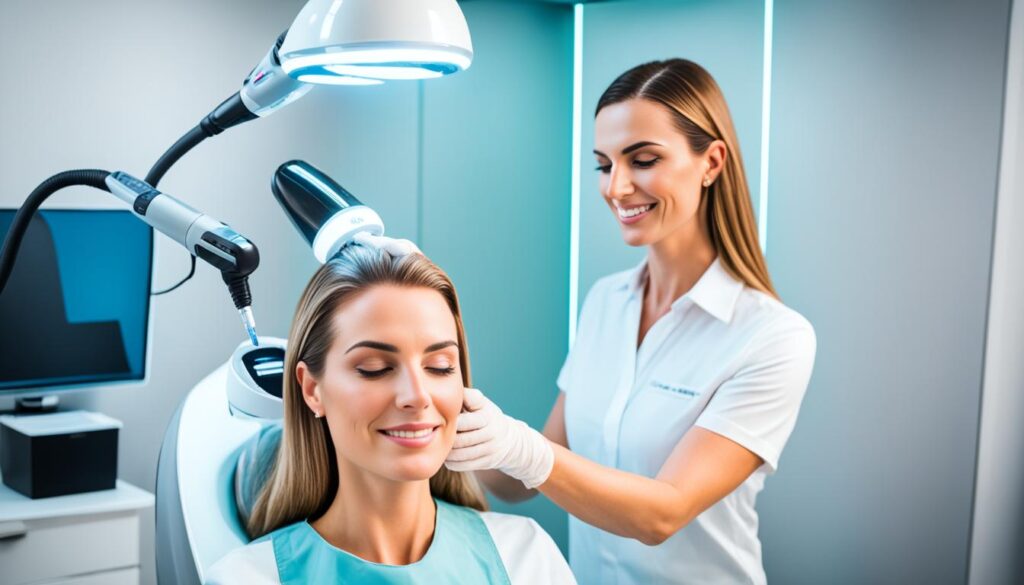

Treatment Options for Female Pattern Hair Loss
When it comes to addressing female pattern hair loss, there are several treatment options available. These options aim to restore hair growth, prevent further hair loss, and improve the overall appearance of hair thinning. By exploring these remedies for female hair thinning, women can find a solution that best suits their needs and preferences.
Minoxidil
One of the primary treatments for female pattern hair loss is minoxidil. It is available in 2% or 5% solutions or foams and is recommended for long-term use. Minoxidil works by stimulating hair follicles and promoting hair regrowth. Research suggests that it can help regrow hair in about 1 in 4 or 5 women. Regular application is essential to maintain its effects.
Antiandrogens
Another option for restoring hair growth and preventing further hair loss is the use of antiandrogens. These medications work by blocking the effects of androgens, hormones that contribute to hair loss. Antiandrogens like spironolactone can be prescribed to women with female pattern hair loss. Other prescription medications that may be considered include finasteride, flutamide, or dutasteride.
Hair Transplantation
For women who do not respond well to medical treatment or desire significant cosmetic improvement, hair transplantation can be a viable option. This surgical procedure involves transplanting hair follicles from donor areas (typically the back of the scalp) to areas experiencing hair loss. Hair transplantation provides a more permanent solution by restoring natural hair growth.
Non-Pharmacological Methods
Aside from medication and surgery, there are non-pharmacological methods that can help improve the appearance of hair loss. Simple lifestyle changes such as changing hairstyles, using camouflaging products, or wearing hairpieces can make a difference. These methods can help boost confidence and provide temporary solutions while undergoing other treatments.
| Treatment Option | Description |
|---|---|
| Minoxidil | A topical medication that stimulates hair follicles and promotes hair regrowth |
| Antiandrogens | Prescription medications that block the effects of androgens and prevent further hair loss |
| Hair Transplantation | A surgical procedure that transfers hair follicles from donor areas to areas experiencing hair loss |
| Non-Pharmacological Methods | Lifestyle changes and cosmetic solutions that temporarily improve the appearance of hair loss |
New Advances in Female Pattern Hair Loss Treatment
As researchers continue to explore new treatment options for female pattern hair loss, several promising advancements have emerged. These innovative approaches aim to address the specific needs of women experiencing hair loss and provide effective solutions for regrowth.
Laser Therapy
A notable development in female pattern hair loss treatment is the use of lasers for at-home therapy. Laser devices emit low-level laser light, which stimulates hair follicles and encourages regrowth. By incorporating laser therapy into their regular hair care routine, women have the opportunity to promote healthy hair growth in the comfort of their own homes.
Platelet-Rich Plasma (PRP) Therapy
Another exciting advancement is platelet-rich plasma (PRP) therapy. This procedure involves injecting platelets derived from the patient’s own blood into the scalp to stimulate hair follicles and promote regrowth. PRP therapy harnesses the natural healing properties of platelets to rejuvenate the scalp and encourage the growth of new, healthier hair.
Stem Cell Treatments
Stem cells hold great potential for the treatment of female pattern hair loss. Researchers are investigating the use of stem cells to regenerate and rejuvenate hair follicles, promoting the regrowth of thicker, fuller hair. This cutting-edge approach shows promise in providing long-lasting results for women struggling with hair loss.
While ongoing research and development are bringing us closer to more effective treatments, it is essential to note that some commonly marketed remedies, such as biotin and folic acid supplements, have mixed results in promoting hair growth. More in-depth research is needed to determine their true effectiveness in addressing female pattern hair loss.
Additionally, hair loss shampoos have shown positive effects in improving the appearance of hair by reducing breakage and increasing moisture retention. These products can help enhance the overall health and resilience of the hair, resulting in a fuller and more vibrant appearance.
As we continue to explore these new treatment avenues, it’s crucial for women experiencing hair loss to consult with a medical professional who specializes in female pattern hair loss. With their guidance, women can navigate the available options and find the most suitable solution for their unique needs and desired hair regrowth journey.
Conclusion
Female pattern baldness, also known as female pattern hair loss, is a common condition that affects many women and can have a significant impact on their emotional well-being and self-esteem. However, there are effective treatment options available to address this concern and help women regain their confidence.
Female scalp treatment options include the use of minoxidil, a topical medication that promotes hair regrowth. Minoxidil is available in different strengths and can be applied directly to the scalp. Prescription medications, such as antiandrogens, can also be prescribed to block the effects of hormones that contribute to hair loss.
For women who do not respond well to medical treatment or desire a more significant cosmetic improvement, hair transplantation is a viable option. This procedure involves transplanting hair follicles from one part of the scalp to the areas where hair thinning or loss has occurred.
In addition to medical interventions, there are non-pharmacological methods that can help improve the appearance and volume of hair. These include changing hairstyles, using camouflaging products, or wearing hairpieces. These solutions can be effective in enhancing the overall look and reducing the impact of hair loss.
Advances in scientific research are also paving the way for new treatments for female pattern hair loss, such as laser therapy, platelet-rich plasma (PRP) therapy, and stem cell treatments. These emerging therapies show promising results in stimulating hair regrowth and may offer additional options for women seeking further solutions.
It is crucial for women experiencing hair loss to seek professional guidance and explore the available treatments to find an approach that best suits their individual needs. With the advancements in female scalp treatment and female hair regrowth solutions, women can now regain control over their hair and restore their self-confidence.
FAQ
What is female pattern hair loss?
Female pattern hair loss, also known as androgenetic alopecia in females, is characterized by a widening part and thinning hair mainly on the top and crown of the scalp. The hair loss pattern often resembles a Christmas tree shape, with sparing of the frontal hairline.
How common is female pattern hair loss?
Female pattern hair loss (FPHL) is the most common cause of hair loss in women, affecting fewer than 45% of women. The prevalence of FPHL increases with age, affecting over 50% of women over the age of 80.
How is female pattern hair loss diagnosed?
The diagnosis of female pattern hair loss is primarily clinical and may involve ruling out other causes of hair loss, such as thyroid disease or iron deficiency. Dermatologists use the Ludwig scale and Sinclair scale to grade the severity of FPHL. Physical examinations may include checking for signs of androgen excess, such as abnormal hair growth or changes in menstrual periods.
What are the treatment options for female pattern hair loss?
The primary treatment for female pattern hair loss is minoxidil, which is available in 2% or 5% solutions or foams. Other treatment options include antiandrogens like spironolactone, which can help restore hair growth and prevent further hair loss. Hair transplantation is also an effective option for women who do not respond well to medical treatment or desire significant cosmetic improvement.
Are there any new advances in female pattern hair loss treatment?
Researchers are constantly exploring new treatments for female pattern hair loss. Some promising developments include the use of lasers for at-home treatment, platelet-rich plasma (PRP) therapy, and stem cells. These new advancements show potential in promoting hair growth and restoring hair.
What should women do if they are experiencing hair loss?
Women experiencing hair loss should seek medical guidance and explore the available treatment options. It’s important to consult with a dermatologist or hair loss specialist to determine the underlying cause of the hair loss and find the most suitable treatment option for individual needs.