

Hair loss affects both men and women, causing distress and a loss of self-confidence. Male and female pattern baldness, also known as androgenetic alopecia, is a common form of hair loss that can be effectively treated. Early intervention is crucial to prevent further hair loss and promote hair regrowth.
There are various treatment options available for male and female pattern baldness, ranging from pharmacologic to nonpharmacologic interventions. These treatments aim to halt further hair loss, stimulate hair regrowth, and improve the overall appearance of the hair.

Key Takeaways:
- Male and female pattern baldness can be treated effectively.
- Early intervention is crucial to prevent further hair loss.
- Treatment options include pharmacologic and nonpharmacologic interventions.
- The goal of treatment is to stop hair loss and promote hair regrowth.
- Consulting with a dermatologist or hair loss specialist is essential for personalized treatment plans.
What is Male Pattern Hair Loss and Its Causes?
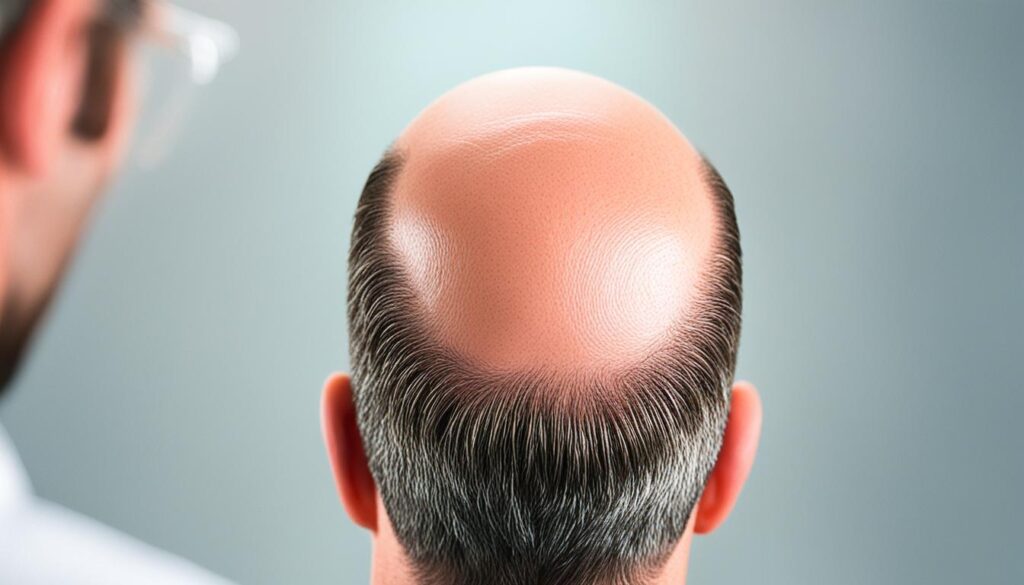
Male pattern hair loss, also known as androgenetic alopecia, is a progressive form of hair loss that typically affects the temporal, frontal, and vertex scalp in men. The condition is characterized by the gradual thinning and miniaturization of hair follicles, leading to a receding hairline and thinning crown.
Genetic factors play a significant role in the development of male pattern hair loss. Men with a family history of the condition are more likely to experience hair loss themselves. It is believed that genes inherited from both the mother and father contribute to the predisposition for hair loss.
Hormonal influences also play a crucial role in the development of male pattern hair loss. Androgens, particularly dihydroxytestosterone (DHT), have been shown to contribute to the miniaturization of hair follicles. DHT binds to hair follicles and shortens their growth phase, eventually leading to the production of finer, shorter, and less pigmented hair strands.
Male pattern hair loss is a complex condition influenced by both genetic and hormonal factors. Understanding these underlying causes is crucial for developing effective treatment strategies.
The Role of Androgens in Male Pattern Hair Loss
Androgens, such as DHT, are considered necessary for male pattern hair loss to develop. DHT binds to androgen receptors in the hair follicles, triggering a process called miniaturization. This process leads to the progressive thinning of hair strands and eventual follicle shrinkage.
The conversion of testosterone to DHT is primarily mediated by the enzyme 5-alpha reductase. Individuals with higher levels of 5-alpha reductase activity may have a greater predisposition to hair loss.
It is important to note that the exact mechanisms by which androgens contribute to hair loss are still not fully understood. Ongoing research aims to uncover more insights to develop targeted treatments for male pattern hair loss.
The image above illustrates the typical pattern of hair loss in male pattern hair loss, showing recession at the temples and thinning at the crown.
Diagnosis of Male Pattern Hair Loss
In order to accurately diagnose male pattern hair loss, a comprehensive approach is taken, involving a thorough medical history, physical examination, and specific diagnostic tests. This allows us to differentiate it from other types of hair loss conditions and determine the most appropriate treatment plan.
During the initial consultation, we will gather a detailed medical history, asking questions about any previous hair loss treatments or underlying medical conditions that could contribute to hair loss. This information helps us understand the individual’s unique situation and provide personalized recommendations.
The physical examination is a crucial part of the diagnostic process, as it allows us to assess the scalp, face, and nails for any signs of hair loss or underlying conditions. We carefully examine the pattern and extent of hair loss on the scalp, taking note of areas that are most affected.
To further enhance our diagnosis, we may perform specific diagnostic tests. The hair-pull test involves gently tugging on several hairs to see how many come out easily. In male pattern hair loss, there is usually an increased number of hairs that come out during this test.

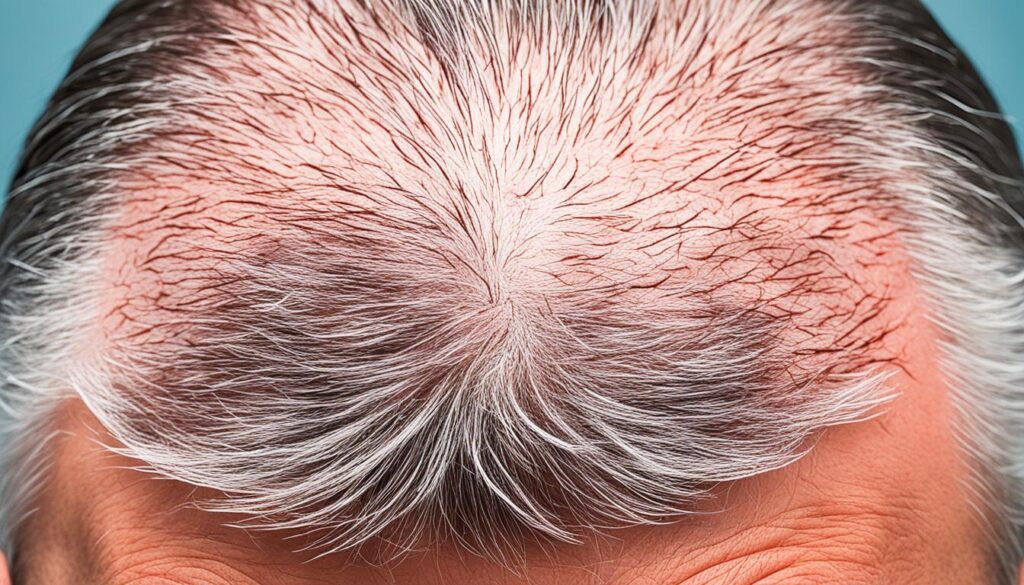
Dermoscopy, a non-invasive procedure, can also be utilized to examine the scalp and hair follicles in detail. It allows us to visualize the miniaturization of hair follicles, a characteristic feature of male pattern hair loss.
In some cases, a scalp biopsy may be recommended. This involves taking a small tissue sample from the scalp for microscopic examination. It provides valuable insights into the underlying cause of hair loss and helps rule out other potential conditions that may mimic male pattern hair loss.
By combining the information obtained from the medical history, physical examination, and diagnostic tests, we can make a definitive clinical diagnosis of male pattern hair loss. This allows us to develop a tailored treatment plan based on the individual’s specific needs and goals.
Treatment recommendations are made based on:
- The extent and pattern of hair loss on the scalp
- The individual’s age and overall health
- Their response to previous treatments
Remember:
Seeking professional help and proper diagnosis is crucial in addressing male pattern hair loss effectively. By consulting with a dermatologist or hair loss specialist, you can receive accurate diagnosis and personalized treatment recommendations to preserve existing hair and potentially stimulate new hair growth.
Benefits of a Comprehensive Diagnosis |
|
|---|---|
| Accurate identification of male pattern hair loss | Ensures targeted treatment strategies |
| Rule out other potential conditions | Prevents misdiagnosis and inappropriate treatments |
| Individualized treatment planning | Optimizes outcomes and patient satisfaction |
| Promotes early intervention | Halts further hair loss and improves prognosis |
Topical Minoxidil for Male Pattern Hair Loss
When it comes to treating male pattern hair loss, one of the most popular options is topical minoxidil. This medication has been extensively studied and proven to be effective in reducing hair loss, stimulating hair regrowth, and strengthening existing hair strands.
Topical minoxidil is available over-the-counter in various formulations, including foam and solution, making it easily accessible for those seeking treatment for their hair loss concerns. It works by enlarging miniaturized hair follicles, increasing blood flow to the follicles, and prolonging the growth phase of the hair cycle.
Although topical minoxidil is generally well-tolerated, individual results may vary, and it’s important to set realistic expectations. Hair regrowth can take time, and significant improvement may not be noticeable for several months. Consistency and patience are key when using topical minoxidil for hair regrowth.
As with any medication, topical minoxidil is associated with potential side effects. Some users may experience scalp irritation and itching. These side effects are typically mild and temporary, resolving on their own as the scalp adjusts to the medication. If you experience persistent or severe side effects, it is recommended to discontinue use and consult a healthcare professional.
Advantages of Topical Minoxidil
One of the main advantages of topical minoxidil is its ease of use. It can be applied directly to the scalp without the need for invasive procedures or significant lifestyle changes. Additionally, it can be used at home, making it a convenient option for individuals seeking non-invasive treatment for their hair loss.
Furthermore, topical minoxidil is suitable for both male and female pattern hair loss, making it a versatile treatment option. It is safe for use in various stages of hair loss, from early to advanced, and can be used as a standalone treatment or in combination with other therapies.
“Topical minoxidil is a well-established and widely recommended treatment option for male pattern hair loss. Its effectiveness, ease of use, and relatively mild side effects make it a popular choice among individuals seeking to address their hair loss concerns.”
Comparison of Topical Minoxidil Formulations
| Formulation | Concentration | Recommended Application |
|---|---|---|
| Foam | 5% | Apply half a capful to the affected areas of the scalp once daily |
| Solution | 2% or 5% | Apply 1 milliliter to the affected areas of the scalp twice daily |
Above table compares different formulations of topical minoxidil based on concentration and recommended application. It is important to follow the instructions provided by the manufacturer or healthcare professional to ensure the optimal usage of the product.
Overall, topical minoxidil is a widely recognized and clinically proven treatment option for male pattern hair loss. It offers a non-invasive approach to hair regrowth and can be easily incorporated into daily hair care routines. However, as with any treatment, it is recommended to consult with a healthcare professional to determine the most suitable treatment plan for individual needs and preferences.
Oral Finasteride for Male Pattern Hair Loss
In our quest for effective solutions to prevent hair loss and promote hair regrowth, oral finasteride has emerged as a leading pharmaceutical option. This prescription medication offers hope for men experiencing male pattern hair loss, providing a means to slow down further hair loss and potentially stimulate new hair growth.
The mechanism of action of oral finasteride lies in its ability to block the conversion of testosterone to dihydroxytestosterone (DHT). DHT is a hormone known for its role in hair follicle miniaturization, which contributes to male pattern hair loss. By reducing DHT levels, finasteride can help preserve existing hair and potentially promote the growth of new hair.
While oral finasteride has shown remarkable effectiveness, it is crucial to acknowledge that like any medication, it may carry some side effects. These side effects can include a diminished sex drive (loss of libido), difficulties in achieving or maintaining an erection (erectile dysfunction), breast tenderness, and even feelings of depression.
The decision to pursue oral finasteride as a hair loss treatment option should be made after careful consideration of both the potential benefits and the possible side effects. Consulting with a dermatologist or hair loss specialist is essential to assess individual suitability and ensure a proactive and personalized treatment plan.
Why Choose Oral Finasteride?
Oral finasteride offers distinct advantages for individuals seeking a systemic approach to hair loss prevention. Unlike topical treatments, such as minoxidil, which require consistent application to the scalp, oral finasteride can be taken orally as a pill, simplifying the treatment routine.
This convenience factor, coupled with its proven efficacy in slowing down hair loss and potentially promoting hair regrowth, makes oral finasteride an attractive choice for many men experiencing male pattern hair loss.
“Oral finasteride provides a comprehensive solution for male pattern hair loss by addressing the underlying hormonal imbalance that contributes to the condition.”
Ultimately, the decision to pursue oral finasteride should be made in consultation with a healthcare professional who can assess individual suitability, consider any potential contraindications, and provide guidance on managing and monitoring side effects.
Laser Devices for Male Pattern Hair Loss
When it comes to hair loss treatment, laser therapy is an increasingly popular option. Several laser devices, FDA cleared for hair loss treatment, are now available for convenient home use. These devices utilize low-level laser therapy to combat hair loss and promote hair growth.
Low-level laser therapy has shown promising results in reducing hair loss and stimulating the regrowth of hair. The devices emit light energy that penetrates the scalp, stimulating the hair follicles and improving blood flow to the hair follicles. By doing so, they help nourish the hair follicles, ultimately leading to healthier and stronger hair.
It is important to note that the effectiveness of laser therapy may vary among individuals. Consistent use of the laser device is crucial to achieving noticeable results. Regular sessions are typically recommended, and it may take several months before significant improvements in hair growth are observed. Patience and adherence to the treatment regimen are key to maximizing the potential benefits of laser therapy for hair loss.
Furthermore, laser therapy for hair loss is non-invasive and does not require any medication or surgical procedures. This makes it a convenient and relatively low-risk option for individuals seeking an alternative to more invasive treatments.
While laser therapy can be an effective hair loss treatment option, it is important to consult with a dermatologist or hair loss specialist before starting any new treatment. They can evaluate your individual case, provide personalized recommendations, and help determine if laser therapy is the right choice for you.
In summary, laser devices cleared by the FDA for hair loss treatment offer a convenient and non-invasive solution for male pattern hair loss. By stimulating hair follicles and improving blood flow to the scalp, laser therapy shows promise in reducing hair loss and promoting hair regrowth. Consult with a professional to explore this treatment option and embark on your journey towards healthier, fuller hair.
Surgical Options for Male Pattern Hair Loss
In cases where non-pharmacologic treatments do not provide satisfactory results, surgical options such as hair transplant and platelet-rich plasma (PRP) therapy may be considered. These procedures offer long-term solutions for individuals seeking to address hair loss and enhance their appearance.
Hair transplant involves the transplantation of hair follicles from the back or sides of the scalp, which are genetically resistant to hair loss, to the balding areas. This procedure provides a natural-looking result, as the transplanted hair grows and behaves like the patient’s own hair. It offers a permanent solution for hair restoration and can significantly improve self-confidence.
Platelet-rich plasma (PRP) therapy is a non-surgical option that utilizes the patient’s own blood plasma, which is enriched with platelets, to stimulate hair growth. The platelets contain various growth factors that promote tissue regeneration and stimulate the hair follicles. The PRP solution is injected into the scalp, targeting the areas affected by hair loss. This treatment can enhance hair density, improve hair quality, and promote the growth of dormant hair follicles.
Both hair transplant and PRP therapy are performed by qualified medical professionals and require careful evaluation and planning to ensure optimal outcomes. The choice between these surgical options depends on factors such as the extent of hair loss, the condition of the donor area, and the patient’s goals and preferences.
| Procedure | Advantages | Disadvantages |
|---|---|---|
| Hair Transplant |
|
|
| Platelet-Rich Plasma (PRP) Therapy |
|
|
Patients considering surgical options for male pattern hair loss should consult with a qualified hair restoration specialist or dermatologist who can assess their individual needs and recommend the most suitable treatment plan. These procedures can provide effective, long-term solutions for addressing hair loss and improving overall well-being.
Conclusion
When it comes to male pattern hair loss, there are a variety of effective treatment options available. From topical minoxidil to oral finasteride, laser therapy, and surgical procedures like hair transplant and platelet-rich plasma (PRP) therapy, individuals have choices to address their hair loss concerns.
The selection of a suitable treatment option depends on factors such as the extent of hair loss, personal preference, and response to previous treatments. Consulting with a dermatologist or a hair loss specialist can help determine the most appropriate treatment plan.
By taking prompt action and considering these hair loss treatment options, individuals can take proactive steps to potentially preserve existing hair and stimulate new hair growth. Remember, it’s never too late to explore effective solutions for male pattern baldness and regain confidence in your appearance.
FAQ
What are the available treatment options for male and female pattern baldness?
There are various treatment options available, including topical minoxidil, oral finasteride, laser therapy, and surgical procedures like hair transplant and platelet-rich plasma (PRP) therapy.
What is male pattern hair loss and what causes it?
Male pattern hair loss, also known as androgenetic alopecia, is a progressive form of hair loss that typically affects the temporal, frontal, and vertex scalp in men. It is caused by genetic factors and hormonal influences such as dihydroxytestosterone (DHT).
How is male pattern hair loss diagnosed?
Male pattern hair loss can be diagnosed through a thorough medical history, physical examination of the scalp, face, and nails, and specific diagnostic tests such as the hair-pull test, dermoscopy, and in some cases, scalp biopsy.
What is the most commonly used treatment for male pattern hair loss?
The most commonly used treatment for male pattern hair loss is topical minoxidil. It has been shown to reduce hair loss, stimulate hair growth, and strengthen existing hair strands.
Is there a prescription medication for male pattern hair loss?
Yes, oral finasteride is a prescription medication that can slow down further hair loss and, in some cases, promote hair regrowth. It works by blocking the conversion of testosterone to dihydroxytestosterone (DHT).
Can laser therapy help with male pattern hair loss?
Yes, several laser devices FDA cleared for hair loss treatment are available. Low-level laser therapy has shown promising results in reducing hair loss and promoting hair growth by stimulating hair follicles and improving blood flow to the scalp.
What are the surgical options for male pattern hair loss?
Surgical options for male pattern hair loss include hair transplant, which involves the transplantation of hair follicles from the back or sides of the scalp to the balding areas, and platelet-rich plasma (PRP) therapy, which uses the patient’s own blood plasma enriched with platelets to stimulate hair growth.
How can I determine the most suitable treatment for my male pattern hair loss?
It is essential to consult with a dermatologist or hair loss specialist to determine the most suitable treatment plan for your specific case. They will consider factors such as the extent of hair loss, preference, and response to previous treatments.
Why is taking prompt action important when dealing with male pattern hair loss?
Taking prompt action can help preserve existing hair and potentially stimulate new hair growth. Early recognition and treatment are important for preserving hair and halting further loss.