
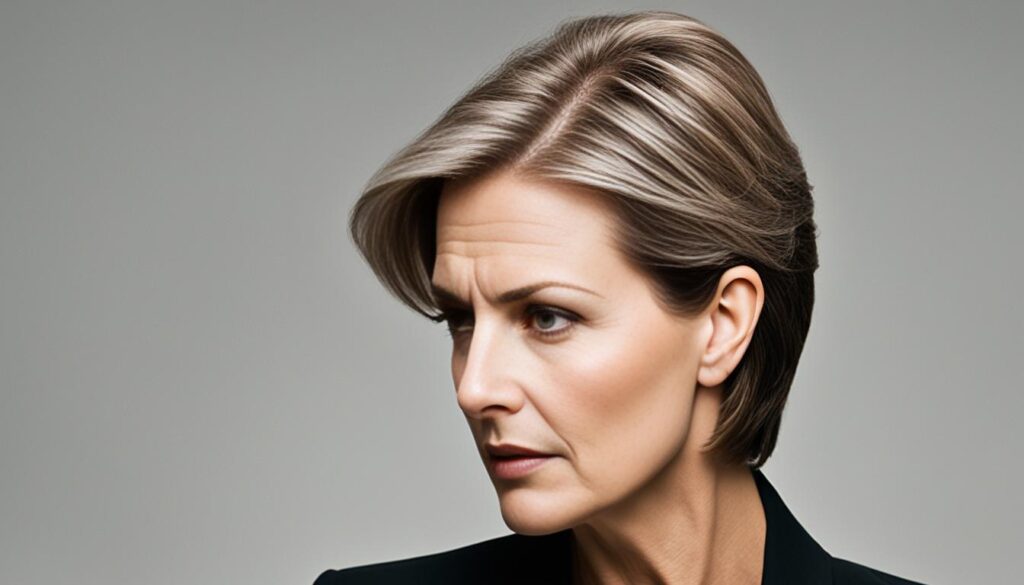
Welcome to our comprehensive guide on female crown balding. Hair loss at the crown is a common concern among women, often referred to as female pattern baldness or androgenic alopecia. In this article, we will delve into the causes of crown balding in females, explore various treatment options, and provide guidance on coping with hair loss. Understanding these solutions can empower women to take control of their hair health and regain their confidence.

Key Takeaways:
- Female pattern baldness, or androgenic alopecia, is the most common form of hair loss in women.
- Crown balding is often caused by genetic factors, hormonal imbalances, and environmental factors.
- Treatment options for crown balding include medications, laser therapy, and hair transplants.
- Coping with crown balding involves addressing both the physical and psychological impact of hair loss.
- Understanding the different types of hair loss in women can help determine appropriate treatment approaches.
Causes of Balding at the Crown in Females
Thinning hair at the crown is a common issue faced by many women. Several factors can contribute to this condition, including hormonal imbalances, genetic predisposition, nutrient deficiencies, stress, certain medical conditions like PCOS, and styling techniques.
Hormonal imbalances, such as those experienced during pregnancy, childbirth, and menopause, can lead to thinning hair at the crown. Changes in hormone levels can disrupt the hair growth cycle, resulting in hair loss in this area.
Female pattern hair loss, also known as female pattern baldness, is another major cause of crown hair loss in women. This condition is hereditary and is characterized by a gradual thinning of hair at the crown, eventually leading to noticeable balding.
Nutrient deficiencies can also contribute to hair loss at the crown. Insufficient intake of vitamins and minerals essential for hair health, such as iron, biotin, and zinc, can weaken the hair follicles and lead to thinning.
Excessive stress can trigger hair loss in both men and women, including crown hair loss. Stress disrupts the normal hair growth cycle and can push hair follicles into a resting phase, resulting in increased hair shedding.
Medical conditions such as polycystic ovarian syndrome (PCOS) can also lead to crown hair loss in women. PCOS is a hormonal disorder that can cause an imbalance in androgen levels, leading to hair thinning and loss at the crown.
In addition, certain styling techniques that put excessive tension on the hair, such as tight ponytails, braids, or extensions, can contribute to hair loss at the crown. These hairstyles can cause a condition known as traction alopecia, which results in gradual hair loss due to constant pulling on the hair follicles.
It is important to identify the underlying cause of crown hair loss in order to find an appropriate treatment. Addressing hormonal imbalances, improving nutrition, managing stress levels, and avoiding damaging styling techniques can all contribute to healthier hair growth.
Personal Story
“I noticed my hair thinning at the crown and it was quite distressing. After consulting with a dermatologist, I discovered that my hair loss was due to a combination of hormonal imbalances and nutrient deficiencies. With the right treatment plan, including hormone therapy and a balanced diet, I was able to restore the health of my hair and regain my confidence.”
Treatment Options
The treatment options for crown hair loss in women may include:
- Minoxidil: A topical solution that can stimulate hair regrowth and prevent further hair loss.
- Spironolactone: An anti-androgen medication that can help reduce hair loss caused by hormonal imbalances.
- Laser therapy: Low-level laser therapy can stimulate hair follicles, promoting hair growth.
- Hair transplants: Surgical procedures that involve transferring healthy hair follicles from one area of the scalp to the balding crown.
- Platelet-rich plasma (PRP) therapy: A procedure that uses the patient’s own blood plasma, enriched with platelets, to stimulate hair growth.
It is important to consult with a healthcare professional or a dermatologist to determine the most suitable treatment approach based on individual needs and preferences.
Common Causes of Balding at the Crown in Females
| Cause | Description |
|---|---|
| Hormonal Imbalances | Changes during pregnancy, childbirth, and menopause can lead to thinning hair at the crown. |
| Genetic Predisposition | Female pattern hair loss, a hereditary condition, can cause gradual thinning at the crown. |
| Nutrient Deficiencies | Insufficient intake of key vitamins and minerals can weaken hair follicles and lead to hair loss. |
| Stress | Excessive stress can disrupt the hair growth cycle and result in increased shedding of hair at the crown. |
| Medical Conditions | Conditions like PCOS can disturb hormonal balance and contribute to crown hair loss. |
| Styling Techniques | Tight hairstyles or extensions that exert constant tension on the hair can cause traction alopecia. |
Hair Loss Treatments for Crown Balding in Women
When it comes to addressing crown balding in women, there are several treatment options available. One common and effective treatment is minoxidil, a topical lotion that can slow down or stop hair loss and promote regrowth in the affected area. Minoxidil is easily accessible and can be purchased over-the-counter.
In addition to minoxidil, there are other potential treatment options that can help combat female alopecia crown. Spironolactone, a medication primarily used for treating high blood pressure and fluid retention, has also shown promise in treating hair loss in women. It works by blocking the effects of hormones that contribute to hair thinning.
Laser therapy is another non-invasive treatment option that has gained popularity in recent years. This therapy involves using low-level laser devices to stimulate hair growth and improve the overall quality of existing hair. Laser therapy can be done in a clinic setting or even at home with handheld devices.
For more advanced cases of crown balding, hair transplants may be considered. Hair transplant procedures involve taking hair follicles from one part of the scalp and implanting them into the balding areas, resulting in natural regrowth. This option should be discussed with a qualified hair transplant specialist.
Platelet-rich plasma (PRP) therapy is a relatively new and innovative treatment for hair loss. This procedure involves extracting the patient’s own blood, centrifuging it to isolate the platelets, and injecting the platelet-rich plasma into the scalp. PRP therapy has shown promising results in stimulating hair growth and improving hair density.
It’s important to note that the most suitable treatment approach for female alopecia crown may vary from person to person. Consulting with a healthcare provider, such as a dermatologist or trichologist, is crucial in determining the best treatment option based on individual needs, preferences, and the severity of hair loss.
Comparison of Hair Loss Treatments for Crown Balding in Women
| Treatment | Description | Effectiveness | Side Effects |
|---|---|---|---|
| Minoxidil | A topical lotion that slows down or stops hair loss and promotes hair regrowth. | Effective for many women, but results may vary. | Possible scalp irritation and increased facial hair growth. |
| Spironolactone | A medication that blocks hormones contributing to hair thinning. | Can be effective for women with hormonal imbalances. | Possible side effects include dizziness, fatigue, and breast tenderness. |
| Laser Therapy | Low-level laser devices stimulate hair growth and improve hair quality. | Variable results, but can be effective for some individuals. | No known major side effects. |
| Hair Transplants | Hair follicles from one part of the scalp are transplanted into balding areas. | High success rate in restoring hair growth. | Possible side effects include scarring and infection. |
| Platelet-Rich Plasma (PRP) Therapy | Platelet-rich plasma is extracted from the patient’s blood and injected into the scalp to stimulate hair growth. | Promising results in hair growth and density improvement. | Minimal side effects, such as mild swelling or bruising at the injection sites. |
It’s important to weigh the pros and cons of each treatment option and select the one that aligns with your goals and preferences. Consulting with a healthcare professional will help you make an informed decision and develop a personalized treatment plan for female thinning crown hair.

Coping with Crown Balding in Women
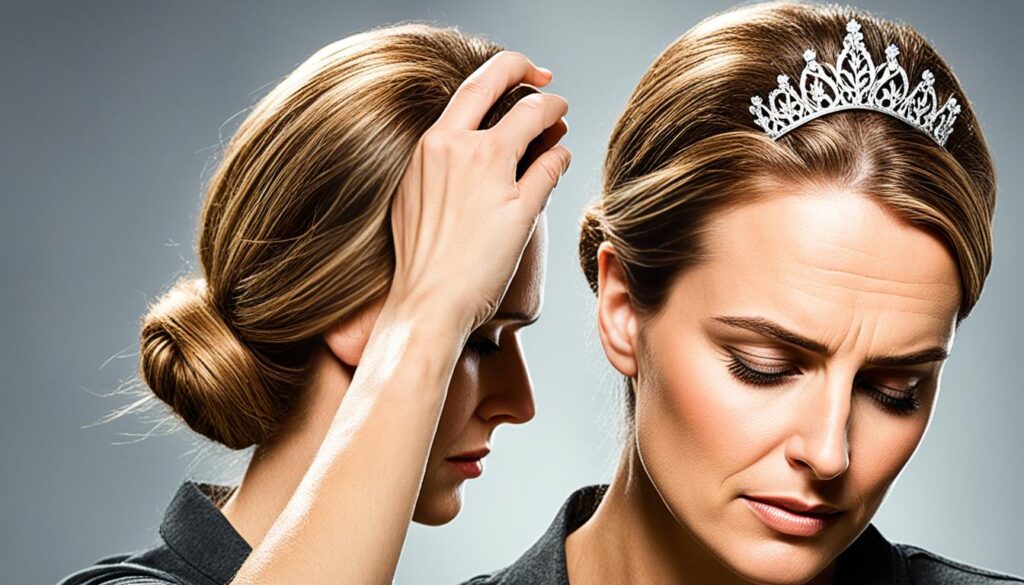
Coping with crown balding in women can be a challenging experience, both physically and emotionally. It’s important to address the impact that hair loss can have on self-confidence and overall well-being. In this section, we’ll explore some practical strategies for managing crown hair thinning and finding ways to embrace your unique beauty.
Join Support Groups
Connecting with others who are experiencing similar challenges can provide valuable emotional support. Joining support groups or online communities allows you to share your experience, seek advice, and receive encouragement from individuals who understand what you’re going through. These communities can be a source of strength, helping you navigate the complex emotions that come with crown balding in women.
Embrace Acceptance
Accepting and acknowledging your hair loss is an important step towards coping with crown balding. Instead of focusing on what you’ve lost, focus on the qualities that make you unique and confident. Celebrate your other physical attributes, accomplishments, and personal strengths. Embracing acceptance can enhance your self-esteem and overall well-being.
Explore Temporary Solutions
While regrowth can take time, there are temporary solutions to cover up hair loss and boost your confidence. Consider exploring options such as wigs, hair extensions, scarves, or makeup techniques specifically designed for thinning hair. These choices offer flexibility and allow you to experiment with different styles, empowering you to embrace your desired look and feel more comfortable in your own skin.
Avoid “Miracle Cures”
Unfortunately, there is no magic solution for regrowing hair overnight. Be cautious of products or treatments that claim to be “miracle cures” for hair loss. Stick to evidence-based solutions recommended by trusted healthcare providers. Remember, patience and consistency with appropriate treatments are key to achieving long-term results.
“Coping with crown balding requires a multifaceted approach that addresses both the physical and psychological aspects of hair loss. By seeking support, embracing acceptance, exploring temporary solutions, and avoiding unrealistic claims, women can navigate this journey with resilience and self-confidence.” – Hair Loss Specialist
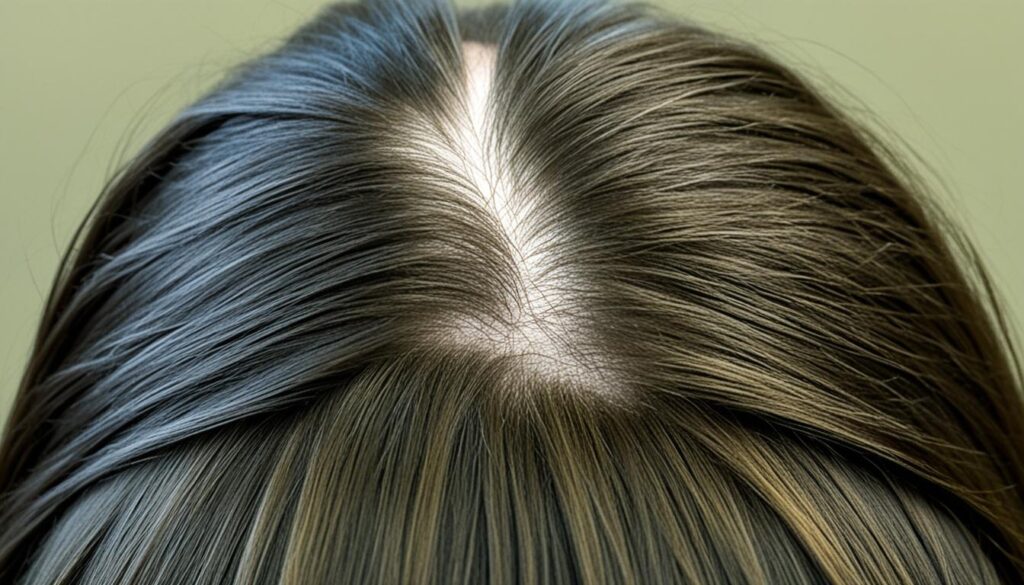
Remember, every individual’s journey with crown balding is unique. What works for one person may not work for another. It’s essential to consult with healthcare professionals or specialists who can tailor a treatment plan to your specific needs. With the right strategies and support, you can confidently manage crown balding and embrace your beauty from within.
Understanding Different Types of Hair Loss in Women
In women, hair loss can manifest in various ways, ranging from thinning hair to total loss. One common type of hair loss experienced by women is female-pattern baldness, characterized by a gradual thinning of hair on the crown. This condition is thought to be inherited and is the most prevalent form of hair loss in women. However, there are other factors that can contribute to hair loss in women, such as genetic predisposition, extreme stress, medical conditions, and certain treatments like chemotherapy.
It is crucial to understand the specific type of hair loss a woman is experiencing in order to determine the appropriate treatment options. By identifying the underlying cause of hair loss, healthcare providers can prescribe treatments that target the root of the problem and promote hair regrowth.
Types of Hair Loss in Women
| Type of Hair Loss | Description |
|---|---|
| Female-Pattern Baldness | A gradual thinning of hair on the crown, often inherited. |
| Genetic Hair Loss | Caused by genetic factors and can result in overall hair thinning or localized bald spots. |
| Stress-Induced Hair Loss | Extreme emotional or physical stress can trigger temporary hair shedding or a condition known as telogen effluvium. |
| Medical Conditions | Certain medical conditions like autoimmune disorders, hormonal imbalances, and scalp infections can lead to hair loss in women. |
| Hair Loss Due to Treatments | Chemotherapy, radiation therapy, and certain medications can cause hair loss in women undergoing these treatments. |
By understanding the specific type of hair loss, women can make informed decisions about their treatment options, including medical interventions, lifestyle modifications, and haircare practices. Consulting with healthcare professionals and specialists can provide valuable guidance in addressing women’s crown baldness and promoting healthy hair growth.
Hair Loss and Hormonal Balance in Women
Hormonal imbalances can have a significant impact on hair loss in women, particularly when it comes to thinning hair at the crown. Fluctuations in hormonal levels during various stages of a woman’s life, such as pregnancy, childbirth, postpartum, and menopause, can contribute to hair thinning and loss. Additionally, conditions like polycystic ovarian syndrome (PCOS) can disrupt hormonal balance and further contribute to crown hair loss. By addressing these underlying hormonal issues, we can effectively manage and treat hair loss in women.
During pregnancy, hormonal changes can lead to luxurious hair growth due to increased estrogen levels. However, after giving birth, many women experience what is known as postpartum hair loss. As hormone levels return to normal, the excess hair accumulated during pregnancy begins to shed, resulting in noticeable hair thinning. This shedding typically occurs around the crown area, leaving women concerned about their hair’s appearance.
Menopause is another crucial phase in a woman’s life that can lead to hair loss at the crown. Women going through menopause experience a decline in hormone production, including estrogen and progesterone. Estrogen plays a vital role in maintaining hair growth, so the decrease in its levels can result in thinner and weaker hair, particularly at the crown. Many women notice that their once-full hair begins to lose volume and density, adding to their concerns.
In addition to pregnancy and menopause, conditions like PCOS can significantly impact hair growth and lead to crown hair loss in women. PCOS is a hormonal disorder characterized by an imbalance of female sex hormones. This condition can cause excessive production of androgens (male hormones) within the body, leading to various symptoms, including hair thinning and loss at the crown. By addressing the hormonal imbalances associated with PCOS, women can effectively manage their hair loss.
It’s essential to consult with a healthcare professional who specializes in hair loss to diagnose and treat the underlying hormonal issues contributing to crown hair loss. They will evaluate hormone levels through blood tests and develop a personalized treatment plan to restore hormonal balance and stimulate hair regrowth. Treatment options may include lifestyle changes, medications, or hormonal therapies that target the specific underlying cause.
In conclusion, understanding the connection between hair loss and hormonal balance is crucial for addressing crown hair loss in women. By addressing hormonal imbalances through appropriate treatment, we can effectively manage and treat hair loss, restoring confidence and promoting healthy hair regrowth.
Conclusion
Dealing with hair loss at the crown can be a challenging experience for women, but rest assured that there are solutions available. By understanding the causes of female hair loss in the crown area, you can take the necessary steps to find appropriate treatments and address the psychological impacts.
It is essential to consult with healthcare providers and specialists who can provide expert guidance and tailor a treatment plan to your unique needs. Together, we can explore options such as minoxidil, spironolactone, laser therapy, hair transplants, and platelet-rich plasma therapy to help improve the appearance of the crown and promote hair regrowth.
Remember, managing crown baldness is not just about physical changes; it’s also about reclaiming your confidence and embracing your natural beauty. There are support groups and resources available where you can connect with others on a similar journey, helping you navigate the emotional aspects of hair loss.
Take the first step towards regaining control over your hair loss and consult with a professional today. With the right approach, you can find a solution that works for you and confidently embrace your crown once again.
FAQ
What is female pattern balding?
Female pattern balding, also known as androgenic alopecia, is the most common form of hair loss for women. It typically starts at the center of the crown and spreads outward symmetrically.
What causes balding at the crown in women?
Many factors can contribute to hair loss at the crown in females. Hormonal imbalances, such as those during pregnancy, childbirth, and menopause, can lead to thinning hair. Female pattern hair loss, which is hereditary, is another common cause. Nutrient deficiencies, stress, certain medical conditions like PCOS, and styling techniques can also contribute to crown hair loss in women.
What are the available treatments for crown balding in women?
There are several treatment options available for women experiencing crown balding. One common treatment is minoxidil, a topical lotion that can slow down or stop hair loss and promote hair regrowth. Spironolactone, laser therapy, hair transplants, and platelet-rich plasma therapy are also potential treatment options.
How can women cope with crown balding?
Coping with crown balding in women involves addressing both the physical and psychological aspects of hair loss. It can be helpful to join support groups where individuals with similar experiences can connect and provide emotional support. Acceptance of the hair loss and focusing on other positive qualities can also contribute to better self-confidence. Exploring different options for covering up hair loss, such as wigs, hair extensions, scarves, or makeup, can also provide temporary solutions.
What are the different types of hair loss in women?
Hair loss can take different forms in women, including thinning hair and total loss of hair. Female-pattern baldness, characterized by a gradual thinning of hair on the crown, is the most common type of hair loss in women and is thought to be inherited. Other types of hair loss can be caused by genetic factors, extreme stress, medical conditions, or treatments like chemotherapy.
How does hormonal balance affect hair loss in women?
Hormonal imbalances can contribute to hair loss in women, particularly at the crown. Changes in hormonal levels during pregnancy, childbirth, postpartum, and menopause can lead to hair thinning. Conditions like polycystic ovarian syndrome (PCOS) can also disrupt hormonal balance and contribute to crown hair loss.