
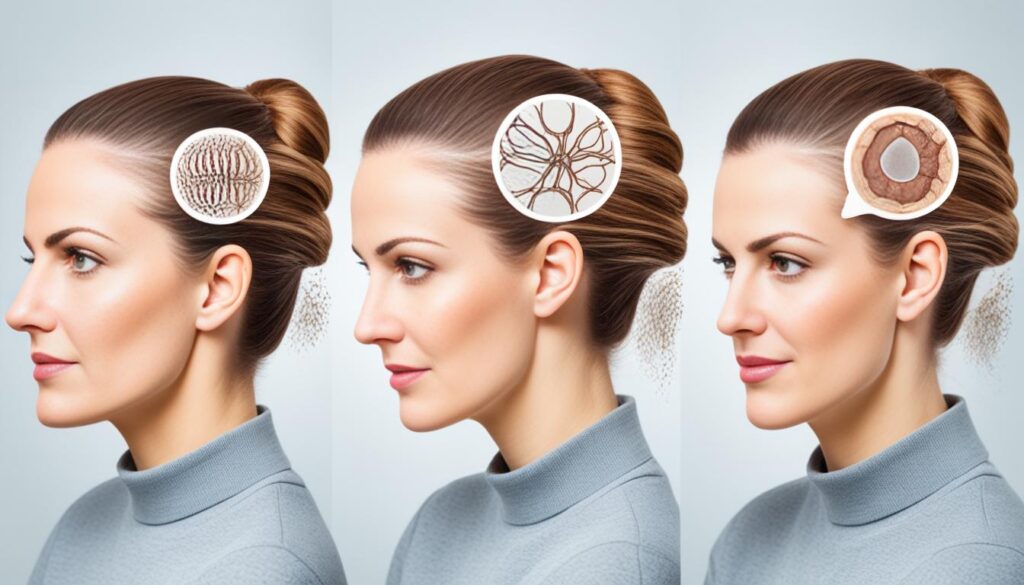
The loss of hair can be distressing for both men and women. If you’re a woman considering a hair transplant, it’s important to be well-prepared. Women may experience hair loss due to various factors, including genetics, hormonal changes, and underlying conditions. Before opting for a hair transplant, it’s advisable to explore non-surgical treatments such as topical solutions, medications, laser therapy, and PRP therapy. However, if you are looking for more permanent results, hair transplant surgery may be a suitable option.
Eligibility for a hair transplant will depend on several factors, including the cause and extent of hair loss, the overall health of the hair, and the likelihood of future hair loss. It is essential to choose a qualified surgeon and undergo a consultation to assess your specific needs and create a personalized hair transplant plan.
Preparing for a hair transplant as a woman involves following certain guidelines, such as avoiding smoking and alcohol, stopping hair loss medications, protecting the scalp from sun exposure, and refraining from cutting or dyeing your hair before the procedure. Women have the option of choosing between follicular unit transplantation (FUT) and follicular unit excision (FUE) procedures, which differ in how the hair follicles are extracted and transplanted. After the transplant, there may be some discomfort and a recovery period during which special care must be taken to avoid disturbing the grafts.
It takes time to see noticeable changes after a hair transplant, with full results typically taking 12-18 months. The cost of a female hair transplant can vary depending on the complexity of the procedure and the number of grafts required.
Key Takeaways:
- Before considering a hair transplant, explore non-surgical treatment options.
- Choose a qualified surgeon and undergo a consultation to assess eligibility and create a personalized plan.
- Follow pre-transplant guidelines such as avoiding smoking and alcohol.
- Select between FUT and FUE procedures for hair transplantation.
- Expect a recovery period and take care to avoid disturbing the grafts.
Types of Female Hair Loss and Causes
There are different types of hair loss that can affect women, with varying causes. Understanding the specific type and cause of hair loss is crucial for identifying suitable treatment options. Here are some common types and their causes:
1. Androgenetic Alopecia (Female Pattern Hair Loss)
Androgenetic alopecia, also known as female pattern hair loss, is a prevalent type of hair loss in women. It is caused by an increase in androgens (sex hormones) in the body. This condition can be linked to factors such as genetics, polycystic ovarian syndrome, and menopause.
2. Telogen Effluvium
Telogen effluvium is a type of hair loss that occurs after a traumatic event, such as childbirth, surgery, or experiencing significant stress. It is characterized by the transition of hair follicles into the resting phase, followed by the shedding of hair in clumps.
3. Anagen Effluvium
Anagen effluvium is often associated with chemotherapy or radiation treatments. These treatments damage hair follicles on a cellular level, leading to hair loss. This type of hair loss can affect the scalp and other areas of the body.
4. Alopecia Areata
Alopecia areata is an autoimmune condition in which the immune system mistakenly attacks hair follicles. This attack leads to hair loss, often in patches. The exact cause of alopecia areata is unknown, but it is believed to be a combination of genetic and environmental factors.
5. Traction Alopecia
Traction alopecia is caused by repeated tension on the hair and scalp, often from tight hairstyles such as braids, ponytails, or extensions. This constant pulling can damage the hair follicles and lead to hair loss in the affected areas.
6. Deficiencies in Vitamin D and Iron
Deficiencies in essential nutrients like vitamin D and iron can also contribute to hair loss in women. Vitamin D plays a crucial role in hair follicle function, and low levels can disrupt the hair growth cycle. Iron deficiency, known as anemia, can lead to hair loss by reducing the amount of oxygen available to hair follicles.
7. Other Hormonal Imbalances and Changes
Other hormonal imbalances and changes, such as thyroid dysfunction, pregnancy, and menopause, can also affect hair growth. These imbalances and changes can disrupt the normal hair growth cycle and lead to hair loss in women.
Understanding the specific type and cause of hair loss is essential for developing an effective treatment plan. Whether it’s seeking medical intervention, making lifestyle changes, or addressing underlying deficiencies, identifying the root cause is the first step towards restoring healthy hair.
Non-Surgical Hair Loss Treatments for Women
When it comes to addressing hair loss in women, there are a variety of non-surgical options available. These treatments aim to promote hair growth, restore thickness, and improve self-esteem. We will explore some common non-surgical treatments that can help women combat hair loss.
Topical Solutions
Topical solutions are often recommended by doctors as a first-line treatment for female hair loss. One commonly used topical solution is minoxidil. Applied directly to the scalp, minoxidil has been shown to stimulate hair growth in women, with visible results expected within eight months. Continuous use is necessary to maintain the regrowth, as discontinuation may lead to shedding after 12 weeks.
Medications
In addition to topical solutions, medications can also be prescribed to women experiencing hair loss. Spironolactone, for instance, is a medication that blocks androgens, the hormones responsible for hair loss in women with androgenetic alopecia. By reducing the effects of these hormones, spironolactone can help slow down hair thinning and promote regrowth.
Laser Therapy
Laser therapy is a non-invasive treatment that aims to stimulate hair follicles and promote natural hair growth. This therapy can be an effective option for women who prefer non-surgical approaches. Laser devices emit low-level light that penetrates the scalp and stimulates blood flow to the hair follicles. This can result in thicker, healthier hair over time.
PRP Therapy
Platelet-rich plasma (PRP) therapy is gaining popularity as a non-surgical treatment for female hair loss. The procedure involves injecting a concentrated solution of the patient’s own plasma into the scalp. Rich in growth factors, PRP stimulates the dormant hair follicles and promotes hair growth. It is commonly used to treat androgenetic hair loss in women.
Non-surgical hair loss treatments offer women a range of options to combat hair loss and boost their confidence. Consultation with a hair loss specialist is essential to determine the most suitable treatment plan based on individual needs and goals. Whether it’s topical solutions, medications, laser therapy, or PRP therapy, there are non-surgical approaches available to help women regain a fuller head of hair.


Disclaimer: The image is for illustrative purposes only and does not represent the specific treatments mentioned in the section.
Hair Transplant Procedure for Women
Hair transplant surgery can be an effective and permanent solution for women experiencing hair loss. However, it is crucial to approach the procedure with careful consideration and proper preparation. Eligibility for a female hair transplant will depend on various factors, including the cause and extent of hair loss, the health of the existing hair, and the potential for future hair loss.
Choosing a qualified and experienced surgeon is essential for a successful hair transplant procedure. Take the time to research and select a surgeon who specializes in performing hair transplants for women. Before undergoing the procedure, scheduling a consultation with the chosen surgeon is necessary to evaluate your specific hair loss condition and determine the most suitable approach for the transplant.
Guidelines for preparing for a hair transplant as a woman may include certain measures such as avoiding smoking and excessive alcohol consumption, discontinuing the use of any hair loss medications, protecting the scalp from sun exposure, and refraining from cutting or dyeing the hair before the procedure. Adhering to these guidelines will help optimize the success of the transplant.
There are two main types of hair transplant procedures commonly used for women: follicular unit transplantation (FUT) and follicular unit excision (FUE). During an FUT procedure, a strip of scalp containing hair follicles is surgically removed and then transplanted into the areas of thinning or baldness. FUE, on the other hand, involves individually extracting hair follicles from the back and sides of the head and implanting them into the targeted areas. The choice of procedure will depend on factors such as the extent of hair loss and the desired outcome.
Post-transplant care and recovery are crucial for the success of the procedure. Following the surgeon’s instructions is vital, which may include avoiding picking at scabs, refraining from washing or styling the hair for a specific period, and taking time off from work and strenuous activities. It’s important to note that the results of a hair transplant take time to become visible. You can expect noticeable changes after about six months, and full results may take 12-18 months to manifest as the transplanted hairs shed and regrow.
After a hair transplant, it’s essential to care for the transplanted hair properly. This may involve gentle washing, avoiding excessive heat styling or chemical treatments, and protecting the scalp from sun exposure. It’s also important to understand that, while a hair transplant can provide long-lasting results, there is still the potential for future hair loss due to factors like natural aging or hormonal changes.
The cost of a female hair transplant can vary depending on factors such as the complexity of the procedure and the number of grafts required. It’s best to discuss the cost during the consultation with the chosen surgeon.

Timeline for Hair Transplant Results
| Time After Transplant | Results |
|---|---|
| 6 months | Noticeable changes in hair growth |
| 12-18 months | Full results with significant hair regrowth |
Pre-Surgery and Post-Surgery Instructions for Hair Transplant
Before undergoing a hair transplant, it is crucial to follow specific instructions to ensure the best results and minimize complications. These instructions include:
- Discontinuing Medications: To reduce the risk of bleeding, certain medications and supplements should be avoided before and after the procedure. This includes aspirin, ibuprofen, and vitamins. Follow your surgeon’s recommendations regarding how long to stop taking these medications.
- Alcohol and Hair Treatments: It is important to avoid consuming alcohol before the surgery. Additionally, stop using any hair treatments or products that may affect the scalp’s condition or interfere with the transplant procedure.
- Preparing for Surgery: Get a good night’s sleep before the surgery and have a normal breakfast on the day of the procedure. Wash and dry your hair before coming to the clinic, and avoid using leave-in products.
- Appropriate Attire: Wear comfortable clothing, such as a button-down shirt, that can be easily removed and won after the surgery. Also, bring a loose-fitting cap to protect your scalp after the procedure.
- Prescribed Medications: Depending on the type of procedure, your surgeon may prescribe medications such as prednisone, keflex, and hydrocodone. These medications help prevent swelling, infection, and alleviate pain. Be sure to follow the prescribed dosage and take them after a meal.
- Exercise and Transportation: Avoid strenuous exercise before the surgery, as it can increase the risk of bleeding. Also, arrange for transportation to and from the clinic, as certain pain medications may impair your ability to drive.
- Payment and Cancellation Policy: Full payment is typically required before the start of the surgery. It is essential to be aware of the clinic’s payment and cancellation policy, including any deposit required to secure a surgery date.
- Post-Surgery Care: After the procedure, follow the post-surgery wound care instructions provided by your surgeon. Apply ice packs to minimize swelling and avoid picking at scabs to promote proper healing.
- Activity Restrictions: Your surgeon will advise you on any activity restrictions following the hair transplant. It’s important to avoid strenuous activities that may strain the scalp and disrupt the healing process.
- Managing Folliculitis and Numbness: Your surgeon will guide you on managing potential complications like folliculitis, which is inflammation of the hair follicles. Numbness in the scalp is a common side effect, but it will gradually subside over time.
- Protection from the Sun and Cold: Follow your surgeon’s instructions for protecting your scalp from the sun and harsh weather conditions. This may include wearing a hat or using sunscreen to prevent damage to the newly transplanted hair.
- Guidelines for the Night Before and Day of the Procedure: Your surgeon will provide specific instructions on what to do the night before and on the day of the hair transplant. These guidelines may include dietary restrictions, showering instructions, and arrival time at the clinic.
Following these instructions will help ensure a successful hair transplant procedure and promote optimal healing and results. It is essential to communicate openly with your surgeon and address any concerns or questions you may have.
Conclusion
Hair transplant surgery is an effective solution for women experiencing hair loss, providing successful hair restoration and helping to restore confidence. It offers long-term results, giving women thicker hair in areas of thinning and filling gaps caused by hair loss. However, achieving optimal outcomes requires proper preparation and aftercare.
Before undergoing a hair transplant, it is crucial to choose a qualified surgeon and understand the underlying causes of hair loss. Exploring non-surgical treatments can also help in making an informed decision. Following the pre-surgery instructions, such as avoiding certain medications and preparing the scalp, is necessary for a smooth recovery.
Equally important is the post-surgery care, which involves adhering to the guidelines provided by the surgeon. This includes avoiding picking at scabs, taking prescribed medications, protecting the scalp from sun exposure, and following activity restrictions. It is normal for results to take time to fully manifest, with noticeable changes typically seen after six months and full results within 12-18 months.
While a hair transplant can provide long-term results, it is essential to understand that further hair loss can occur due to factors such as aging or hormonal changes. If you are struggling with female hair loss, consulting with a hair transplant specialist will help you receive personalized guidance and explore suitable treatment options. Restoring your hair can have a significant impact on your confidence and overall well-being.
FAQ
What are the common types of hair loss in women?
Common types of hair loss in women include androgenetic alopecia, telogen effluvium, anagen effluvium, alopecia areata, traction alopecia, and deficiencies in Vitamin D and iron.
What non-surgical treatments are available for women experiencing hair loss?
Non-surgical options for women experiencing hair loss include topical solutions, medications like minoxidil and spironolactone, laser therapy, and PRP therapy.
What factors should be considered before deciding on a hair transplant as a woman?
Factors to consider before a hair transplant as a woman include the cause and extent of hair loss, the overall health of the hair, and the likelihood of future hair loss.
What types of hair transplant procedures are available for women?
Women can choose between follicular unit transplantation (FUT) and follicular unit excision (FUE) for hair transplant procedures.
How long does it take to see results after a hair transplant?
Results from a hair transplant can take several months to manifest, with noticeable changes typically seen after six months, and full results expected within 12-18 months.
What precautions should be taken before and after a hair transplant as a woman?
Precautions before and after a hair transplant as a woman include avoiding smoking and alcohol, stopping hair loss medications, protecting the scalp from sun exposure, and following post-transplant care instructions.