
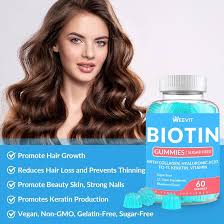
Introduction
Biotin supplements have become increasingly popular as a remedy for hair loss and thinning in women. Also known as vitamin B7 or vitamin H, biotin is a water-soluble B vitamin that plays a crucial role in the metabolism of fatty acids, amino acids, and glucose. It’s an essential nutrient for maintaining healthy skin, nails, and hair, acting as a coenzyme for carboxylases involved in cell growth and the production of fatty acids.
The association between biotin and hair health stems from observations that biotin deficiency can lead to hair thinning, brittleness, and loss. This connection has catapulted biotin supplements into the spotlight, with countless products now marketed specifically to women experiencing hair concerns. Walk down any supplement aisle or browse online health stores, and you’ll find biotin prominently featured in hair, skin, and nail formulations.
But does the scientific evidence support the widespread use of biotin for female hair loss? This comprehensive guide examines what biotin is, how it functions in the body, the research behind its effectiveness for various types of hair loss, and considerations for safe supplementation.
The Science Behind Biotin
Biotin’s Role in Keratin Production
Hair is primarily composed of a fibrous structural protein called keratin. Biotin plays a fundamental role in keratin production through its function as a cofactor for enzymes that synthesize amino acids used to build keratin. Specifically, biotin supports:
- The production of amino acids that form the building blocks of keratin
- The metabolism of lipids that contribute to hair shaft structure
- The conversion of nutrients into energy needed for hair cell production
At the cellular level, biotin is incorporated into biotin-dependent carboxylases, enzymes that catalyze essential metabolic reactions. These enzymes are involved in the synthesis of fatty acids and the metabolism of amino acids—processes that are vital for healthy hair growth and structure.
When biotin levels are optimal, these biochemical processes function smoothly, potentially supporting strong keratin production and, consequently, hair strength and growth. However, the relationship between supplemental biotin and improved keratin production in individuals without deficiency remains less clear.
Metabolic Functions Related to Hair
Beyond keratin production, biotin influences hair health through several metabolic pathways:
Energy Production: Hair follicles are among the body’s most metabolically active tissues, requiring significant energy for growth. Biotin is essential for converting food into ATP (adenosine triphosphate), the energy currency that powers cellular processes including hair growth.
Glucose Regulation: Biotin plays a role in glucose metabolism, which is important for maintaining stable energy supplies to hair follicles. Dysregulated glucose metabolism, as seen in conditions like diabetes, is associated with hair growth disorders.
Fatty Acid Synthesis: Biotin-dependent enzymes are involved in producing fatty acids that form part of the hair shaft and the sebum that conditions the hair and scalp.
Cell Proliferation: The rapid cell division required for hair growth depends partly on biotin-related metabolic processes.
These metabolic functions underscore why biotin is important for hair health at a fundamental level. However, it’s crucial to note that supplementing with biotin only addresses hair loss if a deficiency exists—additional biotin beyond what the body needs may not enhance these already optimized processes.
Biotin Deficiency and Its Symptoms
True biotin deficiency is rare in the general population but can occur in certain circumstances. When it does occur, hair loss is indeed among the symptoms. Signs of biotin deficiency include:
- Thinning hair or hair loss
- Brittle, easily broken hair
- Scaly, red rash around body openings (eyes, nose, mouth)
- Dry, flaky skin and scalp
- Brittle nails with frequent splitting or breaking
- Fatigue and weakness
- Neurological symptoms such as depression, lethargy, hallucinations, and tingling in extremities
Risk factors for developing biotin deficiency include:
- Long-term use of certain anticonvulsant medications
- Long-term use of antibiotics, which can disrupt gut bacteria that produce biotin
- Excessive consumption of raw egg whites, which contain avidin, a protein that binds biotin and prevents its absorption
- Alcohol dependency
- Pregnancy and breastfeeding (increased requirement)
- Biotinidase deficiency, a rare inherited disorder
- Intestinal malabsorption conditions like Crohn’s disease, celiac disease, or leaky gut syndrome
It’s important to recognize that the hair loss seen in biotin deficiency is distinctive and typically accompanied by other symptoms. Most women experiencing hair thinning or loss are not biotin deficient, which partially explains why biotin supplementation may not address their hair concerns.
Evidence for Supplementation Benefits
Despite biotin’s popularity as a hair growth supplement, the scientific evidence supporting its use in women without deficiency is surprisingly limited:
Research in Deficient Individuals: Studies consistently show that correcting biotin deficiency improves related hair loss. This is well-established and uncontroversial.
Research in Non-Deficient Individuals: Evidence is much weaker for those with normal biotin levels. A 2017 review in the journal Skin Appendage Disorders concluded: “We found no evidence to suggest benefit from biotin supplementation outside of known biotin deficiencies from congenital or acquired causes.”
Combination Studies: Some studies show positive results when biotin is included in multinutrient supplements containing other ingredients like zinc, copper, or silicon. However, these studies cannot isolate biotin’s specific contribution to the positive outcomes.
Clinical Observations: Many dermatologists report anecdotal improvements in some patients taking biotin, but these observations haven’t been consistently validated in controlled trials.
A 2019 study in the International Journal of Trichology found that 38% of women complaining of hair loss had suboptimal biotin levels. This suggests that while not all female hair loss is related to biotin levels, a substantial minority of cases might involve biotin insufficiency, potentially explaining some of the positive anecdotal reports.
For more comprehensive approaches to female hair thinning, see our article on Natural Remedies for Female Hair Thinning.
Biotin Deficiency vs. Supplementation
Who is at Risk for Deficiency?
Several factors can increase a woman’s risk of biotin deficiency:
Dietary Factors:
- Strict vegetarian or vegan diets without proper planning
- Diets very low in protein or calories
- Regular consumption of raw egg whites
- Alcohol dependency, which impairs absorption and increases excretion
Medical Conditions:
- Inflammatory bowel diseases (Crohn’s, ulcerative colitis)
- Malabsorption syndromes
- Liver disease
- Biotinidase deficiency (a rare inherited metabolic disorder)
- Seborrheic dermatitis (a condition that may both cause and result from biotin deficiency)
Medications and Treatments:
- Anticonvulsants (particularly carbamazepine, phenytoin, phenobarbital)
- Broad-spectrum antibiotics (disrupt gut bacteria that produce biotin)
- Isotretinoin (commonly known as Accutane)
- Antimetabolite medications
- Hemodialysis
Life Stages:
- Pregnancy (increased requirements)
- Breastfeeding (increased requirements)
- Advanced age (reduced absorption efficiency)
Understanding these risk factors can help identify women who might genuinely benefit from biotin supplementation. If you fall into one of these categories and are experiencing hair loss, biotin might be more likely to help your specific situation.
Testing for Biotin Levels
Assessing biotin status isn’t straightforward, as standard blood tests don’t typically include biotin levels. However, several approaches can help determine if biotin deficiency might be contributing to hair loss:
Blood Tests: While direct biotin measurement isn’t routine, these markers may indicate status:
- Plasma biotin levels (specialized test)
- Biotinidase enzyme activity
- Organic acids in urine (may show patterns consistent with biotin deficiency)
Clinical Assessment: Healthcare providers may evaluate for signs of deficiency including:
- Distinctive rash around body openings
- Brittle nails with characteristic changes
- Neurological symptoms alongside hair changes
- Pattern of hair loss consistent with nutritional deficiency (diffuse thinning rather than pattern-specific loss)
Nutritional Analysis: Detailed assessment of diet and supplement intake
- Evaluation of biotin-rich food consumption
- Review of factors affecting biotin status (medications, etc.)
If you suspect biotin deficiency might be contributing to your hair loss, consult with a healthcare provider, ideally a dermatologist or trichologist familiar with nutritional influences on hair health. They can help determine whether testing is appropriate and which approaches make the most sense for your specific situation.
Symptoms of Deficiency
Biotin deficiency manifests through a range of symptoms beyond hair loss:
Dermatological Signs:
- Seborrheic dermatitis-like rash, particularly around the eyes, nose, mouth, and genital area
- Dry, scaly skin
- Hair thinning and loss, often diffuse rather than patterned
- Changes in hair texture and strength (brittle, easily broken)
- Fragile nails that split and break easily
Neurological Symptoms:
- Depression
- Lethargy
- Hallucinations
- Paresthesia (tingling sensations in extremities)
- Muscle pain or weakness
Other Manifestations:
- Conjunctivitis (eye inflammation)
- Abnormal fat distribution on the face
- Impaired glucose tolerance
- Developmental delays in infants with congenital deficiency
The constellation of symptoms is important; hair loss alone is rarely attributable to biotin deficiency. When biotin deficiency is the cause, addressing it typically resolves both the hair issues and the accompanying symptoms.
Supplementation Without Deficiency
The central question for many women considering biotin supplements is: “Will biotin help my hair if I’m not deficient?” The current scientific consensus suggests:
Limited Evidence: Studies showing benefits in non-deficient individuals are sparse and often methodologically limited.
Theoretical Basis: Some researchers propose that higher-than-required biotin levels might optimize hair-growing conditions even without frank deficiency, but this remains theoretical.
Individual Variation: Anecdotal evidence suggests some women without diagnosed deficiency may still respond positively to supplementation, possibly due to:
- Subclinical insufficiency not detected by standard measures
- Individual variations in biotin requirements or metabolism
- Benefits from other ingredients in biotin-containing supplements
- Placebo effect
Potential “Sweet Spot”: Some practitioners suggest a middle ground—that certain women may have biotin levels that, while not low enough to cause classic deficiency symptoms, aren’t optimal for hair growth.
The bottom line: Biotin supplementation in women without deficiency has minimal scientific support, but given its safety profile and low cost, many dermatologists consider it a reasonable option to try for 3-6 months while pursuing other evidence-based treatments.
For information on other vitamins that may support hair growth, see our comprehensive Best Vitamins for Women’s Hair Growth guide.
Research Evidence on Effectiveness
Clinical Studies Review
Despite biotin’s popularity, dedicated clinical studies examining its effectiveness specifically for female hair loss are surprisingly limited:
Studies in Deficient Populations: Multiple case reports and small studies confirm that biotin supplementation effectively resolves hair loss in individuals with confirmed deficiency. However, these studies don’t apply to the majority of women taking biotin supplements who have no deficiency.
Studies in General Populations: Few well-designed trials have evaluated biotin for hair loss in women with normal biotin levels. A comprehensive 2017 review in Skin Appendage Disorders found “no evidence to suggest benefit from biotin supplementation outside of known biotin deficiencies.”
Combination Product Studies: Several studies show positive results for supplements containing biotin along with other ingredients:
- A 2018 double-blind study published in Dermatology and Therapy found that a supplement containing biotin, zinc, and other nutrients improved hair growth in women with thinning hair.
- A 2015 study in the Journal of Clinical and Aesthetic Dermatology showed a marine protein supplement containing biotin increased hair growth in women with self-perceived thinning hair.
However, these studies can’t isolate biotin’s specific contribution to the observed benefits.
Research Limitations
Several factors complicate the research picture for biotin and hair loss:
Methodological Challenges:
- Hair growth is difficult to measure objectively
- Studies often rely on self-reporting or subjective assessments
- Long follow-up periods are needed due to slow hair growth
- Controlling for confounding factors is difficult
Funding Issues:
- As a non-patentable nutrient, biotin attracts limited research funding
- Many studies are industry-funded, potentially introducing bias
- Sample sizes are often small due to cost constraints
Population Heterogeneity:
- “Female hair loss” encompasses multiple conditions with different causes
- Studies rarely stratify participants by hair loss type or underlying cause
- Genetic factors influencing response are rarely accounted for
Dosage Variations:
- Studies use widely varying doses, making comparisons difficult
- Optimal dosage may differ based on individual factors
- Duration of supplementation varies between studies
These limitations make it difficult to draw definitive conclusions about biotin’s effectiveness for general female hair loss, contributing to the gap between popular perception and scientific evidence.
Results in Deficiency vs. Normal Levels
The effectiveness of biotin for hair loss shows a clear pattern when comparing individuals with deficiency to those with normal biotin levels:
In Confirmed Deficiency:
- High response rate with clear improvements
- Relatively rapid results (often within 1-3 months)
- Improvements extend beyond hair to other symptoms
- Benefits sustained with continued supplementation
- Clear dose-response relationship
In Normal Biotin Status:
- Inconsistent response rates
- Longer time to potential improvement (3-6 months if any)
- Effects may be subtle rather than dramatic
- Unclear dose-response relationship
- Higher placebo response rate
This stark contrast explains why some women experience remarkable results with biotin while others see no benefit—the supplement addresses the underlying cause only when deficiency exists. For women without deficiency who report improvements, other mechanisms may be at play, including:
- Correction of subclinical insufficiency
- Addressing other nutrient gaps in supplements containing multiple ingredients
- Placebo effect, which can be particularly strong for hair treatments
- Coincidental improvement due to natural hair cycle fluctuations
Contradictory Findings Explained
Conflicting reports about biotin’s effectiveness for hair loss stem from several factors:
Different Types of Hair Loss: Studies often don’t distinguish between androgenetic alopecia (pattern hair loss), telogen effluvium (stress-related shedding), alopecia areata (autoimmune), and other forms of hair loss. Biotin may impact these conditions differently.
Variations in Baseline Status: Some study participants may have subclinical biotin insufficiency without meeting criteria for deficiency, potentially explaining positive outcomes in supposedly “non-deficient” populations.
Adherence Differences: Consistency in taking supplements varies widely in real-world settings compared to controlled studies.
Formulation Variations: Biotin supplements differ in formulation, additional ingredients, and bioavailability, potentially affecting outcomes.
Time Frame Considerations: Hair grows slowly—approximately 1/2 inch per month. Studies with different durations may capture different phases of the hair growth cycle.
Outcome Measurement: Studies use different methods to assess results, from subjective questionnaires to sophisticated imaging techniques, making cross-study comparisons difficult.
Understanding these factors helps explain why scientific reviews may find limited evidence while individual women and even some healthcare providers report positive experiences with biotin supplementation.
For women experiencing hair loss related to stress, our article on Hair Loss Due to Stress in Women provides targeted information.
Dosage, Safety and Side Effects
Recommended Daily Intake
The recommended intake of biotin varies by life stage and condition:
Adequate Intake (AI) for Adults:
- Women (19+ years): 30 micrograms (mcg) daily
- Pregnant women: 30 mcg daily
- Breastfeeding women: 35 mcg daily
These amounts are considered sufficient to prevent deficiency in healthy individuals. However, therapeutic doses for hair loss typically exceed these baseline recommendations substantially.
Therapeutic Dosages:
- For general hair support (without confirmed deficiency): 1,000-3,000 mcg (1-3 mg) daily
- For treatment of biotin deficiency: 5,000-10,000 mcg (5-10 mg) daily
- Doses used in studies: Vary widely, from 1,000-10,000 mcg daily
Most over-the-counter biotin supplements for hair contain between 1,000-10,000 mcg per serving, far exceeding the AI. While these higher doses appear safe for most individuals, they reflect marketing strategies rather than scientific determination of optimal dosage.
Supplement Dosage Guidelines
When considering biotin supplementation for hair loss, these guidelines may help determine appropriate dosage:
Start Conservative: Begin with a moderate dose (1,000 mcg daily) unless deficiency is confirmed.
Gradual Approach: If no improvements are seen after 3 months, the dose can be gradually increased.
Maximum Recommendations: Most healthcare providers recommend not exceeding 10,000 mcg daily without medical supervision.
Splitting Doses: For higher doses, dividing the daily amount into morning and evening doses may improve utilization.
Consistency Matters: Regular daily intake is more important than occasional high doses.
Individual Factors: Age, weight, overall health, and medication use may influence optimal dosage.
When in doubt, consult with a healthcare provider knowledgeable about nutritional supplements and hair health to determine the most appropriate dosage for your specific situation.
Potential Side Effects and Risks
Biotin is generally considered safe, even at doses many times higher than the AI. The body effectively eliminates excess biotin through urine, minimizing toxicity concerns. However, some considerations exist:
Common Side Effects: Generally minimal, but may include:
- Mild digestive issues (nausea, cramping)
- Skin breakouts in some individuals
- Potential mild allergic reactions to inactive ingredients
Significant Concerns:
- Lab Test Interference: The most serious issue with biotin supplementation is its interference with numerous laboratory tests, particularly thyroid function tests and troponin (used to diagnose heart attacks). This interference can lead to falsely high or low results, potentially causing misdiagnosis or inappropriate treatment.
- Always inform healthcare providers about biotin supplementation before any blood tests, and consider stopping biotin (if approved by your doctor) 3-7 days before scheduled testing.
Special Populations:
- Pregnancy: While biotin requirements don’t increase during pregnancy, and biotin is considered safe, always consult with a prenatal care provider before taking doses above the AI.
- Kidney Disease: Those with impaired kidney function may have altered biotin metabolism.
- Epilepsy: Patients taking anti-seizure medications should consult with their neurologist before supplementing.
Long-term Use: No significant adverse effects have been documented with long-term use of biotin at commonly recommended doses.
Drug Interactions and Lab Test Interference
Biotin supplementation can interact with certain medications and significantly impact laboratory testing:
Medication Interactions:
- Anticonvulsants: May reduce biotin levels, potentially requiring higher supplementation
- Antibiotics: Extended use may reduce biotin production by gut bacteria
- Isotretinoin: May alter biotin metabolism
- Alcohol: Excessive consumption can impair biotin absorption and increase excretion
Laboratory Test Interference: Biotin can significantly interfere with tests that use biotin-streptavidin technology, including:
- Thyroid function tests (TSH, T3, T4)
- Cardiac markers (troponin)
- Hormone tests (estradiol, testosterone, progesterone)
- Vitamin D levels
- Infectious disease markers
This interference is dose-dependent and can persist for days after stopping supplementation. This serious concern led the FDA to issue a safety communication in 2017 warning about biotin’s impact on lab test results.
Recommendations Regarding Testing:
- Always inform all healthcare providers about biotin supplementation
- Stop biotin supplementation 3-7 days before scheduled blood work if possible (consult with your doctor first)
- If emergency testing is needed, ensure medical staff are aware of biotin usage
- Consider wearing a medical alert bracelet if taking high-dose biotin regularly
This testing interference is the most significant safety concern associated with biotin supplementation and has led some medical centers to specifically screen for biotin use before certain tests.
Combining Biotin with Other Nutrients
Synergistic Nutrient Combinations
Biotin may be more effective when combined with other nutrients that support hair health:
Biotin + Zinc: Zinc plays essential roles in protein synthesis, cell division, and hormone regulation—all important for hair growth. Zinc deficiency can cause similar hair issues to biotin deficiency. Together, these nutrients may support different aspects of the hair growth cycle.
Biotin + Iron: Iron deficiency is a leading cause of hair loss in women, particularly those with heavy menstrual periods. Iron is necessary for delivering oxygen to hair follicles. Combining iron with biotin may address multiple potential nutritional gaps affecting hair.
Biotin + Vitamin C: Vitamin C enhances iron absorption and is necessary for collagen production, which forms the structure around hair follicles. It also possesses antioxidant properties that may protect follicles from damage.
Biotin + Vitamin D: Research has linked vitamin D deficiency to various forms of hair loss. Vitamin D receptors in hair follicles appear to play a role in hair cycling. Some studies suggest combined supplementation may be more effective than either nutrient alone.
Biotin + Omega-3 Fatty Acids: These essential fats have anti-inflammatory properties and support scalp health. They may enhance the effectiveness of biotin by creating a healthier environment for hair growth.
Many commercial hair supplements include these combinations, along with additional nutrients like silica, copper, and selenium, based on the concept that addressing multiple potential nutritional gaps simultaneously improves outcomes.
Complementary Vitamins and Minerals
Beyond the key synergistic nutrients, several other vitamins and minerals complement biotin’s action:
Vitamin E: As a potent antioxidant, vitamin E may protect hair follicles from oxidative stress. Some research suggests it improves scalp circulation, potentially enhancing nutrient delivery to hair follicles.
B-Complex Vitamins: Other B vitamins (including B12, folate, and niacin) work alongside biotin in energy metabolism and cell division. Deficiencies in these vitamins can also cause hair loss, making a B-complex approach potentially more effective than biotin alone.
Silica: This mineral is involved in strengthening hair and may improve thickness and shine when combined with biotin.
Copper: Essential for hair pigmentation, copper assists in the production of melanin. It also plays a role in cross-linking collagen and elastin, supporting hair structure.
Selenium: This trace element acts as an antioxidant and is involved in hair follicle morphogenesis. However, it should be supplemented cautiously as excess selenium can contribute to hair loss.
MSM (Methylsulfonylmethane): Provides sulfur for keratin production and may work synergistically with biotin to improve hair strength and growth.
When considering these complementary nutrients, look for well-formulated supplements with balanced amounts rather than excessive quantities of any single ingredient.
Multi-Ingredient Hair Supplements
Many commercial hair supplements combine biotin with multiple supporting nutrients. Popular formulations include:
Comprehensive Formulas: Products like Nutrafol, Viviscal, and Hairfinity contain biotin alongside various combinations of vitamins, minerals, herbs, and proprietary blends. Some of these have stronger research support than biotin alone.
Marine-Based Supplements: Several well-studied hair supplements include marine protein complexes with biotin and other nutrients. The research on these products shows more consistent positive results than biotin alone, suggesting the combination may be more effective.
Collagen + Biotin Formulas: These increasingly popular supplements combine biotin with collagen peptides and supporting nutrients like vitamin C and hyaluronic acid, targeting both hair and skin health.
When evaluating these products, consider:
- Evidence Base: Look for products with clinical studies supporting their specific formulation
- Transparency: Clear labeling of all ingredients and their amounts
- Quality Assurance: Third-party testing and Good Manufacturing Practices certification
- Value: Cost relative to the quality and quantity of active ingredients
- Allergen Information: Particularly for marine-based products which may not be suitable for those with shellfish allergies
For some women, these comprehensive formulations may offer advantages over biotin alone, especially when hair loss has multiple contributing factors.
Food Sources of Biotin
While supplements provide concentrated doses, incorporating biotin-rich foods into your diet ensures you’re getting the vitamin in its natural form, often with complementary nutrients:
Richest Sources (mcg per serving):
- Beef liver (3 ounces): 30 mcg
- Egg yolk (1 large): 10 mcg
- Salmon (3 ounces): 5 mcg
- Pork chop (3 ounces): 3.8 mcg
- Sunflower seeds (1/4 cup): 2.6 mcg
- Sweet potato (1/2 cup): 2.4 mcg
- Almonds (1/4 cup): 1.5 mcg
Moderate Sources:
- Dairy products (particularly cheese)
- Avocados
- Raspberries
- Cauliflower
- Whole grains
Plant-Based Options (important for vegetarians/vegans):
- Nutritional yeast
- Legumes (especially peanuts)
- Nuts and seeds
- Whole grains
- Certain mushrooms
Biotin in food exists partly as free biotin and partly bound to proteins, requiring digestive enzymes for release and absorption. Some research suggests the bioavailability of food-derived biotin may differ from supplemental forms.
For a more comprehensive approach to thickening hair, see our article on How to Thicken Thinning Hair in Women.
Choosing Quality Supplements
Supplement Forms (Capsules, Gummies, etc.)
Biotin supplements come in various forms, each with distinct advantages and considerations:
Capsules and Tablets:
- Pros: Generally the most stable form; precise dosing; often the most cost-effective; typically free from added sugars
- Cons: May contain more fillers and binders; some people have difficulty swallowing pills; may take longer to dissolve and absorb
Soft Gels:
- Pros: Easy to swallow; may be better absorbed than solid forms; fewer fillers and binders than tablets
- Cons: Usually more expensive; may contain gelatin (not suitable for vegetarians/vegans)
Liquid Biotin:
- Pros: Easier to adjust dosage; better absorption potential; good for those who can’t swallow pills
- Cons: Less stable than solid forms; may require refrigeration; taste may be unpleasant; often more expensive
Gummies:
- Pros: Pleasant taste and texture; easy to take; good option for those who dislike pills
- Cons: Typically contain added sugars or sugar substitutes; may have lower potency; tend to degrade faster than other forms; often more expensive per dose
Powders:
- Pros: Highly versatile; can be mixed into foods or beverages; allow for dosage adjustment
- Cons: Less convenient; potential for inaccurate dosing; may have taste issues
Sublingual/Dissolving Tablets:
- Pros: Bypass digestive system for potentially faster absorption; good for those with digestive absorption issues
- Cons: May have added sweeteners for taste; typically more expensive
The best form depends on personal preferences, budget, and specific health considerations. Those with absorption issues might benefit from liquid or sublingual forms, while those prioritizing convenience might prefer traditional capsules or gummies.
Third-Party Testing and Certification
The supplement industry is minimally regulated, making quality assurance particularly important. Third-party testing provides verification that products contain what they claim and are free from harmful contaminants.
Key Third-Party Organizations:
USP (United States Pharmacopeia): The gold standard for supplement verification, certifying that products:
- Contain the ingredients listed on the label in the declared potency and amount
- Do not contain harmful levels of contaminants
- Will break down and release into the body within a specified time
- Have been made according to FDA Good Manufacturing Practices
NSF International: Verifies product contents and manufacturing processes with their NSF Certified for Sport® program particularly valuable for athletes concerned about banned substances.
ConsumerLab: Tests supplements for quality and publishes the results in subscription-based reports.
Informed-Choice/Informed-Sport: Focuses on testing for banned substances in sports supplements.
When selecting a biotin supplement, look for these certification marks on the packaging. While certified products may cost more, they provide assurance of quality and accuracy in a minimally regulated market.
Reading Labels Effectively
Understanding supplement labels helps you make informed choices:
Key Information to Check:
Biotin Amount: Listed in micrograms (mcg) or milligrams (mg). Remember that 1 mg equals 1,000 mcg.
Form of Biotin: Look for “d-biotin” rather than synthetic forms, though the difference in effectiveness is not well-established.
Inactive Ingredients: Check for potential allergens, artificial colors, preservatives, or fillers you might want to avoid.
Serving Size: Some products list impressive amounts but require multiple capsules per serving.
Additional Ingredients: Note whether the product contains other vitamins, minerals, or herbs that may contribute to effectiveness or potential interactions.
Storage Instructions: Proper storage affects potency and shelf life.
Expiration Date: Biotin is relatively stable but still loses potency over time.
Manufacturing Information: Look for “GMP” (Good Manufacturing Practices) certification and country of manufacture.
Warning Statements: Check for warnings relevant to your health conditions or medications.
Be wary of supplements making extravagant claims about hair growth results or using vague terms like “proprietary blend” without disclosing specific amounts of ingredients.
Comparing Brands and Formulations
With countless biotin supplements on the market, consider these factors when comparing options:
Potency and Dosage:
- Amount of biotin per serving (ranging from 1,000-10,000 mcg in most hair supplements)
- Number of servings per container (affects value)
- Recommended dosing frequency
Formulation Quality:
- Pure biotin vs. multinutrient formulas
- Inclusion of co-factors that enhance absorption and effectiveness
- Bioavailability enhancers (like black pepper extract)
- Presence of fillers, artificial colors, or preservatives
Company Reputation:
- Established history in supplement manufacturing
- Transparency about sourcing and testing
- Accessible customer service
- Published research on their specific formulations
Value Assessment:
- Cost per serving rather than just package price
- Higher price doesn’t always indicate higher quality
- Consider whether a multinutrient formula justifies a higher price point
User Reviews and Feedback:
- Look for patterns in reviews rather than isolated experiences
- Consider verified purchase reviews more heavily
- Be skeptical of extraordinary claims
Special Features:
- Specialized delivery systems
- Vegan/vegetarian options
- Allergen-free formulations
- Environmental or ethical certifications
Remember that the “best” biotin supplement varies based on individual needs, budget, and preferences. What works well for one person may not be optimal for another.
Conclusion
Realistic Expectations from Biotin
When considering biotin supplementation for hair loss, setting appropriate expectations is crucial:
For Women with Biotin Deficiency:
- Significant improvement is likely with consistent supplementation
- Results typically begin within 1-3 months
- Complete resolution of deficiency-related hair issues is possible
- Continued supplementation may be necessary to maintain results
For Women Without Confirmed Deficiency:
- Results are less predictable and often modest if present
- A 3-6 month trial is reasonable before evaluating effectiveness
- Benefits may be more noticeable for hair strength and reduced breakage than for new growth
- Individual responses vary considerably due to genetic factors, underlying causes of hair loss, and other variables
General Timeline Expectations:
- Reduced shedding (if it occurs): 1-3 months
- Noticeable improvement in hair strength: 2-4 months
- Visible new growth: 3-6 months
- Maximum benefit: 6-12 months
Remember that hair grows only about half an inch per month, placing biological limitations on how quickly any treatment, including biotin, can produce visible results.
Alternative Approaches
For women who don’t respond to biotin or prefer to explore other options, several alternative approaches exist:
Other Nutritional Interventions:
- Iron supplementation (particularly for women with heavy menstrual periods)
- Vitamin D optimization
- Zinc supplementation when appropriate
- Omega-3 fatty acids for inflammation reduction
- Specialized hair growth formulations with multiple nutrients
Topical Treatments:
- Minoxidil (FDA-approved for female hair loss)
- Prescription options like spironolactone or finasteride (off-label)
- Essential oil formulations (rosemary, peppermint, etc.)
- Peptide serums and growth factor products
- Low-level laser therapy devices
Lifestyle Modifications:
- Stress management strategies
- Sleep optimization
- Gentle hair care practices
- Anti-inflammatory diet patterns
For more comprehensive information on natural approaches to hair loss, see our article on Natural Remedies for Female Hair Thinning.
When to Consider Other Treatments
While biotin is low-risk and inexpensive enough to try, certain situations indicate the need to explore additional or alternative treatments:
Timing Considerations:
- No improvement after 3-6 months of consistent biotin supplementation
- Progressive worsening despite supplementation
- Sudden or severe hair loss
Pattern Recognition:
- Clear female pattern hair loss (genetic/hormonal)
- Patchy hair loss suggesting alopecia areata
- Scarring hair loss requiring medical intervention
Associated Symptoms:
- Scalp pain, itching, or inflammation
- Systemic symptoms suggesting underlying medical conditions
- Hair loss accompanied by menstrual irregularities or other hormonal symptoms
Professional Assessment: When considering alternative treatments, consultation with the right specialist makes a difference:
- Dermatologists (especially those specializing in hair disorders)
- Trichologists (hair and scalp specialists)
- Endocrinologists (for hormonal causes)
- Registered dietitians (for comprehensive nutritional approaches)
Remember that the most effective approach to female hair loss often involves multiple strategies tailored to the specific type and cause of hair loss.
Consultation with Healthcare Providers
Before starting biotin or any supplement regimen for hair loss, consulting with healthcare providers offers several advantages:
Benefits of Professional Guidance:
- Accurate diagnosis of the type and cause of hair loss
- Testing for potential deficiencies or underlying conditions
- Personalized dosage recommendations
- Monitoring for effectiveness and side effects
- Integration with other appropriate treatments
- Awareness of potential interactions with medications or conditions
Key Questions to Ask Healthcare Providers:
- “Could a nutritional deficiency be contributing to my hair loss?”
- “What tests would help determine if biotin or other supplements would benefit me?”
- “What is the optimal dosage for my specific situation?”
- “How long should I try supplementation before evaluating results?”
- “Are there any risks or interactions I should be aware of?”
- “What other treatments might be more effective for my specific type of hair loss?”
Finding the Right Provider: Not all healthcare providers have specialized knowledge about hair loss. Consider:
- Dermatologists with a special interest in hair disorders
- Functional medicine practitioners focusing on nutritional approaches
- Trichologists specifically trained in hair and scalp conditions
Ultimately, biotin supplementation represents just one option in the comprehensive approach to addressing female hair loss. For many women, it may serve as a supportive measure alongside other targeted interventions based on the specific cause and pattern of their hair concerns.
For women experiencing postpartum hair loss, which has unique considerations, see our dedicated article on Postpartum Hair Loss Solutions for Women.