
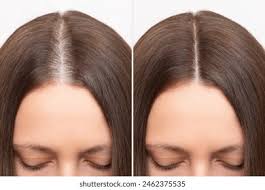
Introduction
Thinning hair affects millions of women worldwide, impacting not just appearance but often self-confidence and emotional wellbeing. Unlike men, who typically experience pattern baldness in predictable areas, women usually face diffuse thinning across the scalp, making it both more subtle and more challenging to address effectively.
The causes of female hair thinning are diverse, ranging from genetic predisposition (female pattern hair loss) to hormonal changes, nutritional deficiencies, stress, medical conditions, and aging. This variety of potential triggers means that effective solutions often require a multi-faceted approach tailored to the underlying cause.
This comprehensive guide explores evidence-based treatments and practical strategies for thickening thinning hair in women. From medically-proven interventions to styling techniques, product recommendations, and nutritional approaches, you’ll discover options for both immediate visual improvement and long-term hair health.
Whether you’ve recently noticed increased shedding or have been managing thinning hair for years, this article will help you navigate the wide range of available solutions with clarity and confidence.
Medically-Proven Treatments
Minoxidil (Mechanism and Efficacy)
Minoxidil remains the gold standard FDA-approved treatment for female pattern hair loss. Originally developed as a blood pressure medication, its hair-growing properties were discovered when patients unexpectedly experienced increased hair growth.
How It Works: While its exact mechanism isn’t fully understood, minoxidil appears to:
- Increase blood flow to hair follicles
- Prolong the anagen (growth) phase of the hair cycle
- Enlarge miniaturized follicles, resulting in thicker hair strands
- Stimulate dormant follicles to resume activity
Effectiveness: Clinical studies consistently demonstrate minoxidil’s efficacy:
- Women using 2% minoxidil showed a 19% increase in hair count over 32 weeks
- The 5% formulation (now available over-the-counter) performs even better, with some studies showing up to 60% of women experiencing moderate to dense regrowth
- Results typically become visible after 4-6 months of consistent use
Application: Minoxidil comes in liquid and foam formulations, applied directly to the scalp twice daily. The foam version tends to cause less scalp irritation and is often preferred by women.
Considerations:
- Results require ongoing use; stopping treatment typically leads to loss of new growth within 3-6 months
- Initial shedding may occur during the first few weeks as follicles synchronize their growth cycles
- Side effects may include scalp irritation, unwanted facial hair (with liquid formulations), and rarely, heart palpitations
For more natural approaches to hair thinning, see our article on Natural Remedies for Female Hair Thinning.
Prescription Medications
Several prescription medications have shown efficacy for female hair thinning, although many are used off-label for this purpose:
Spironolactone: Originally developed as a blood pressure medication, spironolactone acts as an anti-androgen, blocking the effects of male hormones that can contribute to female pattern hair loss.
- Effectiveness: Studies show improvements in up to 74% of women with androgenetic alopecia
- Dosage: Typically 50-200mg daily, depending on response and tolerance
- Considerations: Requires periodic blood monitoring; not suitable during pregnancy due to potential feminization of male fetuses; may cause menstrual irregularities, breast tenderness, or fatigue
Finasteride: While primarily prescribed for male pattern baldness, finasteride is sometimes used off-label for postmenopausal women with female pattern hair loss.
- Effectiveness: Limited studies show moderate efficacy in postmenopausal women
- Dosage: Typically 1-5mg daily
- Considerations: Absolutely contraindicated during pregnancy due to risk of birth defects; less effective in premenopausal women; may cause initial shedding
Hormone Replacement Therapy (HRT): For women experiencing hair thinning related to menopause, hormone therapy may help.
- Effectiveness: Results vary based on individual hormone profiles
- Approach: Customized combinations of estrogen and progesterone
- Considerations: Decision to use HRT should consider comprehensive health factors beyond hair concerns
Low-Dose Oral Minoxidil: Emerging research suggests that very low doses of oral minoxidil (0.25-1mg daily) may effectively treat female pattern hair loss with fewer side effects than traditional oral doses.
- Effectiveness: Early studies show promising results
- Considerations: Requires prescription and monitoring; side effects may include increased body hair, fluid retention, or cardiovascular effects
For women experiencing hair loss related to stress, explore our dedicated article on Hair Loss Due to Stress in Women.
Platelet-Rich Plasma (PRP) Therapy
Platelet-rich plasma therapy represents one of the most promising emerging treatments for female hair thinning. This procedure uses the patient’s own blood components to stimulate hair growth.
Procedure:
- A small amount of the patient’s blood is drawn
- The blood is processed in a centrifuge to separate and concentrate platelets
- The resulting platelet-rich plasma is injected into the scalp in areas of thinning
- Growth factors and proteins in the platelets activate cellular regeneration
Effectiveness:
- Multiple studies show significant improvements in both hair count and thickness
- A 2019 systematic review found PRP outperformed placebo in most studies
- Results typically appear after 3-4 monthly treatments
- Maintenance treatments every 3-6 months often recommended
Advantages:
- Utilizes the body’s own healing mechanisms
- Minimal risk of allergic reaction (uses patient’s own blood)
- No daily application required
- May be combined with other treatments for enhanced results
Considerations:
- Typically requires multiple sessions (3-4 initially)
- Results not permanent without maintenance treatments
- Cost (approximately $500-$900 per session)
- Mild discomfort during the procedure
- Not covered by most insurance plans
Low-Level Laser Therapy
Low-level laser therapy (LLLT) uses red light at specific wavelengths (typically 650-900nm) to stimulate cellular activity in hair follicles. The technology is available in professional settings and through FDA-cleared home devices including combs, bands, caps, and helmets.
Mechanism: LLLT appears to work through multiple pathways:
- Increasing blood flow to follicles
- Stimulating mitochondrial activity and ATP production
- Reducing inflammation around follicles
- Activating dormant follicles
Effectiveness:
- Clinical trials show modest but significant improvements in hair density
- A 2017 meta-analysis found LLLT provided a 51% increase in hair count
- Results typically visible after 16-26 weeks of consistent use
- Works best for early to moderate thinning rather than advanced hair loss
Home Devices: Several FDA-cleared options are available:
- Laser combs (HairMax LaserComb)
- Headbands (HairMax LaserBand)
- Caps/helmets (Capillus, iRestore, Theradome)
Considerations:
- Requires consistent, long-term use (typically 3-4 times weekly)
- Initial investment ranges from $300-$3,000 depending on device
- Generally safe with minimal side effects
- Most effective when combined with other treatments
- Results disappear if treatment is discontinued
Emerging Treatments
Several promising treatments are showing potential in clinical research:
Exosome Therapy: Exosomes are extracellular vesicles derived from stem cells that contain growth factors and messenger RNA.
- Status: Early clinical trials show promise for hair restoration
- Advantages: Potentially more potent than PRP; minimally invasive
- Availability: Limited to specialized clinics; not yet FDA-approved for hair loss
JAK Inhibitors: These medications, which modify immune system responses, show promise for certain types of hair loss.
- Status: Clinical trials underway for alopecia areata; some exploration for androgenetic alopecia
- Advantages: May help previously treatment-resistant cases
- Availability: Primarily in research settings for hair loss applications
Stem Cell Therapy: Direct application of adipose-derived stem cells to stimulate hair follicle regeneration.
- Status: Early research shows potential for significant regrowth
- Challenges: Standardization and regulatory approval still in development
- Availability: Limited to clinical trials and specialized centers
Ketoconazole: While primarily an antifungal, emerging research suggests ketoconazole shampoo may help female pattern hair loss by reducing inflammation and blocking DHT.
- Status: Limited but promising research
- Advantages: Available over-the-counter (1%) or by prescription (2%)
- Usage: Typically used 2-3 times weekly as a shampoo
Topical Prostaglandins: Medications like latanoprost and bimatoprost (used for glaucoma) have shown some ability to promote hair growth.
- Status: Mixed results in studies; research ongoing
- Availability: Primarily in research settings for hair applications
For women seeking proven vitamin and mineral approaches to hair health, see our comprehensive guide to Best Vitamins for Women’s Hair Growth.
Hair Care Strategies for Thicker-Looking Hair
Volumizing Products that Work
The right hair products can create immediate improvements in the appearance of thinning hair:
Volumizing Shampoos:
- How They Work: These products remove excess oils and residue while coating strands with lightweight ingredients that create the appearance of thickness.
- Key Ingredients: Look for polymers, proteins (keratin, wheat, rice), panthenol, and biotin.
- Application Tips: Focus on the roots; avoid overconditioning the scalp; rinse thoroughly.
- Effective Options: Living Proof Full Shampoo, Bumble and Bumble Thickening Shampoo, Nioxin Cleansing Systems.
Volumizing Conditioners:
- How They Work: These lightweight formulas provide moisture without weighing hair down.
- Key Ingredients: Hydrolyzed proteins, panthenol, lightweight humectants.
- Application Tips: Apply primarily to mid-lengths and ends, avoiding the roots; rinse thoroughly.
- Effective Options: Aveda Pure Abundance Volumizing Conditioner, Pureology Pure Volume Conditioner.
Root Lifters and Volumizing Sprays:
- How They Work: Applied to damp roots before styling, these products provide lift at the scalp and create the appearance of fuller hair.
- Key Ingredients: Polymers, proteins, alcohol (provides lift as it evaporates).
- Application Tips: Spray directly at roots in sections; use sparingly to avoid stiffness.
- Effective Options: Oribe Maximista Thickening Spray, R+Co Rodeo Star Thickening Style Foam.
Dry Shampoo:
- How They Work: Beyond absorbing oil, dry shampoos add texture and separation that create volume.
- Application Tips: Apply to roots, massage in, then brush through; can be used on clean hair purely for volume.
- Effective Options: Living Proof Perfect Hair Day Dry Shampoo, Bumble and Bumble Prêt-à-Powder.
Thickening Fibers and Powders:
- How They Work: These products contain tiny fibers or powders that adhere to existing hair, creating the appearance of density.
- Application Tips: Shake onto areas of visible scalp; seal with hairspray for longevity.
- Effective Options: Toppik Hair Building Fibers, Bumble and Bumble Color Support Powder.
For products specifically formulated to address postpartum hair loss, see our article on Postpartum Hair Loss Solutions for Women.
Shampoos and Conditioners for Fine Hair
Women with thinning hair should be particularly selective about cleansing and conditioning products:
Ideal Characteristics of Shampoos:
- Sulfate-free or low-sulfate formulations to prevent excessive stripping
- Free from heavy silicones and oils that can weigh hair down
- Contain strengthening ingredients like keratin, biotin, or rice protein
- Include gentle clarifying agents to remove buildup that flattens hair
- pH-balanced to maintain scalp health
What to Avoid in Shampoos:
- Heavy moisturizing formulations marketed for “damaged” hair
- Products containing silicones ending in “-cone” as primary ingredients
- 2-in-1 shampoo and conditioner combinations
- Excessive fragrance that may irritate the scalp
Ideal Characteristics of Conditioners:
- Lightweight formulations specifically labeled for fine or thin hair
- Contain proteins that temporarily plump the hair shaft
- Include panthenol (vitamin B5) for moisture without weight
- Formulated to detangle efficiently without heavy coating
Conditioning Techniques for Thin Hair:
- Apply conditioner primarily to mid-lengths and ends
- Use a wide-tooth comb to distribute product evenly
- Allow 1-2 minutes of contact time for optimal benefits
- Rinse thoroughly to prevent residue
- Consider occasional use of clarifying treatments to remove buildup
Specialized Shampoos Worth Considering:
- Ketoconazole-containing shampoos (like Nizoral) may help with certain types of hair thinning by addressing inflammation and blocking DHT
- Amino acid-based cleansers (like Redken’s Volume Injection) gently cleanse while adding volume
- Caffeine-infused shampoos may help stimulate the scalp and prolong the hair growth phase
Leave-In Treatments and Serums
Strategic use of leave-in products can significantly improve the appearance and health of thinning hair:
Volumizing Leave-In Sprays:
- Benefits: Add body without stiffness; protect from heat styling; improve manageability
- Application: Spray on damp hair, focusing on roots; comb through for even distribution
- Key Ingredients: Look for panthenol, rice or wheat proteins, and lightweight polymers
- Recommendations: Bumble and Bumble Thickening Spray, Living Proof Full Thickening Cream
Scalp Treatments:
- Benefits: Support optimal scalp environment for healthy growth; address issues like dryness or excess oil
- Application: Apply directly to clean, damp scalp with dropper or spray; massage in gently
- Key Ingredients: Effective options include peptides, niacinamide, tea tree oil, salicylic acid, or caffeine
- Recommendations: The Ordinary Multi-Peptide Serum for Hair Density, Phyto Phytocyane Revitalizing Serum
Bond-Building Treatments:
- Benefits: Strengthen hair bonds to reduce breakage; improve overall hair integrity
- Application: Apply to damp hair before styling; some formulas remain in hair until next wash
- How They Work: Reconnect broken disulfide bonds within hair strands
- Recommendations:
The user is asking me to continue with the article on “How to Thicken trategies for Thicker-Looking Hair”. I was specifically listing bond-building treatment recoinish that list.
I’ll continue with the article, maintaining the same style, tone, and formatting as before. I’ll follow the outline structure I created earlier, completing this section on leave-in treatments and then moving on to the subsequent sections according to the outline.
The outline indicates that after “Leave-In Treatments and Serums,” I should cover:
- Avoiding damaging hair practices
- Styling techniques for fuller-looking hair
- Haircuts and colors that create volume
- Scalp care essentials
- Nutritional support
I’ll make sure to include relevant interlinks to the other articles on the women’s baldness website (womenbaldness.com) as I’ve been doing throughout the article. I should ensure that the interlinking is natural and relevant to the content being discussed.
I also need to be mindful of providing evidence-based information while making the content accessible and practical. I’ll continue with the same level of detail and scientific backing as in the previous sections.
I’ll continue with the article on how to thicken thinning hair in women:
Bond-Building Treatments (continued):
- Recommendations: Olaplex No. 3 Hair Perfector, K18 Leave-In Molecular Repair Mask, Redken Acidic Bonding Concentrate
Lightweight Hair Oils:
- Benefits: Seal cuticle for shine; reduce frizz; provide protection
- Application: Use sparingly (1-2 drops) on mid-lengths and ends only; never on roots
- Key Ingredients: Look for lightweight oils like argan, jojoba, or grapeseed rather than heavier coconut or olive oils
- Recommendations: Moroccanoil Light Treatment, OGX Argan Oil of Morocco Light Hair Oil
Growth-Stimulating Serums:
- Benefits: Support healthy scalp environment; potentially encourage growth
- Application: Apply directly to scalp according to product instructions; typically daily or several times weekly
- Key Ingredients: Look for peptides, procapil, redensyl, caffeine, or botanical extracts
- Recommendations: Vegamour GRO Hair Serum, The Ordinary Multi-Peptide Serum for Hair Density
For those interested in biotin’s role in hair health, see our detailed article on Biotin Supplements for Female Hair Loss.
Avoiding Damaging Hair Practices
Several common hair practices can exacerbate thinning by causing breakage or stress to follicles:
Heat Styling Precautions:
- Temperature Control: Use the lowest effective heat setting (under 350°F for fine hair)
- Heat Protection: Always apply thermal protectant before using any heat tools
- Frequency Reduction: Limit heat styling to 2-3 times weekly if possible
- Tool Quality: Invest in tools with ceramic, tourmaline, or ionic technology for more even heat distribution
Chemical Treatments:
- Spacing Services: Allow at least 8-12 weeks between color treatments
- Gentler Alternatives: Consider demi-permanent color instead of permanent
- Highlight Caution: Avoid overlapping highlights that can cause breakage zones
- Professional Application: Have chemical services performed by experienced professionals
- Bond Builders: Request addition of bond-building treatments during chemical services
Mechanical Stress Reduction:
- Brush Selection: Use brushes with flexible, widely-spaced bristles; avoid plastic bristles that generate static
- Wet Hair Care: Detangle only with wide-tooth combs, starting at ends and working upward
- Hairstyling Tension: Avoid tight ponytails, braids, buns, or extensions that pull on the follicles
- Hair Accessories: Choose seamless elastics and non-metal accessories to prevent snagging
- Towel Drying: Pat hair gently rather than rubbing vigorously; consider microfiber towels or cotton t-shirts
Nighttime Protection:
- Pillowcase Material: Switch to silk or satin pillowcases to reduce friction
- Loose Styling: Wear hair in a loose, low braid or bun to prevent tangles
- Avoid Sleeping Wet: Allow hair to at least partially dry before sleeping to prevent breakage
Styling Techniques for Fuller-Looking Hair
Professional Styling Methods
The right styling techniques can dramatically improve the appearance of hair fullness:
Blow-Drying for Volume:
- Preparation: Begin with volumizing mousse or spray applied to roots
- Section Work: Divide hair into sections and dry one at a time, beginning with nape
- Direction: Blow dry in the opposite direction of how hair will ultimately be worn
- Tool Choice: Use a round brush with mixed boar and nylon bristles
- Root Lift Technique: Position brush at roots and direct heat there for several seconds before moving through hair
- Cool Shot: Finish with cool air to set the style and add shine
Teasing/Backcombing:
- Strategic Application: Focus on root area only, particularly at crown
- Gentle Technique: Use a fine-tooth comb to lightly backcomb small sections
- Protection Layer: Leave a thin outer layer of hair untouched to cover teased sections
- Setting: Lightly mist with flexible-hold hairspray
Hot Rollers or Velcro Rollers:
- Benefits: Create volume with less heat damage than other styling tools
- Application: Place strategically at crown and around face for maximum impact
- Setting Time: Allow to cool completely before removing
- Finishing: Tousle gently with fingers rather than brushing out
Crimping for Hidden Volume:
- Modern Approach: Use a micro-crimper on under-layers only
- Application: Crimp only at the roots of under-sections
- Concealment: Leave top layers smooth to cover the crimped sections
- Results: Creates significant lift without obvious crimping
DIY Styling Tricks
Several at-home techniques can create the appearance of fuller hair:
Root Volume Techniques:
- Directional Drying: Dry the roots against the natural fall direction
- Upside-Down Drying: Flip head upside down while blow-drying for natural lift
- Root Clipping: Place flat clips at the roots while hair dries
- Sleeping With Height: Apply mousse to roots and twist into a high loose bun before sleeping
Strategic Product Application:
- Layering Products: Combine volumizing spray at roots with a light cream at ends
- Cocktailing: Mix small amounts of different products to customize effects
- Root-Only Application: Apply volumizing products exclusively at the root area
- Dry Shampoo Technique: Use on clean, dry hair strictly for volume and texture
Texture Enhancement:
- Sea Salt Spray: Creates natural-looking texture and separation
- Texturizing Powder: Apply at roots for instant lift and grip
- Zigzag Parting: Create an irregular part to hide scalp visibility
- Scrunching Technique: Apply styling product then scrunch gently with a microfiber towel
Beach Wave Methods:
- Twist & Pin: Twist small sections, pin up, and heat with blow dryer
- Braiding: Create loose braids in damp hair, sleep, and remove in morning
- Wave Technique: Alternate directions when using a curling wand for natural texture
- Wave Spray: Use a wave-enhancing spray on damp hair and let air dry
For women experiencing stress-related hair loss, see our detailed guide on Hair Loss Due to Stress in Women.
Haircuts and Colors that Create Volume
Strategic cutting and coloring can dramatically improve the appearance of hair density:
Volumizing Haircuts:
- Layered Bobs: Create movement and lift, particularly with stacked layers in back
- Blunt Cuts: Create the appearance of thickness at ends for fine hair
- Long Pixies: Remove weight while maintaining feminine shape
- Shoulder-Length Cuts: Often the sweet spot for thin hair—short enough for lift but long enough for versatility
- Face-Framing Layers: Create movement around the face while maintaining back fullness
Cutting Techniques to Avoid:
- Razor Cutting: Can create wispy ends that emphasize thinness
- Over-Layering: Too many layers can make thin hair look stringy
- Blunt, One-Length Very Long Styles: Weight pulls down volume at roots
- Severe, Slicked Styles: Reveal scalp and emphasize thinning areas
Color Strategies for Fullness:
- Dimensional Color: Multiple tones create depth and the illusion of fullness
- Shadow Roots: Darker roots with lighter ends create depth perception
- Balayage: Hand-painted highlights add dimension without harsh lines
- Root Smudging: Softens regrowth and creates dimension at the scalp
Strategic Color Placement:
- Face-Framing Highlights: Brighten around the face to draw attention
- Crown Highlighting: Strategically placed lighter pieces where thinning occurs
- Lowlights: Add depth that creates the appearance of dimension and fullness
- Avoiding Stark Contrasts: Very dark colors can make scalp more visible
Color Considerations:
- Single-Process Dark Colors: Can create harsh contrast with scalp
- Platinum Blonde: Often reveals scalp visibility more than mid-tones
- Root Maintenance: Frequent root touch-ups can damage hair; consider more graduated color
Scalp Care Essentials
Scalp Health Fundamentals
A healthy scalp provides the foundation for healthier, thicker-looking hair:
Scalp Cleansing Practices:
- Proper Washing Technique: Use fingertips (not nails) to massage scalp gently
- Exfoliation: Regular gentle exfoliation removes dead skin cells and product buildup
- Balancing Act: Address individual needs—whether oily, dry, or combination
- Temperature Control: Use lukewarm water, never hot, which strips natural oils
Scalp Treatments:
- Clarifying Treatments: Monthly use removes buildup that can clog follicles
- Hydrating Masks: Address dry, flaky scalp conditions
- Anti-inflammatory Solutions: Ingredients like tea tree oil, aloe vera, or niacinamide can calm irritation
- Scalp Serums: Targeted treatments with ingredients like peptides, caffeine, or botanical extracts
Scalp Massage Benefits:
- Circulation Improvement: Increases blood flow to follicles
- Stress Reduction: Decreases cortisol levels that can impact hair growth
- Oil Distribution: Helps natural oils move from scalp to hair shafts
- Techniques: Manual massage, scalp massage tools, or during shampoo application
Scalp Protection:
- Sun Protection: Use hair products with UV filters or wear hats
- Environmental Defense: Consider antioxidant scalp treatments
- Nighttime Care: Silk pillowcases reduce friction and irritation
- Seasonal Adjustments: Modify routine based on weather conditions
For women experiencing postpartum hair thinning, see our targeted guide on Postpartum Hair Loss Solutions for Women.
Scalp Treatments and Massage
Specialized scalp treatments can significantly impact hair fullness and health:
Professional Scalp Treatments:
- Scalp Facials: Deep cleansing and stimulation treatments available at some salons
- Microneedling: Professional dermarolling creates microchannels for product absorption
- LED Light Therapy: Red light treatments may stimulate circulation and follicle activity
- Steamer Treatments: Open follicles for deeper penetration of treatments
At-Home Scalp Devices:
- Scalp Massagers: Silicone or plastic tools that stimulate without damaging
- Handheld Steamers: Open follicles for better product absorption
- At-Home Dermarollers: Shorter needles (0.25-0.5mm) for at-home use (with caution)
- Electric Scalp Massagers: Provide consistent stimulation with less effort
DIY Scalp Treatments:
- Apple Cider Vinegar Rinse: Balances pH and removes buildup (1 part ACV to 5 parts water)
- Rosemary Oil Treatment: Studies show effectiveness comparable to minoxidil
- Aloe Vera Application: Soothes irritation and delivers hydration
- Green Tea Rinse: Provides antioxidants and gentle stimulation
Effective Massage Techniques:
- Circular Motions: Use medium pressure in small circular movements across scalp
- Tapping Method: Gently tap fingertips over entire scalp to stimulate
- Pressure Points: Focus on temples, crown, and base of skull
- Frequency: Aim for at least 5 minutes of massage daily
Nutritional Support
Essential Nutrients for Hair Health
Nutrition plays a crucial role in supporting thicker, healthier hair growth:
Protein Requirements:
- Function: Hair is primarily made of keratin, a protein
- Sources: Lean meats, fish, eggs, dairy, legumes, quinoa
- Adequacy: Most women need 0.8g of protein per kg of body weight daily
- Timing: Distribute protein intake throughout the day for optimal utilization
Key Vitamins:
- Vitamin D: Supports follicle cycling; found in fatty fish, fortified foods, and sunlight
- B Vitamins: Essential for energy production in follicles; found in whole grains, meat, eggs
- Vitamin E: Protects against oxidative stress; found in nuts, seeds, and vegetable oils
- Vitamin C: Supports collagen production and iron absorption; found in citrus, berries, peppers
Critical Minerals:
- Iron: Carries oxygen to follicles; found in red meat, spinach, lentils
- Zinc: Supports protein synthesis and cell division; found in oysters, beef, pumpkin seeds
- Selenium: Antioxidant protection; found in Brazil nuts, seafood, whole grains
- Silica: Contributes to strength and thickness; found in cucumbers, oats, bananas
Beneficial Fats:
- Omega-3 Fatty Acids: Reduce inflammation; found in fatty fish, walnuts, flaxseeds
- GLA (Gamma-Linolenic Acid): Supports hormone balance; found in evening primrose oil
- MCTs (Medium-Chain Triglycerides): Provide readily available energy; found in coconut oil
For a comprehensive overview of vitamins and supplements for hair growth, see our article on Best Vitamins for Women’s Hair Growth.
Supplements for Hair Growth
Certain supplements may support healthier, thicker hair when diet alone isn’t sufficient:
Evidence-Based Supplements:
- Iron: If deficient, supplementation can significantly improve hair growth (confirm need with blood test)
- Vitamin D: Deficiency is common and linked to hair thinning; supplementation may help
- Zinc: Supports protein synthesis and hair growth; only supplement if deficient
- Omega-3s: Anti-inflammatory benefits may support scalp health and hair growth
Specialized Hair Supplements:
- Viviscal: Contains marine protein complex; shown in studies to increase hair thickness
- Nutrafol: Blend of botanicals and nutrients; clinical studies show improved growth and thickness
- Collagen Peptides: May provide building blocks for hair proteins; some evidence for effectiveness
- Biotin: May help if deficient, though evidence for those with normal levels is limited
Supplement Considerations:
- Testing First: Ideally, identify specific deficiencies through blood work
- Quality Matters: Choose supplements with third-party testing
- Consistency: Most supplements require 3-6 months for visible results
- Potential Interactions: Check with healthcare provider if taking medications
Potential Risks:
- Biotin: Can interfere with certain lab tests
- Iron: Excess can be harmful; only supplement if confirmed deficient
- Vitamin A: Excessive amounts can actually contribute to hair loss
- Interactions: Some supplements may interact with medications
For detailed information on biotin specifically, see our article on Biotin Supplements for Female Hair Loss.
Anti-Inflammatory Diet Approach
Inflammation may contribute to hair thinning; an anti-inflammatory diet approach may help:
Core Principles:
- Emphasize Whole Foods: Focus on unprocessed fruits, vegetables, whole grains, and lean proteins
- Include Omega-3s: Fatty fish, walnuts, flaxseeds, and chia seeds provide anti-inflammatory fats
- Antioxidant-Rich Foods: Colorful fruits and vegetables combat oxidative stress
- Reduce Refined Carbohydrates: Limit white flour, sugar, and processed foods that may promote inflammation
Specific Beneficial Foods:
- Fatty Fish: Salmon, mackerel, sardines (2-3 servings weekly)
- Berries: Blueberries, strawberries, blackberries (daily)
- Leafy Greens: Spinach, kale, arugula (daily)
- Nuts and Seeds: Walnuts, flaxseeds, chia seeds (daily)
- Healthy Oils: Olive oil, avocado oil (daily)
- Green Tea: 1-3 cups daily for antioxidant benefits
Foods to Limit:
- Processed Foods: Contain inflammatory additives and preservatives
- Excessive Alcohol: Can deplete nutrients and cause dehydration
- Added Sugars: May trigger inflammatory responses
- Refined Vegetable Oils: High in pro-inflammatory omega-6 fatty acids
Conclusion
Addressing thinning hair in women requires a multi-faceted approach that combines immediate cosmetic solutions with long-term strategies for improved hair and scalp health. While there’s no one-size-fits-all solution, the evidence-based treatments and practical strategies outlined in this guide provide numerous options for creating the appearance of thicker hair while supporting healthier growth.
Remember that consistency is key—hair grows only about half an inch per month, meaning that many treatments require at least 3-6 months of regular use before significant results become visible. Patience and realistic expectations are important parts of any hair thickening journey.
If hair thinning is sudden, severe, or accompanied by other symptoms, consulting with a healthcare provider is essential to rule out underlying medical conditions. Dermatologists who specialize in hair disorders can provide personalized treatment plans based on the specific cause and pattern of your hair thinning.
By combining appropriate medical treatments, optimal hair care practices, strategic styling techniques, and nutritional support, most women can achieve noticeable improvements in their hair’s appearance and health. Whether you’re seeking immediate results or long-term solutions, the diverse approaches outlined in this guide offer promising options for addressing thinning hair and restoring confidence.
For more information on natural remedies for hair thinning, see our comprehensive guide to Natural Remedies for Female Hair Thinning.