
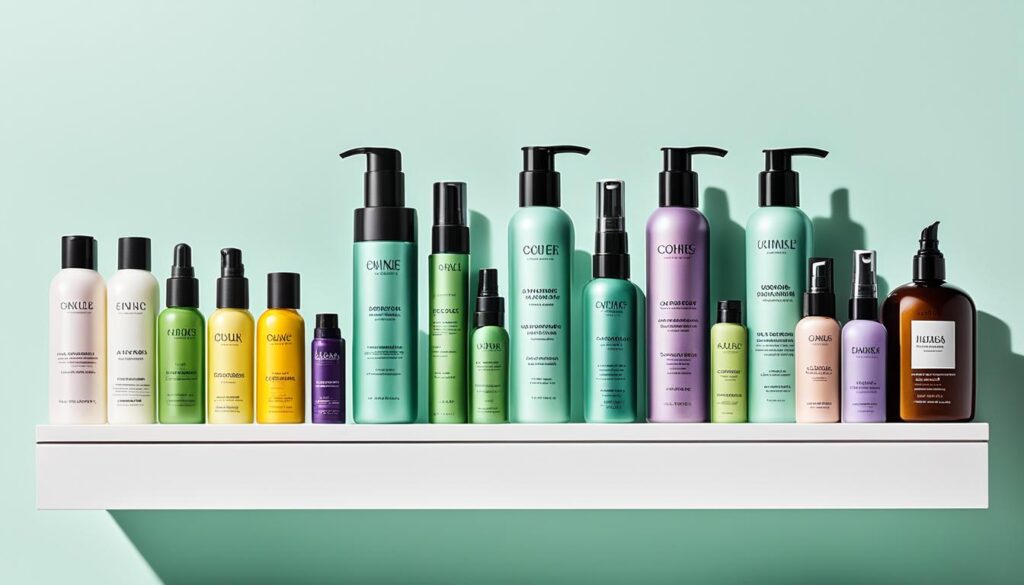
Welcome to our comprehensive guide on over-the-counter (OTC) solutions for women’s baldness. Hair loss is a common concern among women, and finding the right remedies can be a challenging task. In this article, we will explore various OTC treatments and products that can help address female hair loss, promote hair regrowth, and improve overall hair health.
Key Takeaways:
- Understanding the causes and types of hair loss is essential for selecting the right OTC treatments.
- Minoxidil, ketoconazole shampoos, and caffeine serums are popular OTC solutions for women’s baldness.
- Consulting with healthcare professionals is important to discuss potential side effects and suitability of OTC treatments.
- Addressing the emotional and psychological impact of hair loss is crucial alongside finding effective products and treatments.
- Debunking common myths about women’s hair loss can help individuals make informed decisions.
The Emotional and Psychologic Impact of Hair Loss in Women
Hair loss can have a significant emotional and psychological impact on women. Society often associates a woman’s value with her physical appearance, making hair loss a sensitive and personal issue. Feelings of self-consciousness, lowered self-esteem, and even depression can arise. Addressing the emotional aspects of hair loss is crucial alongside finding effective products and treatments. Personalized support and holistic approaches to well-being can help women regain their confidence and improve their overall quality of life.
| Psychological Effects of Female Hair Loss | Self-Esteem and Hair Loss | Addressing the Emotional Aspects of Hair Loss |
|---|---|---|
| Hair loss in women can lead to increased self-consciousness and social anxiety. | Women often associate their hair with femininity, beauty, and self-worth, making hair loss a blow to their self-esteem. | Support groups, therapy, and counseling can provide a safe space for women to express their emotions and find ways to cope with hair loss. |
| Some women experience psychological distress such as feelings of embarrassment, shame, and insecurity. | Hair loss can impact everyday activities, such as going out in public or participating in social events, leading to reduced quality of life. | Encouraging women to focus on their strengths, talents, and inner beauty can assist in rebuilding self-esteem and a positive self-image. |
It’s essential to address the emotional and psychological effects of female hair loss alongside finding effective products and treatments. Women should feel empowered to discuss their concerns with trusted professionals, such as dermatologists, hairstylists, and mental health experts, who can provide guidance and support. Additionally, seeking personalized support and adopting holistic approaches to well-being, such as managing stress, practicing self-care, and cultivating positive body image, can help women regain their confidence and improve their overall quality of life.


Debunking Common Myths About Women’s Hair Loss
When it comes to women’s hair loss, there are numerous myths and misconceptions that can contribute to confusion and misinformation. It’s crucial to debunk these myths and provide accurate information to help individuals make informed decisions about their hair care. By dispelling these misconceptions, we can empower women to choose appropriate products and treatments for their specific hair loss concerns.
Myth: Frequent Washing Causes Hair Loss
One common misconception is that washing your hair too often can lead to hair loss. However, the truth is that regular washing is essential for maintaining a healthy scalp and preventing buildup. Over time, excessive oil, dirt, and product residue can clog hair follicles and hinder healthy hair growth. It’s important to find a balance and use gentle, sulfate-free shampoos that promote scalp health without stripping away natural oils.
Myth: Certain Styling Products Cause Hair Loss
Another myth is that specific styling products, such as hairsprays, gels, or heat styling tools, can cause hair loss. While excessive heat and chemical treatments can weaken hair strands, leading to breakage and thinning, avoiding these products altogether is not necessary. Using heat protectant sprays, moisturizing products, and limiting the use of harsh chemicals can help minimize damage and maintain hair health.
Myth: Wearing Hats Leads to Hair Thinning
Many people believe that wearing hats for extended periods can cause hair thinning or loss. However, this myth is unfounded. Wearing hats does not directly lead to hair loss. In fact, hats can provide protection from the sun’s harmful rays, which can damage hair. It’s important to choose hats made of breathable fabrics and avoid tight, restrictive styles that can potentially pull on hair strands.
“Dispelling hair loss myths empowers individuals to make informed decisions about their hair care.”
By debunking these myths, we can help women make decisions based on factual information and proper understanding of hair loss. It’s important to consult with healthcare professionals or dermatologists who specialize in hair loss to determine the underlying cause and explore suitable treatment options.
| Hair Loss Myth | Debunked |
|---|---|
| Frequent washing causes hair loss | Regular washing is vital for scalp health and preventing buildup |
| Styling products cause hair loss | Using quality products and avoiding excessive heat or chemical treatments is key |
| Wearing hats leads to hair thinning | Hats do not directly cause hair loss; choose breathable styles |
By separating fact from fiction, we can support women on their hair loss journey and ensure they receive the appropriate care and guidance they deserve. Understanding the true causes of hair loss and adopting evidence-based solutions is essential for maintaining healthy, vibrant hair.
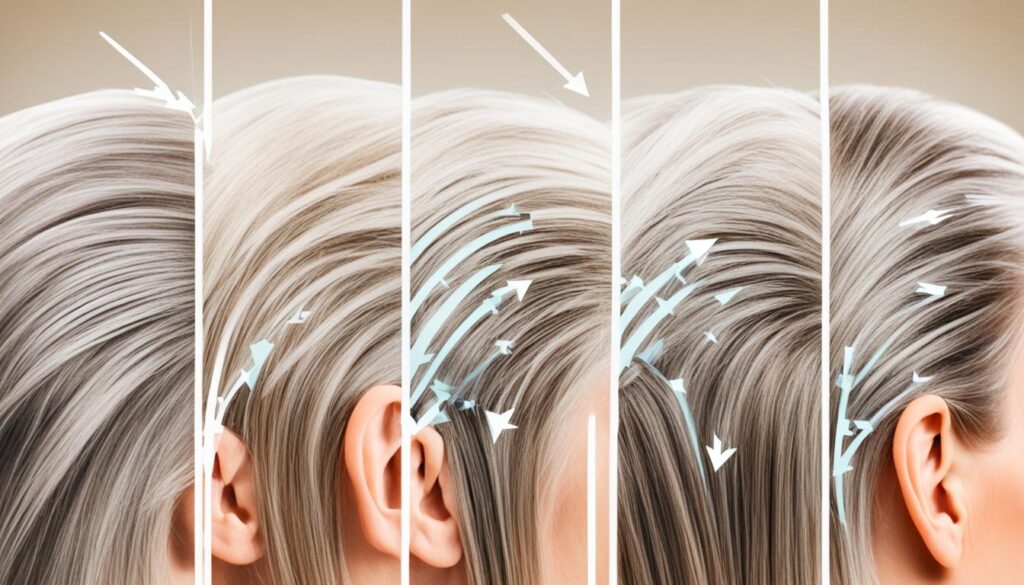
With accurate information at hand, individuals can confidently take control of their hair care routines, select suitable products, and seek professional assistance when needed. By dispelling common hair loss myths, we pave the way for a more educated and empowered approach to addressing women’s hair loss concerns.
Over-the-Counter Solutions for Women’s Hair Loss
When it comes to addressing women’s hair loss, over-the-counter (OTC) solutions have gained significant popularity. These products offer convenience and accessibility, allowing women to take control of their hair health. While individual results may vary, there are several effective OTC options available for female balding.
One of the most well-known OTC solutions is minoxidil, an FDA-approved topical solution. Minoxidil has been shown to promote hair growth in some women, making it a popular choice for those seeking to address hair loss. It’s important to note that minoxidil may take several months to show visible results, and it’s essential to use it consistently as directed.
In addition to minoxidil, there are various shampoos and serums available that contain clinically proven ingredients to support hair health. Ketoconazole, an antifungal agent, has been found to have potential benefits for hair growth. Caffeine, known for its stimulating properties, can also be found in hair care products to help promote healthier, stronger hair.
Before starting any OTC solution for hair loss, it’s crucial to discuss potential side effects and consult with healthcare professionals. What works for one person may not work for another, and a personalized approach is key to finding the right OTC product that suits individual needs.

Comparing OTC Solutions for Women’s Hair Loss
| OTC Solutions | Benefits | Potential Side Effects |
|---|---|---|
| Minoxidil | Promotes hair growth | Scalp irritation, unwanted facial hair growth |
| Ketoconazole Shampoos | Antifungal properties, may support hair growth | Potential scalp dryness or irritation |
| Caffeine Serums | Stimulates hair follicles, promotes healthier hair | Minimal side effects reported |
It’s important to remember that OTC solutions may not work for everyone, and results can vary. If hair loss persists or worsens, it’s advisable to seek professional guidance from healthcare providers or dermatologists who can provide a comprehensive evaluation and recommend a personalized treatment plan. OTC solutions can be a valuable part of addressing female hair loss, but a holistic approach that considers lifestyle factors, underlying health conditions, and emotional well-being is crucial for optimal results.
Salon-Exclusive Products for Women’s Hair Loss
Specialized hair salons offer a range of products tailored to address women’s hair loss concerns. These salon-grade shampoos, conditioners, and treatments often contain high-quality ingredients that may not be found in over-the-counter alternatives.
Salon-exclusive hair loss products provide premium care for women’s hair, delivering professional solutions for female hair loss. These advanced hair loss treatments are designed to target the specific needs of women experiencing hair thinning or balding.
“With salon-exclusive products, women can access the expertise of skilled professionals who understand the complexities of female hair loss.”
When it comes to tackling hair loss, salon-exclusive products offer several advantages. First, they include advanced formulations that are not available in mass-produced retail products. These premium ingredients can provide more effective results and nourish the scalp and hair for improved growth and overall hair health.
Furthermore, specialized hair salons can offer personalized assessment and guidance from trained professionals. They can evaluate each individual’s unique hair loss concerns and recommend the most suitable treatment options, ensuring a customized approach to hair restoration.
Advanced Solutions for Female Hair Loss
Salon-exclusive products encompass a wide range of solutions for female hair loss. Here are some examples:
- Hair growth serums: These highly concentrated solutions are specifically formulated to stimulate hair growth and combat hair loss. They often contain powerful ingredients like minoxidil or peptides to encourage regrowth and improve hair density.
- Scalp massages: A relaxing and invigorating treatment, scalp massages can help improve blood circulation and promote a healthier scalp environment for optimal hair growth.
- Laser treatments: Low-level laser therapy (LLLT) is an innovative technology used in specialized salons to stimulate hair follicles and strengthen hair growth. These treatments are painless and non-invasive, providing an additional option for women seeking advanced solutions for their hair loss.
While salon-exclusive products may come at a higher cost compared to over-the-counter options, the potential benefits and results justify the investment. Professional guidance and advanced treatments can make a significant difference in addressing female hair loss.
Real Results from Salon-Exclusive Hair Loss Products
Here are some testimonials from women who have experienced positive outcomes using salon-exclusive hair loss products:
“I struggled with hair thinning for years until I discovered salon-exclusive products. The difference they made in my hair growth and volume was remarkable. I finally feel more confident and beautiful!” – Amy
“After trying numerous over-the-counter products, I decided to give salon-exclusive products a chance. The specialized treatment and the personalized assessment made a world of difference. My hair is stronger, fuller, and healthier than ever!” – Emily
These testimonials demonstrate how salon-exclusive products can provide premium care and deliver professional solutions for female hair loss. With the right products and guidance, women can regain their confidence and enjoy healthier, more beautiful hair.
Natural and Holistic Remedies for Women’s Hair Loss
When searching for solutions to address hair loss, many women are drawn to natural and holistic remedies. These alternative approaches often provide a gentler and more sustainable path to promoting hair growth and maintaining scalp health. Incorporating essential oils and herbal supplements into your hair care routine can be an effective part of your holistic approach to combating hair loss.
Essential Oils for Hair Growth
Essential oils are concentrated plant extracts that offer various health benefits, including potential hair growth stimulation. Some essential oils known for promoting hair growth and improving scalp health include:
- Rosemary oil: Studies suggest that rosemary oil may increase hair thickness and stimulate hair growth by improving blood circulation to the scalp.
- Lavender oil: Lavender oil has calming properties and may help reduce stress-related hair loss. It may also promote hair growth by improving blood flow to the scalp.
- Peppermint oil: Peppermint oil is thought to increase the number of hair follicles and promote hair growth. Its cooling sensation can also provide soothing relief to an irritated scalp.
When using essential oils, it’s important to dilute them with a carrier oil, such as jojoba or coconut oil, to prevent skin irritation. Apply a few drops of the diluted oil mixture to your scalp and gently massage it in for a few minutes before rinsing.
Herbal Supplements for Hair Loss
In addition to essential oils, incorporating herbal supplements into your daily routine can support overall hair health and combat hair loss. Some herbal supplements that have shown promise in promoting hair growth and reducing hair loss include:
- Saw palmetto: This herb may help block the conversion of testosterone into dihydrotestosterone (DHT), a hormone associated with hair loss.
- Biotin: Biotin, also known as vitamin B7, is essential for the production of keratin, a protein that makes up the structure of hair. Supplementing with biotin may help strengthen hair and promote growth.
- Ginseng: Ginseng has been used for centuries in traditional medicine to improve hair health. It may promote hair growth and reduce hair loss by improving blood circulation to the scalp.
It’s important to consult with a healthcare professional before starting any herbal supplements, as they may interact with medications or have potential side effects.
While natural remedies can be beneficial, it’s important to note that they may work best when combined with other treatments and lifestyle adjustments. A comprehensive approach to hair health includes maintaining a balanced diet, staying hydrated, managing stress levels, and using gentle hair care practices.
| Natural Remedy | Benefits |
|---|---|
| Rosemary oil | Promotes hair growth Improves blood circulation to the scalp |
| Lavender oil | Calms the scalp Improves blood flow to the scalp |
| Peppermint oil | Increases hair follicles Provides soothing relief to the scalp |
| Saw palmetto | Blocks conversion of testosterone into DHT Reduces hair loss |
| Biotin (vitamin B7) | Strengthens hair Promotes growth |
| Ginseng | Improves blood circulation to the scalp Promotes hair growth |
By incorporating natural remedies, such as essential oils and herbal supplements, into your hair care routine, you can take a holistic approach to combatting hair loss and promoting hair growth. However, it’s important to remember that individual results may vary, and consulting with a healthcare professional is crucial for personalized advice and guidance.
Conclusion
Addressing women’s hair loss requires a comprehensive approach that takes into account the emotional, psychological, and physical aspects of the issue. With a wide range of treatment options available, including over-the-counter solutions, salon-exclusive products, and natural remedies, women can find effective ways to combat hair loss. However, it’s important to note that individual results may vary.
For the best outcomes, it is recommended to seek personalized hair loss treatment plans from professionals. A thorough assessment by hair loss specialists can determine the most suitable course of action tailored to individual needs. Furthermore, patience and consistency are key, as regaining confidence and restoring hair health may take time.
A comprehensive approach to hair restoration also involves making lifestyle adjustments. Maintaining a healthy diet, staying hydrated, managing stress levels, and following a customized hair loss treatment plan all contribute to achieving optimal results. By consulting with professionals and embracing a holistic approach, women can regain their confidence and maintain healthy, beautiful hair.
FAQ
Are over-the-counter solutions effective for women’s hair loss?
Over-the-counter solutions, such as minoxidil, ketoconazole shampoos, and caffeine serums, have gained popularity for addressing women’s hair loss. While individual responses may vary, these products have shown some success in promoting hair growth.
What are the potential side effects of using over-the-counter treatments for hair loss?
It’s important to discuss potential side effects and consult with healthcare professionals before using over-the-counter treatments for hair loss. Common side effects include scalp irritation, itching, and dryness. Minoxidil, for example, may cause temporary hair shedding before new hair growth occurs.
Are salon-exclusive products more effective than over-the-counter options for women’s hair loss?
Salon-exclusive products often contain high-quality ingredients that may not be found in over-the-counter alternatives. Additionally, specialized hair salons provide access to advanced solutions, such as hair growth serums, scalp massages, and laser treatments. While these salon-exclusive products may come at a higher cost, they can potentially produce improved results when used under professional guidance and personalized assessment.
Can natural remedies and holistic approaches help with women’s hair loss?
Many women find natural remedies appealing for addressing their hair loss. Essential oils like rosemary, lavender, and peppermint may promote scalp health and stimulate hair growth. Herbal supplements such as palmetto, biotin, and ginseng can also play a role in supporting overall hair health. However, it’s important to note that these remedies may work best in combination with other treatments and lifestyle adjustments.
How important is a holistic approach to addressing women’s hair loss?
Addressing women’s hair loss requires a holistic approach that considers the emotional, psychological, and physical aspects of the issue. While over-the-counter solutions, salon-exclusive products, and natural remedies offer viable options, individual results may vary. A personalized and professional assessment from hair loss specialists can help determine the best course of treatment.