
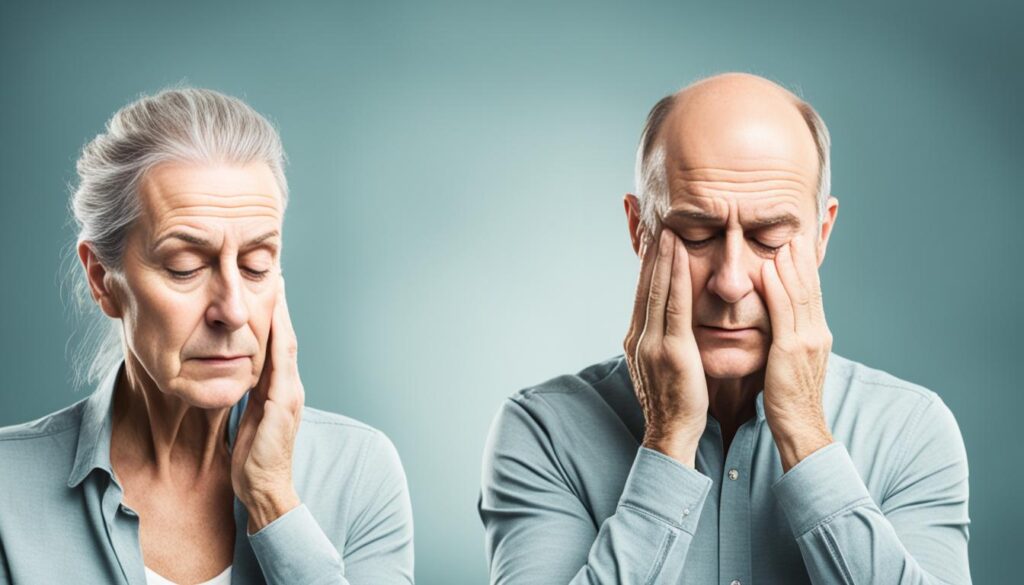
At some point in our lives, many of us may experience the distressing condition of hair loss. Whether it’s due to genetics, illness, or other factors, hair loss can have a significant emotional impact on individuals. The stress and anxiety that accompany hair loss can affect our self-esteem, body image, and overall well-being. However, there is hope.
Counseling for hair loss stress can provide the support and guidance necessary to navigate the emotional challenges of this condition. By addressing the root causes of stress, adopting healthy coping mechanisms, and seeking professional assistance, individuals can regain control over their hair loss and improve their emotional and psychological health.
Key Takeaways:
- Counseling for hair loss stress is essential in managing the emotional toll of hair loss.
- Addressing the underlying stressors and developing healthy coping mechanisms is crucial for emotional well-being.
- Professional counseling services can provide specialized support and guidance.
- Complementary therapies, such as scalp massages and aromatherapy, can enhance stress management.
- Embracing self-acceptance and seeking support from loved ones can lead to emotional resilience during the hair loss journey.
Understanding the Connection between Stress and Hair Loss
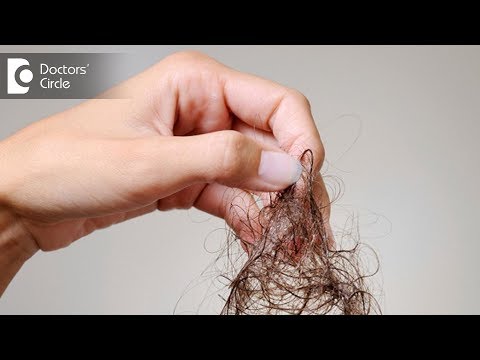
Chronic or acute stress can have a profound impact on hair health, leading to stress-induced hair loss. One common condition associated with stress is telogen effluvium, which causes hair follicles to prematurely enter the resting phase, resulting in temporary hair loss.
Stress can also impair the hair follicle’s ability to grow and receive essential nutrients. This can further exacerbate hair loss, making it crucial to address the underlying stressors and manage stress effectively.
The release of stress hormones, such as cortisol and adrenaline, can also impact blood flow to the skin. This diversion of nutrients away from the hair follicles can hinder their growth and health.
To better understand the connection between stress and hair loss, let’s take a closer look at telogen effluvium, how stress affects the hair follicles, and the role of stress hormones in hair health.
| Telogen Effluvium | Hair Follicle’s Ability to Grow | Impact of Stress Hormones |
|---|---|---|
| Telogen effluvium is a condition where hair follicles prematurely enter the resting phase, leading to temporary hair loss. | High stress levels can impair the hair follicle’s ability to grow and receive adequate nutrients, contributing to hair loss. | The release of stress hormones like cortisol and adrenaline can affect blood flow to the scalp, diverting nutrients away from the hair follicles and hindering their growth and health. |
The Benefits of Counseling for Hair Loss Stress
Counseling for hair loss stress can provide individuals with a range of benefits. Through counseling, individuals can receive emotional support and guidance to navigate the challenges of hair loss. Therapists can help develop coping strategies to manage stress, anxiety, and depression related to hair loss.
Counseling offers a safe space to express emotions and fears associated with hair loss. It provides individuals with the opportunity to explore and process their feelings, helping them develop a better understanding of themselves and their unique journey. Having emotional support during this time can be invaluable, as individuals often experience a wide range of emotions, including sadness, frustration, and even grief.
“Counseling offers a safe space to express emotions and fears associated with hair loss.”
Additionally, counseling can play a crucial role in anxiety and depression management. Hair loss can significantly impact an individual’s self-esteem and body image, leading to feelings of inadequacy and diminished self-worth. Through counseling, individuals can work on improving self-esteem and fostering a positive body image, which can have a profound effect on their overall well-being.
Counseling also helps individuals develop effective coping strategies to deal with the emotional challenges of hair loss. Therapists can provide tools and techniques to manage stress, anxiety, and depression, empowering individuals to navigate their hair loss journey with resilience and strength.
Furthermore, counseling fosters resilience by promoting self-awareness and personal growth. It encourages individuals to explore their strengths and develop strategies to overcome adversity. With the guidance of a therapist, individuals can build their resilience and face the challenges of hair loss with confidence.
“Counseling fosters resilience by promoting self-awareness and personal growth.”
Overall, counseling for hair loss stress is a valuable resource in improving emotional well-being. It provides individuals with the emotional support, coping strategies, and resilience needed to navigate the emotional challenges of hair loss and regain control over their lives.


| Benefits of Counseling for Hair Loss Stress |
|---|
| Emotional support and guidance |
| Development of coping strategies |
| Anxiety and depression management |
| Improving self-esteem and body image |
| Fostering resilience |
Techniques to Manage Hair Loss Stress
Managing hair loss stress requires a multi-faceted approach that incorporates various stress reduction techniques, relaxation exercises, mindfulness practices, self-care strategies, and healthy lifestyle choices. By implementing these techniques, individuals can effectively alleviate the emotional toll of hair loss and promote overall well-being.
Stress Reduction Techniques:
Engaging in stress reduction techniques is a crucial part of managing hair loss stress. This can include:
- Relaxation Exercises: Incorporating relaxation exercises such as deep breathing, progressive muscle relaxation, and guided imagery can help reduce anxiety and promote a sense of calm.
- Mindfulness Practices: Practicing mindfulness techniques like meditation, yoga, and mindful walking can assist in cultivating awareness, reducing stress, and improving emotional well-being.
Self-Care Strategies:
Practicing self-care is essential for managing hair loss stress. Consider the following strategies:
- Getting Enough Sleep: Prioritize sufficient sleep to allow the body and mind to rejuvenate and reduce stress levels.
- Eating a Balanced Diet: Nourish your body with a balanced diet rich in vitamins, minerals, and antioxidants to support overall well-being.
- Engaging in Regular Physical Activity: Exercise releases endorphins, boosts mood, and reduces stress. Choose activities you enjoy, such as walking, yoga, or dance.
Healthy Lifestyle Choices:
Adopting healthy lifestyle choices can have a significant impact on managing hair loss stress. Consider the following:
- Avoiding Excessive Alcohol and Caffeine: These substances can contribute to increased feelings of anxiety and stress. Moderation is key.
- Staying Hydrated: Drinking plenty of water promotes overall well-being and helps maintain healthy hair and scalp.

By incorporating these techniques into your daily routine, you can effectively manage hair loss stress and promote emotional well-being. Remember to be patient with yourself and seek professional support if needed.
Seeking Professional Counseling Services for Hair Loss
When facing the emotional impact of hair loss, seeking professional counseling services can be an essential step towards healing and regaining control. Professional therapists specializing in hair loss offer tailored psychotherapy and counseling sessions to address the unique challenges and emotional distress associated with hair loss. These experts understand the intricacies of the hair loss journey and can provide effective coping mechanisms and emotional support.
Therapists specializing in hair loss offer holistic approaches to psychotherapy, focusing not only on the emotional consequences but also on promoting overall well-being. By working closely with these professionals, individuals can develop personalized strategies to manage stress, anxiety, and depression related to hair loss. Through psychotherapy, individuals can explore and process their emotions, learn healthy coping mechanisms, and develop resilience in the face of hair loss.
In addition to individual counseling, support groups dedicated to hair loss provide a valuable community where individuals can connect and share experiences with others going through similar challenges. These support groups offer a space for individuals to express their emotions, find encouragement, and gain a sense of belonging. The understanding and empathy shared within these communities can be empowering and instrumental in navigating the emotional complexities of hair loss.
Online Counseling for Hair Loss
Online counseling platforms have also emerged as a convenient and accessible option for individuals seeking professional support for hair loss. Through secure video calls or online messaging, individuals can connect with therapists from the comfort and privacy of their own homes. Online counseling offers flexibility, allowing individuals to schedule sessions that fit their busy lives and eliminating the need for travel to a physical location.
The advantages of online counseling extend beyond convenience. It provides access to a wider network of therapists, ensuring that individuals can find a specialist who understands their specific needs and concerns related to hair loss. Online counseling offers the same quality of professional support and guidance as in-person sessions, creating a safe and confidential space to address the emotional impact of hair loss.
By seeking professional counseling services for hair loss, individuals can navigate the emotional challenges with confidence and resilience. Through specialized therapy, support groups, and online counseling, individuals can find healing, develop effective coping mechanisms, and regain a positive outlook on their hair loss journey.
Complementary Therapies for Hair Loss Stress Management
In addition to counseling, there are several complementary therapies that can support individuals in managing the stress associated with hair loss. These therapies can help alleviate stress, promote relaxation, and improve overall well-being. Here are some effective complementary therapies for hair loss stress management:
1. Scalp Massages
Scalp massages can stimulate hair growth and improve blood flow to the scalp. Gently massaging the scalp with your fingertips can help reduce stress and promote relaxation. You can also use natural oils or hair growth serums during the massage for added benefits.
2. Aromatherapy
Using essential oils such as lavender or peppermint can provide soothing and stress-reducing effects. You can add a few drops of the essential oil to a diffuser or mix it with a carrier oil for a relaxing scalp massage. The pleasant aroma of these oils can help reduce stress and create a calming environment.
3. Acupuncture
Acupuncture has been shown to reduce stress levels and promote a sense of well-being. This ancient Chinese practice involves the insertion of thin needles into specific acupuncture points on the body. By stimulating these points, acupuncture can help restore balance and reduce stress associated with hair loss.
4. Stress-Reducing Supplements
Supplements like vitamins and herbs can support overall mental health and aid in hair growth. Certain vitamins, such as Biotin, Vitamin D, and Vitamin E, are known to promote hair health. Additionally, herbs like ginseng and saw palmetto can help reduce stress and encourage hair growth.
By incorporating these complementary therapies into your hair loss stress management routine, you can enhance the effectiveness of counseling and promote overall well-being. It’s important to consult with professionals and experts in these fields to ensure proper usage and to determine the best approach for your specific needs.
Taking Steps Towards Emotional Well-being for Hair Loss
Taking steps towards emotional well-being during the hair loss journey is crucial for your overall happiness and confidence. It’s important to remember that hair loss does not define your worth or beauty. Embracing self-acceptance is the first step towards finding peace with your changing appearance. Recognize that your value goes far beyond your hair.
Cultivating self-care routines can help you navigate the emotional toll of hair loss. Dedicate time to activities that bring you joy and relaxation. Whether it’s reading a book, taking a long bath, or practicing meditation, prioritize self-care to nurture your emotional well-being.
Consider embracing new hairstyles that complement your unique features and showcase your individuality. Experiment with different looks and find a style that makes you feel confident and empowered. Remember, your hair loss does not limit your ability to express yourself through your appearance.
Support from loved ones can be a valuable source of emotional strength during this journey. Lean on the people who uplift and encourage you. Share your feelings and experiences with them, allowing yourself to be vulnerable. Their understanding and empathy can provide invaluable support.
Joining hair loss communities can be a transformative experience. Connect with others who are going through similar challenges and share your stories. These communities offer a safe space to express your thoughts and emotions, while also providing a sense of belonging and camaraderie. Together, you can navigate the complexities of hair loss and find strength in community.
Additional Resources for Emotional Well-being
Explore the following resources to support you on your journey towards emotional well-being:
- Mental Health America – Provides information and resources on various mental health topics, including hair loss and its emotional impact.
- American Counseling Association – Offers resources to find professional counselors specializing in hair loss and emotional support.
- SupportGroups.com – A platform where you can find and connect with support groups focused on hair loss.
Remember, you are not alone in your journey. By taking these steps towards emotional well-being, you can regain confidence, nurture your self-esteem, and find strength amidst the challenges of hair loss.
Conclusion
Counseling for hair loss stress is a vital component in helping individuals manage the emotional impact of hair loss and regain control over their lives. By addressing the connection between stress and hair loss, individuals can develop effective stress management techniques and coping strategies. Seeking professional counseling services, engaging in complementary therapies, and taking steps towards emotional well-being can all greatly influence the overall experience of hair loss.
With the support and guidance of counseling, individuals can foster resilience, improve their emotional well-being, and regain confidence in themselves throughout their hair loss journey. Counseling provides a safe and empathetic space to explore and process the complex emotions associated with hair loss, helping individuals develop healthy coping mechanisms and a sense of empowerment.
Through counseling, individuals can learn stress management techniques that not only alleviate the emotional toll of hair loss but also have a positive impact on their overall well-being. By addressing the underlying stressors and utilizing effective coping strategies, individuals can regain control over their hair loss journey and embrace a more positive and confident outlook.
In conclusion, counseling for hair loss stress is an invaluable resource for those struggling with the emotional impact of hair loss. It offers guidance, support, and tools to manage stress, improve emotional well-being, and regain control over one’s hair loss. By seeking counseling, individuals can navigate the challenges of hair loss with resilience and find a sense of peace and acceptance within themselves.
FAQ
How does stress contribute to hair loss?
Stress can push hair follicles from the growth phase to the resting phase, causing them to shed prematurely. It can also impair the hair follicle’s ability to grow and receive nutrients, leading to further hair loss.
What are the benefits of counseling for hair loss stress?
Counseling provides emotional support and guidance, helps develop coping strategies for anxiety and depression related to hair loss, and improves self-esteem and resilience.
What techniques can I use to manage hair loss stress?
Engaging in stress reduction techniques like relaxation exercises and mindfulness practices, adopting self-care strategies, and making healthy lifestyle choices can all help manage the emotional toll of hair loss.
Where can I find professional counseling services for hair loss?
Therapists specializing in hair loss can offer psychotherapy and counseling sessions. Support groups and online counseling platforms also provide specialized support for hair loss.
What complementary therapies can help with hair loss stress management?
Scalp massages, aromatherapy, acupuncture, and stress-reducing supplements can all complement counseling in managing hair loss stress.
How can I take steps towards emotional well-being during hair loss?
Embracing self-acceptance, cultivating self-care routines, trying new hairstyles, seeking support from loved ones, and joining hair loss communities can all contribute to emotional well-being throughout the hair loss journey.
How can counseling for hair loss stress help regain control?
Counseling addresses the connection between stress and hair loss, helps develop stress management techniques, and offers guidance and support to regain control over the emotional toll of hair loss.
Can counseling for hair loss stress improve overall well-being?
Yes, by addressing the emotional impact of hair loss, counseling fosters resilience, improves self-esteem, and promotes overall psychological well-being during the hair loss journey.