
Did you know that up to 40% of women experience some form of hair loss by the age of 50?
Androgenetic alopecia, also known as female pattern hair loss, is a common condition that can have a significant impact on a woman’s self-esteem and body image. It is characterized by a gradual thinning of the hair, particularly in the frontal and parietal regions of the scalp.
The underlying cause of androgenetic alopecia in women is an excessive response to androgens. This leads to the miniaturization of hair follicles, resulting in thinner and shorter hair strands. Genetic factors and hormonal imbalances play a role in the development of this condition.
Understanding the causes and available treatment options for androgenetic alopecia is key to managing this condition effectively. In this article, we will explore the pathophysiology, diagnosis, and treatment options for androgenetic alopecia in women, as well as care strategies to help women feel confident and maintain their hair.
Key Takeaways:
- Androgenetic alopecia in women affects up to 40% of women by the age of 50.
- Excessive response to androgens leads to the miniaturization of hair follicles.
- Genetics and hormonal factors contribute to the development of androgenetic alopecia.
- Treatment options include minoxidil and spironolactone, which promote hair regrowth.
- Proper care strategies can help women manage androgenetic alopecia and feel confident.
Pathophysiology of Androgenetic Alopecia
Androgenetic alopecia, a common form of hair loss, is characterized by abnormalities in the hair growth cycle. The hair follicle, the tiny sac from which the hair grows, undergoes three phases: anagen, catagen, and telogen.
The anagen phase: This is the growth phase of the hair follicle, during which the hair strand grows continuously. In androgenetic alopecia, the anagen phase is shortened, leading to the production of shorter and thinner hair strands.
Telogen effluvium: Telogen effluvium is a disorder in which the hair follicle cycling is abnormal. This condition can cause excessive shedding of hair, further contributing to hair loss in individuals with androgenetic alopecia.
Cicatricial alopecia: Cicatricial alopecia is a condition in which the hair follicle is damaged and replaced by scar tissue. This can lead to permanent hair loss and is a potential consequence of androgenetic alopecia.
To visualize the pathophysiology of androgenetic alopecia, consider the following table:
| Anagen Phase | Catagen Phase | Telogen Phase | |
|---|---|---|---|
| Normal Hair Cycle | 2-6 years | 2-3 weeks | 2-3 months |
| Androgenetic Alopecia | Shortened | Unchanged | Unchanged |
| Telogen Effluvium | Varies | Unchanged | Abnormal |
| Cicatricial Alopecia | Shortened or absent | Unchanged | Unchanged or absent |
Understanding the underlying pathophysiology of androgenetic alopecia is crucial in developing effective treatment strategies for individuals experiencing hair loss.
Diagnosis of Androgenetic Alopecia
The diagnosis of androgenetic alopecia in women involves a comprehensive evaluation that includes a detailed history and a thorough physical examination. These diagnostic steps are crucial in order to accurately assess the extent and underlying causes of hair loss. Key factors that need to be considered during the diagnostic process include the duration and pattern of hair loss, the presence of shedding or thinning, and any relevant medical conditions or medications.
The physical examination plays a significant role in confirming the diagnosis of androgenetic alopecia. This involves carefully assessing the scalp for any signs of inflammation or other abnormalities, evaluating the density and distribution of hair, and performing a pull test to determine the rate of hair shedding.
The pull test is a simple but informative procedure where the physician gently grasps a small section of hair and applies gentle traction, observing the number of hairs that are shed. A positive pull test, which involves the shedding of more than 10% of the tested hairs, can suggest active hair loss and support the diagnosis of androgenetic alopecia.
In some cases, additional laboratory tests and a punch biopsy may be necessary to confirm the diagnosis and rule out other potential causes of hair loss. Laboratory tests can help evaluate hormone levels and assess for any underlying medical conditions that may be contributing to hair loss. A punch biopsy involves the removal of a small sample of scalp tissue for microscopic examination to analyze the hair follicles and identify any specific abnormalities.
Overall, the diagnosis of androgenetic alopecia in women involves a combination of a detailed history, a comprehensive physical examination, and potentially further laboratory tests and a punch biopsy to confirm the diagnosis and rule out other causes of hair loss.
Androgenetic Alopecia: Causes and Mechanisms
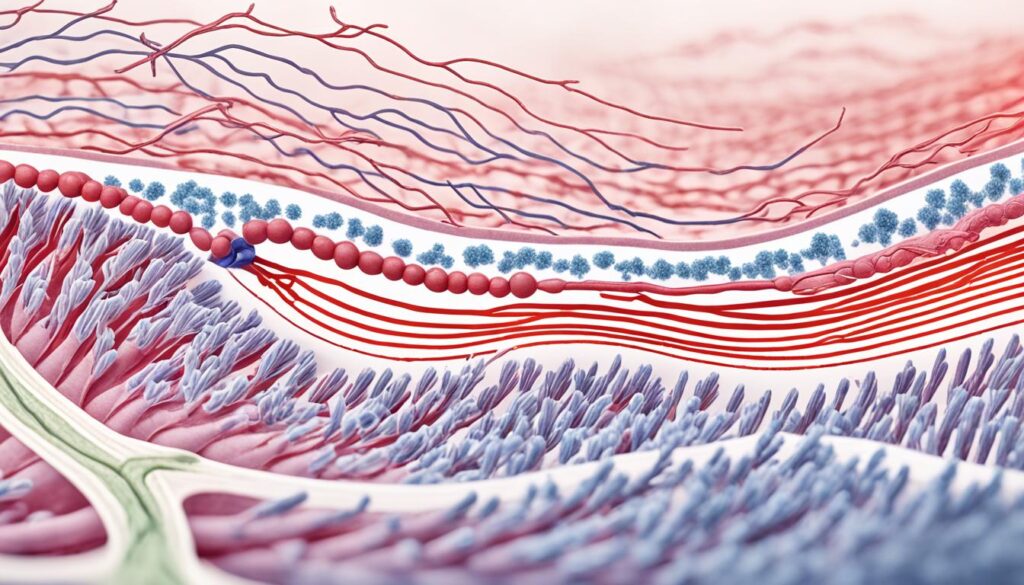
Androgenetic alopecia in women is primarily influenced by the presence of dihydrotestosterone (DHT), an androgen hormone. Hair follicles contain androgen receptors, which, when activated by androgens, trigger the expression of genes that shorten the anagen (growth) phase of the hair cycle. This results in the miniaturization of hair follicles and the production of thinner, weaker hair strands.
It is important to note that women with androgenetic alopecia do not necessarily have higher levels of circulating androgens. Instead, they exhibit higher levels of 5α-reductase, an enzyme responsible for converting testosterone to DHT. The increased activity of 5α-reductase in these women leads to elevated DHT levels in the scalp, which can contribute to hair follicle miniaturization.
Furthermore, women with androgenetic alopecia tend to have a higher number of androgen receptors in their hair follicles. This increased presence of androgen receptors in susceptible follicles amplifies the response to androgens, exacerbating the miniaturization process.
In addition to these factors, women with androgenetic alopecia also exhibit lower levels of cytochrome P450, an enzyme that converts testosterone to estrogen. This decline in estrogen further disrupts the hormonal balance in the scalp, favoring the activation of genes that shorten the anagen phase and hinder hair growth.
The Role of Hormonal Work-up
An extensive hormonal work-up is typically unnecessary for diagnosing androgenetic alopecia in women. In most cases, a thorough medical history and physical examination are sufficient for diagnosis. However, a hormonal work-up may be considered if there are other indications or symptoms of hormonal imbalance.
Understanding the role of androgen receptors, DHT, 5α-reductase, and estrogen in the development of androgenetic alopecia contributes to the development of targeted treatment strategies that address the underlying mechanisms of this condition.

| Key Factors | Influence on Androgenetic Alopecia |
|---|---|
| Androgen Receptors | A higher number of androgen receptors in susceptible hair follicles amplifies the response to androgens, leading to hair follicle miniaturization. |
| DHT | Elevated levels of DHT in the scalp, resulting from increased activity of 5α-reductase, contribute to hair follicle miniaturization. |
| 5α-Reductase | Higher levels of 5α-reductase enzymatic activity lead to increased conversion of testosterone to DHT, exacerbating the effects of androgenetic alopecia. |
| Estrogen | Lower levels of estrogen disrupt the hormonal balance in the scalp, promoting the activation of genes that shorten the anagen phase and impede hair growth. |
Treatment Options for Androgenetic Alopecia
When it comes to treating androgenetic alopecia in women, there are several options available that can help promote hair regrowth and reduce shedding. These treatments can address the underlying causes of hair loss and provide women with a chance to regain confidence in their appearance. Here are the main treatment options:
1. Minoxidil
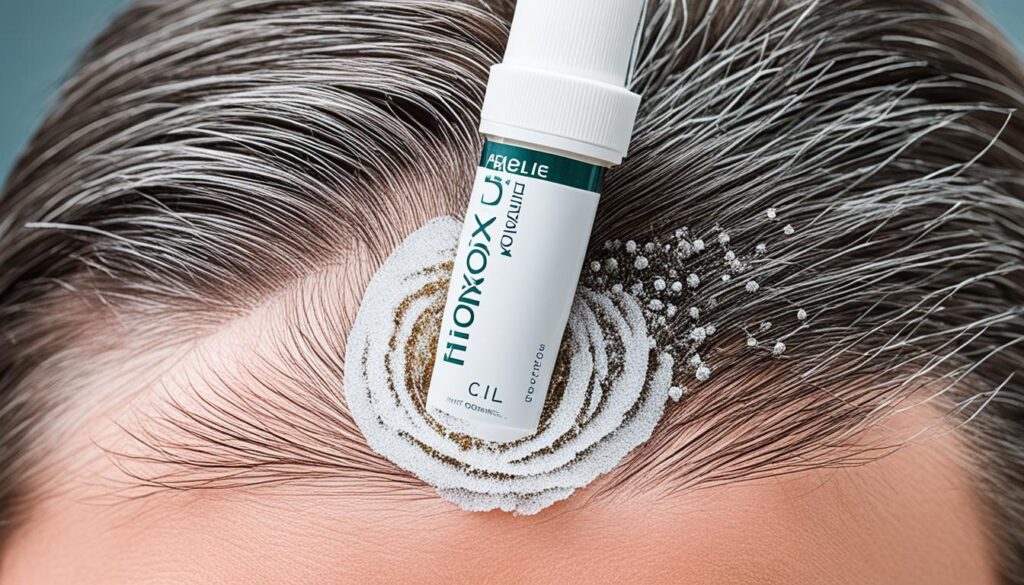
The preferred treatment for androgenetic alopecia in women is topically administered 2% minoxidil. Minoxidil works by stimulating hair follicles, promoting hair regrowth, and reducing hair shedding. It is available over-the-counter and is relatively easy to use. Regular application as directed is crucial for optimal results.
2. Finasteride
Finasteride is an oral medication that may be used for the treatment of androgenetic alopecia in women. It works by blocking the conversion of testosterone to dihydrotestosterone (DHT), which is a key hormone involved in hair loss. However, it is important to note that the use of finasteride in women requires special considerations and must be prescribed and monitored by a healthcare professional.
3. Spironolactone
Spironolactone is another oral medication that has shown effectiveness in treating androgenetic alopecia in women. It works by blocking androgen receptors in the body, reducing the impact of androgens on the hair follicles. Like finasteride, spironolactone must be prescribed and monitored by a healthcare professional.
4. Tretinoin
Tretinoin, a topical retinoid, has shown promise as an adjunct treatment to minoxidil. It helps improve the absorption of minoxidil and may enhance its effectiveness. Tretinoin stimulates cell turnover in the scalp, promoting a healthy environment for hair growth. However, it is essential to use tretinoin under the guidance of a healthcare professional.
5. Wigs
In more advanced cases of androgenetic alopecia, where significant hair loss has occurred, the use of wigs can provide an immediate solution to restore a cosmetically pleasing appearance. Wigs come in various styles, colors, and materials, allowing women to choose a wig that best suits their preferences and desired look.
6. Hair Transplantation

In cases where other treatment options have not been successful or for those seeking a permanent solution, hair transplantation can be considered. This surgical procedure involves taking hair follicles from areas of the scalp with adequate hair growth, typically the back of the head, and transplanting them to areas experiencing hair loss. Hair transplantation requires careful consideration and should be discussed with a qualified hair restoration specialist.
It is important to consult with a healthcare professional specializing in hair loss to determine the most suitable treatment option based on individual needs and preferences. They can provide guidance, monitor progress, and tailor a treatment plan to help women achieve the best possible results in their journey to combat androgenetic alopecia.
Care Strategies for Androgenetic Alopecia
In addition to medical treatments, women with androgenetic alopecia can incorporate different care strategies into their hair care routine. These strategies can help manage the cosmetic effects of androgenetic alopecia and enhance the overall appearance. Here are some recommended practices:
- Shampooing Frequency: Contrary to common misconceptions, shampooing as frequently as desired does not worsen hair loss. Women with androgenetic alopecia can wash their hair as often as they prefer, without worrying about exacerbating the condition.
- Hairstyling Techniques: Hairstyling is a great way to deal with the cosmetic effects of androgenetic alopecia. Women can experiment with different hairstyles, including teasing, coloring, and the use of hair spray, to create volume and enhance the appearance of their hair.
- Wigs and Transplantation: For those seeking a more significant change, the use of wigs and minigrafts in hair transplantation can provide a cosmetically pleasing outcome. Wearing a wig or undergoing hair transplantation can help women regain confidence and feel more comfortable with their appearance.
It is important for women with androgenetic alopecia to find a hair care routine that works for them. By exploring different hair care practices, experimenting with styling techniques, and considering cosmetic options like wigs and transplantation, women can achieve hair that looks and feels beautiful.
Alopecia Areata: A Different Form of Hair Loss
Alopecia areata is a distinct form of hair loss that is characterized by patchy areas of hair loss on the scalp. Unlike androgenetic alopecia, alopecia areata has an autoimmune origin and manifests differently in terms of pattern and severity. This condition can affect both men and women, and the extent of hair loss can vary from person to person.
The hallmark characteristic of alopecia areata is the presence of “exclamation point” hairs. These hairs are shorter, tapered, and break in the middle, with a wider base remaining at the scalp. They can be observed within or around the areas of hair loss, serving as a diagnostic clue for this condition.
Understanding the Autoimmune Nature
In alopecia areata, the body’s immune system mistakenly attacks its own hair follicles, causing them to shrink and enter a dormant phase. This immune response disrupts the normal hair growth cycle, resulting in the formation of bald patches on the scalp.
“Alopecia areata is an autoimmune condition that occurs when the immune system attacks the hair follicles, leading to hair loss.”
The exact cause of this autoimmune reaction is still not fully understood. However, it is believed to involve a combination of genetic and environmental factors. Certain genes are associated with an increased risk of developing alopecia areata, and triggers such as stress, infections, or other autoimmune disorders can contribute to the onset or exacerbation of the condition.
Localized and Extensive Forms of Hair Loss
Alopecia areata can present in two main forms: localized and extensive. Localized alopecia areata involves the presence of one or a few small bald patches on the scalp, while extensive alopecia areata refers to the loss of hair across larger areas or even the entire scalp (alopecia totalis).
In some cases, alopecia areata can go beyond the scalp and affect other hair-bearing areas of the body, such as the eyebrows, eyelashes, or body hair (alopecia universalis). The extent and progression of hair loss can vary both within individuals over time and between different individuals.
Management and Treatment Options
There is currently no cure for alopecia areata, but various treatment options can help manage the condition and promote hair regrowth. These treatment approaches primarily aim to suppress the autoimmune response and stimulate hair follicle activity.
Table: Treatment Options for Alopecia Areata
| Treatment Option | Description |
|---|---|
| Topical Corticosteroids | These medications are applied directly to the affected areas to reduce inflammation and suppress the immune response in the hair follicles. |
| Topical Minoxidil | Minoxidil, commonly known as Rogaine, can be used to promote hair regrowth in some cases of alopecia areata. |
| Systemic Corticosteroids | In severe cases or when other treatments fail, oral or injected corticosteroids may be prescribed to suppress the immune response throughout the body. |
| Immunotherapy | Immunotherapy involves applying certain chemicals to the scalp to induce an allergic reaction, which can stimulate hair regrowth. |
| Janus Kinase Inhibitors | These newer medications inhibit signaling pathways involved in the autoimmune responses, helping to restore hair growth. |
It is important for individuals with alopecia areata to consult with a dermatologist or trichologist to determine the most suitable treatment plan based on the extent of hair loss, medical history, and individual preferences.
While treatment can help manage the symptoms of alopecia areata, it is essential to remember that the condition can be unpredictable and recurrent. Emotional support and coping strategies may also be necessary to address the psychological impact of hair loss and foster self-acceptance.
Conclusion
Androgenetic alopecia in women is a common hair loss condition that can have significant effects on self-esteem and body image. Understanding the underlying causes and available treatment options can help women manage this condition effectively.
Topical minoxidil is often the preferred treatment for androgenetic alopecia in women, as it has been shown to promote hair regrowth and reduce shedding. It is applied directly to the scalp and is easily incorporated into a daily hair care routine. This FDA-approved treatment has been proven to be safe and effective in clinical trials.
In addition to minoxidil, other options such as finasteride and spironolactone can be considered based on individual needs and preferences. Finasteride is an oral medication that works by blocking the conversion of testosterone into dihydrotestosterone (DHT), the hormone responsible for hair follicle miniaturization. Spironolactone is another oral medication that can help regulate androgen levels and prevent further hair loss.
In more advanced cases of hair loss, women may consider options such as wigs and hair transplantation to restore a cosmetically pleasing outcome. Wigs can provide an immediate solution, while hair transplantation involves the surgical implantation of hair follicles from a donor area to the affected area. These treatments can help women regain their confidence and achieve natural-looking results.
In conclusion, early intervention and consistent treatment are key in managing androgenetic alopecia in women. With the right approach, women can maintain and regrow their hair, improving their overall self-image and quality of life.
FAQ
What is androgenetic alopecia in women?
Androgenetic alopecia, also known as female pattern hair loss, is a common form of hair loss in women. It is characterized by a gradual thinning of the hair, particularly in the frontal and parietal regions of the scalp.
What causes androgenetic alopecia in women?
Androgenetic alopecia in women is caused by an excessive response to androgens, which leads to the miniaturization of hair follicles. Genetics and hormonal factors play a role in the development of this condition.
How is androgenetic alopecia diagnosed in women?
The diagnosis of androgenetic alopecia in women involves a thorough history and physical examination. Factors such as the duration and pattern of hair loss, shedding or thinning, and any underlying medical conditions or medications are considered. In some cases, laboratory tests and a punch biopsy may be necessary to confirm the diagnosis.
What are the underlying causes and mechanisms of androgenetic alopecia in women?
Androgenetic alopecia in women is mediated by the presence of the androgen dihydrotestosterone (DHT). Hair follicles contain androgen receptors, and in the presence of androgens, genes that shorten the anagen phase are activated, leading to the miniaturization of hair follicles. Hormonal imbalances involving 5α-reductase, cytochrome P450, and estrogen also play a role.
What are the treatment options for androgenetic alopecia in women?
Treatment options for androgenetic alopecia in women include topically administered 2% minoxidil, which has been shown to promote hair regrowth and reduce shedding. Finasteride, spironolactone, and tretinoin may also be considered. In more advanced cases, wigs and hair transplantation can be used to restore a cosmetically pleasing outcome.
Are there care strategies that women with androgenetic alopecia can follow?
Yes, women with androgenetic alopecia can incorporate hair care practices into their routine. Shampooing the hair as frequently as desired does not worsen hair loss. Hairstyling, teasing, coloring, and the use of hair spray can help deal with the cosmetic effects of hair loss. Wigs and minigrafts in hair transplantation can also be used to enhance the overall appearance.
What is alopecia areata?
Alopecia areata is a form of autoimmune hair loss characterized by patchy areas of hair loss on the scalp. It is not related to androgenetic alopecia and has a different underlying cause.
What is the conclusion regarding androgenetic alopecia in women?
Androgenetic alopecia in women is a common condition that can have significant effects on self-esteem and body image. Treatment options, such as minoxidil and spironolactone, can help promote hair regrowth and prevent further hair loss. Early intervention and consistent treatment can help women manage this condition effectively.