
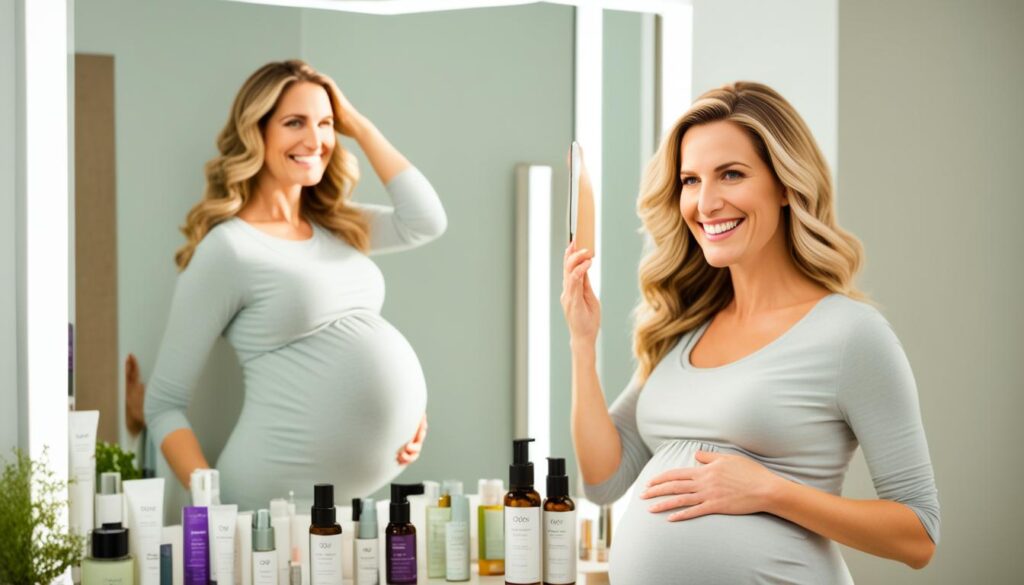
Did you know that hormonal changes during pregnancy can have a profound impact on hair growth? It’s true! The increase in estrogen levels can result in thicker and more luxurious hair, while some women may experience temporary hair loss. Understanding these changes and how to care for your hair during and after pregnancy is essential for maintaining healthy and beautiful locks. In this article, we will explore the surprising effects of pregnancy on hair growth and provide helpful tips for promoting hair health during this transformative time.
Key Takeaways:
- During pregnancy, hormonal changes can cause hair to become thicker or thinner.
- The increase in estrogen during pregnancy can result in thicker hair.
- Some women may experience temporary hair loss due to a decrease in estrogen after pregnancy.
- Maintaining a healthy diet, managing stress, and using gentle hair care practices can support hair growth during and after pregnancy.
- Postpartum hair loss is a common occurrence, but the hair typically regrows within 6 months after childbirth.
Hair Growth Tips for Pregnant Women
Promoting hair growth during pregnancy and maintaining hair care is crucial for many expectant mothers. The hormonal changes that occur during pregnancy can have a significant impact on the health and growth of the hair. To ensure that your hair stays healthy and promotes growth during this special time, here are some essential hair care tips:
- Eat a Healthy Diet: A well-balanced diet rich in fruits, vegetables, and proteins provides the necessary nutrients for hair health. Include foods such as spinach, oranges, eggs, and salmon, which are known to promote hair growth.
- Take Prenatal Vitamins: Prenatal vitamins contain essential nutrients, including biotin and folic acid, that support healthy hair growth. Consult with your healthcare provider to determine the right prenatal vitamin for you.
- Manage Stress Levels: Stress can negatively impact hair health. Engaging in relaxation techniques such as deep breathing exercises, yoga, or meditation can help reduce stress during pregnancy and promote hair growth.
- Regular Exercise: Incorporating regular exercise into your routine improves blood circulation, which is vital for healthy hair growth. It also helps reduce stress levels and supports overall well-being.
Gentle Hair Care Routine
In addition to a healthy lifestyle, it is essential to take care of your hair through gentle shampooing, conditioning, and avoiding excessive heat or chemical treatments. Here are some hair care tips for pregnant women:
- Choose Mild Shampoos: Opt for mild, sulfate-free shampoos that are gentle on the hair and scalp. Look for products specifically formulated for pregnancy or sensitive scalps.
- Condition Regularly: Conditioning helps hydrate and nourish the hair. Use a conditioner suitable for your hair type and apply it primarily to the ends of the hair.
- Avoid Heat Styling: Excessive heat styling tools such as flat irons and curling irons can damage the hair. Embrace natural hairstyles or use heat protectant products if heat styling is necessary.
- Avoid Chemical Treatments: During pregnancy, it is best to avoid chemical treatments such as hair dyes, bleach, or relaxers. Consult with your healthcare provider if you have any specific concerns.
By following these hair growth tips and maintaining a healthy hair care routine, you can promote hair growth during pregnancy and ensure that your hair remains healthy and beautiful. Remember to consult with your healthcare provider if you have any specific concerns or questions about hair care during pregnancy.

| Hair Growth Tips | Description |
|---|---|
| Eat a Healthy Diet | Include fruits, vegetables, and proteins for necessary hair nutrients. |
| Take Prenatal Vitamins | Consult with your healthcare provider for the right prenatal vitamins to support hair growth. |
| Manage Stress Levels | Engage in relaxation techniques to reduce stress and promote hair growth. |
| Regular Exercise | Improve blood circulation and support overall well-being for healthy hair growth. |
| Gentle Hair Care Routine | Use mild shampoos, condition regularly, avoid heat styling, and chemical treatments. |
Hormonal Changes and Hair Growth During Pregnancy
The hormonal changes that occur during pregnancy can have a significant impact on hair growth. The increase in estrogen can prolong the growing phase of the hair cycle, resulting in thicker hair. However, the decrease in estrogen after pregnancy can lead to hair loss. It is important to understand that these changes are normal and temporary. Hair growth will typically return to normal within 6 months after childbirth. If excessive hair loss persists or if there are concerns about hair growth, it is recommended to consult with a healthcare provider.
Managing Hair Growth When Pregnant
Managing hair growth during pregnancy involves understanding and adapting to the hormonal changes that occur. Here are some tips to help you manage your hair growth when pregnant:
- Eat a balanced diet: Consuming a variety of fruits, vegetables, and proteins can provide the necessary nutrients for hair health.
- Take prenatal vitamins: These supplements can support hair growth and overall health during pregnancy.
- Manage stress levels: High levels of stress can negatively impact hair health. Practice relaxation techniques and engage in regular exercise to reduce stress.
- Use gentle hair care products: Opt for gentle shampoos and conditioners that are suitable for pregnancy. Avoid excessive heat styling and chemical treatments.
By following these tips, you can help promote healthy hair growth and manage any changes that occur during pregnancy.
Hormonal Changes and Hair Growth During Pregnancy
The hormonal changes that occur during pregnancy can have a significant impact on hair growth. The increase in estrogen can prolong the growing phase of the hair cycle, resulting in thicker hair. However, the decrease in estrogen after pregnancy can lead to hair loss. It is important to understand that these changes are normal and temporary. Hair growth will typically return to normal within 6 months after childbirth. If excessive hair loss persists or if there are concerns about hair growth, it is recommended to consult with a healthcare provider.
“Pregnancy is a time of significant hormonal changes, and these changes can affect your hair growth. It’s important to understand that these changes are temporary and that your hair will likely return to its normal state after giving birth.”
In addition to hormonal changes, it is important to manage hair growth during pregnancy. Some women may find their hair growing faster than usual, which can be challenging to manage. Here are some tips for managing hair growth when pregnant:
- Regularly trim your hair to keep it at a manageable length.
- Experiment with different hairstyles and updos to keep your hair off your face and neck.
- Consider using hair accessories, such as headbands or scarves, to add style and control to your hair.
- Use hair products specifically designed for pregnant women, which can help manage hair growth and prevent excessive shedding.
By following these tips and adapting to the changes in your hair during pregnancy, you can manage your hair growth and maintain healthy, beautiful hair.
Hormonal Changes and Hair Growth During Pregnancy
The hormonal changes that occur during pregnancy can have a significant impact on hair growth. The increase in estrogen can prolong the growing phase of the hair cycle, resulting in thicker hair. However, the decrease in estrogen after pregnancy can lead to hair loss. It is important to understand that these changes are normal and temporary. Hair growth will typically return to normal within 6 months after childbirth. If excessive hair loss persists or if there are concerns about hair growth, it is recommended to consult with a healthcare provider.
The image below illustrates the hormonal changes and its effect on hair growth during pregnancy:
Managing Hair Growth When Pregnant
| Tips for Managing Hair Growth During Pregnancy |
|---|
| Eat a balanced diet rich in fruits, vegetables, and proteins to nourish your hair. |
| Take prenatal vitamins to support hair growth and overall health. |
| Avoid excessive heat styling and chemical treatments that may damage your hair. |
| Use a gentle shampoo and conditioner suitable for pregnancy to maintain hair health. |
By following these tips, you can effectively manage your hair growth during pregnancy and maintain healthy, beautiful hair.
Hair Color and Pregnancy
Many pregnant women may wonder if it is safe to dye their hair during pregnancy. While there is limited research on the topic, it is generally considered safe to use hair dye during pregnancy. The hair does not absorb enough harmful chemicals to affect the developing baby.
“It is generally considered safe to use hair dye during pregnancy.”
However, it is recommended to wait until after the first trimester to dye the hair, as this is a critical period of development. Additionally, it is important to take precautions such as wearing gloves, coloring hair in a well-ventilated area, and following the directions on the hair dye packaging.
- Wear gloves to minimize skin contact with the hair dye chemicals.
- Color hair in a well-ventilated area to reduce the inhalation of fumes.
- Follow the directions on the hair dye packaging for best results and safety.
If there are any concerns or doubts, it is best to consult with a doctor before using hair dye during pregnancy.
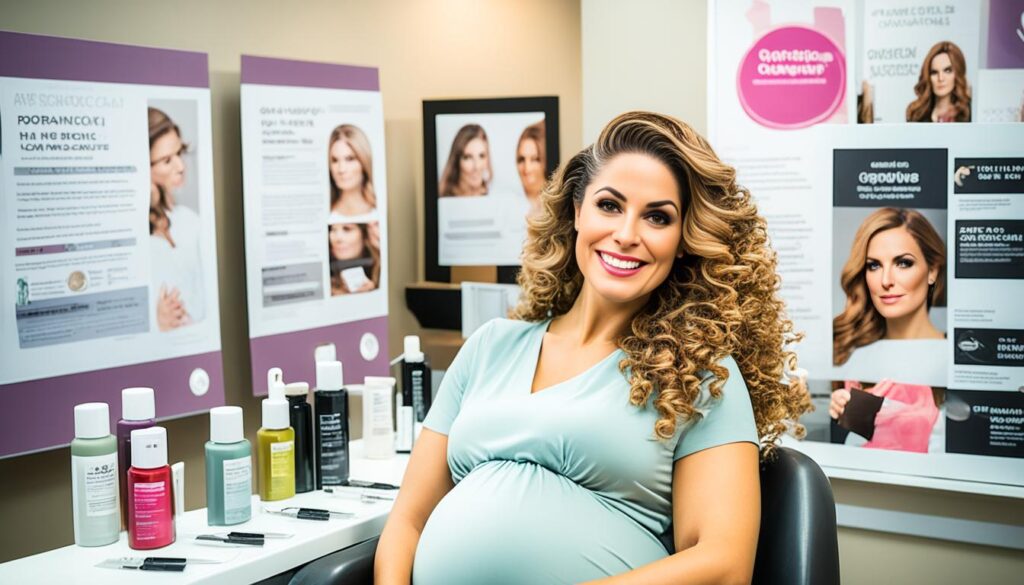
| Pros | Cons |
|---|---|
| Dyeing hair can boost self-esteem and confidence during pregnancy. | Possible allergic reactions to hair dye chemicals. |
| Provides a sense of normalcy and self-expression during a time of physical changes. | Concerns about potential exposure to harmful chemicals. |
| Allows pregnant women to maintain their desired hair color and style. | Uncertainty about the effects of hair dye on the baby’s development. |
Managing Postpartum Hair Loss
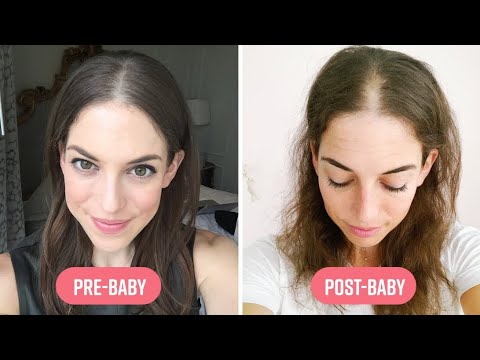
Postpartum hair loss, also known as telogen effluvium, is a common occurrence after childbirth. It occurs due to hormonal changes and usually starts around 3 months after giving birth. During pregnancy, the hairs on the scalp are in the resting phase, resulting in thicker hair. After childbirth, the hormone levels return to normal, causing the hair to transition to the shedding phase. This can lead to excessive hair loss.
However, it is important to note that postpartum hair loss is temporary and normal. The hair typically regrows within 6 months after childbirth. In the meantime, there are steps you can take to manage postpartum hair loss and promote hair health.
1. Maintain a Healthy Diet
Eating a balanced diet that includes plenty of fruits, vegetables, and proteins can provide the necessary nutrients for hair growth and overall health. Foods rich in vitamins A, C, E, and Biotin are particularly beneficial for hair health.
2. Practice Stress Management Techniques
Stress can contribute to hair loss, so it’s important to find ways to manage stress after childbirth. Engaging in relaxation techniques such as deep breathing exercises, yoga, or meditation can help reduce stress levels and promote hair health.
3. Use Gentle Hair Care Products
Opt for gentle shampoos and conditioners that are free from harsh chemicals. Avoid excessive heat styling and chemical treatments that can further damage the hair. Instead, focus on gentle care to promote healthy regrowth.
Managing postpartum hair loss requires patience and understanding that it is a normal part of the hair growth cycle. By following these tips, you can support healthy regrowth and promote overall hair health.
| Do’s | Don’ts |
|---|---|
| Follow a healthy diet | Avoid excessive heat styling |
| Practice stress management techniques | Avoid harsh chemical treatments |
| Use gentle hair care products | Avoid tight hairstyles that pull on the hair |
| Be patient and allow the hair to regrow naturally | Avoid unnecessary brushing or combing |
Hair Care Tips for Postpartum Hair
After childbirth, caring for postpartum hair is essential to promote healthy regrowth and maintain overall hair health. Here are some tips to help you take care of your hair after pregnancy:
- Use gentle shampoos and conditioners: Opt for products that are specifically formulated for postpartum hair. These gentle formulas can help nourish and protect the hair without stripping away natural oils.
- Avoid excessive heat styling and chemical treatments: Heat styling tools and chemical treatments can weaken the hair and lead to breakage. It’s best to minimize the use of heat styling tools and avoid harsh chemical treatments during this time.
- Trim split ends regularly: Regular trimming of split ends can prevent further damage and promote healthy hair growth. It’s recommended to visit a professional hairstylist for regular trims to keep your hair in its best condition.
- Eat a balanced diet: Providing your body with the necessary nutrients is crucial for healthy hair growth. Include foods rich in vitamins, minerals, and proteins in your diet to support postpartum hair health.
- Consider taking supplements: Consult with your healthcare provider about taking supplements that are safe for nursing mothers, such as biotin or prenatal vitamins. These supplements can provide extra support for hair health.
Remember, patience is key when caring for postpartum hair. It takes time for the hair to go through its natural regrowth process. By following these tips and giving your hair the attention it needs, you can promote healthy hair growth and achieve beautiful postpartum hair.
Conclusion
Hair changes during and after pregnancy are a normal part of the journey, resulting from hormonal fluctuations. It is common for pregnant women to experience temporary changes in hair thickness and texture. Some may notice increased hair thickness due to prolonged growth phases, while others may experience hair loss as estrogen levels decrease postpartum. It is essential to understand that these changes are normal and usually resolve within a few months after childbirth.
Managing hair changes during and after pregnancy involves adopting healthy hair care practices. A well-balanced diet rich in fruits, vegetables, and proteins can provide the necessary nutrients for hair health. Reducing stress levels through relaxation techniques and regular exercise can also promote overall hair well-being. Additionally, gentle shampooing, conditioning, and avoiding excessive heat or chemical treatments are essential in maintaining the health of the hair.
If there are concerns about hair changes, it is advisable to consult with a healthcare provider. They can provide further guidance and address any persistent hair loss or other conditions. Remember, taking care of the hair during and after pregnancy contributes to overall hair health and supports a positive postpartum experience.
FAQ
Can pregnancy affect hair growth?
Yes, hormonal changes during pregnancy can affect hair growth. Some women may experience thicker hair due to increased estrogen, while others may experience hair loss due to decreased estrogen. These changes are usually temporary and should return to normal after childbirth.
How can I promote hair growth during pregnancy?
To promote hair growth during pregnancy, it is important to maintain a healthy diet, including fruits, vegetables, and proteins. Taking prenatal vitamins and managing stress levels can also support hair growth. Gentle hair care practices, such as avoiding excessive heat and chemical treatments, can help maintain hair health.
What are the hormonal changes that occur during pregnancy?
During pregnancy, there is an increase in estrogen levels, which can prolong the hair’s growing phase and result in thicker hair. However, after pregnancy, estrogen levels decrease, which may lead to hair loss. These hormonal changes are a normal part of the pregnancy journey.
Is it safe to dye my hair during pregnancy?
Limited research suggests that it is generally safe to dye your hair during pregnancy. The hair does not absorb significant amounts of harmful chemicals that could affect the developing baby. However, it is recommended to wait until after the first trimester to dye your hair and take precautions such as wearing gloves and working in a well-ventilated area.
What is postpartum hair loss?
Postpartum hair loss, also known as telogen effluvium, is a common occurrence after childbirth. It happens due to hormonal changes and usually starts around three months after giving birth. This hair loss is temporary and normal, and the hair typically regrows within six months after childbirth.
How can I manage postpartum hair loss?
To manage postpartum hair loss, it is recommended to maintain a healthy diet, practice stress management techniques, and use gentle hair care products. Trimming split ends regularly can also prevent further damage and promote healthy hair regrowth.
How should I take care of my hair after pregnancy?
After childbirth, it is important to take care of your hair by using gentle shampoos and conditioners suitable for postpartum hair. Avoid excessive heat styling and chemical treatments that can cause damage. Eating a balanced diet and taking supplements can support hair health during the regrowth process.
Are hair changes during and after pregnancy normal?
Yes, hair changes during and after pregnancy are normal due to hormonal fluctuations. These changes can include increased thickness or temporary hair loss. Taking care of your hair through a healthy diet and gentle hair care practices can help manage these changes.