
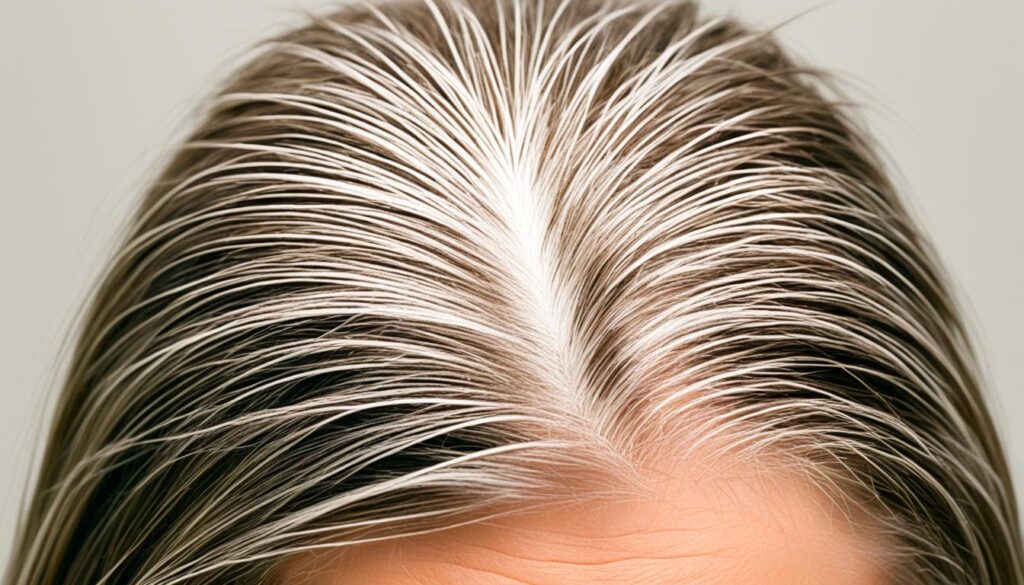
Did you know that approximately 80 million people in the United States are affected by hair loss? Hair loss, also known as alopecia, can be a distressing condition that impacts both men and women of all ages. Whether it’s gradual thinning, bald spots, or sudden loosening of hair, understanding when to seek help is crucial in addressing and managing hair loss effectively.
In this article, we will delve into the signs and symptoms of hair loss, explore the causes behind this condition, and discuss when it’s time to consult a doctor or dermatologist. By understanding the various aspects of hair loss, you can make informed decisions about when to take action to prevent further loss and promote hair regrowth.
Key Takeaways:
- Approximately 80 million people in the United States are affected by hair loss
- Hair loss can manifest in different ways, including gradual thinning, bald spots, and sudden loosening of hair
- Causes of hair loss can range from heredity and hormonal changes to medical conditions and hairstyles/treatments
- Consult with a doctor if you are concerned about persistent or sudden hair loss to determine the underlying cause and explore treatment options
- Early intervention and appropriate treatment can help address hair loss and potentially promote regrowth
Signs and Symptoms of Hair Loss
Hair loss can manifest in various signs and symptoms, indicating different underlying causes. It is essential to recognize these signs to take appropriate action. Some common hair loss symptoms and signs include:
- Gradual thinning on the top of the head: One of the most common signs of hair loss is the gradual thinning of hair on the top of the head. This type of hair loss is often associated with aging or hormonal changes.
- Male or female-pattern baldness: Male-pattern baldness, characterized by a receding hairline and bald spots, is a typical hair loss pattern among men. Female-pattern baldness may involve hair thinning or widening of the center hair parting.
- Patchy hair loss (Alopecia areata): Alopecia areata refers to patchy hair loss, where hair falls out in small, smooth patches. This condition can affect any hair-bearing area, including the scalp, eyebrows, and even the entire body.
- Hair loss due to tight hairstyles or treatments: Wearing tight hairstyles, such as braids or ponytails, or subjecting the hair to excessive heat or chemical treatments can cause hair loss. These practices may lead to a condition known as traction alopecia.
- Full-body hair loss: Hair loss can occur throughout the entire body due to medical conditions or treatments like chemotherapy. This type of hair loss is temporary and usually regrows after the treatment is completed.
- Bald spots: Developing bald spots on the scalp is another commonly observed symptom of hair loss. These areas may be smooth and devoid of hair.
- Sudden loosening of hair: Some individuals may experience sudden loosening of hair, known as telogen effluvium. This condition occurs when a significant amount of hair shifts from the growing phase to the resting phase, resulting in increased shedding.
- Patches of scaling: Hair loss accompanied by patches of scaling or flaking on the scalp may indicate a fungal infection like ringworm. This condition requires prompt medical attention and treatment.
Recognizing these signs and symptoms of hair loss is crucial in determining the underlying cause. If you are experiencing any of these symptoms, it is recommended to consult with a healthcare professional to obtain an accurate diagnosis and explore suitable treatment options.
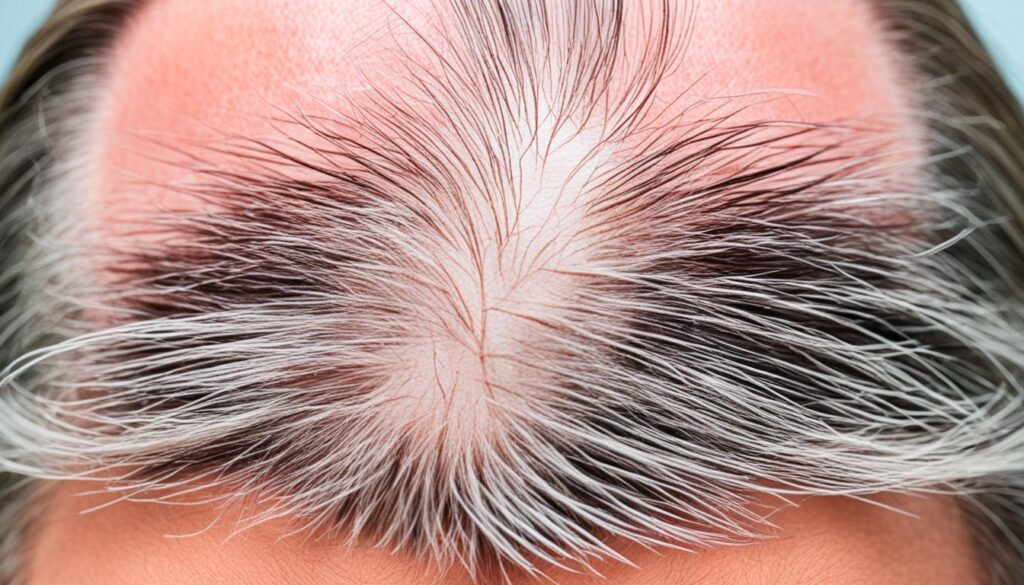

When to See a Doctor for Hair Loss
If you are distressed by persistent or sudden hair loss, it is important to consult with a doctor to better understand the underlying causes and explore appropriate treatment options. Excessive or patchy hair loss can be concerning and may indicate an underlying medical condition that requires attention. Seeking medical help early on can help prevent further hair loss and improve treatment outcomes.
Signs that indicate the need to see a doctor:
- Persistent hair loss: If you are experiencing ongoing hair loss that lasts longer than a few months, it is advisable to seek medical advice. This could be a sign of an underlying condition that needs to be addressed.
- Sudden hair loss: If you notice a sudden increase in hair loss, especially if it occurs in clumps or patches, it is crucial to consult a doctor. This abrupt change may indicate an underlying medical issue or an acute hair loss condition that requires immediate attention.
- Receding hairline in women: Women who are noticing a receding hairline should seek medical advice to determine the cause and explore early treatment options. Addressing the issue promptly can help prevent permanent baldness.
When you visit a doctor for hair loss, they will perform a thorough examination, review your medical history, and may order additional tests to identify any underlying causes. Based on the diagnosis, they may recommend appropriate treatment options, such as topical medications, oral medications, hormonal therapy, or lifestyle changes. In some cases, they may refer you to a dermatologist or a hair loss specialist for specialized care.
Remember, early intervention is key when dealing with hair loss. Consulting a doctor can provide you with the necessary guidance and support to start treatment and address the underlying causes effectively.

Expert Insight:
“When it comes to hair loss, it’s essential to know when to seek medical help. If you’re worried about persistent or sudden hair loss, consulting a doctor is crucial. They can evaluate your condition, identify any potential underlying issues, and provide appropriate treatment options.” – Dr. Emily Johnson, Dermatologist
Causes of Hair Loss
There are various factors that can contribute to hair loss, each with its own set of causes and implications. Understanding the underlying cause of hair loss is crucial in determining the most appropriate treatment approach.
Heredity
Heredity plays a significant role in hair loss. If you have a family history of baldness or thinning hair, there is a higher chance that you may experience hair loss as well.
Hormonal Changes
Hormonal changes can also contribute to hair loss. Events such as pregnancy, childbirth, and menopause can cause temporary hair loss due to hormonal fluctuations.
Medical Conditions
Several medical conditions can lead to hair loss. Alopecia areata, an autoimmune disorder, can cause patchy hair loss, while scalp infections can also result in hair loss.
Medications and Supplements
Certain medications and supplements have been known to contribute to hair loss. These include chemotherapy drugs, blood thinners, and medications used to treat acne and high blood pressure.
Radiation Therapy
Radiation therapy, particularly when targeted at the head, can lead to hair loss. This is a common side effect in individuals undergoing radiation treatment for cancer.
Stressful Events
Experiencing a stressful event, such as a major surgery, emotional trauma, or extreme weight loss, can trigger hair loss. This type of hair loss is usually temporary and can be resolved with time and proper self-care.
Hairstyles and Treatments
Certain hairstyles and hair treatments can cause damage to the hair follicles and result in hair loss. Traction alopecia, for example, is a common form of hair loss caused by tight hairstyles that pull on the hair.
“Understanding the underlying causes of hair loss is essential in identifying the most effective treatment options for each individual.”
By addressing the root cause of hair loss, whether it be heredity, hormonal changes, medical conditions, medications, or lifestyle factors, individuals can make informed decisions about which hair loss treatments to pursue. Consultation with a healthcare professional or a dermatologist can provide valuable insights and guidance in finding the most suitable course of action.
Conclusion
When experiencing hair loss, it is crucial to take action and seek help. If you are concerned about persistent or sudden hair loss, it is advisable to consult with a dermatologist. They are specialized in diagnosing and treating hair loss conditions and can provide expert guidance tailored to your specific needs.
A dermatologist can evaluate your scalp, assess the underlying causes of your hair loss, and recommend appropriate treatment options. Whether it’s making lifestyle changes, trying at-home treatments, or considering medications or advanced procedures like hair transplants or laser therapy, a dermatologist can guide you towards the most effective solutions.
Visiting a dermatologist for hair loss is important because they have the knowledge and expertise to determine the best course of action. By seeking professional help, you can address hair loss in a targeted and timely manner, potentially preventing further loss and even stimulating regrowth.
FAQ
When should I seek help for hair loss?
It is recommended to seek help for hair loss if you are concerned about persistent or sudden hair loss. Consulting with a doctor can help diagnose the underlying cause and recommend appropriate treatment options.
What are the signs and symptoms of hair loss?
Signs and symptoms of hair loss can include gradual thinning on the top of the head, male or female-pattern baldness, patchy hair loss known as alopecia areata, hair loss due to tight hairstyles or hair treatments, and full-body hair loss due to medical conditions or treatments like chemotherapy. Other signs may include bald spots, sudden loosening of hair, and patches of scaling that spread over the scalp, which could be a sign of a fungal infection like ringworm.
When should I see a doctor for hair loss?
It is advisable to see a doctor for hair loss if you are distressed by persistent or sudden hair loss, or if you notice patchy or excessive hair loss. Women experiencing a receding hairline should also seek medical advice for early treatment to prevent permanent baldness. Sudden hair loss could also be a sign of an underlying medical condition that requires treatment.
What are the causes of hair loss?
Hair loss can be caused by various factors, including heredity, hormonal changes (such as during pregnancy, childbirth, or menopause), medical conditions (such as alopecia areata or scalp infections), certain medications and supplements, radiation therapy to the head, a stressful event, and damaging hairstyles or hair treatments. Understanding the underlying cause of hair loss can help determine the most appropriate treatment approach.
Can a dermatologist help with hair loss?
Yes, visiting a dermatologist can be beneficial when dealing with hair loss. A dermatologist can diagnose the cause of hair loss and recommend appropriate treatment options, whether it be lifestyle changes, at-home treatments, medications, or more advanced procedures like hair transplants or laser therapy.