
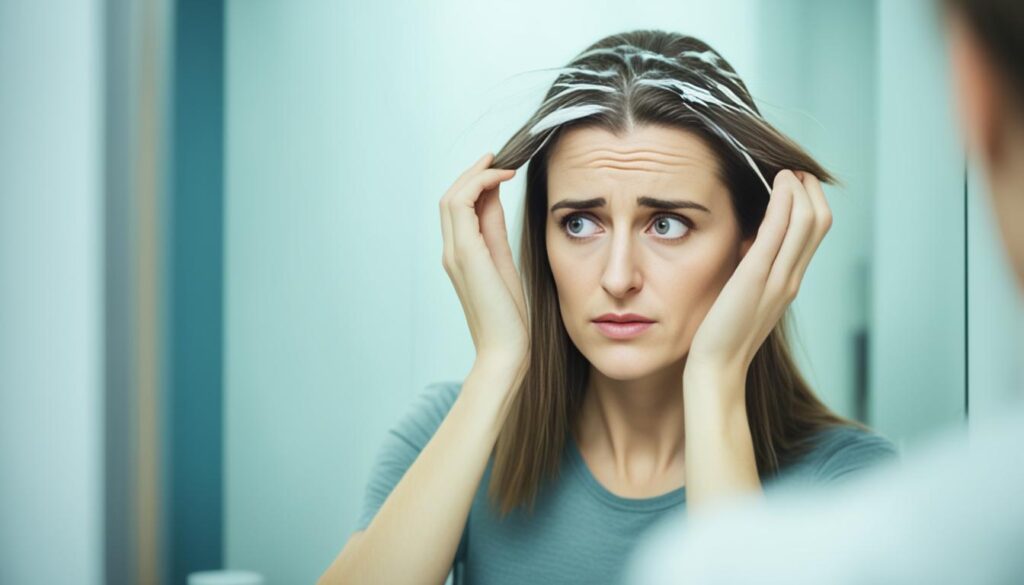
Did you know that stress can cause hair loss? It’s true. When we experience high levels of stress, our hair can suffer the consequences. In fact, there are three types of hair loss that can be triggered by stress: telogen effluvium, trichotillomania, and alopecia areata. The impact of stress on our hair is more significant than we may realize.
When stress strikes, it’s important to understand how it can affect our hair and what steps we can take to manage it. In this article, we will explore the connection between stress and hair loss and provide strategies to cope with stress-induced hair loss effectively.
Key Takeaways:
- Stress can trigger three types of hair loss: telogen effluvium, trichotillomania, and alopecia areata.
- The effects of stress on our hair are significant and can lead to sudden hair loss.
- Managing stress-related hair loss involves addressing the underlying stress and seeking medical advice.
- Stress disrupts the hair growth cycle, leading to more strands entering the resting phase and eventually falling out.
- In addition to stress, other factors such as medical conditions and hormonal imbalances can also contribute to hair loss.
How Stress-Related Hair Loss Happens
The hair growth cycle is affected by stress. High levels of stress can disrupt the normal growth phase of hair follicles, causing more strands to enter the resting phase and eventually fall out. The body’s response to stress, including the release of cortisol and adrenaline, can reduce blood flow to the scalp and impact the hair follicles’ ability to function properly. This can lead to stress-related hair loss, specifically telogen effluvium. Other factors, such as trichotillomania and alopecia areata, can also contribute to hair loss caused by stress.


| Causes of Hair Loss | Examples |
|---|---|
| Hormonal imbalances | Thyroid disorders |
| Autoimmune diseases | Alopecia areata |
| Infections | Fungal infections |
| Medications | Chemotherapy drugs |
While stress can be a cause of hair loss, it’s important to consider other factors as well. Hair loss can be a symptom of various medical conditions, including hormonal imbalances, autoimmune diseases like alopecia areata, infections, and side effects of certain medications. It’s essential to identify and address the underlying cause of hair loss to effectively manage the condition.
Other Causes of Hair Loss
While stress can contribute to hair loss, it’s important to recognize that there are other factors that can play a role as well. Hair loss may be a symptom of various medical conditions, including hormonal imbalances, autoimmune diseases like alopecia areata, infections, and medications. Identifying and addressing the underlying cause is essential for effectively managing hair loss.
Medical Conditions Causing Hair Loss
Medical conditions can disrupt the normal hair growth cycle, leading to hair loss. Hormonal imbalances, such as thyroid disorders or polycystic ovary syndrome (PCOS), can affect the follicles’ ability to produce healthy hair. Autoimmune diseases like alopecia areata, where the immune system mistakenly attacks the hair follicles, can also result in hair loss. It’s important to consult with a healthcare professional to diagnose and treat any underlying medical conditions causing hair loss.
Medications and Hair Loss
Certain medications, including chemotherapy drugs, anticoagulants, antidepressants, and beta-blockers, can cause hair loss as a side effect. The hair loss may be temporary or permanent, depending on the medication and individual factors. If you suspect that your medication is causing hair loss, it’s crucial to discuss this with your doctor to explore alternative treatment options or adjustments to your current medication regimen.
Role of Hormonal Conditions
Hormonal imbalances can disrupt the normal hair growth cycle. Both men and women can experience hair loss due to hormonal conditions such as androgenetic alopecia, commonly known as male or female pattern baldness. This condition is primarily influenced by genetic and hormonal factors, with dihydrotestosterone (DHT) playing a key role in shrinking hair follicles. Hormonal changes during pregnancy and menopause can also contribute to hair loss in women. If you suspect a hormonal imbalance, consulting with a healthcare professional or endocrinologist can help identify and address the underlying cause.
| Causes | Examples |
|---|---|
| Medical Conditions | Hormonal imbalances, autoimmune diseases (alopecia areata), infections |
| Medications | Chemotherapy drugs, anticoagulants, antidepressants, beta-blockers |
| Hormonal Conditions | Androgenetic alopecia, hormonal changes during pregnancy and menopause |
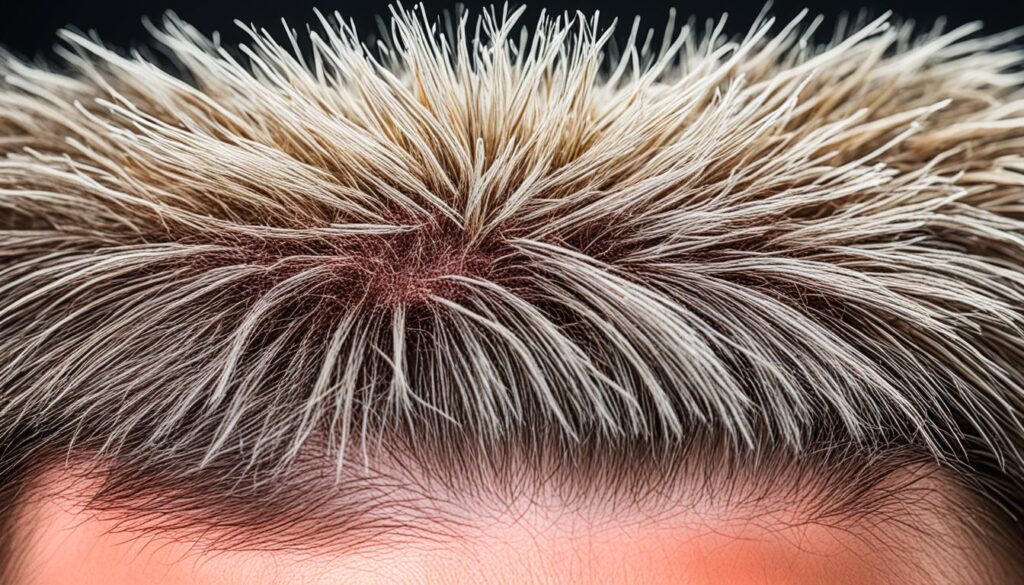
While stress can exacerbate hair loss, it’s crucial to consider other potential causes, such as medical conditions, medications, and hormonal imbalances. Identifying the underlying cause of hair loss is essential for developing an appropriate treatment plan. Consulting with a healthcare professional or dermatologist can provide guidance and support in managing hair loss effectively.
Strategies for Managing Stress-Related Hair Loss
To effectively manage hair loss caused by stress, it is essential to address the underlying stress factors. Incorporating various stress management techniques into your daily routine can significantly reduce stress levels and promote hair regrowth. Here are some strategies to help you manage stress-related hair loss:
- Regular Exercise: Engage in physical activities such as walking, running, or yoga to reduce stress and promote overall well-being. Regular exercise helps release endorphins, which are natural stress relievers.
- Mindfulness Practices: Practice mindfulness meditation or deep breathing exercises to calm your mind and reduce stress. These techniques can help you stay present, relax, and cope with stress-induced hair loss.
- Therapy: Consider seeking therapy or counseling to explore and address the underlying causes of stress. Talking to a trained professional can provide valuable insights, coping strategies, and emotional support.
- Adequate Sleep: Prioritize getting enough sleep each night, as lack of sleep can exacerbate stress levels. Establish a regular sleep schedule and create a soothing bedtime routine to promote relaxation and better sleep quality.
- Balanced and Nutritious Diet: Ensure you are eating a well-balanced diet rich in vitamins, minerals, and essential nutrients. A healthy diet supports hair growth and strengthens the hair follicles.
- Topical Treatments: Consider using topical treatments specifically designed to promote hair growth and reduce hair loss. These treatments often contain ingredients such as minoxidil or finasteride and can be applied directly to the scalp.
- Supplements: Consult with a healthcare professional to determine if supplements can help manage stress-related hair loss. Certain supplements, such as biotin or vitamin D, may support healthy hair growth.
Remember, it is important to consult with a healthcare professional for personalized guidance and treatment options tailored to your specific situation. By taking proactive steps to manage stress and maintain a healthy lifestyle, you can cope with stress-induced hair loss and promote hair regrowth.

Expert Tip
“Incorporating stress management techniques into your daily routine is crucial for managing hair loss caused by stress. From exercise to mindfulness practices and therapy, finding what works best for you can make a significant difference in both your stress levels and hair health.” – Dr. Emily Johnson, Dermatologist
Conclusion
Managing hair loss when stress strikes is essential for individuals experiencing stress-induced hair loss. By understanding the different types of stress-related hair loss and addressing the underlying stress, we can effectively manage and prevent further hair loss.
Incorporating stress management techniques into our daily lives is crucial. Regular exercise, mindfulness practices, therapy, and adequate sleep can help reduce stress levels and promote overall well-being. Additionally, maintaining a balanced and nutritious diet provides the necessary nutrients for healthy hair growth.
Seeking appropriate medical advice is also important. Consulting with a healthcare professional can provide personalized guidance and treatment options. They can recommend topical treatments, supplements, or other interventions to aid in regrowing hair and managing stress-related hair loss.
Remember, managing hair loss caused by stress requires a comprehensive approach that addresses both the emotional and physical aspects. By taking proactive steps, individuals can effectively manage stress-induced hair loss and support the regrowth of healthy hair.
FAQ
Can stress cause hair loss?
Yes, high levels of stress can trigger hair loss. There are different types of stress-related hair loss, including telogen effluvium, trichotillomania, and alopecia areata.
What is telogen effluvium?
Telogen effluvium occurs when significant stress pushes hair follicles into a resting phase, leading to sudden hair loss.
What is trichotillomania?
Trichotillomania is an urge to pull out hair as a way of coping with negative emotions, such as stress.
What is alopecia areata?
Alopecia areata is an autoimmune condition that can be triggered by severe stress, resulting in patchy hair loss.
How does stress cause hair loss?
High levels of stress can disrupt the normal growth phase of hair follicles, causing more strands to enter the resting phase and eventually fall out. The body’s response to stress can also reduce blood flow to the scalp and impact the hair follicles’ ability to function properly.
What are other causes of hair loss?
Hair loss can also be caused by hormonal imbalances, autoimmune diseases like alopecia areata, infections, and side effects of certain medications.
How can I manage stress-related hair loss?
To manage stress-related hair loss, it’s important to address the underlying stress. Incorporating stress management techniques, maintaining a healthy lifestyle, and seeking medical advice can help. Topical treatments and supplements designed to promote hair growth can also aid in regrowth.
What can I do to prevent hair loss caused by stress?
Preventing stress-induced hair loss involves managing stress through techniques like exercise, mindfulness practices, therapy, and adequate sleep. A balanced and nutritious diet that supports hair growth is also important.
Is it necessary to seek medical advice for stress-related hair loss?
Yes, it is advisable to consult with a healthcare professional who can provide personalized guidance and recommend appropriate treatment options for managing stress-related hair loss.