
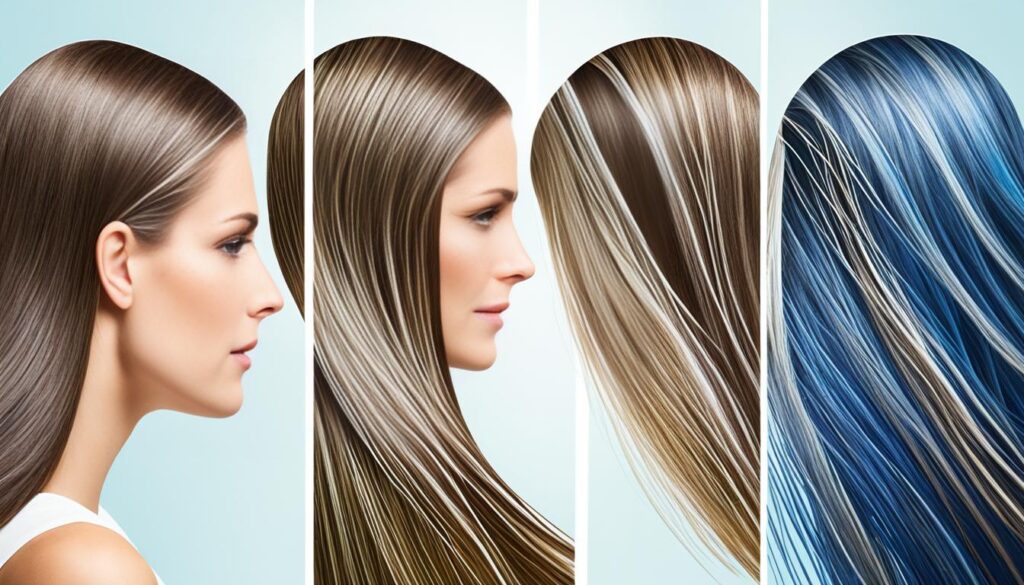
Did you know that it is normal to lose anywhere from 50 to 100 strands of hair every day? Yes, you read that right. Hair loss is a natural phenomenon that affects people of all ages and genders. Whether you notice a few hairs on your brush or in the shower drain, this shedding is actually a part of the hair growth cycle.
The human head has about 100,000 hair follicles, each with its own growth and shedding cycle. As old hairs shed, new ones take their place, ensuring the constant renewal of our hair. But what are the signs of normal hair growth and shedding, and how can we differentiate them from abnormal hair loss? Let’s delve deeper into the topic to answer these questions.
Key Takeaways:
- Hair loss is a natural process, with 50 to 100 strands of hair lost daily being considered normal.
- Understanding the signs of normal hair growth and shedding is essential to differentiate it from abnormal hair loss.
- Factors such as stress, health conditions, and hairstyling techniques can contribute to increased hair loss.
- Excessive hair loss beyond the typical shedding rate may indicate an underlying condition that needs attention.
- Consulting a healthcare professional for proper diagnosis and personalized treatment is recommended for hair loss concerns.
Causes of Hair Loss
There are various factors that can contribute to hair loss. Genetics play a significant role, with hereditary patterns being the most common cause of hair loss in both men and women. Hormonal changes, such as those experienced during pregnancy, menopause, or conditions like polycystic ovary syndrome (PCOS), can also lead to hair loss. Medical conditions like thyroid disease, chemotherapy or radiation, and lupus can cause hair loss as well. Certain medications and nutritional deficiencies, along with physical or emotional stress, can also contribute to excessive hair shedding. It is essential to identify and address the underlying causes of hair loss to effectively manage and treat the condition.


| Causes of Hair Loss | Gender Affected |
|---|---|
| Genetics (Hereditary) | Both men and women |
| Hormonal Changes | Both men and women |
| Medical Conditions | Both men and women |
| Medications and Nutritional Deficiencies | Both men and women |
| Physical or Emotional Stress | Both men and women |
“Understanding the underlying causes of hair loss is crucial to develop effective treatment plans and preventive strategies.” – Dr. Jessica Martinez, Dermatologist
Hair Loss Treatment and Prevention
Treating and preventing hair loss requires understanding the underlying cause. Different approaches are available based on the specific factors contributing to hair loss. Let’s explore some effective hair loss treatment and prevention methods:
Medications for Hereditary Hair Loss
For individuals experiencing hereditary hair loss, there are medications available that can slow down the progression and promote hair regrowth. Two common options include:
Minoxidil: This topical solution is applied directly to the scalp, stimulating hair regrowth and preventing further loss. Regular use can lead to thicker, fuller hair over time.
Finasteride: This oral medication helps block the production of dihydrotestosterone (DHT), a hormone associated with hair loss. By reducing DHT levels, finasteride can help restore hair growth.
Hormone Replacement Therapy and Targeted Treatments
Hormonal imbalances can contribute to hair loss in both men and women. Hormone replacement therapy (HRT) is an option for managing hormonal fluctuations that cause hair loss. Additionally, there are targeted treatments available to address specific hormonal conditions that may contribute to hair loss.
Addressing Health Conditions and Nutritional Deficiencies
Identifying and addressing any underlying health conditions or nutritional deficiencies is crucial for preventing hair loss. Working with a healthcare professional can help determine the appropriate treatment plan to address these factors and promote healthy hair growth.
Lifestyle Changes for Hair Health
Adopting a healthy lifestyle is essential for maintaining optimal hair health. Some lifestyle changes that can help prevent hair loss include:
- Eating a balanced diet rich in essential nutrients for hair growth, such as iron, biotin, and vitamins A and D.
- Engaging in regular exercise to improve blood circulation and promote hair follicle health.
- Getting adequate sleep to support overall hair health and regeneration.
Proper Hair Care Techniques
Practicing proper hair care techniques is vital for preventing hair loss. Avoiding tight hairstyles that pull on the hair, minimizing heat and chemical damage, and maintaining a gentle hair care routine can contribute to healthier, stronger hair.
By implementing these hair loss treatment and prevention tips, individuals can take proactive steps to promote hair health and prevent further hair loss.
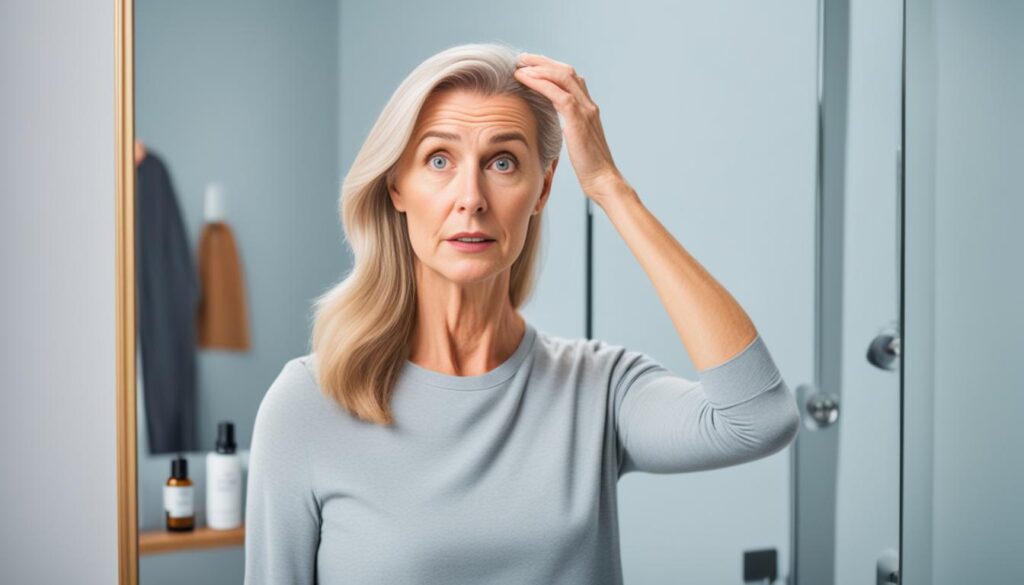
| Treatment Method | Description |
|---|---|
| Minoxidil | A topical solution that stimulates hair regrowth and prevents further loss. |
| Finasteride | An oral medication that reduces the production of DHT, a hormone associated with hair loss. |
| Hormone Replacement Therapy (HRT) | A treatment option for managing hormonal imbalances that cause hair loss. |
| Targeted Treatments | Treatments designed to address specific hormonal conditions contributing to hair loss. |
| Lifestyle Changes | Adopting a healthy lifestyle with a balanced diet, regular exercise, and adequate sleep. |
| Proper Hair Care Techniques | Avoiding tight hairstyles, minimizing heat and chemical damage, and maintaining a gentle hair care routine. |
Understanding the Hair Growth Cycle
The hair growth cycle consists of three main phases: the anagen (growth) phase, the catagen (transition) phase, and the telogen (resting) phase. Each phase plays a crucial role in the continuous process of hair growth and shedding.
Anagen Phase:
The anagen phase is the active growth phase of the hair follicles. It typically lasts for several years and is responsible for producing new hair cells. During this phase, the hair continuously grows longer, and the follicles remain in the active growth state.
Catagen Phase:
The catagen phase is a short transitional phase that follows the anagen phase. It marks the end of active growth and the beginning of the hair follicles’ regression. During this phase, the follicles shrink, and hair growth stops. The catagen phase lasts for a few weeks before transitioning into the telogen phase.
Telogen Phase:
The telogen phase is a resting phase for the hair follicles. It typically lasts for about three months. During this phase, the follicles remain inactive, and the hair is in a resting state. This is the phase where the old hair is preparing to shed, and the new hair begins its growth cycle. At the end of the telogen phase, new hair starts to grow, pushing out the old hair, and the entire hair growth cycle repeats.

Understanding the hair growth cycle is essential for interpreting hair loss patterns and identifying normal hair shedding. It helps differentiate between natural shedding and abnormal hair loss. By recognizing the different phases of the hair growth cycle, individuals can gain insights into their hair health and take appropriate measures to maintain a healthy hair growth cycle.
Conclusion
Understanding what constitutes normal hair loss is crucial for maintaining hair health. It is normal to shed between 50 to 100 hairs per day as part of the hair growth cycle. Excessive hair loss beyond this range may indicate an underlying condition that requires attention. To effectively manage and prevent further hair loss, it is essential to identify the causes of hair loss, seek appropriate treatment, and adopt preventive measures.
Consulting a healthcare professional for a proper diagnosis and personalized treatment plan is crucial for addressing hair loss concerns. By understanding normal hair loss rates and taking proactive steps, individuals can navigate their hair health effectively. Whether it’s through adopting a healthy lifestyle, practicing proper hair care techniques, or considering medical interventions, it’s important to take action to maintain hair health and prevent excessive hair loss.
Remember, the hair growth cycle consists of different phases, including the active growth phase, transitional phase, and resting phase. Having knowledge of these phases can help individuals interpret hair loss patterns and identify normal hair shedding. By staying informed and seeking professional advice, individuals can address hair loss concerns and take steps towards healthier and fuller hair.
FAQ
What is considered normal hair loss?
It is normal to lose between 50 to 100 hairs per day as part of the hair growth cycle.
How can I differentiate between normal hair shedding and excessive hair loss?
Excessive hair loss would go beyond the typical shedding rate of 50 to 100 hairs per day.
What factors can contribute to hair loss?
Hair loss can be caused by genetics, hormonal changes, medical conditions, certain medications, nutritional deficiencies, stress, and hairstyling techniques.
Is hair loss more common in men or women?
Hair loss can affect both men and women, but the causes and patterns may differ.
How can hair loss be treated and prevented?
Treatment and prevention methods depend on the underlying cause of hair loss. Options include medication, hormone therapy, managing health conditions, addressing nutritional deficiencies, reducing stress levels, adopting a healthy lifestyle, and practicing proper hair care techniques.
What is the hair growth cycle?
The hair growth cycle consists of three phases: the anagen (growth) phase, the catagen (transition) phase, and the telogen (resting) phase.
How can understanding the hair growth cycle help with hair loss?
Understanding the hair growth cycle can help interpret hair loss patterns and identify normal hair shedding.