

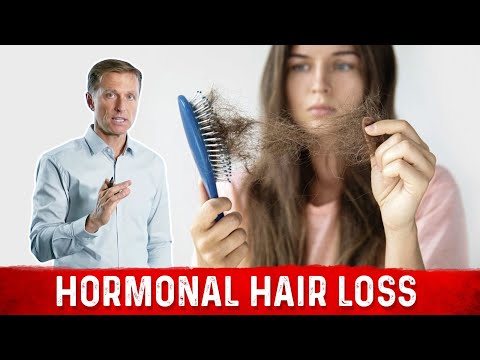
Hormonal hair loss, also known as hair loss due to hormonal imbalances, can be a distressing experience. Hormones play a crucial role in the hair growth process, and when imbalances occur, it can lead to noticeable shedding or thinning of hair. Some common medical conditions associated with hormonal hair loss include androgenetic alopecia, telogen effluvium, and alopecia areata. Dihydrotestosterone (DHT) is a hormone that both men and women produce, and when there is an excess of DHT, it can lead to thinning and weaker hair strands. The thyroid, a small organ in the neck, also plays a role in hair health, and conditions such as hyperthyroidism or hypothyroidism can disrupt the natural hair growth cycle. Fluctuations in hormones during pregnancy, the postpartum period, and menopause can also cause temporary or long-lasting hair thinning. Effective treatment options for hormonal hair loss include hormone therapy, medications, lifestyle adjustments, and platelet-rich plasma therapy.
Key Takeaways:
- Hormonal imbalances can lead to hair loss and thinning.
- Conditions like androgenetic alopecia, telogen effluvium, and alopecia areata are associated with hormonal hair loss.
- Dihydrotestosterone (DHT) and thyroid disorders can impact hair health.
- Fluctuations in hormones during pregnancy, postpartum, and menopause can cause hair thinning.
- Treatment options for hormonal hair loss include hormone therapy, medications, lifestyle adjustments, and platelet-rich plasma therapy.
Hormone Therapy for Hormonal Hair Loss
Hormone therapy is an effective treatment option for hormonal hair loss, especially for women experiencing hair loss due to postpartum or menopause-related changes. Hormone replacement therapy (HRT) is a commonly used approach in hormone therapy, which aims to balance hormonal levels to reduce hair loss and promote new hair growth.
However, HRT may not be suitable for everyone, and thorough testing and assessment of medical history and symptoms are necessary to determine the right hormonal hair loss treatment. Hormone therapy can be complemented by other treatments such as medications, lifestyle adjustments, and platelet-rich plasma therapy to achieve optimal results.
When considering hormone therapy for hair loss, it is essential to consult with a healthcare professional who specializes in hormone imbalance and understands the complexities of hormonal hair loss treatment. They will be able to evaluate your specific needs, guide you in finding the right approach, and monitor your progress throughout the treatment process.
While hormone therapy can be highly beneficial for hormonal hair loss, it is important to note that results may vary from person to person. Additionally, hormonal hair loss treatment may take time, so patience and consistency are key.
Undergoing hormone therapy for hair loss requires careful consideration of the potential risks and benefits. It is essential to discuss any pre-existing medical conditions, ongoing medications, and overall health history with your healthcare provider. They can provide personalized guidance and recommendations based on your individual circumstances.
Benefits of Hormone Therapy for Hormonal Hair Loss
Hormone therapy offers several significant benefits for individuals experiencing hormonal hair loss. These include:
- Restored hormonal balance to reduce hair loss
- Promotion of new hair growth
- Improved hair density and thickness
- Enhanced hair health and overall appearance
Hormone therapy can provide a comprehensive solution for individuals struggling with hormonal hair loss, addressing the underlying hormonal imbalances that contribute to hair thinning and shedding. Combined with other treatment modalities, hormone therapy can offer long-lasting results and improve the overall quality of life for those affected by hormonal hair loss.
| Hormone Therapy | Pros | Cons |
|---|---|---|
| Hormone Replacement Therapy (HRT) |
|
|
Medications for Hormonal Hair Loss
When it comes to treating hormonal hair loss, there are several FDA-approved medications that have shown great promise. These medications target the hormone responsible for hair follicle shrinkage and weakened hair strands – DHT. By reducing the production of DHT, these medications can help prevent further hair loss and promote regrowth.
Consulting with a healthcare professional is essential in determining the most suitable medication for your individual needs. They can evaluate your specific condition and discuss potential side effects or interactions to ensure the best treatment outcomes.
Here are some of the FDA-approved medications commonly used in the treatment of hormonal hair loss:
- Finasteride (Propecia): A prescription medication that inhibits the conversion of testosterone to DHT. It is more commonly used for male pattern baldness, but it can also be effective for women with hormonal hair loss.
- Minoxidil (Rogaine): Available over-the-counter, minoxidil is a topical medication that promotes hair growth by stimulating blood flow to the hair follicles. It is suitable for both men and women.
- Spironolactone: Originally developed as a diuretic, spironolactone can also be effective in treating hormonal hair loss. It works by reducing the production of androgens, including DHT.
In some cases, a combination of medications may be recommended to optimize results. It is important to follow your healthcare professional’s instructions and continue using the medications as prescribed to achieve the desired outcomes.


As with any medication, it is essential to be aware of possible side effects and to consult with your healthcare professional if you experience any adverse reactions. They can guide you on the best course of action and make any necessary adjustments to your treatment plan.
“By reducing the production of DHT, these medications can help prevent further hair loss and promote hair regrowth.”
Remember, medications for hormonal hair loss should always be used in combination with other treatment options, such as hormone therapy, lifestyle adjustments, and platelet-rich plasma therapy, for optimal results. Your healthcare professional can help create a comprehensive treatment plan tailored to your individual needs.
Lifestyle Adjustments for Hormonal Hair Loss
Lifestyle adjustments are an important component of a comprehensive hormonal hair loss treatment plan. By incorporating these adjustments into your daily routine, you can enhance the effectiveness of other treatment options and promote healthier hair growth. Here are some key lifestyle adjustments to consider:
1. Regular Exercise
Engaging in regular physical activity not only benefits your overall well-being but also promotes better blood circulation, including to the scalp. Improved blood flow to the hair follicles can stimulate hair growth and help maintain the health of existing hair strands. Find an exercise routine that you enjoy, whether it’s jogging, yoga, or swimming, and aim for at least 30 minutes of moderate exercise most days of the week.
2. Stress Management
High levels of stress can disrupt hormone balance and contribute to hair loss. Incorporating stress management techniques into your daily life can help reduce the impact of stress on your hair health. Consider activities such as meditation, deep breathing exercises, or engaging in hobbies that help you relax and unwind. Find what works best for you and make time for stress relief regularly.
3. Balanced Diet
A balanced diet with nutrient-rich foods is essential for optimal hair health. Make sure your diet includes a variety of fruits, vegetables, lean proteins, whole grains, and healthy fats. These foods provide essential vitamins, minerals, and antioxidants that support hair growth and overall well-being. Consult with a registered dietitian or nutritionist for personalized dietary recommendations.
| Lifestyle Adjustments for Hormonal Hair Loss | |
|---|---|
| Regular exercise | Improves blood circulation to the scalp and promotes hair growth |
| Stress management | Reduces the impact of stress on hormone balance and hair loss |
| Balanced diet | Provides essential nutrients for optimal hair health and growth |
Incorporating these lifestyle adjustments into your hormonal hair loss treatment can help support your body’s natural hair growth processes and improve the overall condition of your hair. These adjustments work in conjunction with other treatment options, such as hormone therapy or medications, to maximize the effectiveness of your hair loss treatment plan.

Platelet-Rich Plasma Therapy for Hormonal Hair Loss
Platelet-rich plasma (PRP) therapy offers a promising solution for those experiencing hormonal hair loss. This innovative treatment utilizes the healing power of one’s own blood to stimulate hair growth and restore vitality to the scalp. Through a simple process, PRP therapy targets the root cause of hormonal hair loss, offering lasting results.
The procedure begins by drawing a small blood sample from the patient. This sample is then processed in a centrifuge to separate the platelets from other components, such as red blood cells. The result is highly concentrated platelet-rich plasma that is rich in growth factors and natural healing properties.
Once the platelet-rich plasma is obtained, it is carefully injected into targeted areas of the scalp where hair thinning or shedding is prevalent. The growth factors in the platelet-rich plasma stimulate the hair follicles, promoting increased blood flow and extending the growth phase of the hair cycle. Over time, this revitalizes dormant hair follicles, leading to thicker, healthier hair growth.
PRP therapy offers several advantages as a hormonal hair loss treatment. Since it utilizes the patient’s own blood, the risk of adverse reactions or side effects is minimized. Additionally, PRP therapy can be combined with other elements of the treatment plan, such as supplements or medications, to achieve optimal results.
Benefits of Platelet-Rich Plasma Therapy for Hormonal Hair Loss:
- Stimulates natural hair growth
- Improves hair density and thickness
- Rejuvenates dormant hair follicles
- Minimizes the risk of adverse reactions
- Complements other treatment options
“Platelet-rich plasma therapy harnesses the body’s natural healing abilities to combat hormonal hair loss, offering individuals a safe and effective solution for restoring their hair and confidence.”
While individual results may vary, many patients have reported significant improvements in hair growth and thickness after undergoing PRP therapy for hormonal hair loss. It is important to consult with a healthcare professional specializing in hair restoration to determine if PRP therapy is the right treatment option for your specific needs.
Comparing Hormonal Hair Loss Treatment Options
| Treatment Option | Benefits | Considerations |
|---|---|---|
| Hormone Therapy | – Restores hormonal balance – Reduces hair loss and promotes growth |
– Requires thorough assessment – Potential side effects |
| Medications | – Blocks DHT production – Prevents hair follicle shrinkage |
– Prescription may be required – Possible side effects |
| Platelet-Rich Plasma Therapy | – Stimulates natural hair growth – Minimizes risk of adverse reactions |
– Individual results may vary – May require multiple sessions |
Conclusion
Hormonal imbalance can significantly contribute to hair loss, making it essential to identify and address the underlying causes. There are various viable treatment options available, including hormone therapy, medications, lifestyle adjustments, and platelet-rich plasma therapy. Consulting with a healthcare professional is crucial for determining the most suitable approach based on individual needs and ensuring optimal results.
In addition to these medical interventions, incorporating natural remedies for hormonal imbalance and maintaining overall hormonal health through a balanced lifestyle can also play a significant role in promoting hair health and overall well-being. By prioritizing healthy habits such as regular exercise, stress management, and a nutrient-rich diet, individuals can support their hormonal balance and minimize the impact of hormonal imbalances on hair health.
Understanding that hormonal imbalance affects both men and women, it is important to address the specific hormonal disorders that can lead to hair loss. For women, conditions such as polycystic ovary syndrome (PCOS), menopause, and thyroid imbalances can have a significant impact. Men may experience hair loss due to conditions like androgenetic alopecia, a hormonal disorder affecting hair follicles. Tailoring treatments to address these specific imbalances can lead to improved outcomes.
In conclusion, a comprehensive approach to hormonal hair loss involves a combination of targeted medical interventions, lifestyle adjustments, and natural remedies. By working closely with healthcare professionals and adopting a holistic approach, individuals can take proactive steps to address hormonal imbalances, promote hair growth, and improve their overall well-being.
FAQ
What are the causes of hormonal hair loss?
Hormonal hair loss can be caused by conditions such as androgenetic alopecia, telogen effluvium, and alopecia areata. Imbalances in hormones, specifically an excess of dihydrotestosterone (DHT), can lead to thinning and weaker hair strands. Fluctuations in hormones during pregnancy, the postpartum period, and menopause can also contribute to hair thinning.
Is hormone therapy effective for hormonal hair loss?
Yes, hormone therapy is an effective treatment option, especially for women experiencing hair loss due to postpartum or menopause-related changes. Hormone replacement therapy aims to balance hormonal levels and reduce hair loss while promoting new hair growth. However, it may not be suitable for everyone, and thorough testing and assessment are necessary to determine the right treatment.
Are there medications available for hormonal hair loss treatment?
Yes, there are FDA-approved medications that can help treat hormonal hair loss. These medications work by blocking the production of DHT, the hormone responsible for hair follicle shrinkage and weaker hair strands. Consultation with a healthcare professional is essential to determine the most suitable medication and discuss potential side effects or interactions.
Can lifestyle adjustments help with hormonal hair loss?
Yes, lifestyle adjustments can complement other treatment options for hormonal hair loss. Regular exercise increases blood flow to the scalp, stimulating hair growth. Managing stress is also important as high levels of stress can disrupt hormone balance and contribute to hair loss. Additionally, maintaining a balanced diet that includes nutrient-rich foods can provide the necessary fuel for optimal hair health.
What is platelet-rich plasma therapy and how does it help with hormonal hair loss?
Platelet-rich plasma (PRP) therapy is an effective solution for hormonal hair loss. It utilizes the healing power of an individual’s own blood to stimulate hair growth. By injecting platelet-rich plasma into targeted areas of the scalp, the platelets help prolong the growth phase of the hair cycle. PRP therapy is often used in conjunction with other elements of the treatment plan to achieve optimal results.
How can hormonal imbalances be addressed to prevent hair loss?
Hormonal imbalances can be addressed through hormone therapy, lifestyle adjustments, and natural remedies. Identifying the underlying causes of hormonal hair loss is crucial for effective treatment. Consulting with a healthcare professional can help determine the most suitable treatment approach and ensure optimal results.