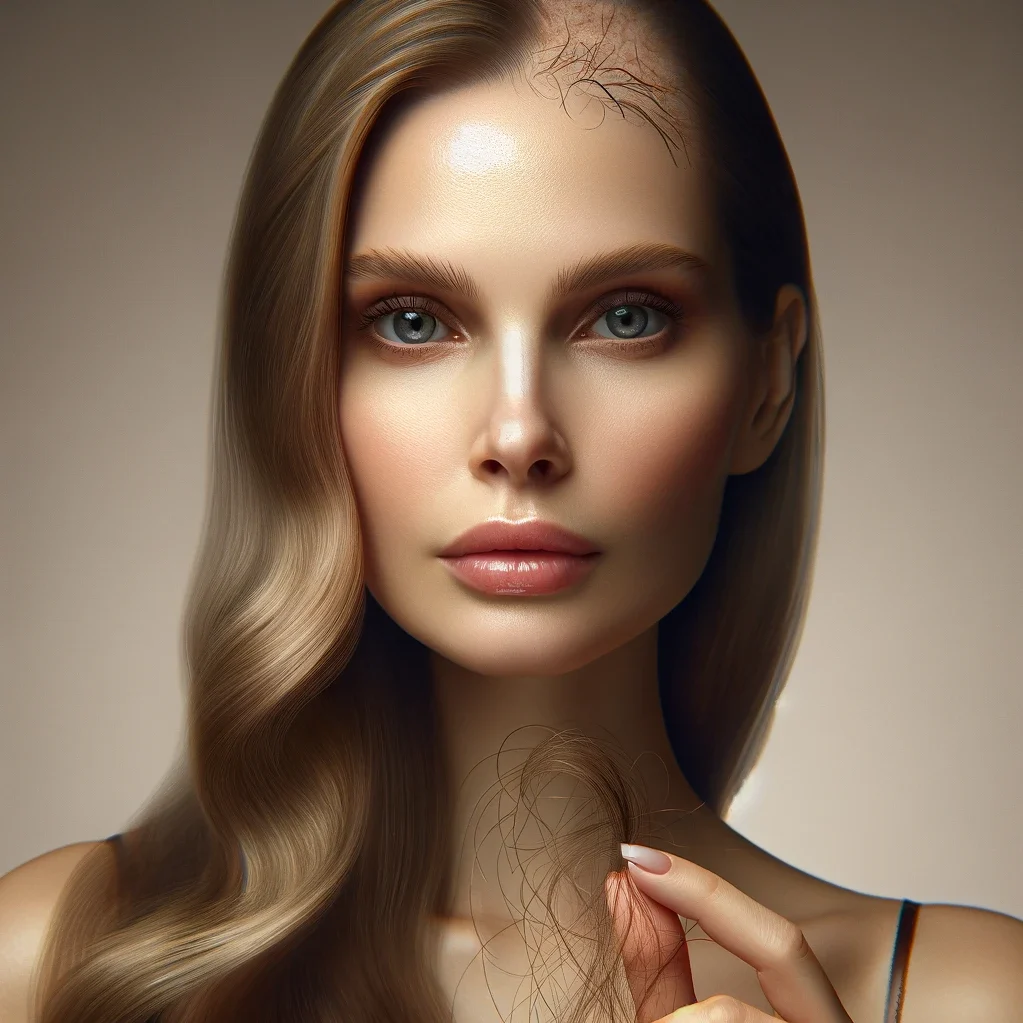
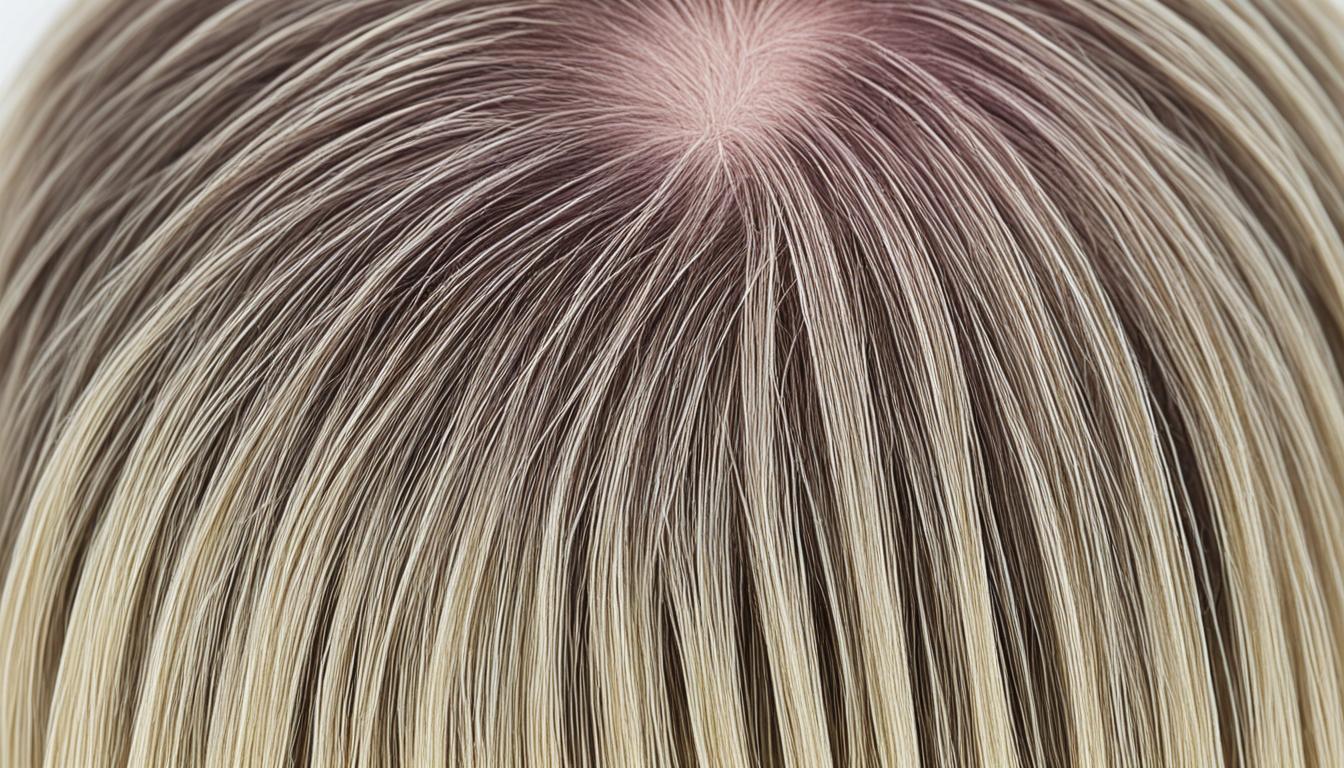
Age-related hair loss in women, also known as female pattern hair loss or androgenetic alopecia, is a common condition that many women experience as they age. It is characterized by a gradual thinning of the hair on the scalp, leading to visible hair loss and a decrease in self-esteem. This issue can be distressing for women, as hair is often seen as an important aspect of femininity and beauty.
There are various factors that contribute to age-related hair loss in women. Genetics play a significant role, as family history and inherited genes can influence hair thinning and balding patterns. Hormonal changes, such as fluctuations in estrogen and progesterone levels, can also contribute to hair loss. Additionally, environmental factors like exposure to sun damage and certain lifestyle choices may accelerate the hair loss process.
Fortunately, there are treatment options available for women experiencing age-related hair loss. From medical interventions to lifestyle adjustments, these approaches aim to slow down the hair loss process and stimulate hair regrowth. It’s important for women to educate themselves about the causes, signs, and available remedies for age-related hair loss in order to make informed decisions regarding treatment and prevention.
Key Takeaways:
- Age-related hair loss in women is a common condition characterized by gradual hair thinning and loss on the scalp.
- Genetic factors, hormonal changes, and environmental influences contribute to age-related hair loss in women.
- Treatment options for age-related hair loss include medical interventions and lifestyle adjustments.
- Prevention strategies involve maintaining a healthy lifestyle, managing stress, and protecting the hair from damage.
- Understanding the causes and available treatments can help women effectively manage age-related hair loss and maintain healthy hair as they age.
Causes of Age-Related Hair Loss in Women
Age-related hair loss in women is primarily caused by a combination of genetic factors, hormonal changes, and environmental factors. These factors contribute to the gradual thinning of the hair and eventual hair loss that many women experience as they age.
Genetic factors play a significant role in determining a woman’s susceptibility to hair loss. Certain genetic variations can make hair follicles more sensitive to androgens, such as dihydrotestosterone (DHT), which can lead to hair follicle miniaturization and subsequent hair loss.
Hormonal changes also contribute to age-related hair loss in women. As women age, their hormone levels, particularly estrogen and progesterone, begin to decline. This hormonal imbalance can disrupt the hair growth cycle, leading to increased hair shedding and reduced hair density.
Environmental factors can further exacerbate age-related hair loss in women. Factors such as exposure to the sun’s harmful rays, smoking, and poor nutrition can contribute to hair follicle damage, inflammation, and oxidative stress. These factors can accelerate the progression of hair loss and compromise the overall health of the hair.
It’s important to note that the exact interplay between genetic, hormonal, and environmental factors in age-related hair loss is complex and varies from person to person. Some women may be more genetically predisposed to hair loss, while others may be more sensitive to hormonal changes or environmental stressors.
To get a better understanding of the causes of age-related hair loss in women, let’s break it down:
Hormonal Changes
Hormonal changes, particularly the decline in estrogen and progesterone levels, can disrupt the hair growth cycle and lead to hair loss in women.
Genetic Factors
Genetic variations can make hair follicles more sensitive to androgens, such as DHT, resulting in hair follicle miniaturization and eventual hair loss.
Environmental Factors
Exposure to environmental stressors like sun damage, smoking, and poor nutrition can contribute to hair follicle damage, inflammation, and hair loss.

Understanding the causes of age-related hair loss in women is essential in formulating effective treatment strategies and preventive measures. In the next section, we’ll explore the signs and symptoms of age-related hair loss in women.
Signs and Symptoms of Age-Related Hair Loss in Women
Age-related hair loss in women can be identified by several common signs and symptoms. These indicators often include:
- Thinning hair: Women experiencing age-related hair loss may notice a gradual decrease in hair density, resulting in visibly thinner hair.
- Visible scalp: As the hair thins, the scalp becomes more visible, especially on the top of the head. This increased visibility can be a source of concern for many women.
- Widening of hair part: Age-related hair loss can cause the hair part to widen, making it more apparent and further contributing to the perception of thinning hair.
- Decreased hair density: Women may observe a reduction in the number of individual hair strands, leading to an overall decrease in hair density.
- Fragile hair: Age-related hair loss can make the remaining hair strands more fragile, prone to breakage and further hair damage.
These signs and symptoms can significantly impact a woman’s self-esteem and quality of life. The visible changes in their hair’s thickness and density can cause distress, making it essential for women to understand and address age-related hair loss as early as possible.
Addressing the signs and symptoms of age-related hair loss requires a comprehensive approach that combines medical interventions, proper hair care, and a focus on overall well-being. Understanding the causes and available treatments for age-related hair loss is crucial in managing this condition and enhancing self-confidence.
Diagnosis of Age-Related Hair Loss in Women
Diagnosing age-related hair loss in women involves a comprehensive evaluation that includes reviewing the patient’s medical history, performing a physical examination, and, in some cases, conducting a scalp biopsy. This thorough approach allows healthcare professionals to accurately assess the pattern of hair loss, identify any underlying causes, and develop an appropriate treatment plan.
Taking a Detailed Medical History
During the diagnostic process, obtaining a detailed medical history is crucial. This involves discussing the patient’s symptoms, the onset of hair loss, and any relevant past medical conditions or treatments. The healthcare professional may inquire about family history to determine if there is a genetic predisposition to hair loss. Additionally, lifestyle factors, such as stress levels, dietary habits, and hair care routines, may be explored to gain a comprehensive understanding of the patient’s overall health and potential contributing factors to hair loss.
Thorough Physical Examination
A physical examination of the scalp is an essential component of the diagnosis. The healthcare professional will carefully examine the scalp, looking for signs of inflammation, scarring, or other conditions that may contribute to hair loss. They will also assess the density and diameter of the hair follicles to determine the extent of hair loss and the potential for regrowth.
Scalp Biopsy for Confirmation
In some cases, a scalp biopsy may be performed to confirm the diagnosis of age-related hair loss and rule out other underlying causes. This procedure involves taking a small sample of the scalp tissue for examination under a microscope. By analyzing the tissue, healthcare professionals can identify any specific abnormalities or conditions that may be contributing to the hair loss. The results of the scalp biopsy help guide the treatment plan and ensure the most appropriate course of action.
Overall, a thorough diagnosis of age-related hair loss in women involves a combination of medical history, physical examination, and sometimes scalp biopsy. This comprehensive approach allows healthcare professionals to accurately assess the condition and develop an individualized treatment plan that addresses the underlying causes and promotes hair regrowth.
| Diagnosis of Age-Related Hair Loss in Women |
|---|
|
Treatment Options for Age-Related Hair Loss in Women
When it comes to addressing age-related hair loss in women, there are several effective treatment options available. These options depend on the severity of the hair loss and the individual’s preferences and goals. Let’s explore some of the most commonly used treatment options:
Medications
One of the primary treatment options for age-related hair loss in women is the use of medications. Two commonly prescribed medications for hair loss are minoxidil and finasteride.
1. Minoxidil: Also known as Rogaine, minoxidil is a topical solution that helps to slow down hair loss and promote hair regrowth. It works by increasing blood flow to the hair follicles and stimulating their growth phase.
2. Finasteride: Finasteride, sold under the brand name Propecia, is an oral medication that can be effective in controlling hair loss. It works by inhibiting the conversion of testosterone to dihydrotestosterone (DHT), a hormone that contributes to hair loss.
Topical Treatments
In addition to medications, topical treatments can also help in managing age-related hair loss in women.
1. Topical corticosteroids: These medications reduce inflammation and can be beneficial for individuals with scalp conditions or inflammation that contribute to hair loss.
2. Anti-inflammatory agents: Certain topical treatments containing anti-inflammatory agents, such as minoxidil with anti-inflammatory properties, can help reduce inflammation on the scalp and support healthy hair growth.
These topical treatments are generally applied directly to the scalp and can be used alongside other treatment methods to enhance results.
Hair Transplant Surgery
In cases of advanced age-related hair loss where other treatment options have not been effective, hair transplant surgery may be considered.
Hair transplant surgery involves removing hair follicles from areas with thick hair growth (donor site) and implanting them into areas with thinning or balding hair (recipient site). This procedure allows for the restoration of hair density and improves the overall appearance of the scalp.
It’s important to consult with a qualified surgeon to determine if hair transplant surgery is the right option for you, as it requires careful consideration of factors such as available donor hair, hair loss pattern, and individual expectations.
| Treatment Option | Description |
|---|---|
| Medications | Minoxidil and finasteride are commonly prescribed medications that can help slow down hair loss and promote regrowth. |
| Topical Treatments | Topical corticosteroids and anti-inflammatory agents can reduce inflammation on the scalp and support healthy hair growth. |
| Hair Transplant Surgery | A surgical procedure that involves transplanting hair follicles from donor areas to areas with thinning or balding hair. |
Each treatment option has its advantages and considerations, and it’s best to consult with a healthcare professional or hair loss specialist to determine the most suitable approach for your specific needs.
Strategies to Manage Age-Related Hair Loss in Women
When it comes to managing age-related hair loss in women, there are several effective strategies that can help maintain hair health and boost self-confidence. In addition to medical treatments, incorporating these strategies into your daily routine can make a significant difference in managing hair loss. Here are some strategies to consider:
- Adopt a Gentle Hair Care Routine: Using a gentle shampoo and conditioner can help minimize hair damage and breakage. Avoid harsh chemical treatments and opt for natural or organic products that promote hair health.
- Avoid Excessive Heat Styling: Excessive heat from styling tools like blow dryers, curling irons, and straighteners can weaken the hair and lead to breakage. Minimize heat styling and use heat protectant products when necessary.
- Use Products that Promote Hair Health: Look for hair care products that contain ingredients known to promote hair growth and strengthen the hair follicles. These may include biotin, keratin, and essential oils such as rosemary or lavender.
- Choose Hairstyles that Minimize Thinning Hair: Opt for hairstyles that create the illusion of volume and thickness. Layered cuts, shorter styles, and hairstyles that add texture can help minimize the appearance of thinning hair.
- Consider Hair Extensions or Wigs: Hair extensions and wigs can be a temporary solution to instantly add volume and length to your hair. Consult with a professional stylist to find the best options for your needs.
- Protect Your Hair from the Sun: UV rays from the sun can damage the hair and contribute to hair loss. Wear a hat or use protective hair sprays or leave-in conditioners with SPF when spending time outdoors.
- Eat a Balanced Diet: A balanced diet rich in vitamins, minerals, and proteins is essential for healthy hair growth. Include foods such as fish, nuts, fruits, vegetables, and lean meats in your diet to nourish your hair from within.
By incorporating these strategies into your daily routine, you can effectively manage age-related hair loss and maintain healthy, beautiful hair. Remember that each person’s experience with hair loss may vary, so it’s important to consult with a healthcare professional or a trichologist for personalized advice and treatment options.
“Adopting a gentle hair care routine, choosing hairstyles that add volume, and using products that promote hair health are key strategies to manage age-related hair loss in women.”
Comparison of Hair Care Strategies for Age-Related Hair Loss
| Strategy | Benefits |
|---|---|
| Adopting a Gentle Hair Care Routine | – Minimizes hair damage and breakage – Promotes overall hair health |
| Avoiding Excessive Heat Styling | – Prevents hair weakening and breakage – Reduces the risk of hair loss |
| Using Products that Promote Hair Health | – Nourishes the hair follicles – Stimulates hair growth |
| Choosing Hairstyles that Minimize Thinning Hair | – Creates the illusion of volume and thickness – Boosts self-confidence |
| Considering Hair Extensions or Wigs | – Instantly adds volume and length – Provides temporary hair loss coverage |
| Protecting Hair from the Sun | – Reduces UV damage to the hair – Prevents hair loss caused by sun exposure |
| Eating a Balanced Diet | – Provides essential nutrients for hair health – Promotes healthy hair growth |
Preventing Age-Related Hair Loss in Women
While age-related hair loss in women cannot always be prevented, adopting a healthy lifestyle can help to minimize the risk and delay the onset of hair loss. We believe that prevention is key when it comes to maintaining the health and vitality of your hair. By focusing on key aspects such as stress management, exercising regularly, and maintaining a balanced diet, you can take proactive steps to minimize the impact of age-related hair loss.
Stress management: Chronic stress can contribute to hair loss. Find healthy ways to manage stress levels, such as practicing relaxation techniques like yoga or meditation, engaging in hobbies, or seeking support from friends and family. Taking time for self-care and prioritizing your mental well-being can have a positive impact on hair health.
Regular exercise: Engaging in regular physical activity not only benefits your overall health but can also promote better circulation, including blood flow to the hair follicles. Aim for at least 30 minutes of moderate-intensity exercise most days of the week, such as brisk walking, cycling, or swimming.
Balanced diet: A healthy and well-balanced diet plays a crucial role in promoting hair health. Include foods rich in essential nutrients for hair growth, such as vitamins A, C, E, and D, as well as minerals like iron and zinc. Opt for lean proteins, whole grains, fruits, vegetables, and healthy fats. Consider incorporating foods like spinach, salmon, eggs, nuts, and seeds into your meals for their hair-boosting benefits.
Additionally, avoid smoking as it can constrict blood vessels and limit the flow of nutrients to the hair follicles. Excessive sun exposure can also damage the hair shaft and contribute to hair thinning. Protect your hair from harmful UV rays by wearing hats or using sun-protective hair products.
Remember:
- Manage stress levels.
- Exercise regularly.
- Follow a balanced diet.
- Avoid smoking and excessive sun exposure.
By implementing these preventive measures into your daily routine, you can support the health of your hair, potentially delaying age-related hair loss and maintaining a full, voluminous mane for longer.
| Preventive Measures for Age-Related Hair Loss | Benefits |
|---|---|
| Stress management | Reduces the impact of stress-induced hair loss |
| Regular exercise | Improves blood circulation to the hair follicles |
| Balanced diet | Provides essential nutrients for hair health and growth |
| Avoid smoking and excessive sun exposure | Preserves overall hair health and minimizes damage |
Conclusion
Age-related hair loss in women is a natural and common condition that can significantly impact a woman’s self-esteem and overall quality of life. Understanding the causes, signs, and treatment options for age-related hair loss is crucial in effectively managing and preventing further hair loss. By adopting a holistic approach that includes medical treatments, healthy hair care practices, and maintaining a balanced lifestyle, women can proactively manage age-related hair loss and maintain healthy hair as they age.
It is essential to recognize that age-related hair loss stems from a combination of factors, including genetic predisposition, hormonal changes, and environmental influences. By addressing these underlying causes, women can take steps to slow down the progression of hair loss and promote regrowth.
Medical treatments such as medications and topical solutions can be effective in managing age-related hair loss. Additionally, healthy hair care practices such as gentle handling, avoiding excessive heat styling, and using products that promote hair health can help minimize damage and breakage. A balanced lifestyle, including stress management techniques, regular exercise, and a nutrient-rich diet, can also contribute to maintaining healthy hair.
Managing age-related hair loss requires a comprehensive approach that combines medical interventions, hair care practices, and lifestyle adjustments. By incorporating these strategies, women can regain confidence, improve their self-esteem, and enjoy healthy hair as they navigate the natural process of aging.
FAQ
What is age-related hair loss in women?
Age-related hair loss in women, also referred to as female pattern hair loss or androgenetic alopecia, is a common condition characterized by gradual thinning of the hair on the scalp.
What are the causes of age-related hair loss in women?
Age-related hair loss in women is primarily caused by a combination of genetic factors, hormonal changes, and environmental factors.
What are the signs and symptoms of age-related hair loss in women?
Signs and symptoms of age-related hair loss in women may include gradual thinning of the hair, widening of the hair part, increased visibility of the scalp, and decreased hair density.
How is age-related hair loss in women diagnosed?
Diagnosis of age-related hair loss in women is typically made through a combination of medical history, physical examination, and sometimes scalp biopsy.
What are the treatment options for age-related hair loss in women?
Treatment options for age-related hair loss in women include medications, topical treatments, and hair transplant surgery.
Are there strategies to manage age-related hair loss in women?
Yes, there are strategies to manage age-related hair loss in women. These include adopting a gentle hair care routine, avoiding excessive heat styling and chemical treatments, and choosing hairstyles that minimize the appearance of thinning hair.
Can age-related hair loss in women be prevented?
While age-related hair loss in women cannot always be prevented, adopting a healthy lifestyle can help minimize the risk and delay the onset of hair loss. This includes managing stress levels, getting regular exercise, and maintaining a balanced diet.