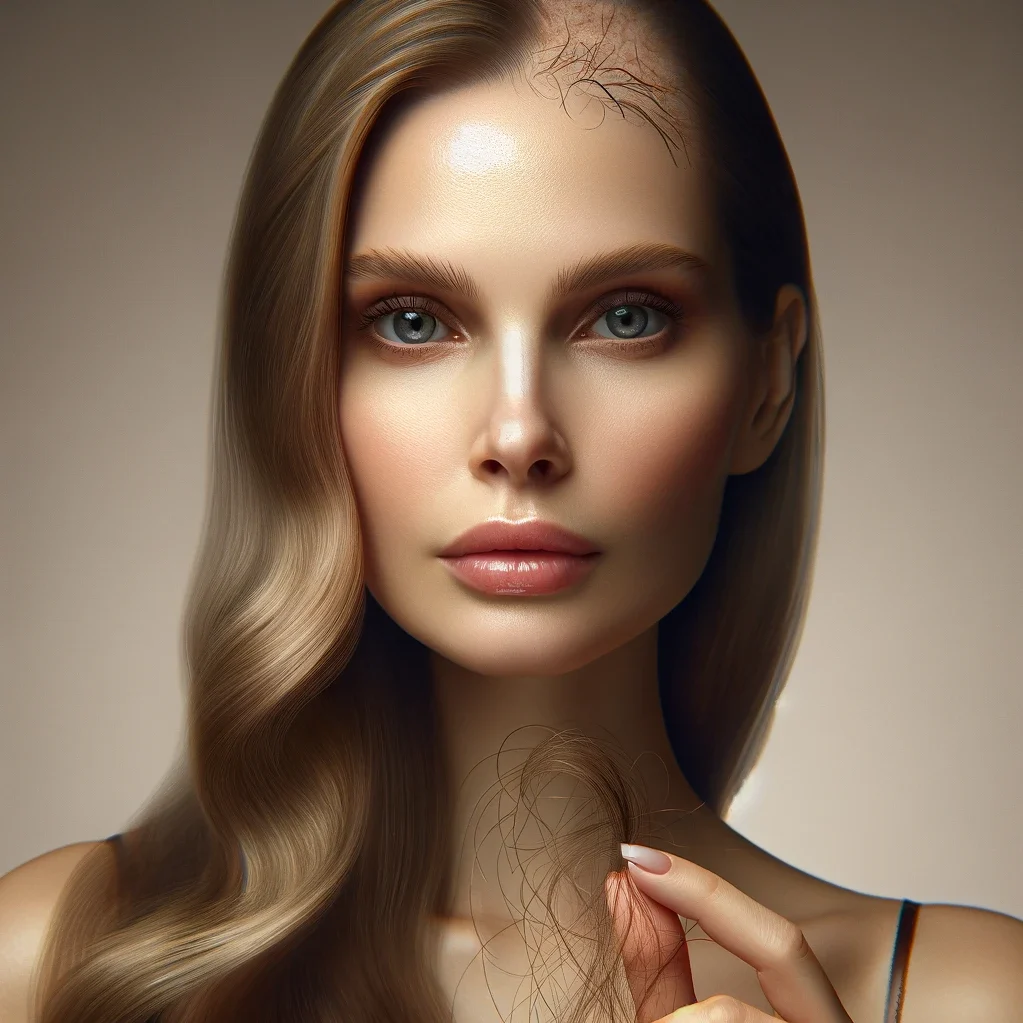
Welcome to our comprehensive guide on effective hair loss solutions for women in their 30s. Hair loss can be a distressing issue that affects not only our physical appearance but also our self-confidence. If you’re experiencing hair loss in your 30s, you’re not alone. It’s a common concern that many women face during this stage of life.
Female pattern baldness, also known as androgenetic alopecia, is one of the leading causes of hair loss in women in their 30s. It is characterized by gradual thinning of hair on the top of the head, widening part, sudden loosening of hair, and even patchy bald spots on the scalp. Genetics, hormones, and underlying health conditions can all play a role in female pattern baldness.
Fortunately, there are several effective hair loss solutions available for women in their 30s. From topical medications like Rogaine to laser therapy, hormone therapy, and even hair transplants, there are options to suit individual needs and preferences. But before diving into specific treatments, it’s important to understand the underlying causes of hair loss in women in their 30s.
In the next section, we’ll explore the various factors that contribute to hair loss in this age group, including hormonal changes, stress, dieting, autoimmune conditions, and certain hair care practices. Understanding the causes will help us determine the most appropriate solutions for combating hair loss.
Understanding the Causes of Hair Loss in Women in Their 30s
Hair loss is a common concern for women in their 30s, and it can have a significant impact on their self-esteem and overall well-being. To effectively address this issue, it’s essential to understand the underlying causes and triggers. Let’s explore the various factors that contribute to hair loss in women in their 30s.
Female Pattern Baldness (Androgenetic Alopecia)
One of the primary causes of hair loss in women in their 30s is female pattern baldness, also known as androgenetic alopecia. This condition is hereditary and manifests as a gradual thinning of hair on the top of the head. Women with this type of hair loss may notice a widening part or experience sudden loosening of hair.
Hormonal Changes
Hormonal changes, particularly those associated with pregnancy and menopause, can also contribute to hair loss in women in their 30s. Fluctuations in hormone levels can disrupt the hair growth cycle and lead to increased shedding. Additionally, hormonal imbalances, such as those caused by polycystic ovary syndrome (PCOS), can contribute to hair loss in younger women.
Stress, Dieting, and Autoimmune Conditions
Stress is a significant factor that can contribute to hair loss in younger women. Emotional or physical stress can disrupt the hair growth cycle and lead to excessive shedding. Additionally, crash dieting or extreme weight loss can deprive the body of essential nutrients, leading to hair thinning. Certain autoimmune conditions, such as alopecia areata, can also cause patchy hair loss in women in their 30s.
Genetics and Hormonal Changes in Middle-Aged Women
In middle-aged women, genetics and hormonal changes during menopause play a prominent role in hair loss. The decrease in estrogen levels and the increased dominance of androgens can lead to thinning hair and eventual hair loss. Genetic predisposition also influences the severity of hair loss in this age group.
Hair Care Practices
Certain hair care practices, such as excessive heat styling, tight hairstyles, and the use of harsh chemicals, can cause hair damage and breakage. These practices can lead to hair thinning and exacerbate existing hair loss conditions.
Understanding the specific cause of hair loss is crucial in developing an effective treatment plan. By identifying the underlying factors contributing to hair loss in women in their 30s, healthcare professionals can tailor solutions that address each individual’s unique needs.
“To effectively combat hair loss in women in their 30s, we must first identify the root cause. By understanding the triggers, we can implement targeted strategies to encourage healthy hair growth and restore confidence.” – Dr. Alexandra Johnson, Dermatologist
Next, we’ll explore the various hair loss treatments and prevention strategies available for women in their 30s. But before we do, take a moment to reflect on the information presented and consider how it relates to your own hair loss experience.
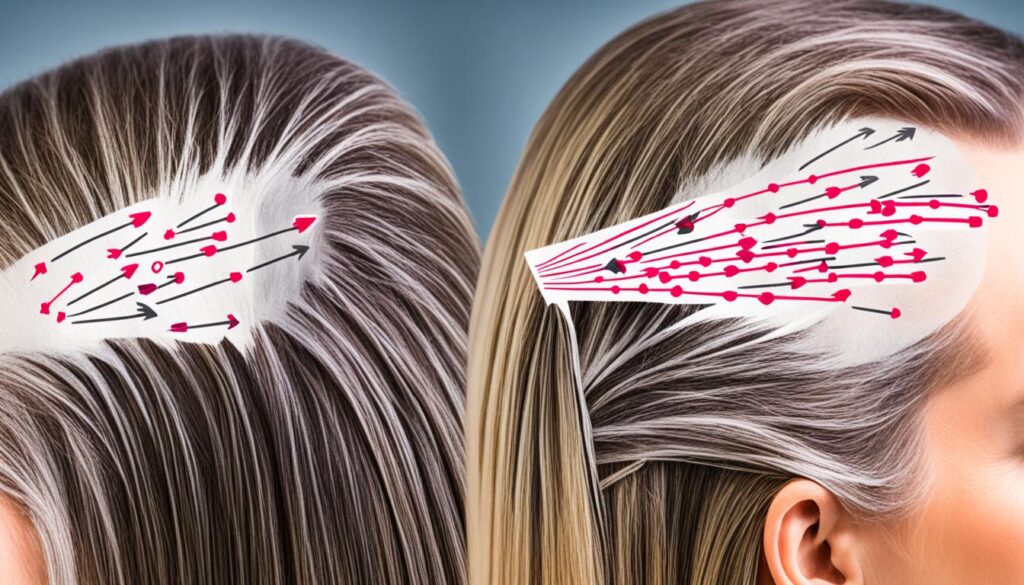
| Common Causes of Hair Loss in Women in Their 30s | |
|---|---|
| Female Pattern Baldness (Androgenetic Alopecia) | Hereditary condition characterized by gradual thinning of hair on the top of the head |
| Hormonal Changes | Fluctuations in hormone levels during pregnancy and menopause |
| Stress, Dieting, and Autoimmune Conditions | Emotional or physical stress, crash dieting, and certain autoimmune conditions |
| Genetics and Hormonal Changes in Middle-Aged Women | Genetic predisposition and hormonal changes during menopause |
| Hair Care Practices | Excessive heat styling, tight hairstyles, and use of harsh chemicals |
Understanding the specific cause of your hair loss is essential in determining the most appropriate treatment approach. In the next section, we’ll explore the different hair loss treatments and prevention strategies available for women in their 30s.
Effective Hair Loss Treatments for Women in Their 30s
For women in their 30s experiencing hair loss, there are several effective treatments available that can help restore hair growth and confidence. Whether it’s preventing hair loss, promoting natural hair growth, or coping with hair thinning, we’ve got you covered with the best hair loss treatments for women.
Topical Medications
One of the most common and widely used hair loss treatments for women is the application of topical medications, such as Rogaine (minoxidil). When applied directly to the scalp, minoxidil can help stimulate hair regrowth and prevent further hair loss. It’s important to follow the instructions provided by your healthcare professional or dermatologist for optimal results.
Laser Therapy
Laser therapy is another effective option for women in their 30s struggling with hair loss. Low-level laser devices, such as laser combs or helmets, can stimulate hair follicles and promote hair growth. Regular use of laser therapy can lead to thicker and healthier hair over time.
Hormone Therapy
For women experiencing hair loss related to hormonal imbalances during pregnancy or menopause, hormone therapy may be recommended. This treatment involves the use of medications or supplements that help regulate hormone levels and improve hair growth. It’s important to consult with a healthcare professional to determine if hormone therapy is the right option for you.
Hair Transplants
In cases of significant hair loss, hair transplants may be a suitable solution for women in their 30s. This surgical procedure involves transferring hair follicles from one area of the scalp to another. It can provide natural-looking results and long-lasting hair growth. However, it’s essential to consult with a qualified surgeon to discuss the potential risks and benefits.
Preventing Hair Loss
Preventing hair loss in your 30s is also crucial for maintaining healthy and voluminous hair. Here are some essential tips:
- Avoid using harsh styling tools and chemicals that can damage the hair.
- Eat a balanced diet rich in essential nutrients, including vitamins and minerals that promote hair health.
- Manage stress levels through techniques such as meditation, exercise, or therapy.
- Address any underlying health conditions or deficiencies that may contribute to hair loss.
Natural remedies can also support hair growth and prevent hair loss in your 30s. Scalp massages, essential oil treatments, and dietary supplements can nourish the hair follicles and promote healthy hair growth. However, it’s important to consult with a healthcare professional before trying any natural remedies to ensure they are safe and suitable for your specific needs.
Remember, it’s essential to consult with a dermatologist or healthcare professional to determine the best hair loss treatment plan for your individual needs. They can provide personalized recommendations and monitor your progress to ensure optimal results.
Conclusion
Hair loss can be a distressing experience for women in their 30s, but there are effective solutions available. Female pattern baldness, hormonal changes, stress, and certain hair care practices can contribute to hair loss in this age group. Understanding the underlying causes and seeking proper diagnosis and treatment from a dermatologist or healthcare professional is crucial.
Treatment options for hair loss solutions for women in their 30s include topical medications like Rogaine, which helps stimulate hair regrowth, laser therapy to promote hair growth, hormone therapy for hormonal imbalances, and hair transplants for severe hair loss. Additionally, following a healthy hair care routine, managing stress levels, and addressing nutrient deficiencies can help prevent hair loss and promote hair regrowth.
It’s important for women in their 30s to take proactive steps to address hair loss and restore their hair’s health and appearance. By exploring different hair regrowth options, implementing female hair loss remedies, and practicing prevention methods, women can regain confidence and maintain healthy hair as they navigate their 30s and beyond.
FAQ
What causes hair loss in women in their 30s?
Hair loss in women in their 30s can be caused by various factors, including female pattern baldness, hormonal changes, stress, dieting, autoimmune conditions, genetics, hormonal changes during menopause, and certain hair care practices.
What are some effective hair loss treatments for women in their 30s?
Effective hair loss treatments for women in their 30s include topical medications like Rogaine (minoxidil), laser therapy, hormone therapy, and hair transplants. Following proper hair care practices, managing stress levels, and addressing nutrient deficiencies can also help prevent hair loss.
How can I prevent hair loss in my 30s?
To prevent hair loss in your 30s, it’s important to follow a healthy hair care routine, avoid harsh styling tools and chemicals, eat a balanced diet rich in essential nutrients, manage stress levels, and address any underlying health conditions or deficiencies. Natural remedies like scalp massages, essential oil treatments, and dietary supplements may also support hair growth.