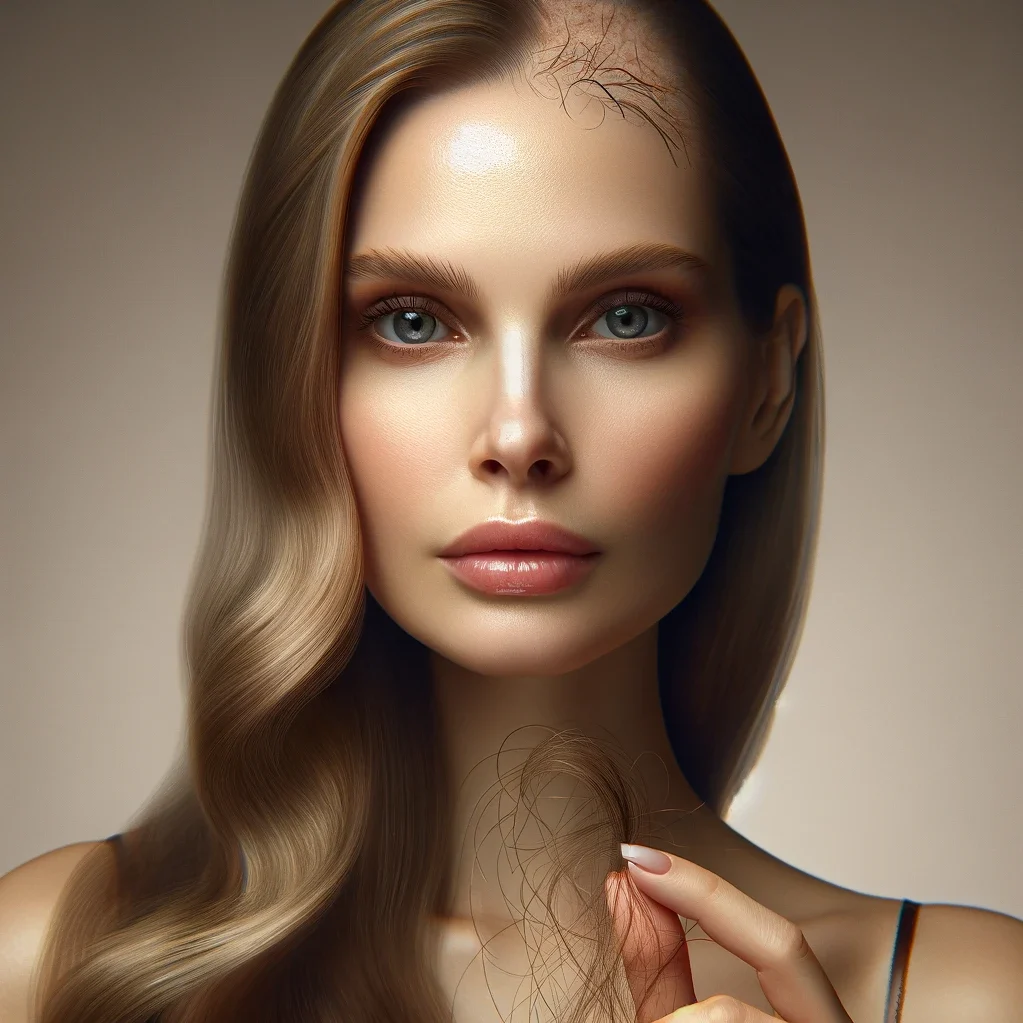
Hair shedding and regrowth are a natural part of the hair growth cycle. However, excessive hair loss can be distressing, especially for women in their 30s. If you’re experiencing hair thinning or noticing a widening part, you’re not alone. Female pattern baldness, or androgenetic alopecia, is a common condition that affects many women in their 30s, particularly after menopause.
Addressing hair loss in your 30s requires understanding the underlying causes and exploring the best treatment options available. Fortunately, there are effective solutions to help stimulate hair regrowth and prevent further loss.
When it comes to treating hair loss in 30-year-old women, there are several options to consider. Topical medications like Rogaine, also known as minoxidil, have been proven to promote hair regrowth. Laser therapy is another effective treatment that uses low-level laser light to stimulate hair follicles. Hormone therapy, such as spironolactone, can help regulate hormone levels and prevent further hair loss.
For more severe cases of hair loss, hair restoration techniques like hair transplants can be considered. This surgical procedure involves transplanting hair follicles from a donor area to the thinning or balding areas on the scalp.
To determine which treatment option is best for you, it’s important to consult with a dermatologist or healthcare professional who specializes in hair loss. They will be able to assess your specific situation and recommend the most suitable treatment plan.
In addition to professional treatments, there are also preventative measures and lifestyle changes that can help manage hair loss in your 30s. Taking care of your overall health by maintaining a balanced diet, exercising regularly, and managing stress can contribute to healthy hair growth. Avoiding harsh hair treatments and heat styling tools can also help prevent damage to your hair.
If you’re interested in natural remedies, essential oils, scalp massages, and supplements may offer some benefits. However, it’s important to remember that natural remedies may not have the same level of scientific evidence as professional treatments. It’s always best to consult with a healthcare professional before incorporating any new remedies into your hair care routine.
Remember, hair loss is a common issue that many women face, and seeking support from professionals and support groups can help you cope with the emotional impact. Together, we can find the best treatments and strategies to address hair loss in 30-year-old women and help restore your confidence.
Top Treatment Options for Hair Loss in 30-Year-Old Women
When it comes to addressing hair loss in 30-year-old women, there are several effective treatment options available. These treatments aim to promote hair regrowth, prevent further hair loss, and restore confidence. Let’s explore some of the top treatment options:
Minoxidil (Rogaine)
One of the most popular treatments for hair loss in women is minoxidil, commonly known as Rogaine. Available as a topical solution, minoxidil stimulates hair regrowth by increasing blood flow to the hair follicles. It is easy to use and can be applied directly to the scalp. Although results may take a few months to become noticeable, minoxidil has been proven to be effective for many women in their 30s.
Laser Therapy
Laser therapy is another effective treatment option for hair loss in women. Low-level laser light stimulates hair follicles, promoting growth and improving hair density. This non-invasive procedure can be performed in a dermatologist’s office or done at home with a laser cap or helmet. Laser therapy is considered safe and can be used in combination with other treatments for optimal results.
Hormone Therapy
Hormone imbalances can contribute to hair loss in women, particularly in their 30s. Hormone therapy, including medications like spironolactone, can help regulate hormone levels and prevent further hair loss. It’s important to consult with a healthcare professional to determine the most appropriate hormone therapy for your individual needs.
Hair Transplants
For more severe cases of hair loss, hair transplants can be considered. This surgical procedure involves removing hair follicles from one part of the scalp (often the back of the head) and transplanting them to areas with thinning or no hair. Hair transplants provide a long-term solution and can yield natural-looking results, but they should be performed by a qualified and experienced surgeon.
Summary Table: Comparison of Hair Loss Treatment Options
| Treatment Option | Description | Pros | Cons |
|---|---|---|---|
| Minoxidil (Rogaine) | Topical solution that stimulates hair regrowth | – Easy to use – Available over-the-counter – Clinically proven effectiveness |
– Results may take time – Needs to be used consistently |
| Laser Therapy | Low-level laser light stimulates hair follicles | – Non-invasive – Can be done at home – Can be combined with other treatments |
– Results may vary – Requires ongoing use |
| Hormone Therapy | Regulates hormone levels to prevent further hair loss | – Targets underlying cause of hair loss – May improve overall well-being |
– Requires medical supervision – Potential side effects |
| Hair Transplants | Surgical procedure that transplants hair follicles | – Permanent solution – Natural-looking results – Improves hair density |
– Invasive procedure – Costly – Requires surgical expertise |
It’s important to note that the effectiveness of these treatments may vary depending on the individual and the underlying cause of hair loss. Consulting with a dermatologist or healthcare professional is essential to determine the best treatment approach for your specific needs. They will consider factors such as the severity of hair loss, overall health, and personal preferences to develop a customized treatment plan.
Tips for Preventing and Managing Hair Loss in Your 30s
In addition to the best treatments for hair loss in 30-year-old women, there are also several preventative measures and lifestyle changes that can help manage hair loss in your 30s. Taking care of your overall health is crucial, and this starts with maintaining a balanced diet. Make sure to include foods rich in vitamins, minerals, and proteins, such as leafy greens, fish, eggs, and nuts, as they promote hair health and regrowth.
Regular exercise not only boosts overall well-being but also promotes healthy hair growth. Engaging in activities like yoga, pilates, or cardio helps improve blood circulation to the scalp, providing essential nutrients to the hair follicles. Additionally, managing stress is crucial, as excessive stress can lead to hair loss. Incorporate stress management techniques into your daily routine, such as meditation, deep breathing exercises, or engaging in hobbies that bring you joy.
When it comes to hair care, it’s essential to avoid harsh treatments and heat styling tools that can damage your hair. Limit the use of chemical treatments, such as perms or relaxers, and opt for heat-free hairstyles whenever possible. If heat styling is necessary, use a heat protectant spray to minimize damage. Additionally, be mindful of the tightness of hairstyles, as excessive tension on the hair can lead to traction alopecia.
Exploring natural remedies can also complement your hair loss prevention routine. Essential oils like lavender, rosemary, and peppermint have been found to promote hair growth when massaged into the scalp. Consider incorporating them into your hair care routine or using scalp massage techniques to stimulate blood flow and encourage hair regrowth. Additionally, certain supplements, such as biotin or vitamin D, may support hair health and thickness.
FAQ
What are the best treatments for hair loss in 30-year-old women?
The best treatments for hair loss in 30-year-old women include topical medications like Rogaine, laser therapy, hormone therapy, and hair transplants. Consult with a dermatologist or healthcare professional for the most suitable treatment option.
How can I promote hair regrowth as a woman in my 30s?
Hair regrowth in women in their 30s can be promoted through treatments like minoxidil (Rogaine), laser therapy, hormone therapy, and even hair transplants. These options should be discussed with a healthcare professional for individualized recommendations.
What are some effective hair loss solutions for women in their 30s?
Effective hair loss solutions for women in their 30s include treatments like minoxidil (Rogaine), laser therapy, hormone therapy, and hair transplants. It’s important to consult with a healthcare professional to determine the most suitable solution for your specific situation.
Are there any natural remedies for hair loss in 30-year-old women?
Some natural remedies for hair loss in 30-year-old women include essential oils, scalp massages, and supplements. However, it’s important to consult with a healthcare professional before trying any natural remedies to ensure they are safe and effective for you.
What can I do to prevent hair loss in my 30s?
To prevent hair loss in your 30s, take care of your overall health by eating a balanced diet, exercising regularly, and managing stress. Avoiding harsh hair treatments and heat styling tools can also help prevent damage to your hair. Consulting with a healthcare professional can provide additional guidance for hair loss prevention in your specific case.
What are the best hair loss products for women in their 30s?
The best hair loss products for women in their 30s include topical medications like minoxidil (Rogaine), as well as hair care products specifically designed to promote hair growth. Again, it’s important to consult with a healthcare professional for personalized product recommendations.
What are some effective hair restoration techniques for 30-year-old women?
Some effective hair restoration techniques for 30-year-old women include minoxidil (Rogaine), laser therapy, hormone therapy, and hair transplants. Consulting with a dermatologist or healthcare professional can help determine which technique is most suitable for your specific needs.
How can I address hair thinning as a woman in my 30s?
To address hair thinning as a woman in your 30s, consider treatments like minoxidil (Rogaine), laser therapy, hormone therapy, and hair transplants. It is recommended to consult with a healthcare professional to determine the most effective treatment for your specific situation.
What are some proven hair loss treatments for women in their 30s?
Proven hair loss treatments for women in their 30s include minoxidil (Rogaine), laser therapy, hormone therapy, and hair transplants. These treatments have shown positive results in combating hair loss. However, it’s best to consult with a healthcare professional to determine the most suitable treatment for you.
What tips can help in preventing and managing hair loss in your 30s?
Tips for preventing and managing hair loss in your 30s include maintaining overall health through a balanced diet, regular exercise, and stress management. Avoiding harsh hair treatments and heat styling tools can also prevent hair damage. Additionally, considering natural remedies, such as essential oils, scalp massages, and supplements, may offer some benefit. Consulting with a healthcare professional can provide further guidance on managing hair loss in your specific situation.