
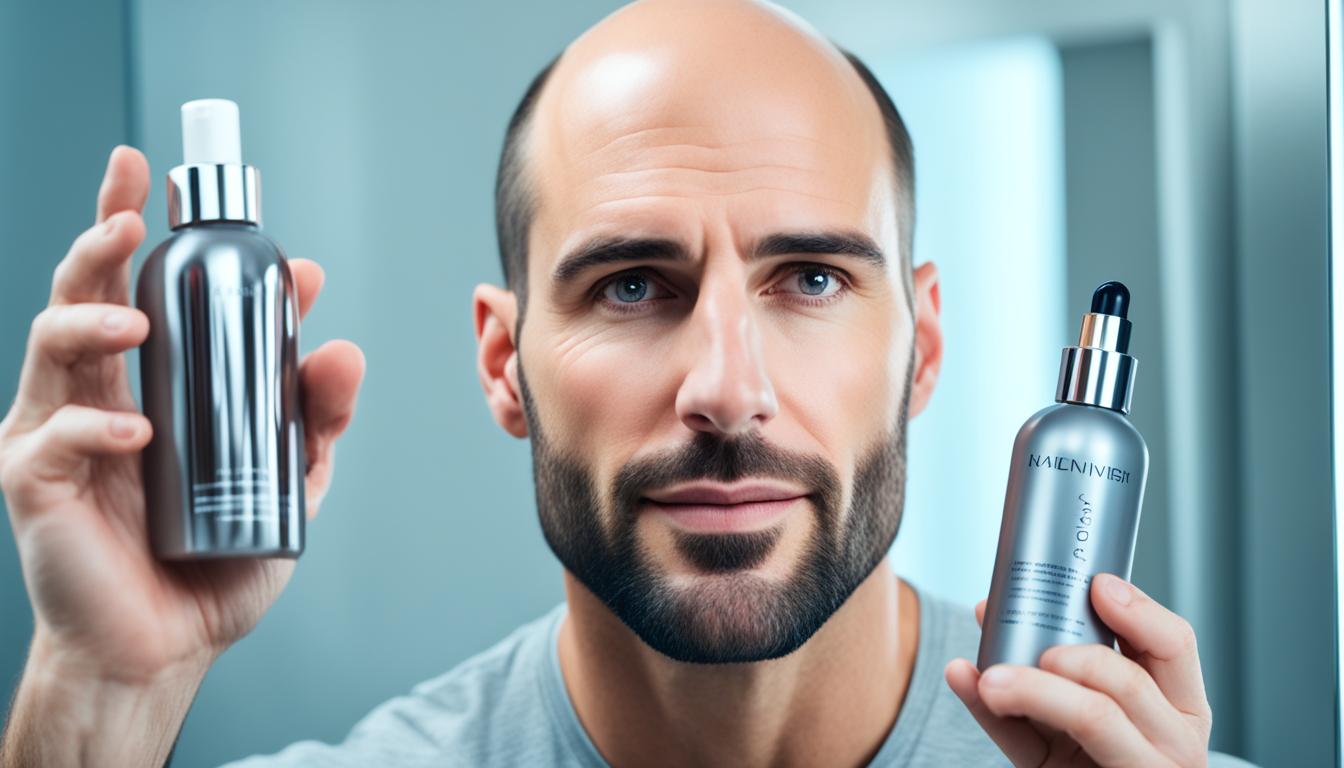
Did you know that male pattern baldness affects up to 50% of men by the age of 50?
In recent years, researchers have made significant progress in finding a cure for male pattern baldness. One such breakthrough involves the use of a tiny RNA particle that has shown remarkable results in reviving hair growth. This treatment has been effective in both young and old mice, raising hopes that it could be a potential solution for humans suffering from baldness.
Male pattern baldness, also known as androgenetic alopecia, is a common condition that leads to hair loss in men. It is caused by a combination of genetic and hormonal factors, and the hair follicles in affected individuals become stiff as they age, making it difficult for hair to grow.
Current treatments for male pattern baldness, such as medications like minoxidil and finasteride, as well as hair restoration surgery, can help slow down or stop hair loss. However, there has been no definitive cure for this condition.
The recent breakthrough in stimulating hair growth in mice using a tiny RNA particle is a significant step forward in the search for a male pattern baldness cure. By softening the hair follicles, this treatment has successfully stimulated hair growth in mice, suggesting that it could hold promise for future treatments in humans.
Key Takeaways:
- Male pattern baldness affects up to 50% of men by the age of 50.
- Researchers have made progress in finding a cure for male pattern baldness using a tiny RNA particle.
- This treatment has shown effectiveness in reviving hair growth in both young and old mice.
- Male pattern baldness is caused by genetic and hormonal factors that lead to stiffening of the hair follicles.
- While current treatments can help slow down hair loss, a definitive cure for male pattern baldness has yet to be discovered.
Understanding Male Pattern Baldness
Male pattern baldness is a common condition that affects many men, leading to hair loss and thinning. It is primarily caused by a combination of genetic and hormonal factors. As men age, their hair follicles undergo changes that make them more susceptible to the effects of dihydrotestosterone (DHT), a hormone derived from testosterone. This hormone causes the hair follicles to shrink and produce thinner, shorter hair strands, eventually leading to baldness.
While male pattern baldness can be distressing for many individuals, it is important to note that there are effective treatments available to slow down or stop hair loss. These treatments aim to target the underlying causes of male pattern baldness and promote healthier hair growth.
Treatments for Male Pattern Baldness
The following are some of the commonly used and effective treatments for male pattern baldness:
- Medications: Minoxidil and finasteride are two FDA-approved medications used to treat male pattern baldness. Minoxidil, available as a topical solution or foam, stimulates hair follicles and promotes hair growth. Finasteride, an oral medication, works by inhibiting the conversion of testosterone into DHT, thereby reducing its harmful effects on hair follicles.
- Hair Restoration Surgery: Hair transplant surgery is a popular option for individuals seeking a long-term solution to male pattern baldness. During the procedure, hair follicles are extracted from areas of the scalp with healthy hair growth and implanted into the balding areas. This helps to restore a fuller, natural-looking head of hair.
- Low-Level Laser Therapy: This non-invasive treatment option uses red light therapy to stimulate hair follicles and promote hair growth. It is typically performed in a clinical setting or with at-home devices.
- Platelet-Rich Plasma (PRP) Therapy: PRP therapy involves injecting a concentration of the patient’s own platelets into the scalp. Platelets contain growth factors that stimulate hair follicles and promote hair growth.
- Nutritional Supplements: Certain vitamins, minerals, and herbal supplements may help support healthy hair growth. These supplements can complement other treatment options and promote overall hair health.
While these treatments can help manage male pattern baldness and improve the appearance of hair, it is important to note that a definitive cure for this condition has not yet been discovered. Ongoing research and advancements in the field of hair restoration offer hope for the future development of more effective treatments and potential cures for male pattern baldness.

By understanding the underlying causes of male pattern baldness and exploring the available treatments, individuals experiencing hair loss can take proactive steps to address their concerns and regain confidence. It is recommended to consult with a qualified healthcare professional or a specialist in hair restoration to determine the most suitable treatment options based on individual needs and preferences.
MicroRNA and Hair Growth
Scientists have made an exciting discovery in the field of hair loss treatment, specifically in relation to regrowing hair naturally. They have found that a specific type of microRNA could hold the key to combating baldness by addressing the root cause of the problem – the stiffness of hair follicles.
As we age, hair follicles naturally become stiffer, resulting in age-related hair loss. This change in the follicles inhibits the production of hair, leading to thinning and baldness. However, researchers have found that by increasing the production of a particular microRNA, it is possible to soften these hair follicles, allowing them to regain the ability to produce hair.
The discovery was made during experiments on mice, both young and old. By boosting the production of the microRNA, researchers were able to stimulate hair growth in these mice, regardless of their age. This breakthrough suggests that the microRNA has the potential to offer a natural remedy for baldness by reversing the effects of aging on hair follicles.
The Role of MicroRNA in Hair Growth
MicroRNAs are small RNA molecules that play a crucial role in regulating gene expression. In the case of hair growth, this specific microRNA acts by softening the stem cells in the hair follicles, allowing them to once again produce hair. By targeting this underlying mechanism, scientists hope to develop effective treatments that promote natural hair regrowth.
“The discovery of the role of microRNA in hair growth opens up exciting possibilities for the development of natural remedies for baldness. By addressing the stiffness of hair follicles, we may be able to help individuals regrow hair and regain their confidence.”
While these findings are promising, further research is still needed to fully understand the potential of microRNA as a treatment for baldness in humans. Scientists are hopeful that this discovery will pave the way for the development of innovative and effective hair growth remedies, providing a more natural alternative to existing treatments.
To summarize, the exciting discovery of the role of microRNA in hair growth offers hope for those struggling with hair loss. By addressing the stiffness of hair follicles through the regulation of this specific RNA molecule, scientists may have uncovered a natural remedy for baldness. However, it is important to remember that more research is needed to determine the efficacy and safety of these potential treatments for human use.
| Benefits of MicroRNA for Hair Growth | Natural Alternatives for Baldness |
|---|---|
| Stimulates hair growth in both young and old individuals | Offers a more natural approach to hair restoration |
| Addresses the root cause of hair loss by targeting hair follicle stiffness | Potential alternative to medications and surgical procedures |
| Opens up possibilities for innovative hair growth treatments | Promotes regrowth of healthy, natural hair |
Conclusion
While a cure for male pattern baldness has yet to be found, recent research has provided promising insights into potential treatments. The discovery of a microRNA that can stimulate hair growth by softening hair follicles offers hope for the future. By increasing the production of this microRNA, researchers were able to stimulate hair growth in both young and old mice, suggesting that it could be a viable solution for treating male pattern baldness in humans.
However, further research is needed to determine the effectiveness and safety of such treatments in humans. Clinical trials and studies will be crucial in assessing the long-term effects and potential side effects of utilizing microRNA to stimulate hair growth. It is essential to ensure that any treatment options developed for male pattern baldness are both effective and safe for individuals.
In the meantime, individuals experiencing hair loss have existing options to manage their condition. Medications such as minoxidil and finasteride can help slow down or stop hair loss, providing temporary relief. Another option is hair restoration surgery, where hair follicles are surgically transplanted to areas with thinning or no hair. These options can provide individuals with male pattern baldness the opportunity to regain confidence and improve their appearance.
While the search for a definitive cure for male pattern baldness continues, it is reassuring to see advancements in research and the potential for innovative treatments. As scientists uncover new insights into the mechanisms behind hair growth and the factors contributing to hair loss, the future looks promising for those seeking effective solutions for male pattern baldness.
FAQ
What is male pattern baldness?
Male pattern baldness is a common condition that results in hair loss in men. It is caused by a combination of genetic and hormonal factors.
What causes male pattern baldness?
Male pattern baldness is primarily caused by genetic and hormonal factors. Hair follicles become stiff as individuals age, making it difficult for hair to grow.
Are there any effective treatments for male pattern baldness?
There are several treatments available for male pattern baldness, including medications such as minoxidil and finasteride, as well as hair restoration surgery. These treatments can help slow down or stop hair loss.
Is there a cure for male pattern baldness?
Currently, there is no known cure for male pattern baldness. However, recent research has provided promising insights and potential future treatments.
Can hair growth be stimulated using microRNA?
Recent research has shown that a specific type of microRNA can help stimulate hair growth by softening hair follicles. This discovery offers hope for the development of new treatments for baldness in the future.
How effective are existing treatments for male pattern baldness?
Existing treatments such as medications and hair restoration surgery can help slow down or stop hair loss. However, the effectiveness may vary depending on the individual and the severity of the condition.
Where can I find more information about hair restoration options?
You can consult with a dermatologist or a hair restoration specialist for more information about the available options for hair restoration, including medications and surgical procedures.
Are there any natural remedies for baldness?
While there are no guaranteed natural remedies for baldness, certain lifestyle changes and home remedies such as maintaining a healthy diet, reducing stress, and using essential oils may help promote hair growth and improve overall hair health.
Source Links
- https://www.healthline.com/health-news/microrna-breakthrough-hair-loss-treatment
- https://www.independent.co.uk/life-style/health-and-families/male-pattern-baldness-cure-treatment-b2142060.html
- https://www.medicalnewstoday.com/articles/baldness-breakthrough-microrna-may-stimulates-growth-in-aging-hair-follicles