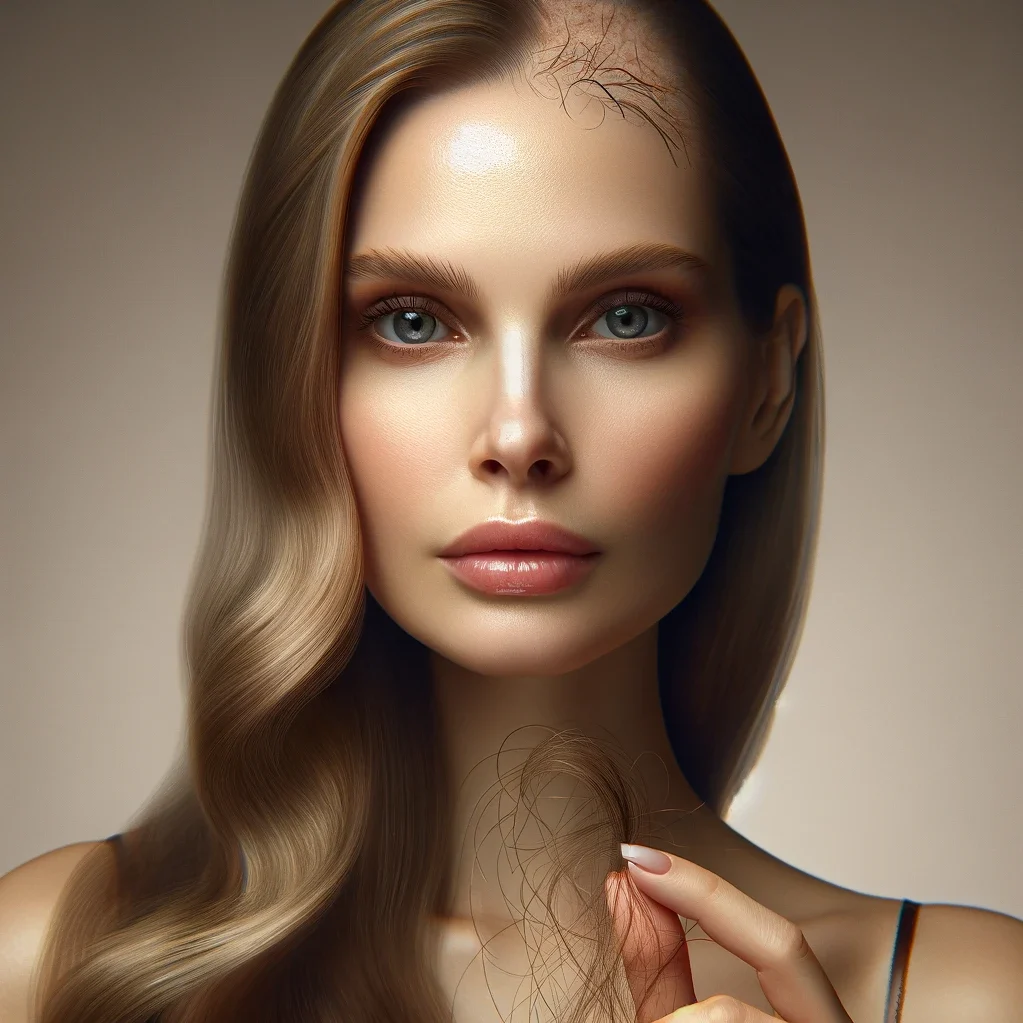

Did you know that the average person loses around 50-100 hairs per day? While some hair shedding is normal, excessive shedding can be a cause for concern. If you’ve been noticing an unusually large amount of hair falling out, you may be experiencing a condition called telogen effluvium. Understanding the causes and treatments for this common scalp disorder is essential for managing excessive shedding and promoting healthy hair growth.
Telogen effluvium is characterized by an increased amount of hair shedding, which can result in noticeable hair thinning or even bald patches. It is caused by disruptions in the normal hair growth cycle, specifically the telogen phase, where the hair follicles transition into a resting state before shedding. This disruption can be triggered by various factors, including:
- Physiological stress
- Emotional stress
- Certain medications or drugs
- Underlying medical conditions
- Dietary triggers
- Exposure to ultraviolet light
Fortunately, telogen effluvium is often a temporary condition, and with the right management and treatment, hair growth can be restored. In this article, we’ll explore the causes and symptoms of telogen effluvium and discuss effective strategies for treating and managing excessive shedding.
Key Takeaways:
- Telogen effluvium is a common scalp disorder characterized by excessive hair shedding.
- Causes of telogen effluvium include physiological and emotional stress, certain medications, medical conditions, dietary triggers, and exposure to ultraviolet light.
- Treatment options for telogen effluvium range from identifying and addressing underlying causes to using medications and promoting hair growth.
- Consult a medical professional for a proper diagnosis and personalized treatment plan.
- Implementing dietary changes, reducing stress levels, and considering nonsurgical treatments can help manage telogen effluvium effectively.
Understanding Telogen Effluvium: Causes and Symptoms
Telogen effluvium is a common condition characterized by excessive shedding of hair. It can occur due to a variety of factors, including:
- Physiological stress
- Emotional stress
- Certain medications and drugs
- Medical conditions
- Dietary triggers
- Exposure to ultraviolet light
In telogen effluvium, there is an increase in hair shedding, which can lead to noticeable hair loss. The condition can present as either acute or chronic telogen effluvium. Acute telogen effluvium lasts for less than six months, while chronic telogen effluvium persists for longer periods.
“Telogen effluvium is a common cause of hair shedding and can be triggered by various factors. Understanding the causes and symptoms of telogen effluvium is crucial for its management and treatment.”
Identifying the underlying cause of telogen effluvium is essential in effectively managing the condition. Medical professionals may recommend tests such as the hair wash test, trichogram, phototrichogram, or scalp biopsy to diagnose telogen effluvium. Once the cause is determined, appropriate steps can be taken to address it and promote hair regrowth.
Now, let’s take a closer look at the different causes of telogen effluvium:
| Cause | Description |
|---|---|
| Physiological Stress | High fevers, surgeries, or significant weight loss |
| Emotional Stress | Psychological distress, anxiety, or grief |
| Drugs | Certain medications, including beta blockers and anticoagulants |
| Medical Conditions | Thyroid disorders, autoimmune diseases, and hormonal imbalances |
| Dietary Triggers | Deficiencies in iron, zinc, or protein |
| Ultraviolet Light | Excessive exposure to the sun or tanning beds |
To gain a better understanding of the causes of telogen effluvium, medical evaluation and consultation with a healthcare professional are recommended.

Treating Telogen Effluvium: Management and Recovery
The treatment of telogen effluvium involves addressing the underlying cause and promoting hair growth. There are several approaches to managing excessive shedding and encouraging hair regrowth. Here are some strategies that can help:
Dietary Changes:
Ensuring a well-balanced diet is crucial for healthy hair growth. Focus on incorporating foods rich in protein and iron, as these nutrients are essential for strong and vibrant hair. Good sources of protein include lean meats, fish, eggs, and legumes. Iron-rich foods include leafy green vegetables, nuts, and seeds.
Additionally, consider adding supplements to your diet to support hair health. Consult with a healthcare professional to determine the appropriate supplements for your specific needs.
Nonsurgical Hair Replacement:
In cases where hair thinning is significant, nonsurgical hair replacement options can provide a natural-looking solution. These options include hairpieces, wigs, and hair extensions that seamlessly blend with your existing hair. Consult with a reputable hair specialist to explore the available options and find the best fit for you.
Hormone Replacement Therapy:
Hormone replacement therapy (HRT) is an option for individuals experiencing telogen effluvium due to hormonal imbalances, particularly menopausal women. HRT helps restore hormonal levels, potentially reducing hair shedding and stimulating regrowth. Discuss the benefits and risks of HRT with a healthcare provider to determine if it is suitable for you.
Counseling Support:
Managing stress and anxiety plays a crucial role in telogen effluvium management and recovery. Seeking counseling support can help you develop coping strategies and techniques to alleviate emotional stress, which may contribute to excessive hair shedding. Consider talking to a therapist or joining support groups to gain valuable insights and guidance.
Remember, the key to treating telogen effluvium is addressing the root cause while facilitating hair growth. By combining dietary changes, nonsurgical hair replacement, hormone replacement therapy if necessary, and counseling support, you can effectively manage telogen effluvium and restore the health and vitality of your hair.
| Treatment Options | Pros | Cons |
|---|---|---|
| Dietary Changes | – Promotes overall health – Provides essential nutrients for hair growth |
– Results may take time – Requires consistent commitment |
| Nonsurgical Hair Replacement | – Natural-looking results – Immediate solution |
– Requires maintenance – Potential cost |
| Hormone Replacement Therapy | – Balances hormonal levels – May promote hair regrowth |
– Potential side effects – Requires medical supervision |
| Counseling Support | – Helps manage stress and anxiety – Provides emotional support |
– May require ongoing sessions – Individual results may vary |
Conclusion
Telogen effluvium is a common cause of excessive hair shedding that can be triggered by various factors. Understanding the causes and symptoms of telogen effluvium is crucial for effective management and treatment. By identifying and addressing the underlying causes, making dietary changes, and considering appropriate treatments, individuals with telogen effluvium can promote hair regrowth and minimize the impact of excessive shedding.
To effectively manage telogen effluvium, it is important to seek medical advice for a proper diagnosis and personalized treatment plan. This will help determine the underlying factors contributing to the condition and create an individualized approach to treatment.
In addition to medical advice, implementing dietary changes can support hair regrowth. Ensuring a diet that includes sufficient protein and iron can promote hair health and recovery. Consideration of suitable treatments, such as nonsurgical hair replacement or hormone replacement therapy for menopausal individuals, can also be beneficial in managing telogen effluvium.
Overall, addressing the causes and symptoms of telogen effluvium is essential for managing the condition and promoting hair regrowth. By working closely with healthcare professionals and making necessary lifestyle adjustments, individuals can minimize the impact of excessive shedding and embark on a journey towards healthier hair.
FAQ
What is telogen effluvium?
Telogen effluvium is a common scalp disorder characterized by excessive shedding of hair.
What are the causes of telogen effluvium?
Telogen effluvium can be caused by various factors including physiological stress, emotional stress, certain drugs, medical conditions, dietary triggers, and exposure to ultraviolet light.
How is telogen effluvium diagnosed?
Diagnostic tests for telogen effluvium include the hair wash test, trichogram, phototrichogram, and scalp biopsy.
How long does telogen effluvium last?
Telogen effluvium can present as acute (lasting less than six months) or chronic (persisting for longer periods).
What are the treatment options for telogen effluvium?
Treatment options for telogen effluvium range from identifying and removing causative factors to using medications like corticosteroids and minoxidil.
How can telogen effluvium be managed?
Managing telogen effluvium involves addressing the underlying cause, promoting hair growth, and making dietary changes to include sufficient protein and iron.
What are the possible treatments for telogen effluvium?
Treatment options for telogen effluvium may include nutritional deficiencies through diet, nonsurgical hair replacement, hormone replacement therapy for menopausal individuals, and seeking counseling support for managing stress and anxiety.