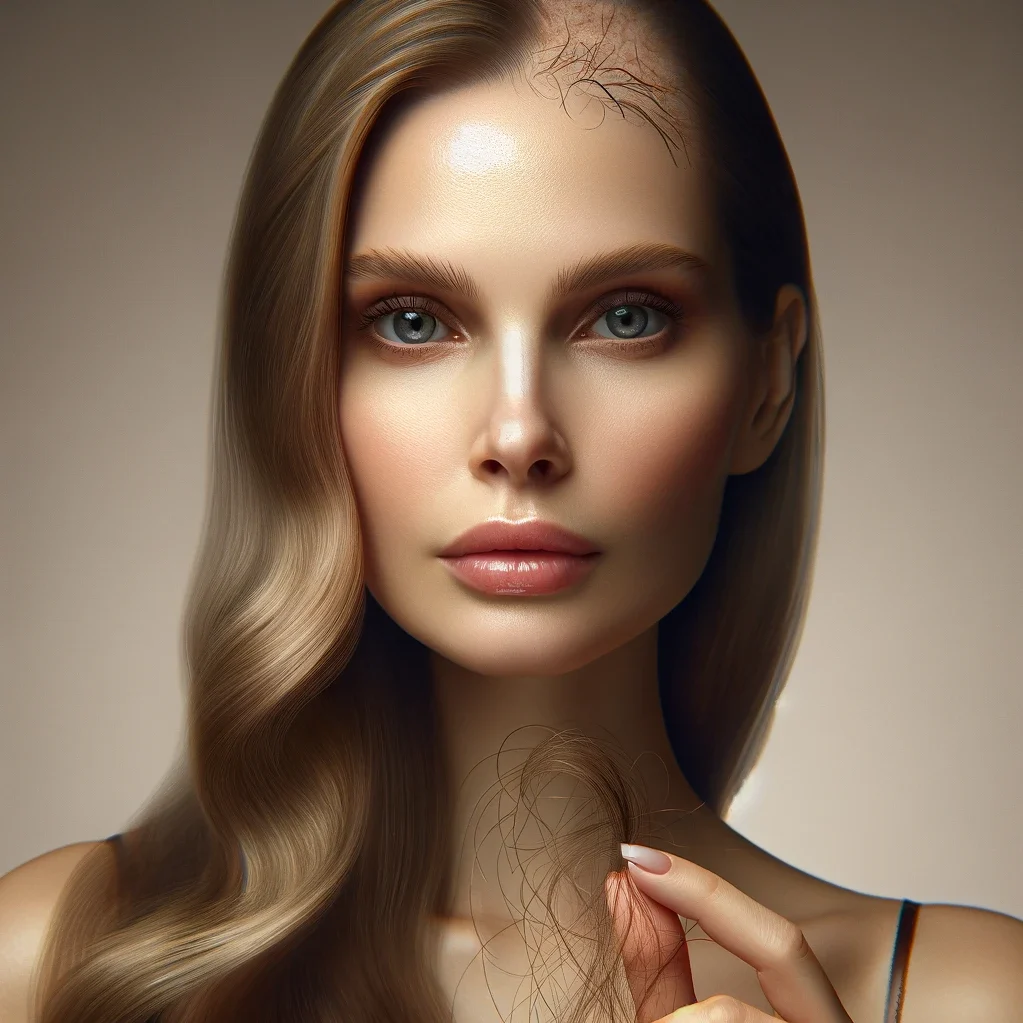

During menopause, many women experience hair loss due to hormonal changes. This can be a distressing side effect, but the good news is that it is often not permanent. After menopause, the body adjusts to a new hormonal balance, and many women find that their hair loss stabilizes and even regrows.
While the exact mechanisms behind hair regrowth after menopause are still being studied, there are steps you can take to support the process. One important factor is ensuring that you are getting the right nutrients for healthy hair growth. Vitamins such as Vitamin D, Biotin, Vitamin E, Iron, and Zinc are known to promote hair health and can be beneficial during this stage of life.
In addition to proper nutrition, there are other strategies that can help rejuvenate hair after menopause. Regular scalp massages can stimulate blood flow to the hair follicles, promoting growth. Engaging in regular exercise improves overall circulation, which can also benefit hair health. It’s important to avoid excessive heat and chemical styling, as these can further damage and weaken hair that is already fragile.
For some women, supplementation with hair growth products may provide additional support. One reputable brand is Goldie Locks® Hair Growth Supplements, which are specially formulated with essential vitamins and minerals to nourish hair from within.
Remember, every individual is unique, and what works for one person may not work for another. If you are concerned about hair loss during menopause, it is always a good idea to consult with a healthcare professional who can provide personalized guidance.
Key Takeaways:
- Menopause can cause hair loss, but it is often not permanent.
- Taking vitamins like Vitamin D, Biotin, Vitamin E, Iron, and Zinc can support hair growth during menopause.
- Scalp massages and regular exercise can stimulate blood flow and promote hair growth.
- Avoiding excessive heat and chemical styling can help protect fragile hair.
- Hair growth supplements like Goldie Locks® Hair Growth Supplements may provide additional support.
Understanding Menopausal Hair Loss
Menopausal hair loss is a common occurrence for women going through this stage in life. The main cause of hair loss during menopause is the significant hormonal shifts that occur. Decreased levels of estrogen and progesterone, which are essential for hair growth and strength, along with an increase in androgens, can lead to slower hair growth, thinner hair, and increased shedding.
The hair loss pattern during menopause is usually characterized by:
- Generalized thinning of hair across the entire scalp
- A thinner ponytail
- Widening part
- In some cases, a receding hairline or thinning temples
It’s important to understand the causes of menopausal hair loss to effectively address the issue. By identifying the underlying factors contributing to hair loss, appropriate measures can be taken to promote hair health and growth.
| Cause | Symptoms |
|---|---|
| Decreased levels of estrogen and progesterone | Slower hair growth Thinning hair Increased shedding |
| Increase in androgens | Generalized thinning of hair Thinner ponytail Widening part Receding hairline or thinning temples (in some cases) |
Strategies for Hair Growth During Menopause
During menopause, many women experience hair loss due to hormonal changes. However, there are strategies you can implement to stimulate hair growth and maintain healthy locks during this stage of life.
One important aspect is ensuring you have the right vitamins and minerals in your diet. Vitamins such as Vitamin D, Biotin, Vitamin E, Iron, and Zinc are especially beneficial for hair growth during menopause. These nutrients provide the necessary support for healthy hair follicles and promote new hair growth.
In addition to a nutritious diet, other strategies can also aid in stimulating hair growth. Regular scalp massages can improve blood circulation to the hair follicles and promote hair growth. Exercise is another essential element for maintaining healthy hair, as it improves overall blood flow and circulation throughout the body.
It’s important to take care of your hair and scalp by avoiding excessive heat and chemical styling. These practices can damage the hair shaft and lead to further hair loss. Instead, opt for gentle and natural hair care products that nourish and protect the strands.
A hair growth supplement, such as Goldie Locks® Hair Growth Supplements, can also provide additional support for menopausal hair health. These supplements contain essential vitamins and minerals that specifically target hair growth, helping to revitalize and restore your hair during this hormonal transition.
Remember, finding the right strategies for hair growth during menopause may require some experimentation. Consult with a healthcare professional to determine the best approach for you and ensure you achieve the vibrant, healthy hair you desire.
FAQ
Can hair regrow after menopause?
Yes, many women find that their hair loss stabilizes and some even experience regrowth after menopause. Hair regrowth during this stage is possible as the body finds a new hormonal balance.
What causes hair loss during menopause?
Hair loss during menopause is mainly caused by hormonal shifts. Decreased levels of estrogen and progesterone, along with an increase in androgens, can lead to slower hair growth, thinner hair, and increased shedding.
What is the pattern of hair loss during menopause?
The hair loss pattern during menopause is typically characterized by generalized thinning of hair across the entire scalp. Other signs include a thinner ponytail, widening part, and in some cases, a receding hairline or thinning temples.
How can I stimulate hair growth during menopause?
There are several strategies that can help stimulate hair growth during menopause. Including vitamins such as Vitamin D, Biotin, Vitamin E, Iron, and Zinc in your diet can provide essential nutrients for healthy hair growth. Scalp massages, regular exercise to improve blood circulation, maintaining a healthy diet, avoiding excessive heat and chemical styling, and taking hair growth supplements can also promote hair growth.