
Dealing with an itchy scalp and thinning hair can be a frustrating experience for many women. These conditions can impact self-confidence and overall well-being. They may also indicate underlying health issues that require attention. In this article, we will explore the causes of itchy scalp and hair loss in women, as well as effective remedies and treatments available.
Key Takeaways:
- Itchy scalp and thinning hair are common issues among women.
- The causes of these conditions can range from fungal infections to hereditary factors.
- Seeking appropriate treatment and addressing the underlying cause is crucial for scalp health and hair regrowth.
- Treatment options may include medications, lifestyle changes, and targeted hair care products.
- Consulting a healthcare professional is recommended for personalized advice and guidance.
Common Causes of Itchy Scalp and Hair Loss in Women
There are several common causes of itchy scalp and hair loss in women. One of the main causes is female pattern baldness, a hereditary condition that leads to gradual hair thinning. This condition is linked to hormonal changes and aging, and it affects millions of women worldwide.
In addition to female pattern baldness, there are other factors that can contribute to scalp itchiness and hair loss. These include:
- Fungal infections: Conditions like scalp ringworm can cause both itching and hair loss. Fungal infections can be transmitted through contact with contaminated surfaces or items like combs, hats, or pillowcases.
- Allergic reactions to hair products: Some women may experience itchiness and hair loss due to an allergic reaction to certain hair care ingredients, such as sulfates, fragrances, or preservatives. It’s important to be aware of any sensitivities and choose products that are hypoallergenic and suitable for your hair type.
- Folliculitis: This condition occurs when hair follicles become inflamed, leading to itching, bumps, and hair loss. It can be caused by bacterial or fungal infections, as well as other factors like shaving or wearing tight hairstyles.
- Lichen planopilaris: This is a rare inflammatory condition that affects the scalp and can cause redness, itchiness, and hair loss. It is thought to be an autoimmune disorder, although the exact cause is still unknown.
Identifying the specific cause of your itchy scalp and hair loss is crucial in determining the most effective treatment approach. If you’re experiencing these symptoms, it’s recommended to consult with a dermatologist or trichologist who can provide a thorough evaluation and diagnosis.
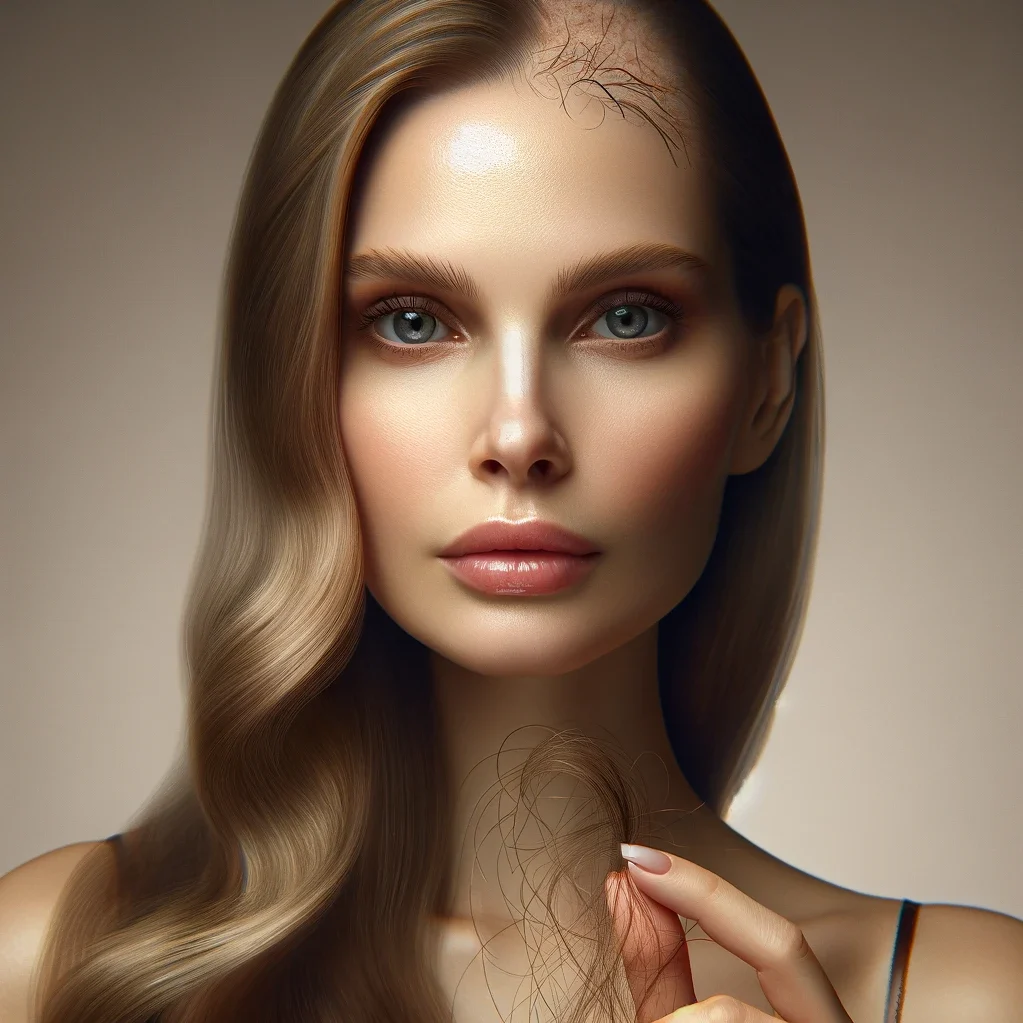
Image: An image illustrating the topic of itchy scalp and hair loss in women.
Treating Itchy Scalp and Thinning Hair in Women
Treating itchy scalp and thinning hair in women requires addressing the underlying cause of the issue. By identifying the specific factors contributing to these conditions, appropriate treatment plans can be developed to alleviate symptoms and promote scalp health and hair regrowth.
For fungal infections like scalp ringworm, antifungal creams or medications may be prescribed. These treatments effectively target the underlying fungal infection, reducing itchiness and promoting the restoration of hair follicles.
Allergic reactions to hair products can also contribute to scalp itchiness and hair loss. By identifying and avoiding the specific triggers, such as certain ingredients or chemicals, women can manage their symptoms effectively. Choosing alternative hair products that are hypoallergenic and specifically formulated for sensitive scalps can also be beneficial.
In cases of female pattern baldness, treatment options may include immunotherapy and steroid medications. These interventions aim to slow down hair loss and promote hair regrowth. Consulting with a dermatologist or a healthcare professional can help determine the most suitable treatment approach based on individual needs and preferences.
There are also various topical treatments available to soothe an itchy scalp and encourage hair regrowth. Medicated shampoos containing ingredients like ketoconazole or ciclopirox can effectively treat scalp conditions causing itching and inflammation. Topical ointments or lotions, such as corticosteroids or minoxidil, may also be recommended to improve scalp health and stimulate hair growth.
Additionally, natural remedies like essential oils can provide relief for itchy scalp and promote hair regrowth. Tea tree oil, lavender oil, and rosemary oil are known for their soothing properties and can be diluted and applied to the scalp to alleviate itchiness.
A comprehensive approach to treating itchy scalp and thinning hair in women goes beyond medical interventions. Adopting a healthy lifestyle that includes a balanced diet, regular exercise, and stress management can significantly contribute to overall scalp health and hair growth. Proper hair care practices, such as gentle scalp massage, avoiding excessive heat styling, and using gentle hair accessories, can also help prevent further damage and promote healthier hair.

Conclusion
Dealing with an itchy scalp and thinning hair can be a challenging experience for women, but there are effective treatments available. By understanding the underlying causes, such as fungal infections, allergic reactions, and hereditary factors, you can find the right solution to address your specific needs.
Seeking medical advice is crucial in exploring different treatment options for itchy scalp and hair loss. Antifungal medications, anti-dandruff shampoos, and topical ointments are commonly recommended. These remedies can provide relief and promote healthier hair growth.
In addition to medical interventions, maintaining a healthy lifestyle, practicing good hair hygiene, and using targeted products can help alleviate scalp itchiness and support optimal hair health. Remember, everyone’s situation is unique, so consult with a healthcare professional for personalized advice and female hair loss treatment options.
FAQ
What are some common causes of itchy scalp and hair loss in women?
Common causes include female pattern baldness, fungal infections like scalp ringworm, allergic reactions to hair products, and conditions like folliculitis and lichen planopilaris.
How can itchy scalp and thinning hair in women be treated?
Treatment involves addressing the underlying cause. This may include antifungal creams or medications for fungal infections, avoiding triggers for allergic reactions, and using treatments like immunotherapy and steroids for female pattern baldness.
Are there any home remedies for itchy scalp and thinning hair in women?
While home remedies may provide temporary relief, it is important to address the underlying cause. However, some options include using medicated shampoos, topical ointments, and essential oils as part of a comprehensive treatment approach.
Can lifestyle changes help soothe an itchy scalp and promote hair regrowth?
Yes, maintaining a healthy lifestyle can contribute to scalp health and hair regrowth. This includes practicing good hair hygiene, using targeted hair care products, and managing stress levels.
Is it necessary to consult a healthcare professional for itchy scalp and thinning hair?
Yes, it is recommended to seek medical advice to identify the specific cause and determine the most effective treatment approach for itchy scalp and thinning hair in women. A healthcare professional can provide personalized advice based on the individual’s unique needs.