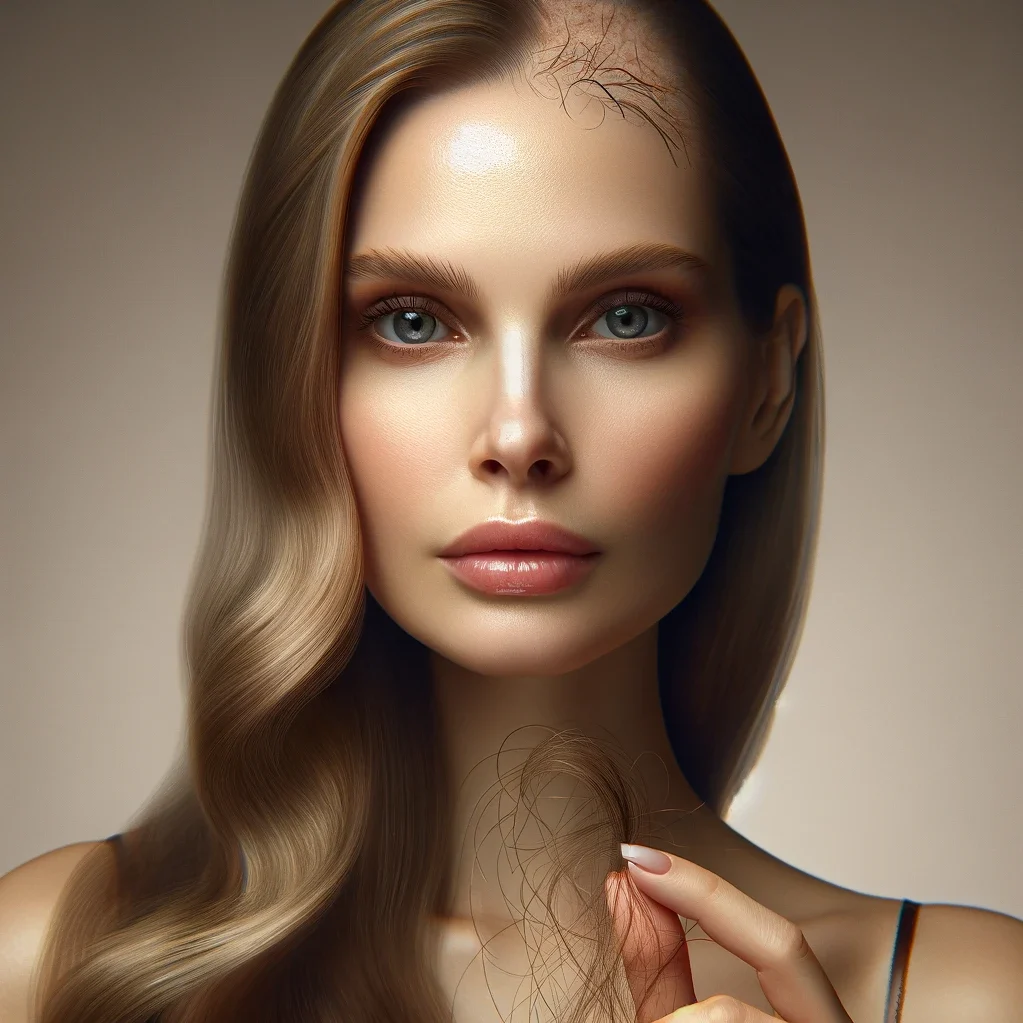
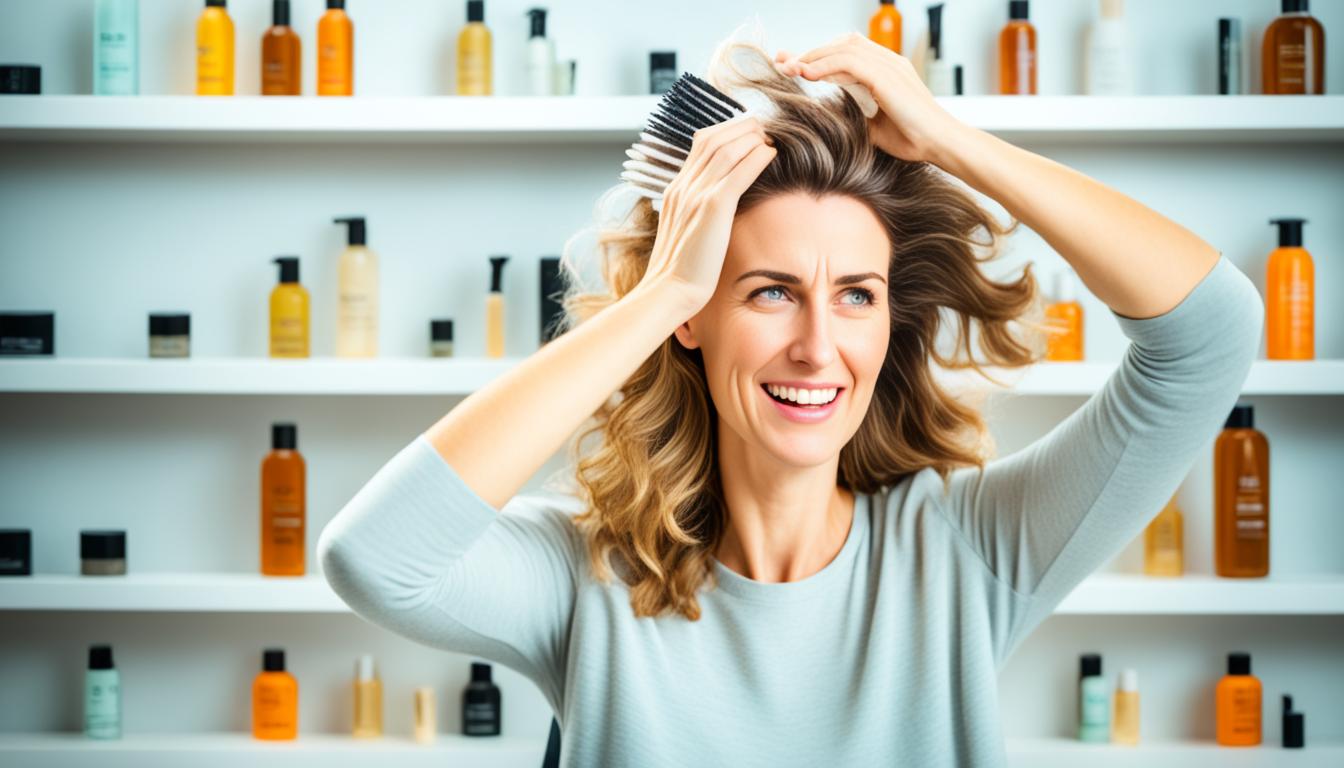
People can often experience both an itchy scalp and hair loss, which suggests that these health issues may have a common cause or that one may cause the other. In this section, we will discuss the common causes of scalp itching and hair loss in women, as well as effective strategies to manage and care for these conditions.
The causes of itchy scalp and hair loss in women can vary and include fungal infections, allergic reactions to hair products, inflammation of the hair follicles, autoimmune conditions, and skin conditions like psoriasis and dandruff. It is important to seek proper diagnosis and treatment from a healthcare professional to address these issues and prevent further hair loss or scalp damage.
Additionally, we will explore natural remedies and at-home treatments that can help alleviate scalp itchiness and promote hair growth, providing you with practical solutions to manage both the symptoms and underlying causes of itchy scalp and hair loss in women.
Key Takeaways:
- Fungal infections, allergic reactions to hair products, inflammation of the hair follicles, autoimmune conditions, and skin conditions like psoriasis and dandruff can cause itchy scalp and hair loss in women.
- Proper diagnosis and treatment from a healthcare professional are crucial to address these issues and prevent further damage.
- Natural remedies and at-home treatments can help alleviate scalp itchiness and promote hair growth.
- Consult with a healthcare professional to determine the best course of treatment for managing itchy scalp and hair loss in women.
Common Causes of Itchy Scalp and Hair Loss in Women
There are several common causes of itchy scalp and hair loss in women. Identifying these causes is crucial for providing effective treatment and managing these conditions. Let’s take a closer look at each of these causes:
Fungal Infections:
Fungal infections, such as scalp ringworm, can weaken hair follicles and lead to hair loss. This condition is contagious and can cause intense itching, redness, and scaling of the scalp. Prompt treatment is necessary to prevent further damage and hair loss. Medications or antifungal shampoos prescribed by a healthcare professional are usually recommended.
Allergic Reactions to Hair Products:
Some women may experience scalp itchiness and hair loss due to allergic reactions to hair products. Ingredients in shampoos, conditioners, hair dyes, and styling products can cause irritation and inflammation. Switching to hypoallergenic or fragrance-free alternatives can help alleviate symptoms. It’s important to read product labels carefully and avoid known allergens.
Inflammation of Hair Follicles (Folliculitis):
Inflammation of the hair follicles, known as folliculitis, can cause scalp itchiness and temporary hair loss. This condition can be triggered by bacterial or fungal infections, or even through irritation from sweat, oils, or hair products. Gentle cleansing with antibacterial or antifungal shampoos, avoiding tight hairstyles, and maintaining good scalp hygiene can help manage folliculitis.
Autoimmune Conditions:
Some autoimmune conditions, like alopecia areata, can lead to hair loss and scalp itchiness. In these conditions, the immune system mistakenly attacks the hair follicles, resulting in hair loss in small patches or all over the scalp. Treatment for autoimmune conditions may involve corticosteroids, immunotherapy, or other medications prescribed by a healthcare professional.
Skin Conditions:
Scalp conditions such as psoriasis and dandruff can contribute to scalp itchiness and hair loss in women. Psoriasis is a chronic autoimmune condition that results in the rapid buildup of skin cells, leading to red, scaly patches on the scalp. Dandruff, on the other hand, is a common condition characterized by flaky and itchy scalp. Both conditions can be managed with medicated shampoos or topical treatments recommended by a healthcare professional.
Identifying the underlying cause of scalp itchiness and hair loss is essential in order to provide appropriate treatment and effectively manage these conditions. Consulting a healthcare professional or dermatologist can help determine the best course of action for each individual case. By addressing the root cause and using targeted treatments, women can find relief from scalp itchiness and promote hair regrowth.
Managing Itchy Scalp and Hair Loss in Women
When it comes to managing itchy scalp and hair loss in women, it is crucial to address the underlying causes and implement effective treatment strategies. One common approach is to use medicated shampoos or topical treatments that target fungal infections or skin conditions like psoriasis or dandruff. These products can help alleviate itchiness and promote a healthy scalp environment, which is essential for hair growth.
Another important consideration is the role of hair products. Allergic reactions to certain shampoos, conditioners, or hair dyes can contribute to scalp itchiness and hair loss. To manage this, it is recommended to avoid products that trigger such reactions and instead opt for hypoallergenic alternatives. This simple switch can make a significant difference in alleviating symptoms and supporting a healthy scalp.
In cases where itchy scalp and hair loss are caused by autoimmune conditions, seeking medical treatments is crucial. Treatment options may include immunotherapy or corticosteroids, which can help manage the underlying condition and minimize hair loss. Consulting with a healthcare professional is essential to determine the appropriate course of action and ensure personalized care.
In addition to medical treatments, natural remedies can also play a role in managing itchy scalp and hair loss in women. Essential oils, such as lavender or rosemary oil, have been touted for their soothing properties and potential to promote hair growth. Additionally, maintaining a healthy diet rich in essential nutrients, such as vitamins A, B, C, and E, can improve overall scalp health and support hair growth. Regular scalp massages can also enhance blood circulation and stimulate hair follicles, further aiding in managing these issues.
By taking a comprehensive approach that combines medical treatments, natural remedies, and healthy lifestyle choices, women can effectively manage itchy scalps and hair loss. Remember, it is essential to consult with a healthcare professional to determine the best course of treatment for individual cases and achieve the desired results.
FAQ
What are the common causes of itchy scalp and hair loss in women?
The common causes of itchy scalp and hair loss in women include fungal infections, allergic reactions to hair products, inflammation of the hair follicles, autoimmune conditions, and skin conditions like psoriasis and dandruff.
How can I manage itchy scalp and hair loss in women?
Managing itchy scalp and hair loss in women involves addressing the underlying causes and implementing appropriate treatment strategies. This may include using medicated shampoos or topical treatments, avoiding triggering hair products, and considering medical treatments for autoimmune conditions. Natural remedies like essential oils and a healthy diet can also help alleviate itchiness and promote hair growth.
When should I seek professional help for my itchy scalp and hair loss?
It is important to seek proper diagnosis and treatment from a healthcare professional if you are experiencing persistent scalp itchiness and hair loss. They can help identify the underlying cause of your symptoms and recommend the most effective treatment options to manage your condition.
Can fungal infections cause hair loss and itchiness on the scalp?
Yes, fungal infections like scalp ringworm can weaken hair follicles and cause both hair loss and scalp itchiness. If you suspect a fungal infection, it is important to see a healthcare professional for diagnosis and treatment.
How can I determine if my itchy scalp and hair loss are caused by an allergic reaction to a hair product?
If you suspect that an allergic reaction to a hair product is causing your scalp itchiness and hair loss, try avoiding the product for a period of time to see if your symptoms improve. You can also consult with a dermatologist who can perform patch testing to identify specific allergens.
Are there any natural remedies I can try to alleviate my itchy scalp and promote hair growth?
Yes, there are natural remedies that may help alleviate scalp itchiness and promote hair growth. These include using essential oils like lavender or rosemary, maintaining a healthy diet rich in essential nutrients such as vitamins A, C, and E, and massaging the scalp regularly to stimulate blood flow. However, it is important to note that these remedies may not work for everyone, and it’s always best to consult with a healthcare professional for personalized advice.