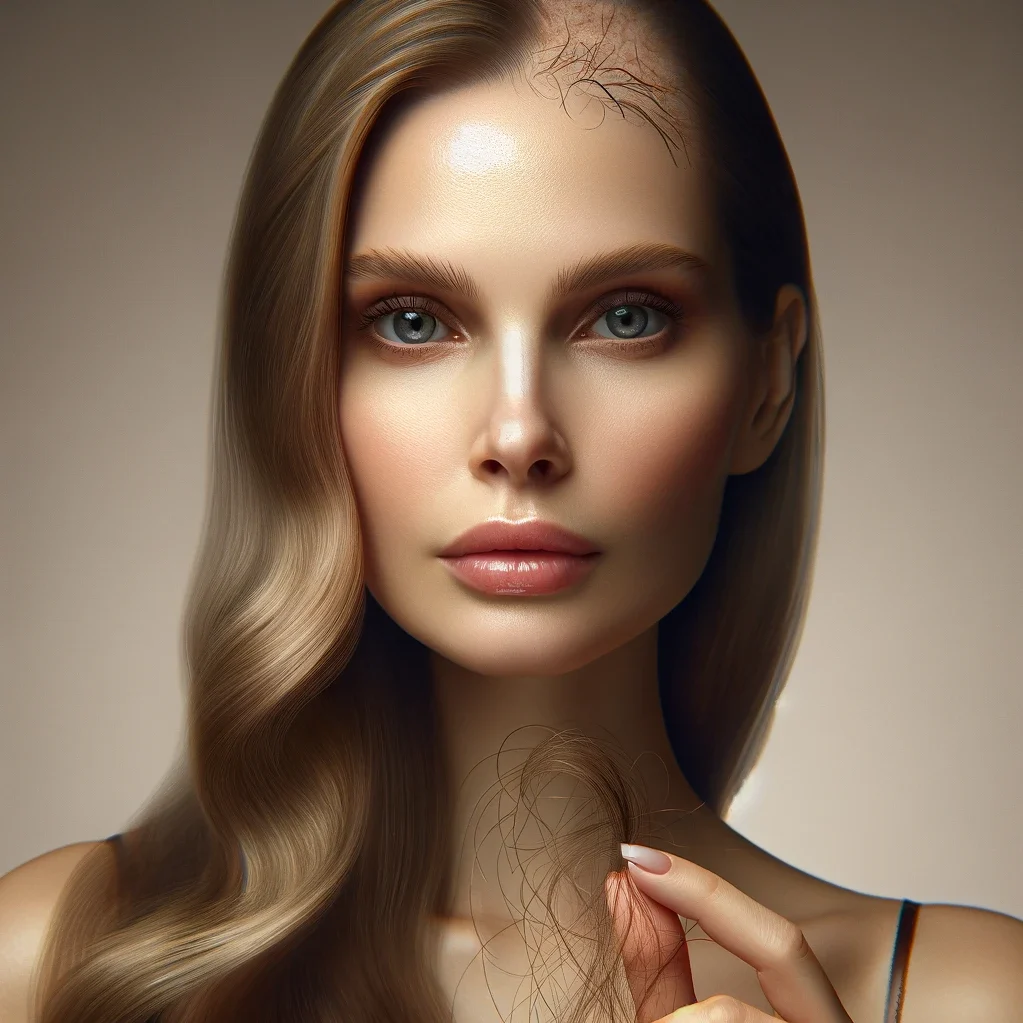

Postpartum hair loss, also known as hair loss after pregnancy, is a common occurrence in women. It typically occurs in the six months following childbirth, during which there may be a sudden shedding of hair in clumps. The main cause of postpartum hair loss is the drop in pregnancy hormones after giving birth. These hormones prevent normal hair loss during pregnancy, resulting in thicker hair. However, once the hormones return to normal levels, the extra hairs that were retained start to fall out.
Key Takeaways
- Postpartum hair loss is a common occurrence in women after pregnancy.
- Hormonal changes and the return to normal hormone levels after pregnancy are the main causes of postpartum hair loss.
- Postpartum hair loss is temporary and usually resolves on its own within a year.
- Styling your hair differently and taking care of your hair can help manage postpartum hair loss.
- If you have concerns or the hair loss persists, it’s recommended to seek advice from a healthcare professional.
Understanding Postpartum Hair Loss
Postpartum hair loss is a normal part of the hair growth cycle and is experienced by many women after pregnancy. During pregnancy, hormones prevent hair loss, resulting in thicker hair. However, after childbirth, hormonal changes cause the hair follicles to enter a resting phase, leading to increased shedding of hair.
The exact causes of postpartum hair loss are hormonal fluctuations and the return to normal hormone levels after pregnancy. Thyroid disorders, such as postpartum thyroiditis, can also contribute to hair loss.
It’s important to understand that postpartum hair shedding and hair loss are temporary conditions that usually resolve on their own over time. While it can be distressing to see increased hair fall, it’s important to know that this is a natural process and not a cause for alarm.
Hormonal Fluctuations
During pregnancy, the elevated levels of estrogen hormone prolong the hair growth phase, resulting in thicker and healthier-looking hair. This hormonal boost effectively slows down the normal hair shedding process that occurs on a daily basis. However, after giving birth, the estrogen levels drop dramatically, causing the hair follicles to undergo a resting phase. As a result, the accumulated hairs that were in the growth phase during pregnancy enter the shedding phase simultaneously, leading to an increased amount of hair fall.
Return to Normal Hormone Levels
Once the hormone levels return to their pre-pregnancy state, the hair follicles resume their regular growth cycle. This transition can trigger a significant amount of hair shedding, which may last for several months. However, it’s important to note that the hair loss is temporary, and the hair follicles will eventually start producing new hair.
Thyroid Disorders
Thyroid disorders, specifically postpartum thyroiditis, can also contribute to postpartum hair loss. Postpartum thyroiditis is an autoimmune condition that affects the thyroid gland and commonly occurs within the first year after childbirth. Fluctuations in thyroid hormone levels can disrupt the normal hair growth cycle, leading to increased hair shedding.
Coping with Postpartum Hair Loss
Coping with postpartum hair loss can be challenging, but there are strategies to help manage it. It’s important to remember that hair loss is temporary and will usually resolve on its own within a year. In the meantime, there are steps you can take to minimize the impact and prevent further hair loss.
One way to cope with postpartum hair loss is by styling your hair differently. Opting for shorter hairstyles can help disguise the hair loss and make it less noticeable. Consider consulting with a professional stylist who can suggest suitable haircuts and styles that work well with your hair type and face shape.
Taking good care of your hair is another crucial aspect of coping with postpartum hair loss and preventing further damage. Be gentle while washing and brushing your hair, as excessive pulling or tugging can contribute to hair breakage. Choose gentle hair products specifically formulated for postpartum hair, as they are often designed to nourish and strengthen the hair follicles. Avoid overusing heat styling tools, as excessive heat can weaken the hair shaft and lead to further hair loss.
Along with proper care, minimizing tension on the hair is essential for preventing postpartum hair loss. Avoid hairstyles that pull tightly on the scalp, such as tight ponytails, braids, or buns, as these can cause traction alopecia and exacerbate hair loss. Instead, opt for looser hairstyles that distribute the tension evenly.
Additionally, incorporating a healthy diet and lifestyle habits can contribute to preventing postpartum hair loss. Make sure you’re eating a well-balanced diet rich in vitamins, minerals, and proteins that promote hair health. Stay hydrated, get regular exercise, and manage stress levels as best as you can, as these factors can also impact the health of your hair.
Remember, coping with postpartum hair loss requires patience and understanding. It’s a natural part of the post-pregnancy journey, and with time, most women experience regrowth and a return to their pre-pregnancy hair density. If you have concerns or the hair loss persists, do not hesitate to seek advice from a healthcare professional or a dermatologist specializing in hair health.
Conclusion
Postpartum hair loss is a common and temporary condition experienced by many women after giving birth. It occurs due to hormonal changes and the return to normal hormone levels after pregnancy. While there is no guaranteed way to prevent postpartum hair loss, taking care of your hair and maintaining a healthy lifestyle can support postpartum hair regrowth.
During this time, it’s important to be patient as postpartum hair loss usually resolves on its own within a year. Remember, your body has been through a lot during pregnancy and childbirth, and it takes time for it to readjust. By maintaining a healthy diet, managing stress levels, and avoiding excessive heat styling or chemical treatments, you can promote hair regrowth.
If you have concerns or the hair loss persists beyond a year, it’s recommended to seek advice from a healthcare professional. They can evaluate your specific situation and provide personalized recommendations. Remember, you are not alone in experiencing postpartum hair loss, and support is available.
FAQ
What is postpartum hair loss?
Postpartum hair loss, also known as hair loss after pregnancy, refers to the sudden shedding of hair that occurs in women in the six months following childbirth. It is a normal part of the hair growth cycle and is caused by hormonal changes and the return to normal hormone levels after pregnancy.
Why does postpartum hair loss happen?
The main cause of postpartum hair loss is the drop in pregnancy hormones after giving birth. These hormones prevent normal hair loss during pregnancy, resulting in thicker hair. However, once the hormones return to normal levels, the extra hairs that were retained start to fall out.
How long does postpartum hair loss last?
Postpartum hair loss is temporary and will usually resolve on its own within a year. It’s important to be patient during this process as hair regrowth takes time.
Can postpartum hair loss be prevented?
While there is no guaranteed way to prevent postpartum hair loss, there are strategies that can help manage it. Taking good care of your hair by using gentle products, avoiding excessive heat styling, and minimizing tension on the hair can help prevent further hair loss.
How can I cope with postpartum hair loss?
Coping with postpartum hair loss can be challenging, but there are strategies to help manage it. Styling your hair differently, such as opting for shorter hairstyles, can help disguise the hair loss. Additionally, maintaining a healthy lifestyle, including eating a balanced diet and managing stress, can support hair regrowth.
When should I seek advice from a healthcare professional about postpartum hair loss?
If you have concerns about your postpartum hair loss or if it persists for an extended period of time, it’s recommended to seek advice from a healthcare professional. They can provide further guidance and support for managing and treating postpartum hair loss.
1 thought on “Combat Postpartum Hair Loss – Tips & Solutions”