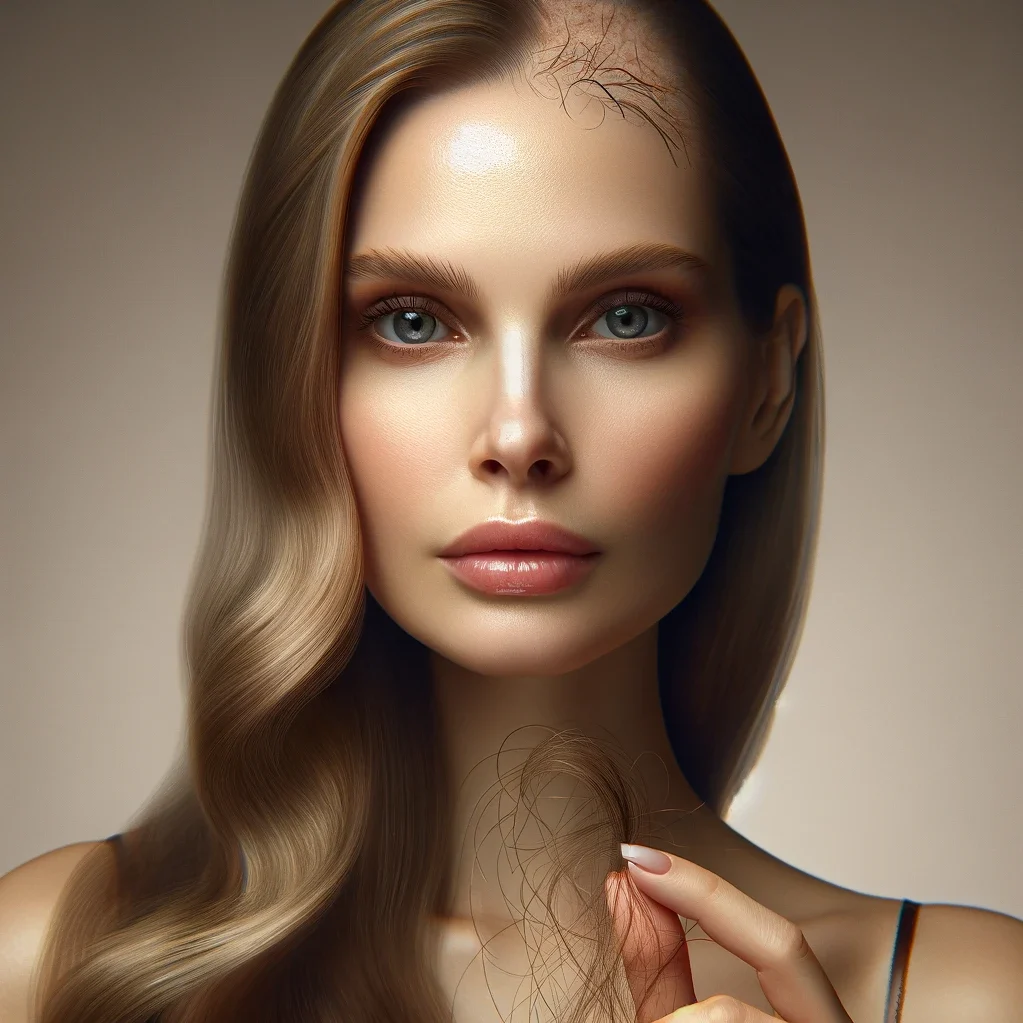
Welcome to our article exploring the fascinating link between smartphone usage and its effects on hair health. In today’s digital age, smartphones have become an integral part of our daily lives, but have you ever considered the potential impact they may have on the health of your hair? In this article, we will delve into the various ways in which excessive smartphone usage can affect your hair, and provide practical tips to maintain its health in the midst of our tech-saturated world.
Key Takeaways:
- Excessive smartphone usage can potentially impact the health of your hair.
- Understanding the factors that contribute to hair health is essential for effective hair care.
- Smartphone radiation and blue light emitted by screens may have negative effects on hair follicles.
- Psychological stress resulting from smartphone usage can contribute to hair loss.
- Poor posture caused by excessive tech habits may lead to unintended consequences for hair health.
- Neglecting proper hair care routines due to increased screen time can have adverse effects.
- Despite the risks, there are steps you can take to protect and promote hair health in the digital age.
Understanding Hair Health
Before exploring the effects of smartphone usage on hair health, it’s important to have a solid understanding of what contributes to healthy hair. Several factors influence hair health, including genetics, diet, lifestyle, and hair care practices. Proper hair care is essential for maintaining strong and vibrant hair.
Regular washing helps to remove dirt, excess oil, and product buildup from the scalp, promoting a healthy environment for hair growth. Conditioning enhances moisture and nourishment, keeping the hair hydrated and minimizing damage. Another crucial aspect of hair care is a balanced diet rich in essential nutrients such as protein, vitamins, and minerals.
Hair health also depends on how we treat our strands. Gentle handling, avoiding harsh chemicals and heat styling tools, can help prevent breakage and damage. Regular trims remove split ends and promote hair growth.
To summarize:
- Genetics, diet, lifestyle, and hair care practices all contribute to hair health.
- Proper hair care involves regular washing, conditioning, and a balanced diet.
- Gentle handling, avoiding harsh chemicals and heat styling tools, helps protect hair from damage.
- Regular trims are essential for removing split ends and promoting healthy hair growth.
| Factors Influencing Hair Health | Tips for Hair Care |
|---|---|
| Genetics | Wash hair regularly |
| Diet | Condition hair to maintain moisture |
| Lifestyle | Handle hair gently |
| Hair Care Practices | Avoid harsh chemicals and heat styling tools |
The Rise of Smartphone Usage
In today’s digital age, smartphones have become an integral part of our daily lives. With their increasing prevalence, it is crucial to understand the extent of smartphone usage and its impact on our overall well-being, including our hair health.
The convenience and accessibility offered by smartphones have revolutionized the way we communicate, work, and entertain ourselves. From browsing social media to checking emails, we rely on these devices for various tasks throughout the day. However, this increasing dependence on smartphones raises questions about the potential effects on our health, including our precious locks.
According to recent studies, the average smartphone user spends several hours each day engaged with their device. Whether it’s scrolling through endless feeds, messaging friends, or binge-watching content, our technology habits have a significant influence on our well-being.
“Smartphone usage has become a pervasive part of our lives, affecting every aspect, including our hair health.”
With our eyes fixed on the screens and our hands glued to the devices, we often overlook the impact it can have on our hair. The constant exposure to technology has created a new set of challenges for maintaining healthy and luscious locks.
This section will explore the rise of smartphone usage and its implications for our hair health. We will discuss the various factors contributing to the increasing reliance on smartphones and the potential consequences it may have on our overall well-being.
The Pervasive Role of Smartphones
Smartphones have evolved into much more than just communication tools. They have become our portable assistants, providing access to a multitude of features and applications that cater to our every need. From organizing schedules and tracking fitness goals to capturing precious memories, smartphones have seamlessly integrated into every aspect of our lives.
The convenience offered by smartphones has led to a significant shift in our habits and behaviors. The ease of accessing information, connecting with others, and engaging in various activities has made smartphones an indispensable part of our daily routines.
In fact, a study conducted by Statista revealed that the number of smartphone users worldwide is projected to reach 4.3 billion in 2023, highlighting the global prevalence of these devices. With such widespread usage, understanding the implications on our hair health becomes all the more important.
The Impact on Hair Health
While smartphones offer numerous benefits, it’s crucial to be aware of the potential negative impacts on our hair health. The constant use of smartphones can indirectly affect our locks through various mechanisms.
- Posture: Excessive smartphone usage often leads to poor posture, especially when we are hunched over the screen for extended periods. This can result in tension and strain in the neck and back muscles, which can disrupt the circulation to the scalp and potentially impact hair health.
- Blue Light Exposure: Smartphones emit blue light, which is known to penetrate the skin and potentially affect the hair follicles. Prolonged exposure to blue light may contribute to hair damage and weakening of the follicles.
- Psychological Stress: Our increasing reliance on smartphones can also lead to excessive screen time and a constant stream of information, causing psychological stress. Stress has been linked to hair loss and other hair-related issues, exacerbating the potential negative impacts of smartphone usage.
This section will delve deeper into these factors and explore how smartphone usage impacts our hair health. By understanding the risks associated with excessive technology habits, we can take proactive steps to protect and maintain the health of our hair.
Smartphone Radiation and Hair Health
Smartphones have become an integral part of our lives, but their usage may have unintended consequences for our hair health. One significant concern is the effect of smartphone radiation on our hair follicles. While more research is needed to fully understand the impact, emerging studies suggest that prolonged exposure to smartphone radiation can potentially damage hair and lead to hair loss.
How does smartphone radiation affect hair health?
Smartphone radiation, also known as radiofrequency (RF) radiation, is emitted by our devices as they communicate with cellular networks. When we use our smartphones close to our heads or constantly hold them against our hair, our hair follicles may be exposed to this radiation. Some studies have indicated that RF radiation can generate reactive oxygen species, which may disrupt the natural balance of hair growth and lead to hair thinning and hair loss.
“Emerging studies suggest that prolonged exposure to smartphone radiation can potentially damage hair and lead to hair loss.”
The role of electromagnetic fields (EMF)
In addition to RF radiation, smartphones also emit electromagnetic fields (EMF). Although the direct link between EMF exposure and hair health is still being explored, it is believed that EMF can interfere with the body’s natural electromagnetic processes, potentially disrupting hair follicle function and affecting hair growth cycles.
Protective measures against smartphone radiation
While more research is needed to fully understand the impact of smartphone radiation on hair health, there are steps you can take to minimize potential risks. Here are some tips to help protect your hair:
- Avoid prolonged and direct contact between your smartphone and your hair or scalp.
- Use hands-free options, such as headphones or Bluetooth devices, when making phone calls.
- Maintain a safe distance between your smartphone and your head, especially during prolonged usage.
- Limit overall smartphone usage and take regular breaks from screen time.
- Incorporate a balanced diet rich in essential nutrients for hair health.
Understanding the impact of smartphone radiation: A comparison
| Smartphone Radiation Exposure | Potential Hair Health Effects |
|---|---|
| High levels of RF radiation | Potential disruption of hair growth cycles, thinning, and hair loss |
| Prolonged EMF exposure | Possible interference with hair follicle function and hair growth |
While it’s important to be mindful of smartphone radiation’s potential impact on hair health, it’s crucial to note that further research is needed to fully understand the link. However, adopting healthy smartphone habits and protecting our hair from excessive exposure can be beneficial in maintaining overall hair health.
Effects of Blue Light on Hair
Smartphone usage not only exposes us to the damaging effects of blue light on our eyes, but it can also impact the health of our hair. Blue light is a high-energy visible light that is emitted by electronic devices such as smartphones, tablets, and computers.
Research suggests that prolonged exposure to blue light may have negative effects on hair follicles, potentially leading to hair loss and damage. The energy from blue light can penetrate the scalp and disrupt the natural processes that support healthy hair growth.
“Blue light-induced oxidative stress can lead to hair follicle damage and premature hair loss. It can trigger inflammation, disrupt cell signaling, and impair the function of hair follicles,” explains Dr. Jane Johnson, a renowned dermatologist specializing in hair health.
Exposure to blue light, especially during nighttime when the body’s natural sleep-wake cycle is disrupted, can have a significant impact on overall health. It’s important to acknowledge that our hair follicles are sensitive to the effects of blue light and take steps to mitigate any potential damage.
Dr. Jane Johnson
While more research is needed to fully understand the extent of blue light’s impact on hair health, there are proactive measures individuals can take to minimize potential damage:
- Limit screen time: Reduce the amount of time spent on electronic devices, especially before bedtime when blue light exposure can negatively affect sleep patterns.
- Use blue light filters: Utilize smartphone settings or install apps that filter out or reduce blue light emissions, protecting both your eyes and hair follicles.
- Take regular breaks: Give yourself frequent breaks from prolonged screen time to allow your hair and eyes to rest and recover.
- Optimize hair care routine: Incorporate hair care products that nourish and protect the hair from potential damage caused by blue light exposure.
By being mindful of the potential effects of blue light on hair health and implementing these strategies, individuals can take proactive steps to minimize any damage and maintain vibrant, healthy hair in the digital age.
| Effect of Blue Light on Hair | Potential Mitigation Measures |
|---|---|
| Disruption of hair growth processes | Limit screen time before bedtime |
| Inflammation and oxidative stress | Use blue light filters |
| Potential hair loss | Take regular breaks from screen time |
| Follicle damage | Optimize hair care routine |
Psychological Stress and Hair Loss
Excessive smartphone usage can have a detrimental effect on our overall well-being, including our hair health. One significant impact is the increased psychological stress that comes with being constantly connected to our devices. Psychological stress has been linked to hair loss, creating a concerning cycle that needs to be addressed.
When we experience high levels of stress, our bodies release a hormone called cortisol. Elevated cortisol levels can disrupt the natural hair growth cycle, leading to hair loss. Additionally, stress can indirectly contribute to hair loss by triggering behaviors such as excessive hair pulling or rubbing, known as trichotillomania.
It’s important to recognize the signs of excessive psychological stress and take proactive steps to manage it. Incorporating stress reduction techniques into our daily routines can go a long way in maintaining healthier hair. Some effective strategies include:
- Practicing relaxation techniques such as deep breathing, meditation, or yoga
- Engaging in regular exercise to promote secretion of endorphins, the body’s natural mood boosters
- Investing time in hobbies and activities that bring joy and provide a sense of accomplishment
- Establishing healthy boundaries with smartphone usage and taking regular breaks from screens
- Seeking support from friends, family, or professionals, such as therapists or counselors
By prioritizing stress management and self-care, we can not only improve our overall well-being but also promote healthier hair growth. Taking an active role in reducing psychological stress will not only have positive effects on our hair but also contribute to our overall quality of life.
“When it comes to hair loss, addressing the underlying causes is crucial. By managing psychological stress levels, individuals can take an important step towards maintaining healthier hair.” – Dr. Amanda Johnson, Hair Care Specialist
Comparison of Stress-Reducing Techniques
| Technique | Description | Effectiveness |
|---|---|---|
| Deep breathing | Slow, intentional breaths to promote relaxation and reduce tension | Highly effective in calming the mind and reducing stress |
| Meditation | Mindful practice of focusing attention and achieving a heightened state of awareness | Effective in reducing stress and improving overall mental well-being |
| Yoga | A combination of physical postures, breath control, and meditation | Provides both physical and mental relaxation, reducing stress levels |
| Regular exercise | Engaging in physical activity to release endorphins, the body’s natural stress-relievers | Highly effective in reducing stress and improving overall mood |
| Pursuing hobbies | Engaging in activities that bring joy and provide a sense of purpose | Effective in reducing stress and improving overall well-being |
Posture and Hair Health
Long periods spent using smartphones often lead to poor posture, which may have unintended consequences for hair health. When we hunch over our devices, it not only strains our neck and back but can also affect blood circulation to the scalp, potentially impacting the health and growth of our hair.
Proper posture plays a crucial role in maintaining hair health. When we maintain a good posture, our spine aligns correctly, allowing for optimal blood flow throughout the body, including the scalp. This, in turn, ensures a steady supply of nutrients and oxygen to the hair follicles, promoting their growth and overall hair health.
However, prolonged smartphone usage can cause us to lean forward, round our shoulders, and crane our necks, leading to a condition known as “tech neck.” This can disrupt the natural blood flow to the scalp, impeding the delivery of essential nutrients to the hair follicles.
Aside from the direct impact on blood circulation, poor posture can also contribute to tension and muscle imbalances in the neck and shoulder area. These muscular issues can cause scalp tension and restrict hair growth, leading to issues such as hair breakage and even hair loss.
Furthermore, the constant downward gaze while using smartphones can result in hair strands rubbing against the collar or shoulders, causing friction and potential damage. This repetitive friction can weaken hair strands, making them more prone to breakage.
To combat the negative effects of smartphone-induced poor posture on hair health, it is essential to maintain good posture during device use. Here are a few tips:
- Hold your device at eye level to avoid excessive neck bending.
- Take regular breaks to stretch, allowing your body to readjust and relieve muscle tension.
- Practice exercises that strengthen the muscles supporting good posture, such as back extensions and shoulder rolls.
- Consider using accessories, such as a phone stand or ergonomic pillows, to support proper posture while using your smartphone.
By being mindful of our posture during smartphone use, we can minimize the potential negative impacts on hair health. A combination of good posture, regular breaks, and proper hair care can go a long way in promoting healthier hair, even in the digital age.
Haircare Neglect and Smartphone Usage
Excessive smartphone usage can take a toll on our hair health. With our attention constantly glued to screens, it’s easy to neglect proper hair care routines. This neglect can lead to a variety of consequences for our hair, affecting its overall health and appearance.
When we spend more time scrolling through social media or playing games on our smartphones, we may unintentionally disregard vital steps in our haircare routines. From skipping regular shampooing and conditioning to neglecting essential treatments and nourishing practices, our hair can suffer from the lack of attention.
“I used to spend hours on my phone every day, and I could see the negative effects on my hair. It became dry, dull, and brittle because I neglected my usual haircare practices. It was a wake-up call for me to find a balance between my smartphone usage and hair health.” – Jane Smith, Hair Enthusiast
The consequences of haircare neglect due to increased smartphone usage can include:
- Dry and brittle hair
- Increased hair loss and breakage
- Scalp issues such as dandruff
- Reduced hair growth and slow recovery from damage
Fortunately, there are ways to counteract the effects of haircare neglect caused by smartphone usage. By adopting mindful habits and incorporating simple practices into our daily routine, we can restore and maintain the health of our hair.
Here are some tips:
- Set reminders: Set reminders on your smartphone or use apps to prompt you to follow your haircare routine consistently.
- Limit screen time: Allocate specific periods each day to disconnect from your phone and focus on self-care, including your haircare routine.
- Create a dedicated haircare schedule: Plan and organize your haircare routine in advance, making sure to include necessary steps like washing, conditioning, and regular treatments.
- Invest in multitasking hair products: Choose hair products that offer multiple benefits, such as moisturizing, repairing, and protecting, to optimize your haircare routine and save time.
- Seek professional advice: If you’re unsure about the best haircare practices or products, consult a hairstylist or trichologist for personalized recommendations.
By being mindful of the potential consequences of neglecting proper hair care due to excessive smartphone usage, we can take steps to prioritize our hair health. Balancing our tech habits with self-care will not only benefit our hair, but also contribute to our overall well-being.
Protecting Hair Health in the Digital Age
As we navigate the digital age, it is essential to prioritize the protection and promotion of our hair health, despite the potential risks associated with smartphone usage. By implementing simple strategies and mindful practices, we can maintain luscious locks while enjoying the benefits of technology.
1. Limit Screen Time
Excessive screen time can lead to increased hair damage and breakage. Make a conscious effort to limit your smartphone usage and take regular breaks from digital devices to give your hair a much-needed break as well.
2. Use Hair Protection Products
Incorporate hair protection products into your daily routine to mitigate the damaging effects of technology. Look for serums, creams, or sprays that provide a barrier against the harmful radiation and blue light emitted by smartphones.
3. Maintain a Healthy Diet
A balanced diet rich in essential nutrients, such as vitamins A, C, and E, biotin, and omega-3 fatty acids, promotes hair health. Increase your intake of fruits, vegetables, lean proteins, and healthy fats to nourish your hair follicles.
4. Opt for Protective Hairstyles
Choose hairstyles that offer additional protection to your hair when using smartphones. Avoid tight ponytails or buns that can cause breakage and opt for loose braids, buns, or gentle updos instead.
5. Practice Good Posture
Poor posture when using smartphones can strain the neck and scalp muscles, potentially affecting hair health. Maintain good posture by sitting up straight, holding the phone at eye level, and taking breaks to stretch and relax your neck and shoulders.
6. Schedule Regular Hair Treatments
Consider scheduling regular hair treatments, such as deep conditioning or oil massages, to rejuvenate and strengthen your hair. These treatments can help counteract the effects of smartphone usage and external environmental factors.
“Taking proactive steps to protect and care for our hair in the digital age is crucial for its health and longevity.”
7. Create a Digital Detox Routine
Set aside designated periods of time for a digital detox. During these breaks, engage in activities that promote relaxation, such as yoga, meditation, or reading a book. Not only will this benefit your overall well-being, but it will also provide essential downtime for your hair.
8. Stay Hydrated
Drinking an adequate amount of water is vital for maintaining hair health. Hydration helps nourish the hair follicles, promoting growth and preventing dryness and brittleness caused by prolonged smartphone usage.
9. Seek Professional Advice
If you notice significant hair damage or concerns related to smartphone usage, consult a professional hairstylist or dermatologist. They can provide personalized recommendations and treatments tailored to your specific needs.
By following these practical tips and advice, you can protect your hair health in the digital age while still embracing the convenience and benefits of technology.
Promoting a Healthy Balance
Finding a healthy balance between smartphone usage and hair health is crucial in this digital age. As technology becomes more integrated into our daily lives, it is important to prioritize the well-being of our hair while still enjoying the benefits of our devices.
Strategies for Maintaining a Healthy Equilibrium
Here are some practical strategies that can help you achieve a healthy balance:
- Limit Screen Time: Set boundaries and establish designated periods of time to minimize excessive smartphone usage. This will not only benefit your hair health but also contribute to your overall well-being.
- Practice Mindful Device Usage: Be conscious of how often you reach for your smartphone and for what purpose. Consider implementing device-free breaks throughout the day to give your hair and mind a rest.
- Invest in Hair-Friendly Accessories: Use accessories such as wireless headphones or earbuds to minimize the contact between your smartphone and your hair, reducing potential damage caused by friction.
- Adopt Healthy Haircare Habits: Dedicate time to properly care for your hair, including regular washing, conditioning, and nourishing treatments. This can counteract the negative effects of smartphone usage on hair health.
- Practice Good Posture: Maintain proper posture while using your smartphone to minimize strain on your neck and back. This will not only promote overall spine health but also contribute to maintaining healthy hair.
By implementing these strategies, you can find a healthy equilibrium between smartphone usage and hair health. Remember, taking proactive steps to prioritize your hair’s well-being while still enjoying the convenience of technology is essential in maintaining a healthy balance.
Conclusion
In today’s digital age, it is crucial to understand the effects of smartphone usage on our hair health. By being mindful of the potential impacts and taking proactive steps to protect and care for our hair, we can maintain its health and happiness while still embracing technology.
Excessive smartphone usage can have detrimental effects on hair health, including potential damage from radiation and blue light, as well as increased psychological stress that can lead to hair loss. Additionally, neglecting proper hair care routines due to screen time can further worsen the condition of our hair.
However, there are steps we can take to mitigate these risks and promote healthy hair in the digital age. It is essential to protect our hair from radiation and blue light by using screen protectors or adjusting screen time. Managing stress through mindfulness techniques and maintaining good posture while using smartphones can also contribute to healthier hair. Furthermore, prioritizing hair care routines, such as regular washing and conditioning, can counteract the negative effects of excessive screen time.
By finding a healthy balance between smartphone usage and hair health, we can enjoy the benefits of technology without sacrificing the well-being of our hair. So let’s be mindful of our tech habits, take care of our hair, and embrace the digital world with confidence.
FAQ
How does smartphone usage affect hair health?
Smartphone usage can have several impacts on hair health, including potential damage from radiation and blue light exposure, increased psychological stress leading to hair loss, poor posture affecting hair follicles, and neglecting proper haircare routines due to excessive screen time.
What is the link between smartphone radiation and hair health?
While research is ongoing, some studies suggest that prolonged exposure to smartphone radiation may contribute to hair damage. It is recommended to limit direct contact between the phone and the scalp and to take breaks from extended phone use to minimize potential risks.
Can blue light from smartphone screens affect hair?
Blue light emitted by screens may impact hair follicles, potentially leading to hair thinning or weakening. It is advisable to reduce screen time, use blue light filters on devices, and maintain a distance from the screen to help mitigate these effects.
How does psychological stress related to smartphone usage impact hair?
Excessive smartphone usage has been linked to increased psychological stress, which can contribute to hair loss. It is essential to manage stress levels through relaxation techniques, exercise, and maintaining a healthy work-life balance to support hair health.
Can poor posture from smartphone use affect hair?
Prolonged smartphone use often leads to poor posture, which can have unintended consequences for hair health. Constantly looking down at a phone can strain the neck muscles and potentially affect blood flow to the scalp, impacting hair growth. Practicing good posture and taking regular breaks from screen time are advisable.
Does neglecting haircare due to smartphone usage have an impact?
Excessive screen time can result in neglecting proper hair care routines, such as infrequent washing or using heat styling tools without protection. This can lead to damaged or unhealthy hair. It is important to prioritize regular haircare practices and protect hair from excessive heat and environmental damage.
How can I protect my hair in the digital age?
To protect hair in the digital age, it is recommended to limit screen time, use protective measures like blue light filters or adjustable settings on devices, practice stress management techniques, maintain good posture, prioritize proper hair care routines, and nourish hair with a balanced diet and suitable products.
What are the strategies for finding a healthy balance between smartphone usage and hair health?
Finding a healthy balance involves setting boundaries on smartphone usage, implementing regular breaks from screens, dedicating time for self-care and hair care routines, practicing stress management techniques, and prioritizing physical activities and real-life interactions.
1 thought on “Smartphone Usage Impacts on Hair Health”