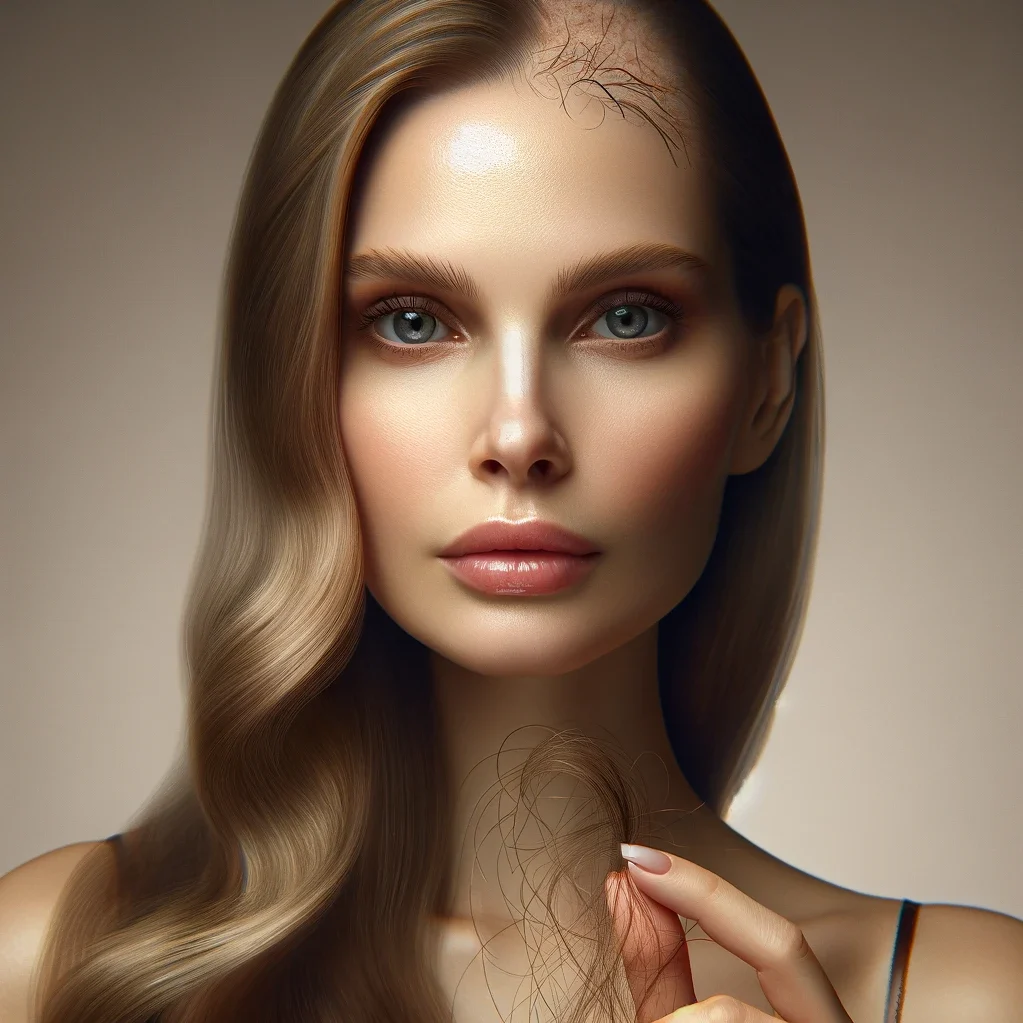
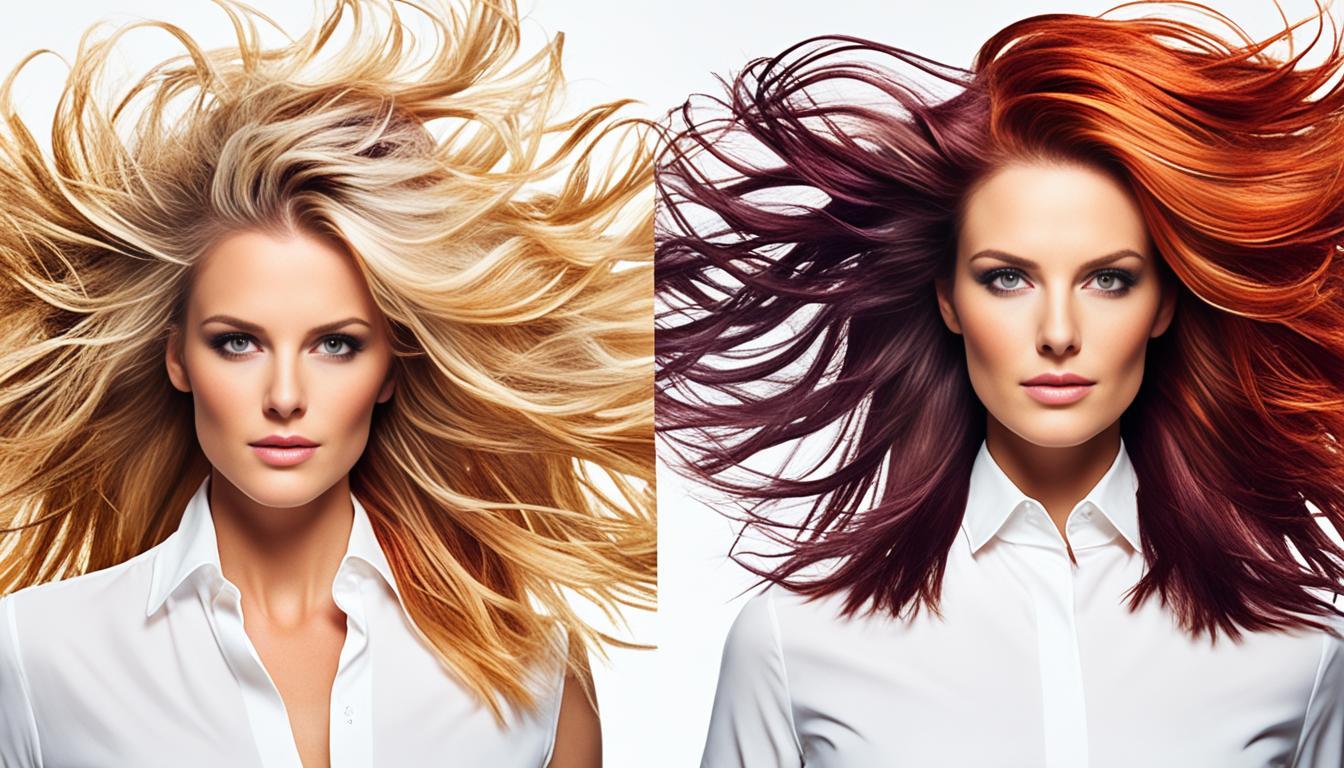
Heat damage and hair thinning are common concerns when it comes to hair care. Exposing your hair to high temperatures without protection can alter the protein bonds within each strand, leading to dryness, breakage, and loss of elasticity. To prevent heat damage, it is important to use a heat protectant before using heated styling tools, choose the right temperature for your hair type, and avoid excessive heat on the same section of hair. Regularly using treatments and conditioning products can help replenish moisture and maintain hair health. Different hair types may require specific heat protection products, such as those designed for colored hair, thin hair, afro and curly hair, or straight hair. It’s also important to use professionally recommended shampoos and conditioners for optimal hair care.
Key Takeaways:
- Heat damage and hair thinning can occur due to exposure to high temperatures without protection.
- Using a heat protectant, choosing the right temperature, and avoiding excessive heat on the same section of hair can prevent heat damage.
- Regular use of treatments and conditioning products helps maintain hair health and moisture.
- Specific heat protection products tailored to different hair types can provide optimal heat damage prevention.
- Using professionally recommended shampoos and conditioners is essential for overall hair care.
How Heat Damage Affects Your Hair
Heat damage can have a significant impact on the overall health and appearance of your hair. When exposed to high temperatures, such as from heated styling tools, the cuticle layers of your hair can open up, allowing moisture to escape. This results in several issues that can affect the look and feel of your hair.
The Effects of Heat Damage
Signs of heat damage include:
- Split ends: High temperatures cause the hair to become brittle, leading to split ends.
- Dryness: The loss of moisture due to heat damage results in dry and dehydrated hair.
- Dullness: Heat damage can make your hair appear lackluster and lacking in shine.
- Breakage: Weakened protein structure from heat exposure can lead to increased breakage.
- Shedding: Heat-damaged hair is more prone to excessive shedding.
- Faded color: The cuticle damage caused by heat can make hair color appear faded or less vibrant.
- Frizz: Heat damage disrupts the hair’s natural moisture balance, causing frizz and flyaways.
While it isn’t possible to fully repair heat-damaged hair, there are steps you can take to minimize the damage and improve the health of your hair.
Preventing heat damage is key to preserving the health and vitality of your hair.
Preventing Heat Damage
Here are some tips to protect your hair from heat damage:
- Regular haircuts: Getting regular trims helps prevent further damage and split ends.
- Lower heat settings: Use lower heat settings on your styling tools to reduce the risk of heat damage.
- Heat protectants: Apply a heat protectant product before using heated styling tools to create a barrier between your hair and the heat source.
- Deep conditioning: Regularly use deep conditioning treatments to replenish moisture and repair damage.
- Home remedies: Natural ingredients like yogurt and honey can be used in DIY hair masks to nourish and hydrate heat-damaged hair.
- Gentle haircare techniques: Use a wide-tooth comb or your fingers to detangle wet hair and avoid aggressive brushing.
- Heat-free hairstyles: Give your hair a break from heat styling by opting for heat-free hairstyles, such as braids or natural textures.
- Damage protection products: Invest in haircare products specifically formulated to protect against heat damage.
By implementing these preventive measures and adopting a haircare routine that prioritizes the health of your hair, you can minimize heat damage and maintain beautiful, vibrant locks.
Tips to Protect Your Hair from Heat Damage
Taking care of heat-damaged hair is essential for maintaining its health and preventing further damage. By incorporating a few simple tips into your daily haircare routine, you can protect your locks and promote overall hair health.
Start by using nurturing and nourishing hair products specifically designed for damaged hair. Look for shampoos and conditioners that provide deep hydration and repair hair bonds. Deep conditioning treatments, whether done at home or by a professional, can also help replenish moisture and restore your hair’s natural vitality.
Avoid towel drying your hair vigorously, as this can cause friction and damage to the hair cuticle. Instead, opt for gentler methods like using microfiber towels or cotton t-shirts to blot excess moisture. When brushing wet hair, use your fingers or wide-tooth combs to gently detangle knots, starting from the bottom and working your way up to minimize breakage.
Give your hair a break from heat styling by experimenting with heat-free hairstyles like loose plaits or embracing your natural textures. This will not only reduce heat damage but also allow your hair to regain its strength and resilience. To further protect your hair from heat, use damage protection products such as heat protectant sprays that create a barrier between your hair and the styling tools. Additionally, consider lowering the heat settings on your styling tools and using attachments to minimize the exposure of your hair to excessive heat.
Incorporating these tips into your daily hair care routine can help safeguard your hair against heat damage and promote its overall health. Remember, prevention is key when it comes to protecting your hair, so make sure to prioritize your hair’s well-being and give it the love it deserves.
FAQ
What is heat damage and how does it affect my hair?
Heat damage occurs when high temperatures open up the cuticle layers of the hair, causing moisture to escape and weakening the protein structure of the hair. This can lead to split ends, dryness, dullness, increased breakage, shedding, faded color, and frizz.
Can heat-damaged hair be repaired?
While it is not possible to repair heat-damaged hair completely, there are preventive measures and treatments to minimize the damage. Regular haircuts can help prevent further damage and split ends. Using lower heat settings on styling tools and applying heat protectants can help protect the hair from excessive heat. Deep conditioning treatments, home remedies with natural ingredients like yogurt and honey, and using gentle haircare techniques can also contribute to maintaining hair health.
How can I take care of heat-damaged hair?
Taking care of heat-damaged hair begins with daily routines. Using nurturing and nourishing products, such as a shampoo and conditioner specifically designed for damaged hair, can help in maintaining hair health. Deep conditioning treatments, both at-home and professional, can provide intense moisture and restore the hair’s natural bonds. Avoiding towel drying and opting for gentler methods like microfiber towels or cotton t-shirts can reduce friction and damage to the hair cuticle. When brushing, using fingers or wide-tooth combs and starting from the bottom can help detangle knots without causing further damage. Going heat-free by experimenting with styles that don’t require heat, like loose plaits or natural textures, can give the hair a break from the heat. Using damage protection products, such as heat protectant sprays, can create a barrier between the heat and the hair. Lowering the heat settings on styling tools and using attachments can minimize heat damage. Applying these tips and incorporating them into a haircare routine can help protect the hair from heat damage and promote overall hair health.
Source Links
- https://www.thechapel.co.uk/expert-advice/how-to-prevent-heat-damaged-hair-everything-you-need-to-know
- https://www.evohair.com/us/the-blog/evo-us-blog-inspiration/how-heat-affects-your-hair/
- https://www.dove.com/us/en/stories/tips-and-how-to/hair-care-tips-advice/8-tips-to-prevent-heat-damaged-hair.html