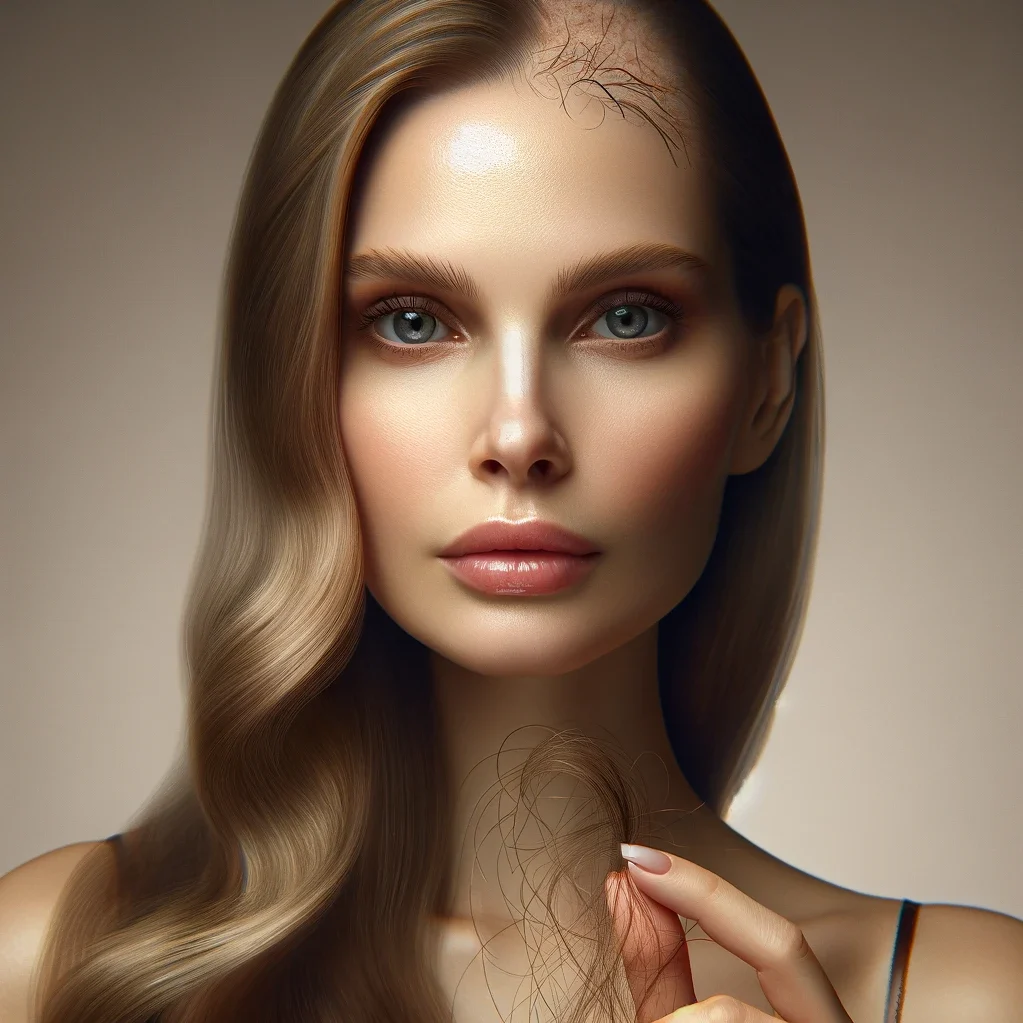

At some point in our lives, many women may experience hair loss or thinning. This can be a distressing issue that affects our self-esteem and confidence. Fortunately, there are various treatment options available, including estrogen therapy. In this article, we will explore the benefits of estrogen therapy for hair growth and whether it is an effective solution for women experiencing hair loss.
Key Takeaways:
- Estrogen therapy can rebalance hormone levels that may be affecting hair growth in women experiencing menopause or hormone imbalances.
- By restoring hormone balance, estrogen therapy can help slow down hair loss, promote hair regrowth, and improve overall hair density.
- Hormone therapy, including estrogen therapy, should be discussed with a healthcare provider to determine the best treatment method and manage potential side effects.
- Other treatment options, such as minoxidil and dietary changes, can also contribute to improving hair health.
- Consulting with a healthcare provider is crucial for diagnosing the underlying cause of hair loss and tailoring a personalized treatment plan.
Causes of Hair Loss in Women
Hair loss in women can be attributed to various factors, including hormonal imbalances and other underlying health conditions. Understanding the causes of hair loss is essential for effective treatment and management. In this section, we will explore the common factors that contribute to hair loss in women.
- Lower Estrogen and Progesterone Levels: Hormonal imbalances, such as lower estrogen and progesterone levels, can lead to hair thinning and loss. Estrogen plays a crucial role in promoting hair growth, and a decline in its levels can affect the hair follicles’ health.
- High Levels of Testosterone: Excessive levels of testosterone, commonly observed in conditions like polycystic ovary syndrome (PCOS), can contribute to hair loss in women. Testosterone is converted into dihydrotestosterone (DHT), which can shrink hair follicles and inhibit hair growth.
- Menopause: Menopause is a natural biological process that brings about hormonal changes in women. Fluctuations in hormone levels, especially a decrease in estrogen production, can lead to hair thinning and loss.
- Hypothyroidism: An underactive thyroid gland can disrupt hormone production, including estrogen, progesterone, and thyroid hormones. This imbalance can impact the hair growth cycle and result in hair loss.
- Stress: Chronic stress can contribute to hair loss by inducing hormonal changes and disrupting the hair growth cycle. Stress can also lead to unhealthy lifestyle choices, further exacerbating hair loss.
Identifying the specific cause of hair loss is crucial for determining the most appropriate treatment approach. If you are experiencing hair loss, it is essential to consult a healthcare professional who can evaluate your symptoms and provide personalized recommendations.

“Understanding the root cause of hair loss empowers women to make informed decisions about their treatment options and take proactive steps towards addressing the issue.”
How Hormone Therapy Can Help Treat Hair Loss
When it comes to treating hair loss in women, hormone therapy can be an effective solution. By rebalancing hormone levels, hormone therapy can help slow down hair loss, promote hair regrowth, and improve overall hair density. There are several types of hormone therapy that can target specific hormone imbalances associated with hair loss.
One approach to hormone therapy is thyroid optimization. Low thyroid function can contribute to hair loss, so optimizing thyroid levels can be beneficial. By addressing underlying thyroid issues, this type of hormone therapy can help improve hair growth and prevent further hair loss.
Another type of hormone therapy is anti-androgens. These medications work by reducing the levels of testosterone, a hormone that can contribute to hair loss. By blocking the effects of testosterone on the hair follicles, anti-androgens can help slow down the rate of hair loss and promote hair regrowth.
Hormone replacement therapy (HRT) is another option for treating hair loss in women. This type of therapy involves using medications such as birth control pills or hormone creams to replace low levels of estrogen and progesterone, hormones that are important for hair growth. By restoring hormonal balance, HRT can stimulate hair regrowth and improve the overall density of the hair.
It’s important to note that hormone therapy should be discussed with a healthcare provider. They can assess the individual’s hormone levels, evaluate the underlying causes of hair loss, and determine the most appropriate hormone therapy approach. They will also discuss the potential side effects and risks associated with hormone therapy.
Overall, hormone therapy can be an effective treatment option for women experiencing hair loss. By addressing hormone imbalances, it can help restore hair growth and improve the overall appearance and density of the hair.
Side Effects of Hormone Therapy
Hormone therapy, including estrogen therapy, can have side effects. It is crucial to be aware of these potential side effects and discuss them with a healthcare provider before starting hormone therapy for hair loss. While hormone therapy can be an effective treatment option, it is important to consider the risks and benefits for each individual patient.
Potential Side Effects
Some common side effects of hormone therapy for hair loss include:
- High blood pressure
- Weight changes, including weight loss
- Risk of stroke or heart attack
- Headaches and migraines
- Mood changes
It is important to note that not all individuals will experience these side effects, and the severity can vary. Nonetheless, it is crucial to monitor any changes and report them to your healthcare provider.
Pregnant women are generally advised against hormone therapy, especially anti-androgens, due to potential complications. Hormone therapy can interfere with the natural hormonal changes that occur during pregnancy and may harm the developing fetus. It is essential for pregnant women to consult with their healthcare provider before considering any hormone therapy for hair loss.
Consult with Your Healthcare Provider
If you are considering hormone therapy for hair loss, it is vital to have a thorough discussion with your healthcare provider. They can assess your individual circumstances, discuss the potential side effects, and help determine the best course of treatment for you. Your healthcare provider can also monitor your progress and make any necessary adjustments to minimize side effects.
Female Pattern Hair Loss and the Role of Hormones
Female pattern hair loss, also known as androgenetic alopecia, is a common condition that causes hair loss in women. This condition is influenced by various factors, including hormone levels, particularly estrogen and androgens. Estrogen plays a significant role in the hair growth cycle, and imbalances in estrogen levels can contribute to hair loss in women.
During menopause, estrogen levels in women naturally decline, which can lead to hair thinning and reduced hair density. Estrogen therapy, also known as hormone replacement therapy (HRT), can help address this hormonal imbalance and restore hair growth.
By replenishing estrogen levels, estrogen therapy can slow down the shrinking of hair follicles and promote hair regrowth. It helps maintain hair density by restoring hormone balance, which is crucial for healthy hair growth. However, it is important to note that the exact mechanisms through which hormones affect hair growth are not fully understood, and further research is needed to explore the intricacies of this relationship.
Estrogen therapy for hair loss is a viable option for women experiencing female pattern hair loss. It is essential to consult with a healthcare provider to evaluate individual circumstances and determine the most suitable treatment plan. Your doctor can provide guidance on the potential benefits and risks associated with estrogen therapy.
In conclusion, addressing hormonal imbalances, such as low estrogen levels, is crucial for managing and treating hair loss in women. Estrogen therapy can play a significant role in restoring hair growth and maintaining hair density. By consulting with a healthcare provider, you can explore the option of estrogen therapy and determine the most appropriate course of action based on your specific needs and medical history.
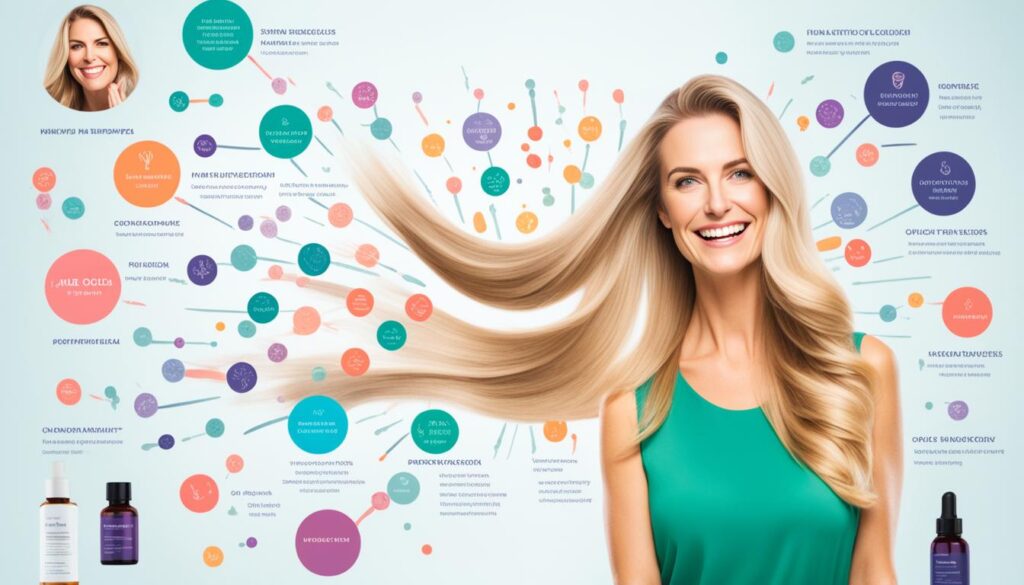
Hormones and Hair Growth in Women
| Hormone | Role in Hair Growth |
|---|---|
| Estrogen | Promotes hair growth and maintains hair density |
| Androgens | Can contribute to hair loss when imbalanced |
| Testosterone | Higher levels can lead to hair thinning and loss |
| Progesterone | Helps balance hormone levels and supports hair growth |
Types of Hormone Therapy
When it comes to treating hair loss in women, there are various types of hormone therapy that can be utilized. These include:
- Thyroid Optimization
- Anti-Androgens
- Hormone Replacement Therapy (HRT)
Thyroid optimization focuses on rebalancing thyroid levels, which can help address hair loss caused by hypothyroidism. By ensuring adequate thyroid function, this form of hormone therapy can promote healthier hair growth.
Anti-androgens, on the other hand, work by reducing high levels of testosterone. Testosterone can contribute to hair loss in women, so anti-androgens serve to counteract this effect and minimize the impact on hair density and thickness.
Hormone Replacement Therapy (HRT) is a comprehensive approach that encompasses different treatments to address low estrogen and progesterone levels. This may include the use of birth control pills, vaginal creams, patches, or medication. By restoring hormone balance, HRT can have a positive impact on hair growth.
Choosing the Right Hormone Therapy
It is crucial to consult with a healthcare provider when considering hormone therapy for hair loss. The choice of therapy will depend on individual factors such as hormone levels, overall health, and medical history. A healthcare professional can conduct a thorough evaluation and recommend the most suitable treatment plan.
Remember that hormone therapy should always be approached under medical supervision. While it can be highly effective in promoting hair growth and reducing hair loss, it may also have potential side effects. A qualified healthcare provider will be equipped to guide you through the process and monitor your progress to ensure optimal results.
Other Treatment Options for Hair Loss
Aside from hormone therapy, there are other treatment options available for hair loss in women. These include:
- Minoxidil: Minoxidil is a topical medication that can stimulate hair regrowth. It is available over-the-counter and can be applied directly to the scalp. Minoxidil works by increasing blood flow to the hair follicles, promoting hair growth and preventing further hair loss.
- Supplements and Dietary Changes: Ensuring proper nutrient intake is important for healthy hair growth. Certain supplements, such as biotin, vitamins A, C, and E, and iron, can support hair health. Additionally, incorporating a balanced diet rich in fruits, vegetables, whole grains, and lean proteins can provide essential nutrients for optimal hair growth.
- Stress Management: Stress can contribute to hair loss. Managing stress levels through relaxation techniques, exercise, and self-care practices can help promote healthy hair growth. Stress reduction can also have a positive impact on overall well-being.
- Adopting a Healthy Lifestyle: Maintaining a healthy lifestyle can contribute to hair health. This includes getting regular exercise, getting enough sleep, staying hydrated, and avoiding smoking and excessive alcohol consumption. Taking care of overall health can support the hair growth process.
It is important to consult with a healthcare provider to determine the best treatment options for individual cases of hair loss. They can assess the underlying causes of hair loss and recommend a comprehensive treatment plan tailored to each person’s needs.
Conclusion
In conclusion, estrogen therapy is a viable option for women experiencing hair loss. By restoring hormone balance, estrogen therapy can effectively slow down hair loss, stimulate hair regrowth, and improve overall hair density. However, it is crucial to consult with a healthcare provider before starting hormone therapy to consider individual factors and discuss potential risks and side effects. Each patient’s treatment plan should be tailored to their specific needs.
While hormone therapy can be beneficial, it is not the only solution for hair loss. There are other treatment options and lifestyle changes that can complement estrogen therapy. These include using medications like minoxidil, ensuring proper nutrient intake through supplements or dietary changes, managing stress levels, and adopting a healthy lifestyle. Combining these approaches can contribute to optimal hair health and further enhance the effectiveness of hormone therapy.
Ultimately, the decision to pursue estrogen therapy for hair loss should be made in collaboration with a healthcare provider who can provide personalized guidance and monitoring throughout the treatment process. By considering all available options and implementing a comprehensive approach, women can take proactive steps to address their hair loss and regain confidence in their appearance.
FAQ
Does estrogen therapy work for hair growth?
Estrogen therapy can rebalance hormone levels that may be affecting hair growth in women experiencing menopause or hormone imbalances. By restoring hormone balance, estrogen therapy can help slow down hair loss, promote hair regrowth, and improve overall hair density.
What are the causes of hair loss in women?
Hair loss in women can be caused by various factors, including lower estrogen and progesterone levels, high levels of testosterone, menopause, hypothyroidism, and stress.
How can hormone therapy help treat hair loss?
Hormone therapy, such as thyroid optimization, anti-androgens, and hormone replacement therapy (HRT), can help treat hair loss in women by rebalancing hormone levels. Thyroid optimization can address low thyroid function, while anti-androgens can reduce high levels of testosterone. HRT, which includes birth control pills and other treatments, can treat low estrogen and progesterone levels and promote hair growth.
What are the side effects of hormone therapy?
Some potential side effects of hormone therapy for hair loss include high blood pressure, weight loss, stroke or heart attack, headaches and migraines, and mood changes. It is important to discuss the potential side effects and risks with a healthcare provider before starting hormone therapy.
How do hormones contribute to female pattern hair loss?
Female pattern hair loss, or androgenetic alopecia, is the most common cause of hair loss in women. Hormones, including androgens and estrogen, play a role in the hair growth cycle. Low estrogen levels and imbalanced hormone levels, particularly during menopause, can contribute to female pattern hair loss.
What are the types of hormone therapy for hair loss?
There are different types of hormone therapy that can be used to treat hair loss in women. These include thyroid optimization, anti-androgens, and hormone replacement therapy (HRT). Each method is tailored to address specific hormone imbalances.
Are there alternative treatments for hair loss?
Aside from hormone therapy, there are other treatment options available for hair loss in women. These include minoxidil, a topical medication that can stimulate hair regrowth, and supplements or dietary changes to ensure proper nutrient intake for healthy hair. Additionally, managing stress levels and adopting a healthy lifestyle can contribute to overall hair health.
Is estrogen therapy the best option for hair growth?
Estrogen therapy can be an effective treatment option for hair loss in women. However, the choice of hormone therapy depends on individual factors and should be discussed with a healthcare provider to determine the best treatment method for each individual patient.