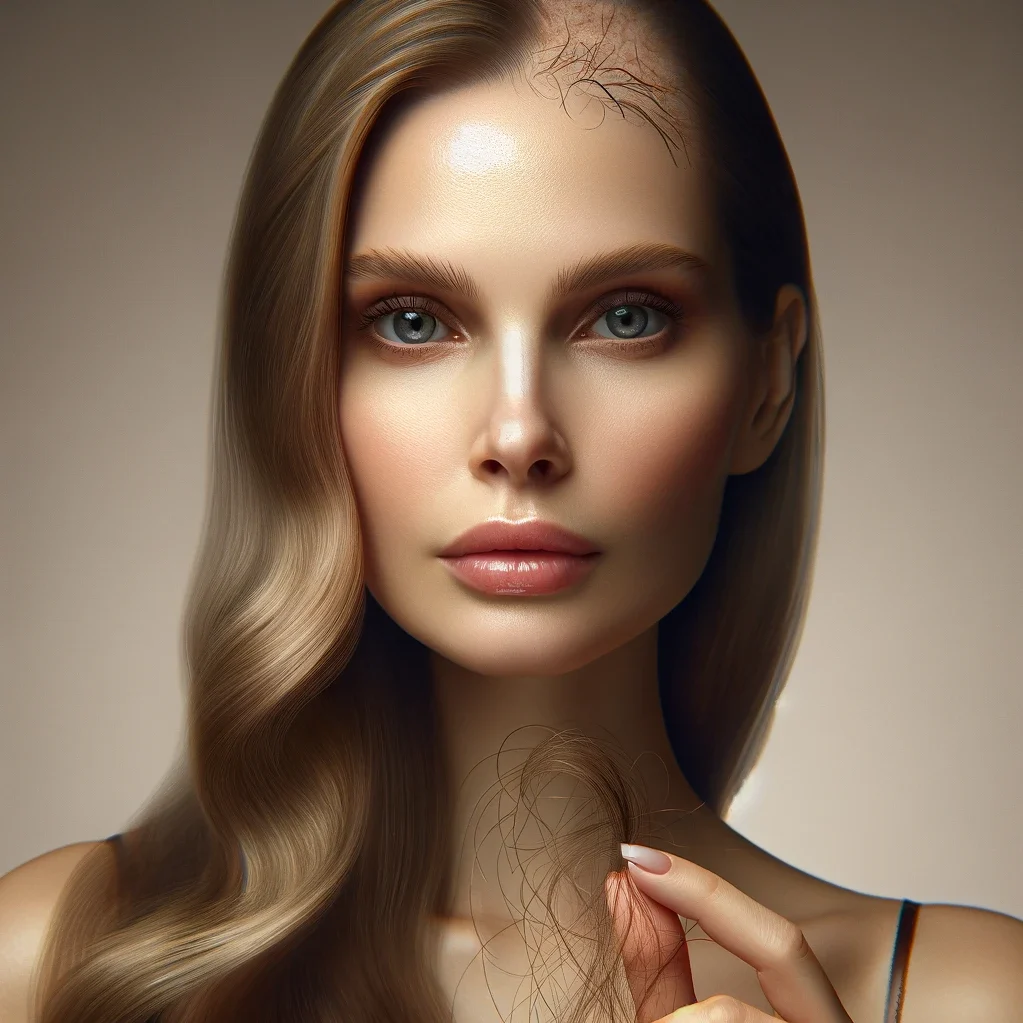
Did you know that during pregnancy, hair growth can increase by up to 15%?
Pregnancy brings about remarkable changes in a woman’s body, and hair is no exception. Hormonal shifts during this time can lead to longer, thicker hair and even changes in curl pattern. However, it is important to provide proper care and nourishment to maintain healthy hair growth during pregnancy.
Key Takeaways:
- A nurturing hair care routine is essential for maintaining healthy hair growth during pregnancy.
- Hormonal changes during pregnancy can increase hair growth and change the texture of hair.
- Avoid harsh chemicals in hair products and opt for natural alternatives instead.
- Regular oil massages and mild shampooing promote scalp health and prevent dryness.
- Exercise caution with hair coloring and styling to protect the hair and scalp.
Effects of Pregnancy on Hair Growth
During pregnancy, the body undergoes numerous hormonal changes that can impact hair growth and texture. These changes are a result of hormonal shifts, particularly an increase in estrogen levels. As a result, many women experience noticeable differences in their hair during pregnancy.
One common effect is the thickening of hair during pregnancy. The hormonal changes can disrupt the normal hair growth cycle, leading to an increased rate of hair growth and a reduction in hair shedding. This can result in thicker and fuller hair that many women enjoy during this time.
Additionally, some studies suggest that the diameter of hair strands may also increase during pregnancy. This can contribute to the overall appearance of thicker hair. However, it’s important to note that these changes are temporary and typically revert back to normal after pregnancy.
Another phenomenon that occurs during pregnancy is changes in curl pattern. Some women may notice that their hair becomes curlier or straighter during or after pregnancy. This can be attributed to the hormonal fluctuations affecting the protein structure of the hair.
While the exact mechanisms behind these changes are not fully understood, they are believed to be influenced by the hormonal fluctuations and the body’s response to pregnancy.
| Effects of Pregnancy on Hair Growth | Changes |
|---|---|
| Thickening of Hair | Increased hair growth, reduced shedding |
| Curl Pattern | Changes in curl pattern |
| Hair Strand Diameter | Possible increase in hair strand diameter |
While these changes can be exciting, it’s important for pregnant women to maintain proper hair care during this time to support overall hair health.
Expert Insight:
“The hormonal changes during pregnancy can have a significant impact on the hair. Many women notice their hair becoming thicker and more abundant during this time. It’s important to embrace these changes and adapt your hair care routine accordingly.”
By understanding the effects of pregnancy on hair growth and texture, women can better manage their hair care routine during this special time. In the next section, we will discuss some essential hair care tips for pregnant women to help maintain healthy and beautiful hair.
Hair Care Tips for Pregnant Women
During pregnancy, it is essential for women to prioritize safe hair care practices to protect both their own health and the well-being of their unborn baby. Certain chemicals commonly found in hair products, such as dyes and relaxers, can potentially be absorbed through the scalp and may pose a risk during pregnancy. To ensure a pregnancy-safe hair care routine, consider the following tips:
- Avoid Harsh Chemicals: Opt for natural alternatives when it comes to hair products. Look for safe hair dye options, like henna or ammonia-free dyes, which can provide color without the use of harmful chemicals. If you’re unsure about the safety of a specific hair product, consult with your healthcare provider.
- Continue Regular Hair Care Products: Most regular hair care products, such as shampoos, conditioners, and styling products, are safe to use during pregnancy. However, it’s always a good idea to check the ingredient labels and avoid any products that contain medications or questionable chemicals.
- Pay Attention to Fragrance: Strong fragrances in hair products can sometimes trigger nausea during pregnancy. If you find yourself sensitive to scents, consider using fragrance-free or lightly scented hair care products to minimize any discomfort.
- Moisturize and Nourish: Pregnancy hormones can sometimes cause dryness and brittleness in hair. Combat this by using moisturizing products and natural oils to keep your hair hydrated and nourished. Regular oil massages with coconut or almond oil can help improve scalp health and stimulate hair growth.
To further ensure the safety of your hair care routine, always consult with your healthcare provider or a qualified professional. They can provide personalized advice and recommendations based on your specific needs and medical history.
Quote: “Prioritizing the use of safe hair care products during pregnancy can minimize potential risks and help pregnant women maintain healthy and beautiful hair.” – Dr. Emily Johnson, Dermatologist
Hair Care Routine Comparison
Here is a comparison of common hair care routines, highlighting the safety factors for pregnant women:
| Regular Hair Care Routine | Pregnancy-Safe Hair Care Routine | |
|---|---|---|
| Hair Color | May contain harsh chemicals and strong fragrances | Opt for natural alternatives like henna or ammonia-free dyes |
| Shampoo and Conditioner | Regular products are generally safe | Check ingredient labels, avoid problematic chemicals |
| Styling Products | Regular products are generally safe | Check ingredient labels, avoid medications, or questionable chemicals |
| Oil Massage | Can be done with regular oils | Use natural oils like coconut or almond oil for added benefits |
By following a pregnancy-safe hair care routine, pregnant women can maintain healthy and beautiful hair while minimizing potential risks. Prioritizing the use of safe hair care products and natural alternatives will help ensure the well-being of both mother and baby.
Importance of Oil Massage and Proper Shampooing
When it comes to maintaining healthy hair during pregnancy, incorporating regular oil massages and proper shampooing into your hair care routine is essential. Oil massages using natural hair oils like coconut or almond oil can provide numerous benefits for your scalp and hair.
Firstly, these oil massages help nourish the scalp, providing essential nutrients and hydration to promote healthier hair growth. The natural oils penetrate the hair follicles, strengthening them from the roots and reducing hair breakage. Improved blood circulation is another advantage of oil massages, as it stimulates the hair follicles, encouraging hair growth. Regularly massaging the scalp with natural oils can also relax and relieve stress, which is beneficial during pregnancy.
The Benefits of Shampooing with Pregnancy-Safe Products
Alongside oil massages, proper shampooing is crucial for maintaining healthy hair during pregnancy. Opt for mild and pregnancy-safe shampoos that are gentle on your scalp and hair. These products should be free from harsh chemicals that could potentially harm you or your baby.
Using pregnancy-safe shampoos helps keep your scalp and hair clean and free from impurities without stripping away essential oils. It is important to maintain a clean scalp to prevent any scalp issues or excess build-up, which could hinder healthy hair growth.
| Benefits of Oil Massage: | Benefits of Proper Shampooing: |
|---|---|
|
|
To further enhance the benefits of proper shampooing, it is recommended to follow up with a conditioner. Conditioners help moisturize and nourish your hair, preventing dryness and split ends, which can be common during pregnancy. Applying a pregnancy-safe conditioner after shampooing helps maintain the overall health and appearance of your hair.
By incorporating regular oil massages with natural hair oils and using mild, pregnancy-safe shampoos and conditioners, you can effectively care for your hair during pregnancy, promoting healthy hair growth and maintaining beautiful, lustrous locks.
Hair Coloring and Styling Precautions
When it comes to hair coloring during pregnancy, caution is advised due to the potential risks associated with the chemicals used in traditional hair dyes. While research on the specific effects of hair coloring on pregnant women is limited, it is generally recommended to err on the side of caution and avoid unnecessary exposure to potentially harmful substances.
However, if you still want to enhance your hair color during pregnancy, there are safe alternatives available. Organic and plant-based dyes, such as henna, can provide a temporary and natural way to add color to your hair without the concerns associated with chemical dyes. Just make sure to check the ingredients and choose products that are specifically labeled as pregnancy-safe.
In addition to hair coloring, it’s important for pregnant women to be mindful of their hair styling practices. Heat styling tools, such as flat irons and curling wands, can cause damage and weaken the hair strands. Excessive heat can lead to dryness, breakage, and frizz. It’s best to minimize the use of these tools or opt for heat protectant products to shield your hair from the damaging effects of heat.
Tight hairstyles, such as ponytails, braids, and buns, can also put excessive tension on your hair and scalp, potentially leading to hair breakage and traction alopecia. Instead, choose looser hairstyles that allow your hair to breathe and avoid unnecessary strain on the scalp.
Tips for Promoting Hair Growth During Pregnancy
In addition to being cautious with hair coloring and styling, there are several tips you can follow to promote hair growth and maintain healthy hair during pregnancy:
- Stick to a regular hair care routine: Establish a consistent routine that includes gentle shampooing, conditioning, and regular use of a wide-toothed comb to minimize hair breakage.
- Massage your scalp: Regularly massaging your scalp with natural oils, such as coconut or almond oil, can help stimulate blood circulation and promote hair growth.
- Stay hydrated and eat a balanced diet: Drinking plenty of water and consuming a nutritious diet rich in vitamins and minerals can contribute to the overall health of your hair.
- Avoid excessive heat and chemical treatments: Minimize the use of heat styling tools and harsh chemical treatments, as they can damage the hair and impede its growth.
- Protect your hair from the sun and harsh weather conditions: Use hats, scarves, or natural hair products with sunscreen to shield your hair from UV rays and environmental damage.
| Treatment | Recommended | Not Recommended |
|---|---|---|
| Hair Color | Organic and plant-based dyes, like henna | Traditional chemical dyes |
| Heat Styling | Minimal use of heat styling tools | Frequent use of flat irons, curling wands, etc. |
| Tight Hairstyles | Loose hairstyles that minimize tension on the scalp | Ponytails, braids, and buns that are too tight |
Remember, every pregnancy is unique, and it’s important to consult with your healthcare professional before making any significant changes to your hair care routine or trying new products. They can provide personalized advice and guidance based on your individual needs and health conditions.
By taking precautions with hair coloring and styling, and following a well-rounded hair care routine that focuses on promoting hair growth and maintaining overall hair health, you can enjoy beautiful and vibrant locks throughout your pregnancy.
Postpartum Hair Care
After giving birth, many women experience postpartum hair loss, which is a natural process. During pregnancy, hormonal changes cause hair that would normally shed to remain in a resting phase. Once the baby is born and hormone levels start to stabilize, this accumulated hair enters the shedding phase, resulting in significant hair loss.
It is important to understand that postpartum hair loss is temporary and does not indicate permanent hair loss. The hair will regrow over time as the hair follicles go through their regular growth cycle. However, this shedding can be alarming and worrisome for new mothers.
To support healthy hair growth and manage postpartum hair loss, here are some tips and recommendations:
- Gentle Hair Care: Use mild shampoos and conditioners specifically designed for postpartum hair care. Avoid harsh chemicals and treatments that may further weaken the hair shaft.
- Nourish with Proper Nutrition: Consume a well-balanced diet rich in vitamins, minerals, and protein to support healthy hair growth.
- Manage Stress: Postpartum can be a challenging time, and stress can contribute to hair loss. Practice stress-relieving activities such as meditation, yoga, or spending time in nature.
- Avoid Heat Styling: Excessive heat can weaken the hair, leading to further breakage. Avoid frequent use of blow dryers, curling irons, and straighteners.
- Protective Hairstyles: Opt for gentle hairstyles that minimize pulling and tugging on the hair. Avoid tight ponytails, braids, and hair accessories that put stress on the hair follicles.
Recommended Hair Care Products
| Product | Description |
|---|---|
| Nourishing Shampoo | A gentle shampoo formulated with nourishing ingredients to promote hair health and prevent further breakage. |
| Hydrating Conditioner | A moisturizing conditioner that hydrates and strengthens the hair, leaving it soft and manageable. |
| Vitamin-rich Hair Serum | A nutrient-packed hair serum that provides essential vitamins and antioxidants to support hair growth. |
| Scalp Massage Oil | An oil blend specifically designed to nourish the scalp, improve circulation, and stimulate hair follicles. |
“Postpartum hair loss is a natural process that occurs after giving birth. By following a gentle hair care routine and incorporating nourishing products, you can support healthy hair growth and manage postpartum hair loss effectively.”
Conclusion
Pregnancy is a special time that comes with its own set of challenges, including changes in hair growth and texture. However, by following a nurturing hair care routine, pregnant women can maintain healthy hair growth and support overall hair health.
One of the best practices for pregnancy hair care is to incorporate proper oil massage into your routine. Using natural hair oils, such as coconut or almond oil, can nourish the scalp, improve blood circulation, and promote hair growth.
In addition, it is important to use mild and pregnancy-safe shampoo and conditioner to keep your hair clean and moisturized. This helps prevent dryness and split ends, ensuring that your hair remains healthy and vibrant.
Lastly, it is crucial to avoid harsh chemicals and be cautious with styling during pregnancy. Opt for natural alternatives when it comes to hair coloring, such as organic and plant-based dyes like henna. Also, be mindful of heat styling tools and tight hairstyles, as they can potentially damage the hair and scalp.
Remember, every pregnancy is unique, and it is always a good idea to consult with a healthcare professional for personalized advice and recommendations on the best nourishing hair care practices during pregnancy.
FAQ
How does pregnancy affect hair growth?
Pregnancy hormones can disrupt the normal hair growth cycle, leading to increased hair growth and reduced shedding. Some women may also experience changes in the thickness and curl pattern of their hair during or after pregnancy.
Are there any hair care products to avoid during pregnancy?
Pregnant women should avoid using harsh chemicals in hair products, such as dyes and relaxers, as they may be absorbed through the scalp. It is best to opt for natural alternatives or consult a doctor for safe options.
Can I continue using my regular hair care products while pregnant?
Most regular hair care products can be continued during pregnancy unless they contain medications that are not safe for use during this time. However, it is important to check the labels and consult with a healthcare professional if you have any concerns.
How can I promote healthy hair growth during pregnancy?
Regular oil massages with natural hair oils, such as coconut or almond oil, can nourish the scalp and improve blood circulation, supporting hair growth. Mild and pregnancy-safe shampoos should be used for washing, and conditioning can help moisturize and prevent dry or split ends.
Can I color or style my hair while pregnant?
It is generally recommended to avoid hair coloring during pregnancy due to potential risks associated with the chemicals used. However, safe alternatives like organic and plant-based dyes, such as henna, are available. It’s important to be cautious with heat styling tools and avoid tight hairstyles that may cause damage to the hair and scalp.
Why does hair shed after giving birth?
After giving birth, many women experience postpartum hair loss. This shedding is a normal process as the hair that did not shed during pregnancy goes into a resting phase and eventually falls out. It’s important to know that this is temporary and the hair will regrow normally over time.
What is the importance of a nurturing hair care routine during pregnancy?
Following a nurturing hair care routine, including oil massages, proper shampooing, and avoiding harsh chemicals, can help maintain healthy hair growth and support overall hair health. It is always best to consult with a healthcare professional for personalized advice and recommendations during pregnancy.
3 thoughts on “Nurturing Pregnancy Hair Care Routine for Growth”